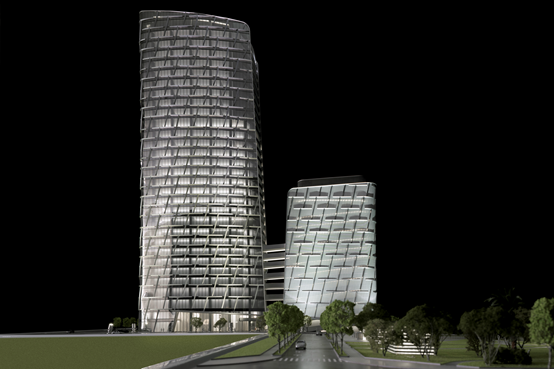
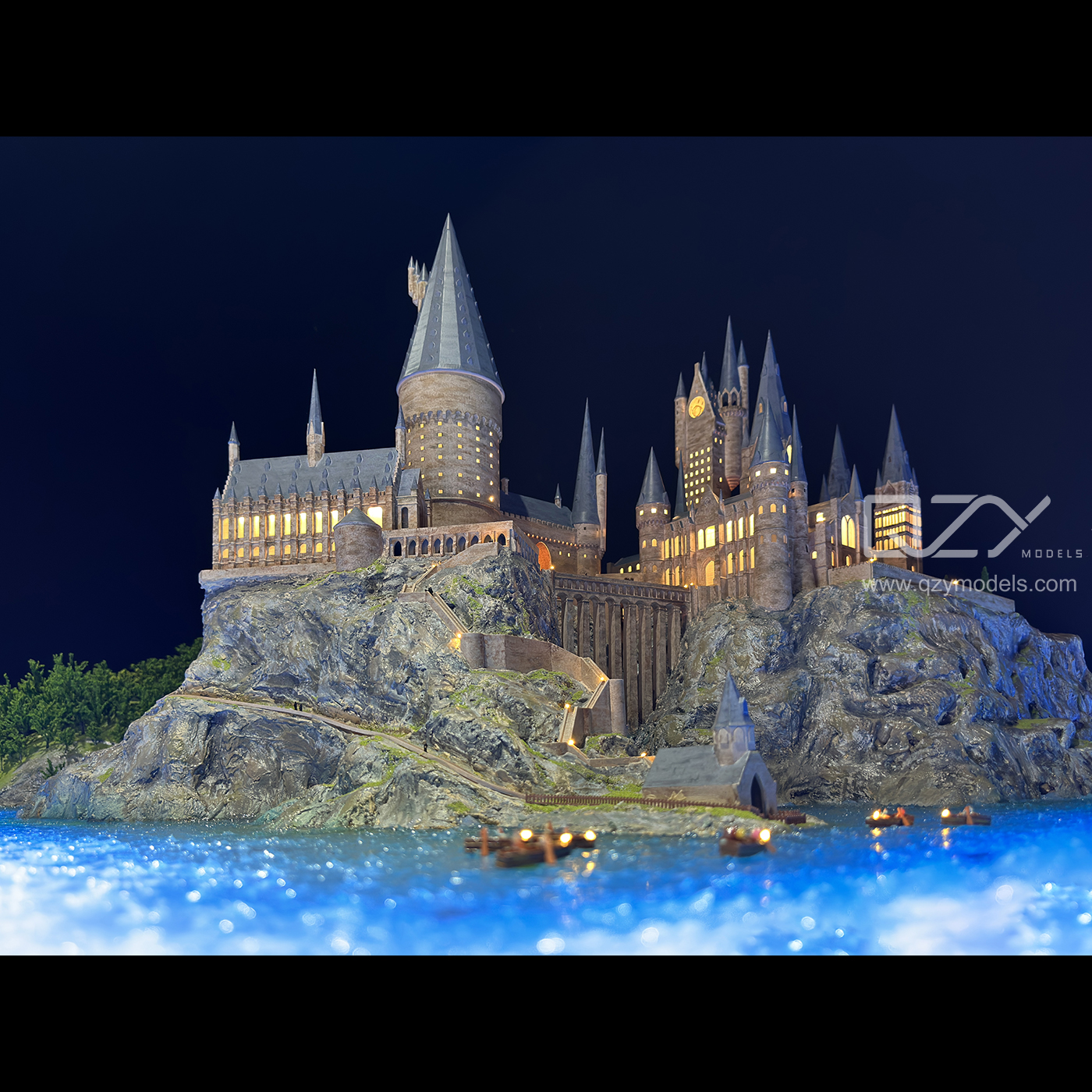
Dubai’s leading architecture firms are accelerating sustainable design by adopting eco-friendly materials, integrating renewable energy, and applying smart technologies across major developments. They align closely with the city’s 2050 carbon-neutral vision while transforming urban spaces into efficient, healthier environments. Companies like Foster + Partners and WZMH are key contributors, supported by QZY Models’ precision architectural visualization.
How Are Dubai Architecture Firms Integrating Sustainability into Design?
Dubai architecture firms embed sustainability from concept to completion by incorporating solar power, passive cooling strategies, water-efficient systems, and recyclable materials. They rely on digital modeling and physical prototypes to validate performance early. Compliance with Dubai’s Green Building Regulations ensures consistent energy and resource efficiency. QZY Models supports these strategies by creating precise models that help teams communicate sustainable systems to stakeholders.
What Sustainable Materials Are Popular Among Dubai’s Leading Firms?
Dubai’s firms often select materials that reduce embodied carbon and enhance durability. Common choices include recycled steel, bamboo, low-VOC coatings, rammed earth, and emerging bio-based composites. These materials improve indoor quality and offer long-term environmental benefits. QZY Models incorporates accurate representations of these materials in scale models, helping architects refine material palettes for green-certified developments.
Table: Key Sustainable Materials Used by Dubai Architecture Firms
| Material | Benefits | Typical Applications |
|---|---|---|
| Recycled Steel | Lower carbon footprint | Structural framing |
| Bio-Concrete | Carbon-absorbing properties | Facades, pavement systems |
| Bamboo | Renewable and lightweight | Interiors, wall panels |
| Rammed Earth | High thermal mass | Exterior and interior walls |
| Low-VOC Finishes | Improved air quality | Paints and protective coatings |
Which Innovations Are Shaping Sustainable Architecture in Dubai?
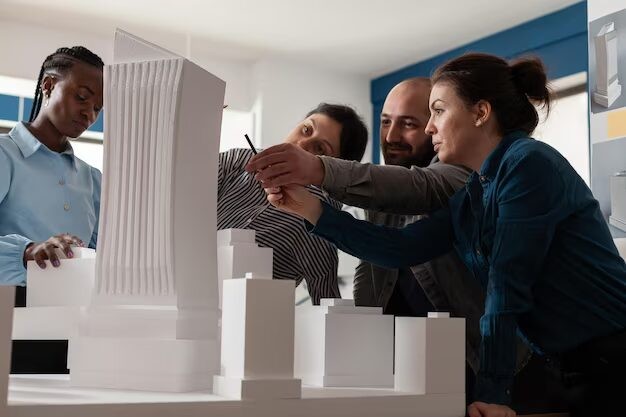
Advancements such as solar-integrated cladding, wind-responsive facades, green roofs, automated energy systems, and district-level cooling are transforming Dubai’s sustainability landscape. These innovations provide climate-resilient solutions tailored to the city’s extreme conditions. Architects rely on physical prototypes from QZY Models to evaluate design performance, optimize solar exposure, and validate ventilation or shading strategies prior to construction.
Why Is Dubai Focused on Sustainable Architectural Growth?
Dubai aims to merge rapid development with long-term environmental resilience. The city’s clean energy roadmap pushes firms to reduce emissions, conserve water, and improve community well-being through high-performance buildings. Sustainability strengthens Dubai’s global image as a smart, future-ready metropolis. QZY Models contributes by offering models that make complex sustainable concepts easier to present and refine.
Who Are the Key Players in Dubai’s Sustainable Architecture Scene?
Influential firms include Foster + Partners, WZMH Architects, Settle, Skydome Designs, and several leading regional studios. They work closely with government entities and developers to incorporate green design standards into high-profile projects. QZY Models collaborates with many of these firms to deliver physical models that highlight energy-efficient layouts, climate-responsive structures, and material strategies.
How Does QZY Models Enhance Sustainable Architecture in Dubai?
QZY Models elevates sustainable designs by producing highly accurate models that showcase energy systems, solar arrays, shading devices, and natural landscape integration. These detailed representations allow stakeholders to evaluate environmental performance early and align expectations before development begins. With over two decades of expertise, QZY Models ensures every sustainable concept is communicated clearly and professionally.
What Are the Challenges in Implementing Sustainable Design in Dubai?
Key challenges include securing sustainable materials locally, balancing luxury aesthetics with energy efficiency, and integrating advanced systems into dense urban spaces. Climate conditions such as high heat and humidity require specialized solutions. Architects utilize physical models from QZY Models to test design options, identify performance issues, and streamline costly iterations.
When Will Dubai Achieve Its Sustainable Architecture Goals?
Dubai’s net-zero strategy targets full carbon neutrality by 2050, with major milestones set for 2030 and 2040. Many ongoing developments already incorporate renewable energy, smart infrastructure, and reduced-emission materials. Architecture firms, supported by QZY Models’ visualization services, play a vital role in delivering projects that meet these milestones and accelerate citywide sustainability targets.
QZY Models Expert Views
“At QZY Models, we see sustainability reshaping architectural expectations in Dubai and worldwide. Our commitment is to translate complex ecological strategies into precise, visually compelling models. By integrating sustainable elements—from solar roofs to passive cooling systems—into our physical displays, we enable architects, developers, and planners to make informed design decisions. Our goal is to support a future where innovative design and environmental responsibility move forward together.”
Conclusion
Dubai’s sustainable architecture movement is redefining the future of the built environment. By embracing renewable energy, advanced materials, and climate-responsive strategies, firms are creating greener, more resilient communities. Their progress aligns with Dubai’s 2050 ambition for net-zero development. QZY Models reinforces this momentum by offering detailed physical models that enhance clarity, collaboration, and design excellence. For professionals shaping Dubai’s future, the synergy between sustainable design and expert modeling is essential.
Frequently Asked Questions
What makes Dubai’s architecture firms leaders in sustainable design?
They adopt renewable energy systems, eco-materials, and smart technologies aligned with Dubai’s environmental strategy.
How do architectural models support sustainable projects?
Models provide visual clarity, allowing teams to understand energy systems, material choices, and layout efficiencies before construction.
What standards guide sustainable design in Dubai?
Dubai’s Green Building Regulations and the Clean Energy Strategy 2050 set strict requirements for efficiency and environmental performance.
Can luxury developments still be environmentally responsible?
Yes. Many firms combine premium finishes with energy-saving technologies, creating upscale yet efficient buildings.
Why work with QZY Models on sustainable architecture?
QZY Models delivers accurate, professional models that communicate green features clearly and help teams refine environmentally focused designs.