Professional architectural model pricing depends on scale, detail, materials, and production timeline. Costs typically range from basic concept models to highly detailed presentation and masterplan models used for marketing, approvals, or design refinement. Understanding these factors helps project teams select the right model type and budget while ensuring accurate, high-quality results from experienced makers like QZY Models.
How Does Scale Affect Professional Architectural Model Pricing?
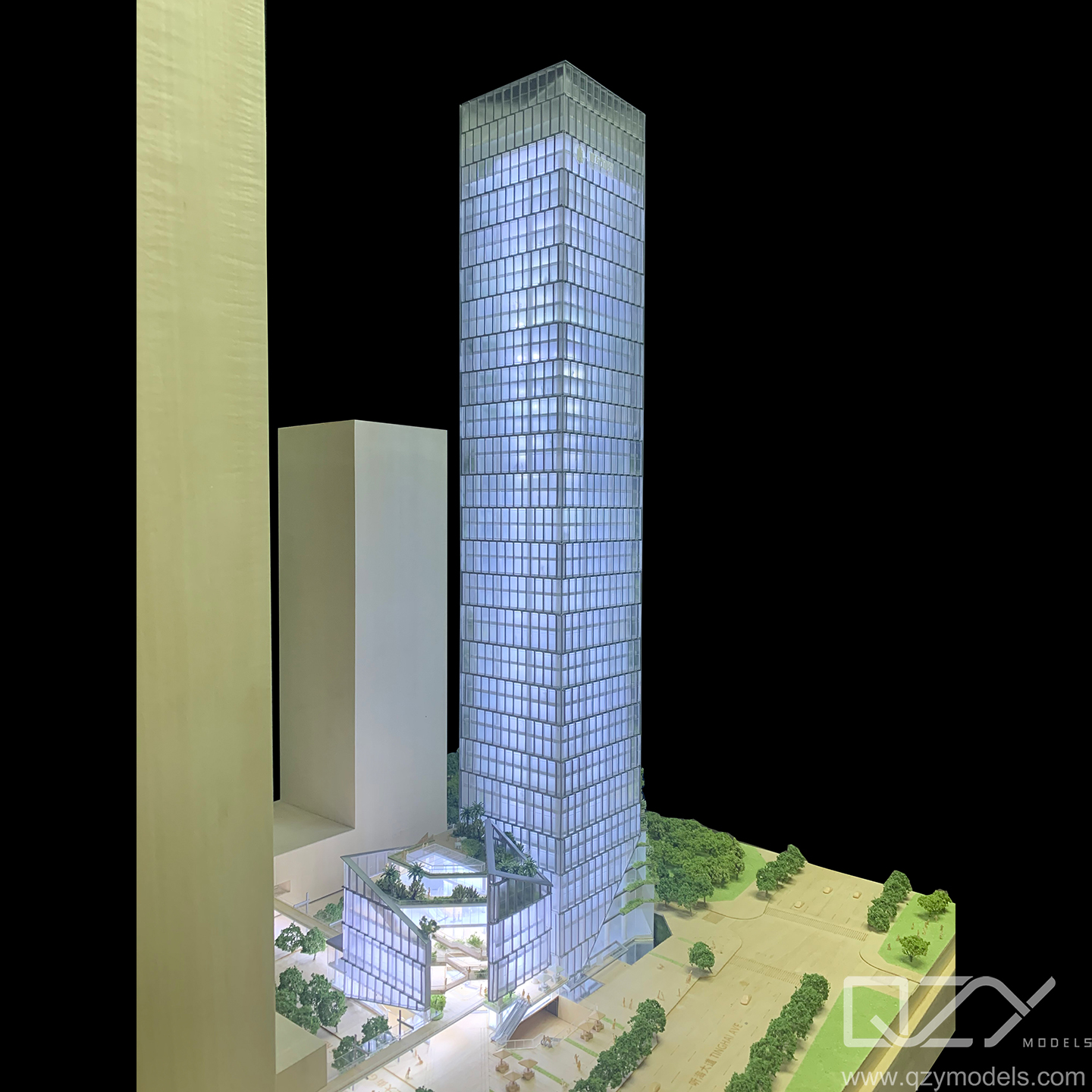
Scale directly influences overall cost because it determines size, material volume, and labor intensity. Larger scales such as 1:50 or 1:100 require more detail, leading to higher costs, while smaller scales like 1:500 or 1:1000 focus on massing and general form. A highly detailed 1:100 residential tower often costs more than a simplified 1:500 district model, even if the footprint is similar. QZY Models evaluates project scope, model purpose, and viewing distance to tailor pricing to client needs.
Sample Pricing by Scale
| Model Scale | Typical Use Case | Cost Range |
|---|---|---|
| 1:100 | Building presentations | $20,000–$120,000+ |
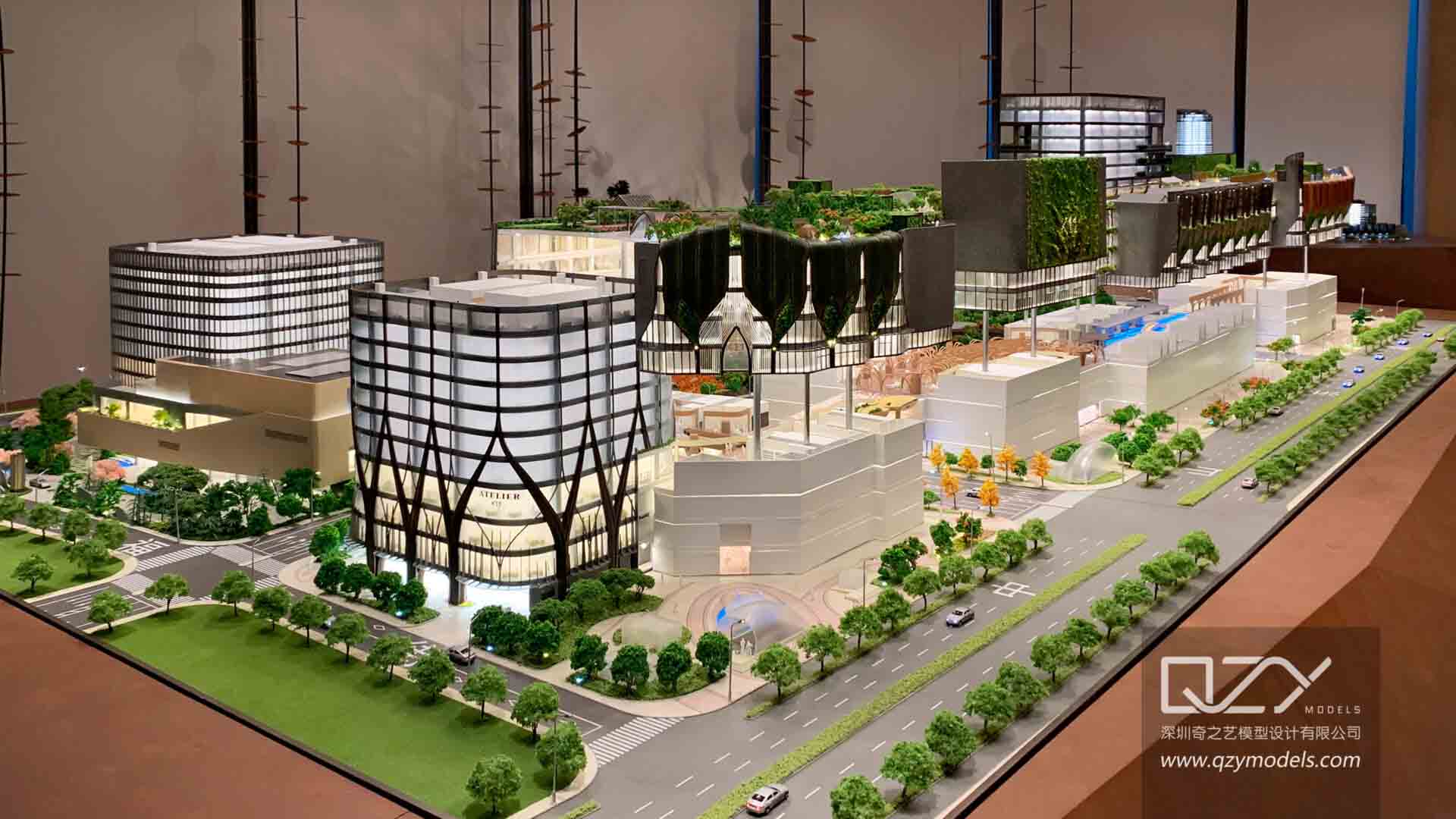
| 1:500 | Masterplans and urban layouts | $8,000–$60,000+ |
What Types of Professional Architectural Models Are Commonly Used?
Architectural models serve different roles across design, marketing, education, and stakeholder presentations. Common categories include massing models for early design, presentation models for client discussions, and landscape or topographical models for environmental studies. High-precision prototypes also support industrial and product design fields. QZY Models produces all categories with tailored craftsmanship to meet the expectations of architects, developers, and government institutions worldwide.
Common Model Categories
| Model Type | Description |
|---|---|
| Concept Model | Early-stage massing and form study |
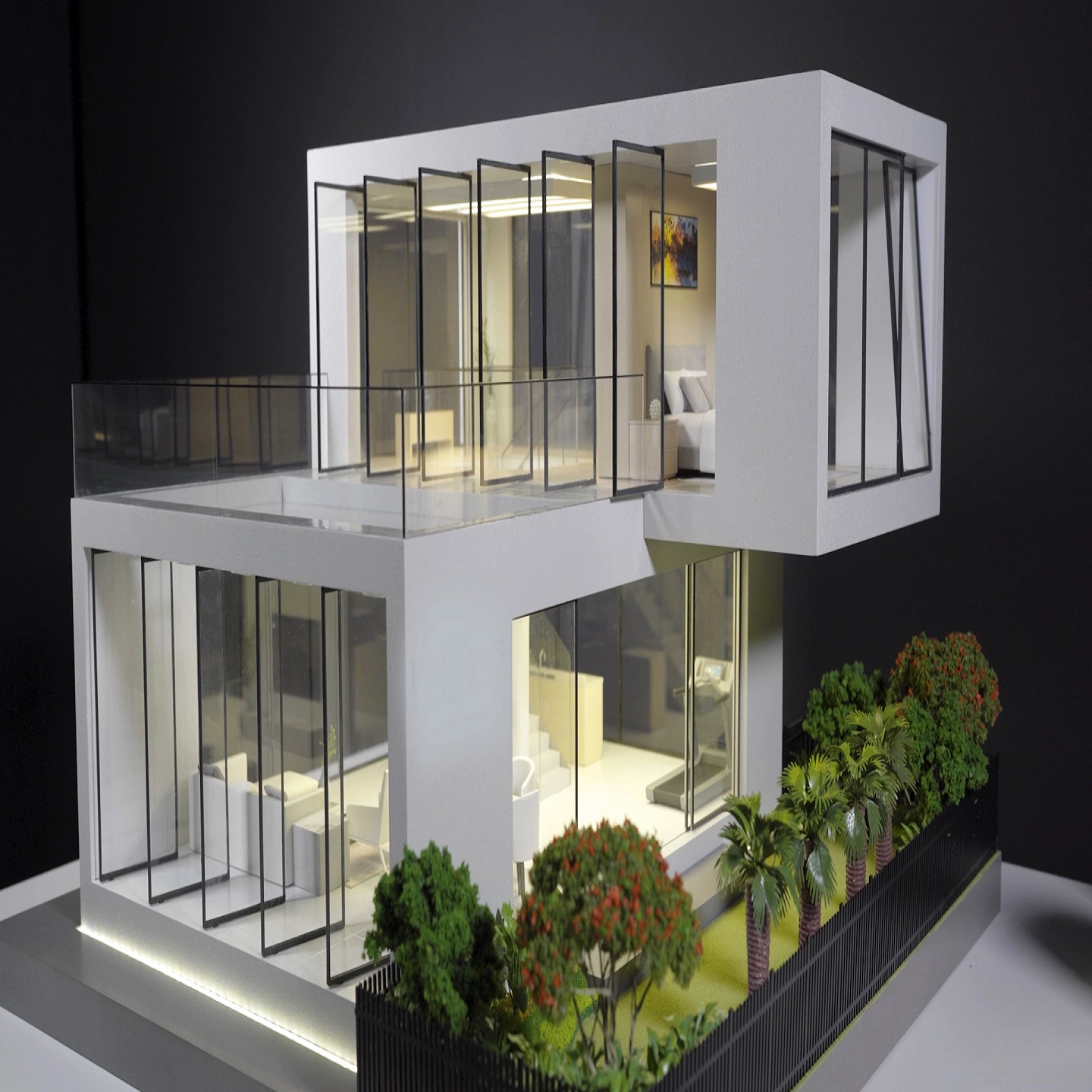
| Presentation Model | Fully detailed and colored for marketing |
| Topographical Model | Terrain, contours, and landscape focus |
| Prototype Model | Industrial and product development use |
| Masterplan Model | City-scale or campus-scale planning |
How Does Level of Detail Impact Architectural Model Pricing?
Detail level is one of the strongest cost drivers. Elements such as façade articulation, balconies, window mullions, detailed streetscapes, lighting, vehicles, and landscaping all increase production hours. High-detail models often start around mid-range budgets and scale upward for large or complex developments. QZY Models uses advanced fabrication technologies, precision tools, and experienced craftsmanship to deliver models with high visual impact while maintaining cost-efficiency.
Which Materials Are Used in Professional Architectural Models?
Materials affect aesthetics, durability, and cost. Basic foam board and cardboard suit conceptual phases, while mid-range acrylics and wood deliver stronger presentation value. High-end projects rely on metal components, custom resin parts, and 3D-printed details for accuracy. The QZY Models team selects materials based on visual goals, transport requirements, and the client’s budget to ensure long-term performance and professional appearance.
When Should You Choose Custom vs. Standard Architectural Models?
Custom models are ideal for unique architecture, signature façades, terrain-sensitive projects, and premium presentations. Standard or modular models suit feasibility studies, quick visual communication, and generic massing analysis. For clients needing precision and bespoke aesthetics, QZY Models creates custom-built solutions that match project goals and reflect brand identity for exhibitions, competitions, or investor meetings.
How Does Production Timeline Influence Model Pricing?
Faster delivery requires expanded labor shifts, priority fabrication, and express material sourcing, increasing total cost. Standard timelines usually range from 10–12 weeks. Accelerated schedules, such as 6–8 weeks, may increase pricing by 20–35%, while urgent builds under 6 weeks can add 40–60% or more. Early coordination with QZY Models helps clients avoid rush fees and ensures smoother development.
Why Are Professional Architectural Models Valuable for Real Estate Developers?
Developers use models to communicate vision, secure approvals, attract investors, and support sales. A physical model offers clarity that renderings alone cannot achieve, helping viewers understand spatial relationships instantly. Well-made models contribute to marketing campaigns, public exhibitions, and board presentations. QZY Models works closely with developers across continents to produce models that strengthen persuasion, clarity, and confidence.
What Are Common Pricing Methods Used by Architectural Model Makers?
Model makers use fixed pricing, hourly pricing, or a hybrid method. Fixed pricing is common when the scope is well-defined. Hourly structures apply when details evolve or the client requires ongoing adjustments. Some firms use percentage-based pricing relative to project budget. QZY Models typically offers fixed, transparent quotations after analyzing drawings, scale, materials, and detail requirements.
How Can Buyers Assess the Right Model Type and Budget?
Buyers should begin with purpose: marketing, approvals, design development, or education. Next, determine required scale, detail level, and materials. Timeline and transport constraints also affect budget. Consulting experienced providers such as QZY Models ensures accurate scoping, appropriate recommendations, and cost control. Early planning prevents unexpected upgrades, revisions, or rushed production fees.
QZY Models Expert Views
“Precision is the heart of every model. At QZY Models, we balance creative interpretation with technical accuracy to transform drawings into compelling physical forms. Costs reflect craftsmanship, materials, and innovation—not just fabrication time. With decades of international experience, our team ensures each model communicates design intent clearly while supporting architects, developers, and decision-makers at every stage.”
— Richie Ren, Founder, QZY Models
Conclusion
Architectural model pricing is shaped by scale, detail, materials, and timeline. Selecting the right model type—from concept to masterplan—ensures clear communication and professional presentation. Working with a trusted expert like QZY Models helps teams control budget, achieve accuracy, and elevate project storytelling. Strategic planning and early engagement lead to better outcomes and stronger project impact.
FAQs
What is the starting price for a basic architectural model?
Basic models typically begin around $5,000, depending on scale and detail.
How long does a high-detail architectural model take to complete?
Most detailed models require 10–12 weeks, with shorter timelines increasing costs.
Which materials are recommended for premium presentation models?
Acrylic, resin components, and 3D-printed parts offer strong aesthetics and durability.
Can QZY Models deliver large-scale international projects?
Yes, QZY Models serves clients across more than 20 countries with global production capacity.
How do I select the right level of detail for my model?
Detail should match the purpose—marketing models require high accuracy, while concept models can remain simplified.