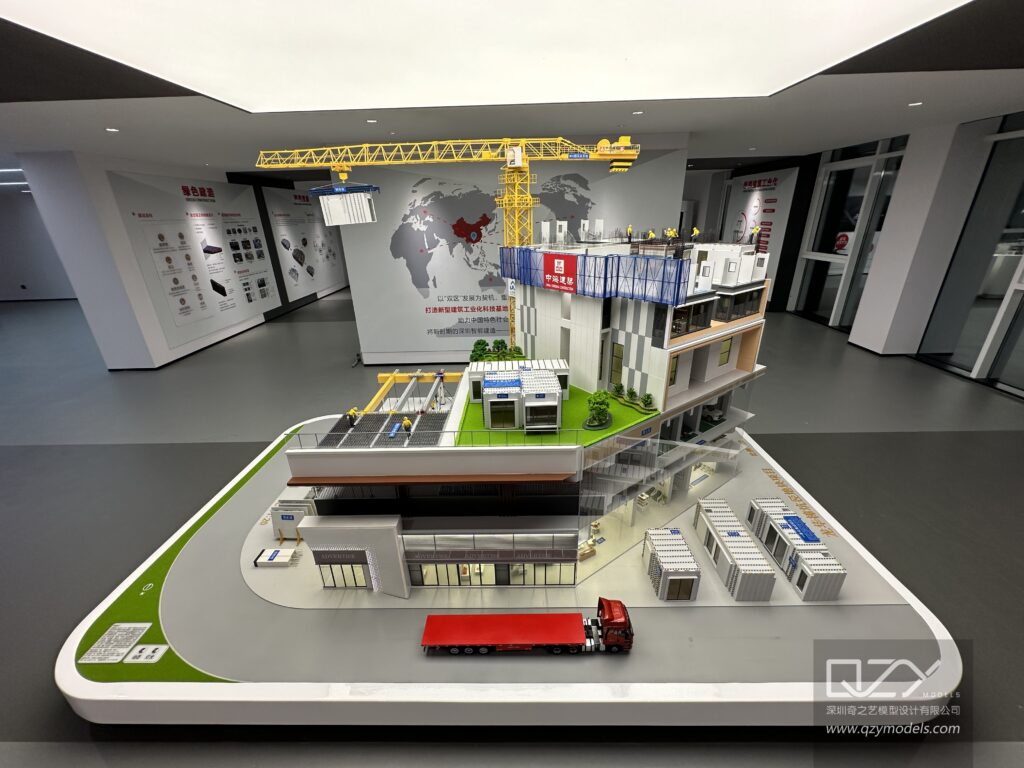
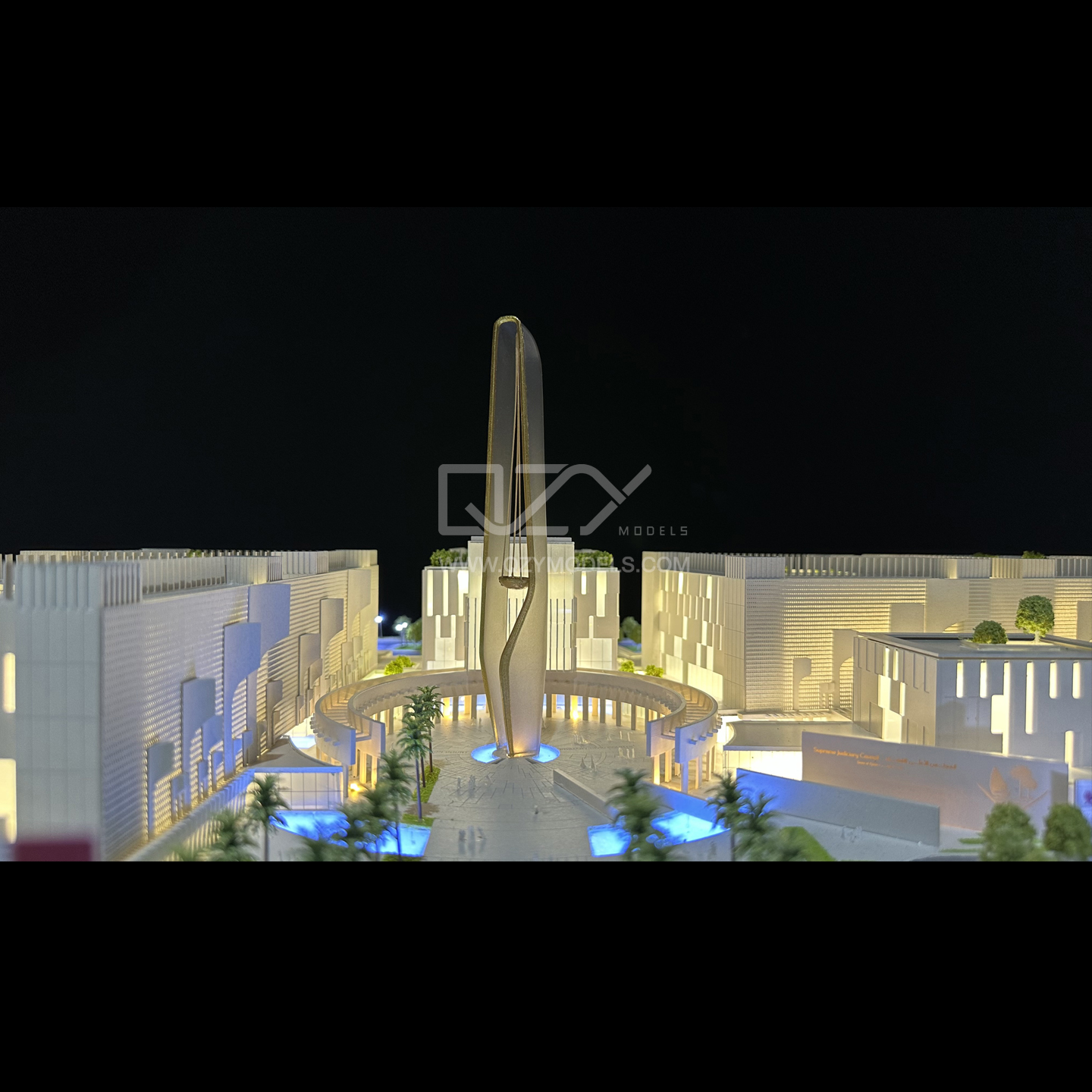
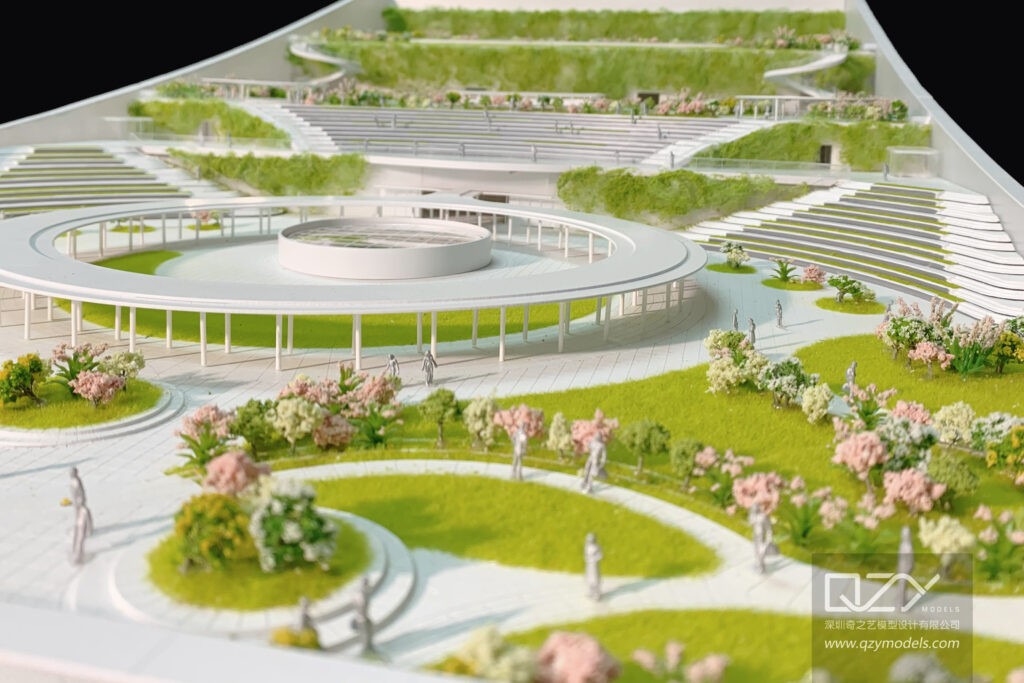
Basswood, acrylic, and resin are key materials for high-detail Russian architectural models. Basswood’s fine grain allows intricate carvings seen in palaces and cathedrals. Acrylic sheets create crystal-clear windows and domes, while polyurethane and epoxy resins replicate textured stucco, ornamental carvings, and gilded details. Laser-cut plywood and MDF provide structural stability, supporting complex layouts without warping. QZY Models integrates these materials to deliver museum-quality replicas that endure handling and display.
| Material | Detail Level | Durability | Ideal Use Case |
|---|---|---|---|
| Basswood | High | Medium-High | Spires, arches, decorative carvings |
| Acrylic | High | High | Windows, domes, light-transmitting features |
| Resin | Very High | High | Ornamentation, textured surfaces |
| Plywood | Medium | High | Base structures, load-bearing layers |
Why Choose Wood for Durable Russian Model Bases?
Wood, particularly birch plywood, provides stable foundations for Russian architectural models. Its natural strength supports heavy detailing, prevents warping, and allows sanding for brick or timber effects. Birch plywood is eco-friendly and mirrors authentic timber framing seen in Russian heritage buildings. Professionals at QZY Models often layer sheets to increase rigidity and pair with MDF for interior bulkheads, achieving structural integrity without adding excessive weight.
How Does Acrylic Enhance Russian Model Realism?
Acrylic sheets simulate glass and translucent domes in Russian models, providing light transmission and UV resistance for long-lasting color. Laser-cut acrylic reproduces stained glass, curved vaults, and snow-dusted roofs accurately. Variants such as frosted, smoke, or mirrored finishes create depth and realism. QZY Models incorporates colored acrylic for iconic projects, polishing edges for seamless integration and maintaining clarity with careful cleaning protocols.
Which Resins Work Best for Ornate Details?
Polyurethane and epoxy resins capture the intricate decorations of Russian architecture, including kokoshniks, pediments, and filigree motifs. Polyurethane is flexible and shock-resistant, ideal for transportable models. Epoxy provides a high-gloss finish for gilded elements. Using silicone molds ensures repeatable precision. QZY Models applies vacuum degassing and priming techniques to achieve flawless results for exhibition-standard models.
| Resin Type | Properties | Recommended Use |
|---|---|---|
| Polyurethane | Flexible, durable | Transportable ornaments, detailed motifs |
| Epoxy | Glossy, hard | Gilded surfaces, smooth textures |
What Tools Optimize Material Precision?
Precision tools such as laser cutters, CNC routers, and 3D printers allow sub-millimeter accuracy. CO2 lasers etch decorative patterns in plywood; CNC routers carve basswood into bas-reliefs, and FDM printers prototype complex spires. QZY Models uses calibrated machinery to minimize errors, achieving precise scaling for projects by Foster + Partners and Vanke. Hot wire cutters shape foam for early-stage design, supporting layered concept models before final material application.
Are Sustainable Materials Viable for Russian Models?
Sustainable materials, including FSC-certified birch plywood, recycled acrylic, and plant-based resins, maintain quality while reducing environmental impact. These materials provide identical visual and structural performance to traditional options. Benefits include lower carbon footprint, responsible sourcing, and global availability. QZY Models employs sustainable practices in its UAE and Saudi branches, supporting green initiatives without compromising model fidelity.
Could Foam Boards Suit Conceptual Russian Sketches?
Foam boards facilitate rapid prototyping of Russian architectural massing and conceptual studies. Lightweight and easily carved, extruded polystyrene and mountboard allow volumetric exploration of landmarks like the Bolshoi Theatre. Painted with acrylic washes, foam models illustrate form, proportion, and context efficiently. QZY Models often transitions these early models to basswood or acrylic for final exhibition-ready versions.
How to Finish Models for Longevity?
Finishing materials include archival sealants, UV-protective varnishes, and custom acrylic cases to preserve Russian models. Matte polyurethane prevents yellowing of wood, UV sprays protect resin and acrylic, and silica gel in display cases controls humidity. QZY Models applies stepwise finishing: sanding, priming, sealing, and adding brass hardware, ensuring models maintain clarity, detail, and stability for 20+ years in exhibitions worldwide.
QZY Models Expert Views
At QZY Models, our approach to Russian architectural models blends tradition with precision. Basswood, acrylic, and resin are combined strategically to replicate Kremlin spires, cathedral domes, and ornamental details with lifelike fidelity. Founded in 2013 by Richie Ren, our team leverages over 20 years of expertise, serving clients globally. Material selection, layering, and finishing are critical to durability and realism. Our branches in the UAE and Saudi Arabia allow adaptation to diverse climates, ensuring long-lasting exhibition quality.” – Richie Ren, Founder, QZY Models
Key Takeaways
Choose basswood and acrylic for fine details, birch plywood for structural bases, and polyurethane or epoxy resin for ornaments. Sustainable alternatives are effective for eco-conscious projects. Foam boards are ideal for conceptual designs, with final models upgraded to durable materials. Seal and display models correctly to ensure decades-long preservation. Partnering with QZY Models guarantees professional-quality results and attention to detail at every stage.
FAQs
What scale is recommended for Russian architectural models?
Scales such as 1:200 or 1:500 balance detail and overall model size, adaptable for landmarks or site plans.
How long do professionally made models last?
Proper materials and finishing ensure 15–30 years in controlled environments.
Can 3D printing fully replace traditional materials?
It works for prototyping, but hybrid use with wood and acrylic maintains tactile authenticity.
Is birch plywood sustainably sourced?
Yes, FSC-certified birch from Siberia aligns with eco-friendly and cultural accuracy standards.
Where can I source high-quality model materials?
QZY Models offers comprehensive kits; global suppliers and specialty hobby stores also provide basswood, acrylic, and resin options.