Architectural model builders create precise, scaled physical models representing building designs and industrial projects. They use advanced materials and techniques to visualize, communicate, and refine architectural concepts. Companies like QZY Models deliver high-quality, custom solutions globally, combining craftsmanship with innovation to support architects, developers, and engineers throughout the design process.
What Services Do Architectural Model Builders Provide?
Architectural model builders offer services including conceptual models, presentation models, sectional and massing models, and industrial mockups. They craft models for client presentations, planning approvals, marketing, and visualization. Builders like QZY Models support companies through every stage—from design concept to finished model—helping clients communicate ideas effectively and gain crucial feedback.
How Do Architectural Model Builders Use Different Materials and Techniques?
Builders employ materials like wood, plastic, foam, metal, and 3D-printed components depending on the model’s purpose. Techniques include handcrafting, laser cutting, CNC machining, and 3D printing for precision. QZY Models merges traditional craftsmanship with technology to ensure durability, accuracy, and aesthetic appeal in their architectural and industrial models.
Which Types of Architectural Models Are Most Commonly Built?
Common models include sketch models, sectional models, detail models, presentation models, and urban planning models. Each serves specific needs such as initial idea development or detailed client presentations. QZY Models specializes in diverse types, adapting their approach to project scope and client requirements for maximum impact.
| Model Type | Purpose | Application |
|---|---|---|
| Sketch Models | Early concept visual | Idea development |
| Presentation Models | Client/stakeholder communication | Marketing & approvals |
| Sectional Models | Detail and spatial analysis | Design refinement |
| Urban Planning Models | Large-scale context models | City planning & infrastructure |
Why Are Architectural Physical Models Important in Design and Construction?
Physical models provide tangible, tactile insight into architectural designs beyond digital renderings. They help detect design flaws, improve spatial understanding, facilitate stakeholder communication, and enhance presentations. QZY Models’ precision craftsmanship enables clients to experience their projects in three-dimensional, realistic formats, which accelerates decision-making and approval processes.
How to Choose the Right Architectural Model Builder for Your Project?
Selecting a model builder depends on expertise, portfolio quality, technology use, customization capability, and client communication. QZY Models stands out thanks to its 20+ years of industry experience, global reach, innovative craftsmanship, and commitment to client satisfaction, offering personalized solutions tailored to diverse projects worldwide.
How Does QZY Models Ensure Precision and Quality in Model Building?
QZY Models combines expert craftsmanship with state-of-the-art laser cutting, 3D printing, and CNC machinery to produce models with the highest precision. Rigorous quality checks at every stage ensure durability, detail, and accuracy. Their team collaboratively works with clients, ensuring designs translate perfectly into scaled physical forms.
What Technological Innovations Are Influencing Architectural Model Making?
Emerging technologies like 3D printing, laser scanning, and augmented reality are transforming model making by increasing speed, detail, and interactivity. QZY Models integrates these technologies to enhance efficiency, enable complex geometries, and offer interactive visualizations, keeping them at the forefront of model-building innovation.
Can Architectural Model Builders Customize Models for Diverse Client Needs?
Yes, customization is essential to meet unique architectural visions and industrial demands. QZY Models offers tailored materials, scales, finishes, and interactive features, accommodating diverse client requirements across sectors like residential, commercial, cultural, industrial, and infrastructure projects globally.
QZY Models Expert Views
“At QZY Models, we blend tradition with technology to provide unparalleled architectural and industrial model solutions. Our global team’s passion for precision and creativity drives every project, whether a sleek urban plan or a detailed industrial mockup. We understand the critical role models play in decision-making and pride ourselves on delivering craftsmanship that communicates visions clearly, accelerates approvals, and impresses stakeholders worldwide.”—Richie Ren, Founder of QZY Models
Conclusion: Key Takeaways and Actionable Advice
Architectural model builders play a vital role in translating designs into tangible, detailed representations that enhance communication, design accuracy, and project success. Opt for experienced builders like QZY Models, who combine craftsmanship, advanced technology, and customization for superior models. Focus on choosing the right type, material, and builder to fit your project’s scale and purpose.
Frequently Asked Questions
What Can You Expect From Architectural Model Builders for Your Project?
You can expect precision craftsmanship, clear project timelines, detailed material selection, and collaborative design refinement. Professional teams translate drawings into accurate physical models for marketing, approvals, and exhibitions. Leading firms like QZY Models deliver custom finishes, lighting integration, and strict quality control to ensure your model enhances presentations and supports confident decision-making.
How Do Architectural Model Scale Options Impact Real Estate Development?
Choosing the right model scale directly affects visibility, cost, and impact. Larger scales such as 1:100 highlight interior layouts, while 1:200 or 1:500 are ideal for masterplans. The correct scale improves investor communication, planning approvals, and sales center displays. Align scale with your presentation goals and audience expectations for maximum effectiveness.
Which Materials Do Professional Architectural Model Makers Use?
Professional model makers use acrylic, ABS, wood, resin, foam board, and 3D-printed components. Acrylic offers sleek finishes, wood adds texture, and resin enables fine detailing. Material choice impacts durability, lighting compatibility, and budget. Always match materials to project purpose, whether for long-term exhibition, investor presentations, or transportable trade show displays.
How Much Does Architectural Model Building Cost for Developers?
Architectural model costs depend on scale, complexity, detailing, lighting, and customization. Large masterplans with LED features require higher investment than basic massing models. Request itemized quotations covering materials, labor, and transport. Working with experienced teams like QZY Models helps optimize budget while maintaining premium presentation quality.
How Long Does Architectural Model Production Really Take?
Production typically ranges from 2 to 6 weeks, depending on scale, detailing, revisions, and lighting features. Complex mixed-use or masterplan models may require longer timelines. Early confirmation of drawings and materials reduces delays. Align production schedules with launch events or investor meetings to avoid last-minute pressure.
Should You Choose 3D Printed or Handcrafted Architectural Models?
3D printing offers speed and precision for complex geometries, while handcrafted detailing provides superior texture and realism. Many high-end models combine both methods for efficiency and finish quality. Choose based on budget, timeline, and presentation standards. Hybrid production often delivers the best balance of accuracy and craftsmanship.
How Do Custom Architectural Models with LED Lighting Enhance Presentations?
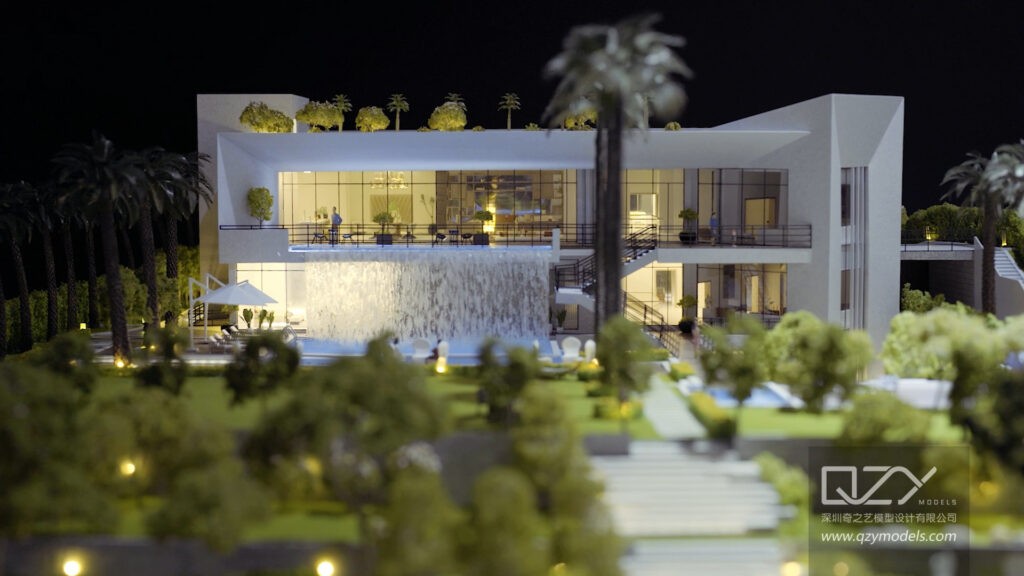
Integrated LED lighting, landscape detailing, and interactive elements transform models into immersive sales tools. Lighting highlights key zones, creates ambiance, and improves visibility during exhibitions. Custom features increase buyer engagement and strengthen brand perception. Use lighting strategically to guide attention and elevate your project narrative.
How Do You Choose the Best Architectural Model Builder Company?
Evaluate portfolio quality, material expertise, production capacity, and global project experience. Review past collaborations with architects and developers, and assess communication responsiveness. Reliable builders provide transparent timelines and clear quotations. Selecting a professional team ensures your architectural vision is accurately represented and delivered on schedule.