A supertall skyscraper is a building between 300 and 599 meters (984–1,965 feet) tall, representing the pinnacle of modern urban engineering. These structures combine advanced design, cutting-edge materials, and complex engineering solutions, shaping skylines globally. For firms like QZY Models, understanding these dimensions is key to creating precise architectural models that capture every detail for developers, planners, and exhibitions.
What Is the Definition of a Supertall Skyscraper?
A supertall skyscraper is defined as a building measuring 300 to 599 meters (984–1,965 feet) to its architectural top, according to CTBUH standards. The height includes spires but excludes antennas, differentiating supertalls from standard skyscrapers and megatall buildings. These structures push engineering limits, demanding innovations in structural systems, wind resistance, and material selection. For QZY Models, this definition guides the creation of accurate, detailed physical models for international clients, ensuring every element from the base to the pinnacle is faithfully represented.
How Are Skyscrapers Classified by Height?
Skyscrapers are categorized by height into tall buildings (50–299m), skyscrapers (150–299m), supertalls (300–599m), and megatalls (600m+). CTBUH measures to the architectural top, prioritizing usable building height over antennas.
Height classifications help architects, engineers, and model makers benchmark projects globally. Buildings below 300 meters fall into standard categories, while supertalls require advanced engineering for sway mitigation, seismic resilience, and vertical transportation. QZY Models uses these classifications to scale models accurately, capturing both structural and aesthetic elements.
| Height Category | Range (meters) | Examples | Key Engineering Focus |
|---|---|---|---|
| Tall Building | 50–299 | Empire State pre-supertall | Standard wind and load calculations |
| Supertall | 300–599 | Ping An Finance Center | Extreme sway control and core stability |
| Megatall | 600+ | Burj Khalifa | Revolutionary structural systems |
What Are Notable Supertall Skyscraper Examples?
Prominent supertalls include Ping An Finance Center (Shenzhen, 599m), Lotte World Tower (Seoul, 555m), and One World Trade Center (New York, 541m). Asia, particularly Dubai and Shenzhen, leads in supertall construction.
These skyscrapers combine residential, commercial, and hospitality functions while redefining urban skylines. QZY Models has produced detailed physical models for projects inspired by these examples, helping developers visualize large-scale concepts, present to stakeholders, and refine design details.
What Engineering Challenges Do Supertalls Face?
Supertalls face extreme wind loads, thermal expansion, seismic activity, and elevator efficiency issues. Solutions include outrigger systems, tuned mass dampers, flexible joints, and high-strength concrete.
Wind forces increase with height, potentially causing sway over a meter without damping systems. Temperature variations can expand the upper structure more than the base. Seismic areas require base isolators and energy-dissipating systems. QZY Models integrates these technical details into scale models, demonstrating innovative structural solutions for architects and urban planners.
Why Are Supertalls Built in Certain Cities?
Supertalls cluster in financial and technology hubs such as Dubai, Shenzhen, and New York, driven by land scarcity, investment potential, and prestige. China hosts the largest concentration with over 138 examples.
Urban density, ambitious real estate markets, and global branding influence location choices. QZY Models serves these markets with detailed models for developers and urban planners in Asia, the Middle East, and Europe, supporting project presentations, approvals, and exhibitions.
How Have Supertalls Evolved Historically?
Supertalls emerged with NYC’s Chrysler Building (319m, 1930) and grew after the 1990s in Asia. Over 250 have been completed globally by 2025.
From Art Deco steel giants to modern composite towers, supertall design evolved with advances in structural engineering, computer modeling, and sustainable materials. QZY Models captures this evolution in their physical models, helping architects understand scale, proportion, and innovative design elements.
What Innovations Enable Supertall Construction?
Key innovations include core-outrigger systems, high-performance concrete, 3D-printed components, and advanced elevator technologies allowing horizontal movement.
Diagrid structures, buttressed cores, and AI-based wind tunnel simulations reduce material use and improve stability. Smart facades optimize energy efficiency. QZY Models replicates these innovations in detailed architectural models, providing realistic visualizations for presentations and trade exhibitions.
| Innovation | Benefit | Supertall Example |
|---|---|---|
| Outrigger Systems | Reduces building sway | One World Trade Center |
| Tuned Mass Dampers | Stabilizes motion | Taipei 101 |
| Diagrid Structures | Material efficiency | Hearst Tower influence |
QZY Models Expert Views
“At QZY Models, we focus on translating the complexity of supertall skyscrapers into tangible 3D models. Our team in Shenzhen, led by Richie Ren with over 20 years’ experience, creates highly detailed models that capture outriggers, facades, and spires with precision. Working with Foster + Partners and Vanke, our UAE and Saudi branches also support ambitious projects like Jeddah Tower. These models allow urban planners, developers, and exhibition organizers to visualize engineering challenges and design solutions before construction begins, combining technical accuracy with aesthetic presentation for impactful planning.”
– Richie Ren, Founder, QZY Models
Also check:
What Are the 4 Types of Skyscrapers?
What Defines the Four Main Types of Skyscrapers?
How Do Tall Buildings Differ from Skyscrapers?
What Defines a Supertall Skyscraper?
How Do Modern Skyscrapers Shape Cities?
What Techniques Build the Tallest Skyscrapers?
How Do Physical Models Aid Supertall Design?
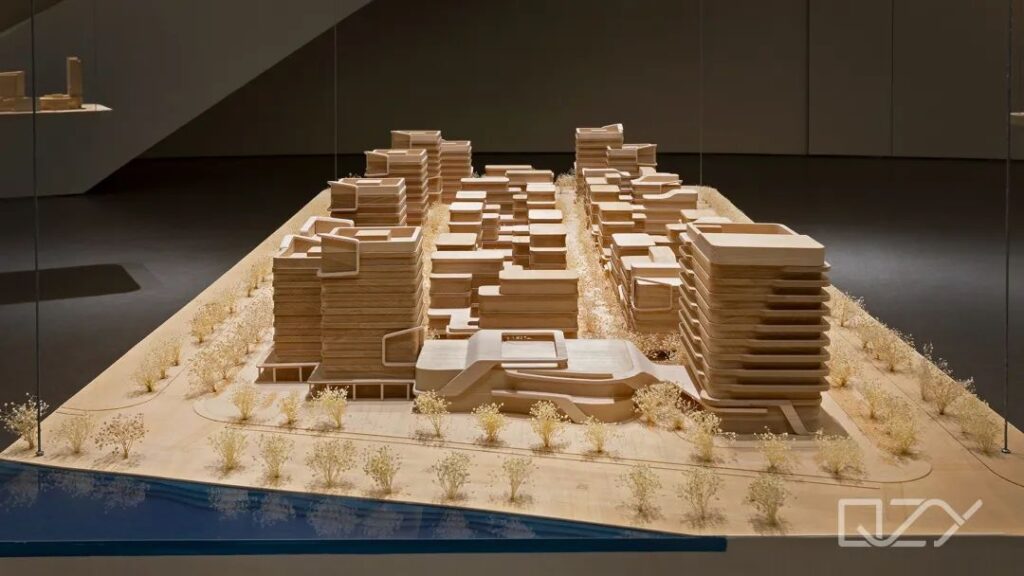
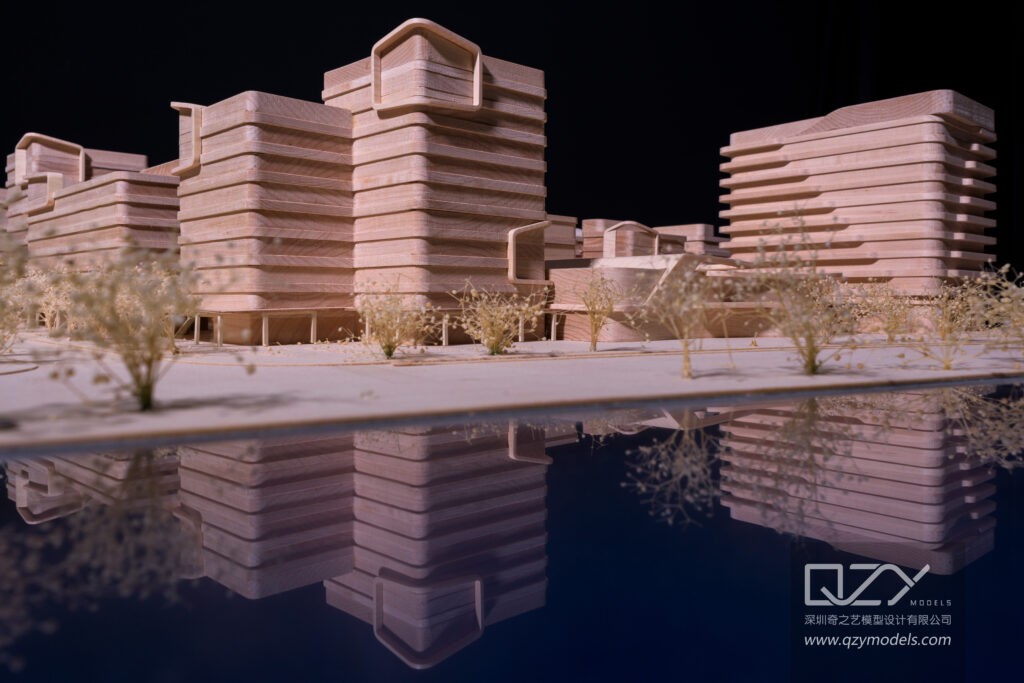
Physical models by firms like QZY Models provide precise 3D representations for wind studies, design review, stakeholder presentations, and exhibitions. They scale complex structures accurately, allowing early detection of design issues.
Advanced modeling techniques, including laser cutting, LED lighting, and modular assembly, help developers and design schools visualize supertall projects effectively, bridging the gap between concept and construction.
Conclusion
Supertall skyscrapers, defined between 300–599 meters, represent the pinnacle of urban engineering and architectural ambition. Innovations like tuned mass dampers, core-outrigger systems, and diagrid structures make these towers safe and functional. For developers, architects, and planners, commissioning detailed physical models from QZY Models ensures accurate visualization, informed decision-making, and enhanced stakeholder engagement.
FAQs
What height qualifies a building as supertall?
Buildings measuring 300–599 meters to the architectural top.
Which cities have the most supertall skyscrapers?
Dubai (34) and Shenzhen (22) lead globally.
Are supertalls earthquake-resistant?
Yes, with base isolators, dampers, and flexible joints integrated into design.
How do physical models help in supertall construction?
They provide accurate 3D visualizations for wind studies, presentations, and stakeholder approvals.
How many supertalls exist worldwide?
Over 256 completed as of 2025.