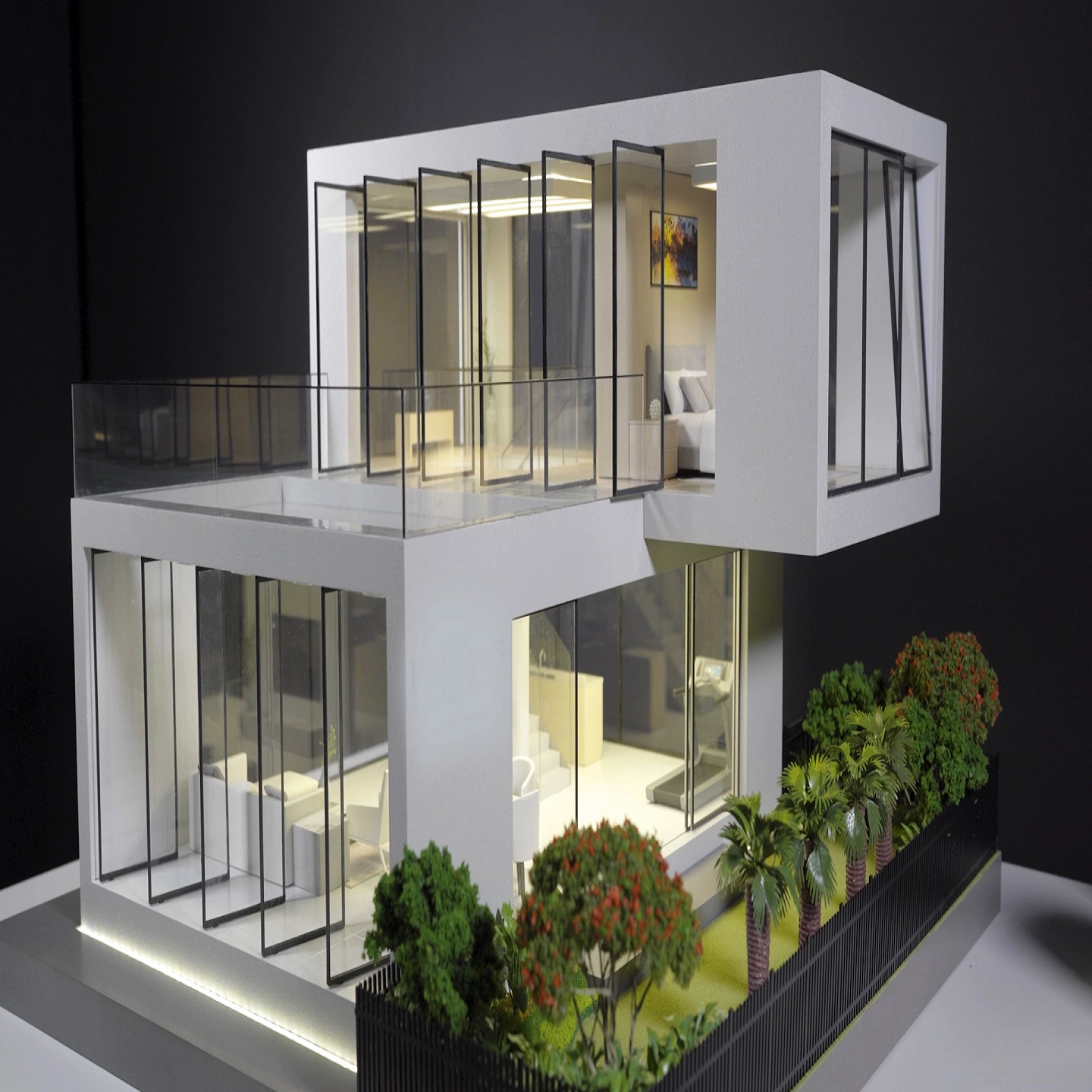
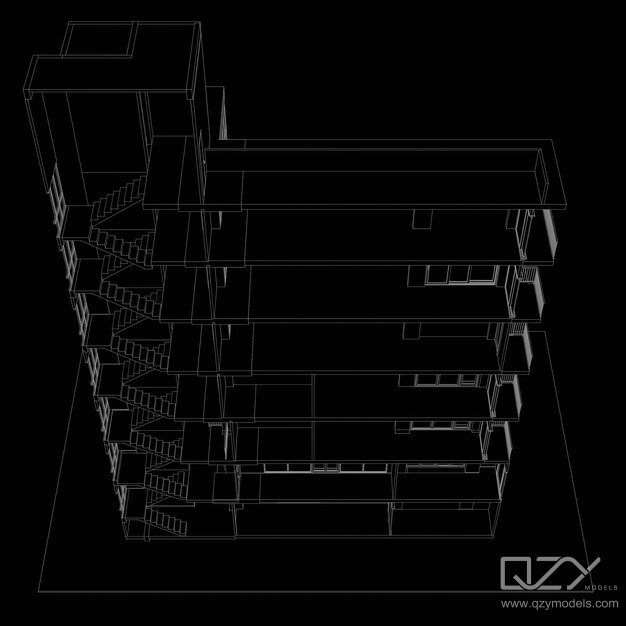
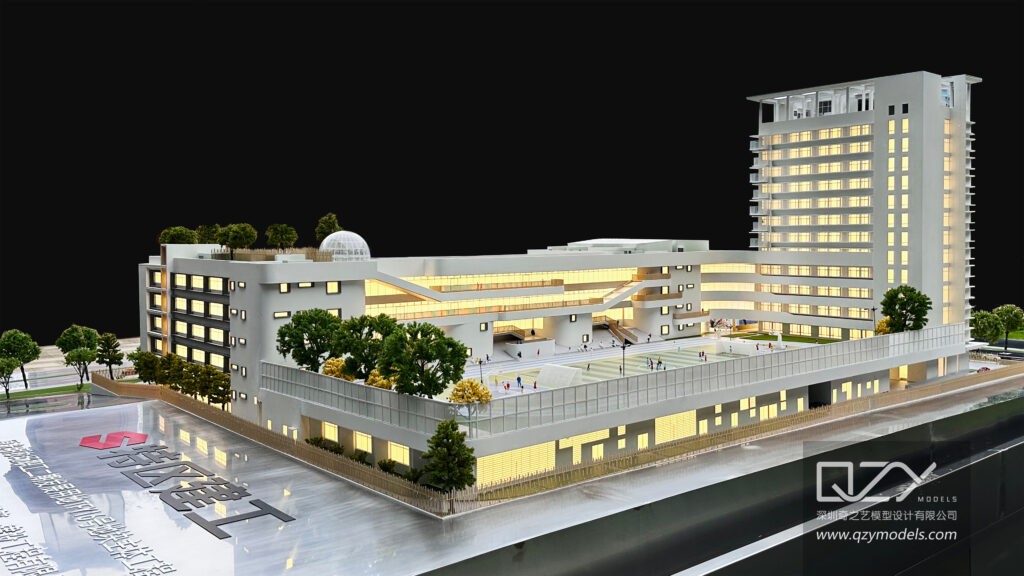
An architecture structure model is a detailed three-dimensional representation that illustrates a building’s framework, load distribution, and material behavior. It allows architects, engineers, and developers to visualize structural integrity, spatial relationships, and design logic before construction, ensuring both functional stability and aesthetic quality throughout the project lifecycle.
How Does an Architecture Structure Model Support the Design Process?
Architecture structure models bridge conceptual design with engineering reality by visually demonstrating load paths, stress distribution, and structural interactions. These models help architects and engineers identify potential weaknesses early, reducing costs and construction risks. QZY Models combines precision fabrication and digital modeling to create accurate, visually compelling representations. They serve as a vital communication tool, aligning clients, engineers, and stakeholders on feasibility while enhancing project efficiency and design integrity.
What Are the Key Components of an Architecture Structure Model?
Key components include foundations, columns, beams, slabs, and joints, each representing critical structural functions.
| Structural Element | Function | Model Representation |
|---|---|---|
| Foundations | Transfers load to the ground | Layered base or substructure |
| Columns | Vertical support | Wooden, acrylic, or metal rods |
| Beams | Horizontal load distribution | Acrylic or wooden members |
| Slabs | Floor and deck components | Thin plywood or resin panels |
| Joints | Connective fixtures | 3D printed or metal fittings |
QZY Models integrates wood, acrylic, and precision-cut materials to maintain scale accuracy and structural realism, providing both technical fidelity and aesthetic appeal.
Why Are Structure Models Important for Developers and Architects?
Structure models offer crucial visualization for risk assessment, project planning, and design validation. Developers can evaluate load-bearing behavior, while architects confirm that form complements function. QZY Models produces structural models for skyscrapers, stadiums, and infrastructure projects, turning complex engineering data into clear, compelling visual narratives for investors, regulatory boards, and stakeholders.
Which Materials Are Best Suited for Architecture Structure Models?
The ideal materials for structure models are wood, acrylic, metal, and resin composites, chosen based on scale, detail, and purpose.
| Material | Strength | Visual Detail | Typical Use Case |
|---|---|---|---|
| Wood | Moderate | Natural texture | Conceptual and preliminary models |
| Acrylic | High | Transparent, precise | Load distribution clarity |
| Metal | Very high | Sharp, structural | Load-bearing representation |
| Resin | Moderate | Smooth surface | Complex geometries |
QZY Models selects materials strategically, often combining lightweight wood with transparent acrylic to create visually balanced models that reveal internal structural mechanics.
When Should a Structure Model Be Commissioned?
Structure models are best commissioned during design development or pre-construction phases. Early engagement allows for validation of spatial logic, structural efficiency, and aesthetics. Developers often use these models to communicate with investors or planning authorities. QZY Models advises clients to collaborate from the early stages to ensure precision, customization, and timely delivery, resulting in models that are both technically accurate and visually impressive.
Who Benefits Most from Using Structure Models?
Structure models provide value to multiple professionals and sectors:
-
Architects: Validate structural form and spatial relationships.
-
Engineers: Analyze load distribution and stability.
-
Developers: Communicate projects effectively to stakeholders.
-
Educational Institutions: Teach design and structural principles.
-
Museums and Exhibitions: Showcase architectural innovation.
QZY Models’ international expertise ensures that urban developers, educators, and designers receive models that are both precise and durable.
Are Structure Models Still Relevant in the Digital Age?
Yes, physical models remain essential despite advanced digital tools. They provide tactile experience, scale perception, and material authenticity that digital models cannot replicate. Stakeholders can grasp structural relationships more intuitively. QZY Models combines traditional craftsmanship with digital fabrication to produce hybrid solutions that maximize accuracy, visualization, and impact for presentations, research, and client communication.
Could Structural Models Integrate Smart Technologies in the Future?
Yes, structural models are evolving with embedded lighting, sensors, and augmented reality overlays. These innovations can simulate load paths, highlight stress points, and provide interactive demonstrations. QZY Models experiments with illuminated frameworks and detachable components, allowing clients to explore structural logic interactively, blending craftsmanship with technological sophistication.
QZY Models Expert Views
“Architecture structure models are more than prototypes; they are visual conversations between design intent and structural reality. At QZY Models, we merge engineering knowledge with skilled craftsmanship to create models that express strength, stability, and elegance, providing clients with tools that inform, impress, and inspire.”
— Richie Ren, Founder of QZY Models
Conclusion
Architecture structure models remain vital tools for visualizing, validating, and communicating building frameworks. By combining engineering logic with artistry, they give professionals and clients clear insight into design and construction realities. Leveraging the expertise of QZY Models transforms complex architectural concepts into precise, compelling, and visually impactful physical representations.
Frequently Asked Questions
1. How large can an architecture structure model be?
Models range from tabletop sizes to room-scale installations, tailored to project scope and budget.
2. Can structure models include lighting or motion?
Yes, QZY Models integrates LEDs, motors, and interactive elements for enhanced visualization.
3. What is the typical production timeframe?
Mid-sized models generally take 3–6 weeks, including design, material preparation, and assembly.
4. Are structure models effective for client approvals?
Absolutely. They provide clear visual and technical representation, improving communication with clients and authorities.
5. How are structure models shipped safely worldwide?
Custom foam enclosures and reinforced crates ensure secure delivery of delicate models globally, as implemented by QZY Models.