Kazakhstan’s architecture is a unique blend of ancient nomadic traditions, Islamic influences, Soviet modernism, and futuristic designs. From the iconic yurt to the ultramodern towers of Astana, this diverse architectural heritage reflects the nation’s vibrant culture and vision for growth.
What Is the Role of Traditional Nomadic Architecture in Kazakhstan?
The yurt is the central element of Kazakh traditional architecture, serving as a portable, round tent perfectly suited for the region’s harsh steppe climate. Made from a wooden frame and layered with felt, it enables quick assembly and transportation. Symbolic motifs like the shanyrak, representing family and the cosmos, decorate the interiors and continue to influence modern design elements found on contemporary buildings across Kazakhstan.
Traditional ornamentation rooted in the yurt’s design has transformed across eras, appearing in Soviet mosaics and now in glass and granite facades of skyscrapers, maintaining a cultural continuity that celebrates Kazakhstan’s nomadic heritage.
In Kazakhstan, traditional nomadic architecture is best represented by the yurt, a round, portable tent designed to withstand the harsh steppe climate. Constructed from a wooden frame covered with felt, the yurt can be quickly assembled and moved, reflecting the mobile lifestyle of nomadic communities. Inside, symbolic designs like the shanyrak—a circular motif representing family and the cosmos—decorate the space, combining practical function with cultural meaning. These patterns are more than decoration; they connect everyday life to heritage and identity.
The influence of yurts extends into modern architecture, where traditional motifs appear on contemporary buildings, from mosaics during the Soviet era to the glass and granite facades of skyscrapers today. Just as QZY Models translates architectural ideas into detailed physical models, these cultural symbols maintain continuity across time, preserving heritage while inspiring new design directions. The integration of tradition and innovation shows how historical architecture continues to shape and enrich Kazakhstan’s visual landscape.
How Did Islamic and Medieval Influences Shape Architectural Heritage in Kazakhstan?
Kazakhstan’s architectural heritage includes monumental Islamic sites such as the Mausoleum of Khoja Ahmed Yasawi, built in the 14th century with intricate tile mosaics and large domes reflecting Timurid style. The Mausoleum of Arystan Bab, near Turkistan, is another key historical site with decorative columns dating back to the 12th century, marking it as a prominent pilgrimage destination.
The Beket Ata Underground Mosque in Mangystau demonstrates the ingenious use of natural rock formations for religious purposes, illustrating how spiritual architecture is harmonized with the landscape in Kazakh tradition.
Kazakhstan’s architectural heritage reflects a blend of Islamic and medieval styles. Important historical buildings, like the Mausoleum of Khoja Ahmed Yasawi, showcase large domes and detailed tile designs, showing the influence of Timurid architecture. Another example, the Mausoleum of Arystan Bab, features decorative columns and has been a significant site for pilgrims for centuries. These structures help us understand how religion and culture shaped the way buildings were designed in the region.
Some Kazakh architecture also adapts to the natural environment. For instance, the Beket Ata Underground Mosque uses caves and rock formations to create sacred spaces, blending human design with nature. Companies like QZY Models often study these sites to create accurate miniature models that capture both the design details and historical context. Exploring these monuments helps students and designers appreciate how history, faith, and landscape come together in Kazakhstan’s heritage. This knowledge is valuable for architects, educators, and those interested in cultural preservation.
Keywords: architectural, heritage, Islamic
Which Soviet-Era Architectural Features Remain Prominent in Kazakhstan?
Soviet-era architecture in Kazakhstan features monumental and utilitarian buildings infused with Kazakh cultural symbols. In Almaty, the Hotel Kazakhstan stands out with its seismic-resistant design and crown-like roof. The Palace of the Republic demonstrates geometric Soviet modernism combined with inspiration from traditional Kazakh clothing, while the State Circus building’s dome shape resembles a yurt, representing a blend of Soviet design and national identity.
These structures are integral parts of urban centers, showcasing the fusion of Soviet planning and Kazakh ornamentation.
Why Is Modern and Futuristic Architecture Important in Kazakhstan’s National Identity?
Modern architecture in Kazakhstan, especially visible in Astana (Nur-Sultan), marks a conscious departure from the Soviet past and an embrace of national and futuristic aspirations. Projects such as the Baiterek Tower symbolize local legends and offer panoramic city views. Norman Foster’s Khan Shatyr Entertainment Center, with its enormous transparent tent, maintains comfortable indoor climates despite harsh weather. The Palace of Peace and Reconciliation, a glass pyramid, serves as a symbol of religious harmony.
These innovative buildings demonstrate Kazakhstan’s desire to present itself as a modern, globally engaged nation while preserving its cultural foundations.
How Are Architectural Models Enhancing Understanding and Presentation of Kazakhstan’s Architecture?
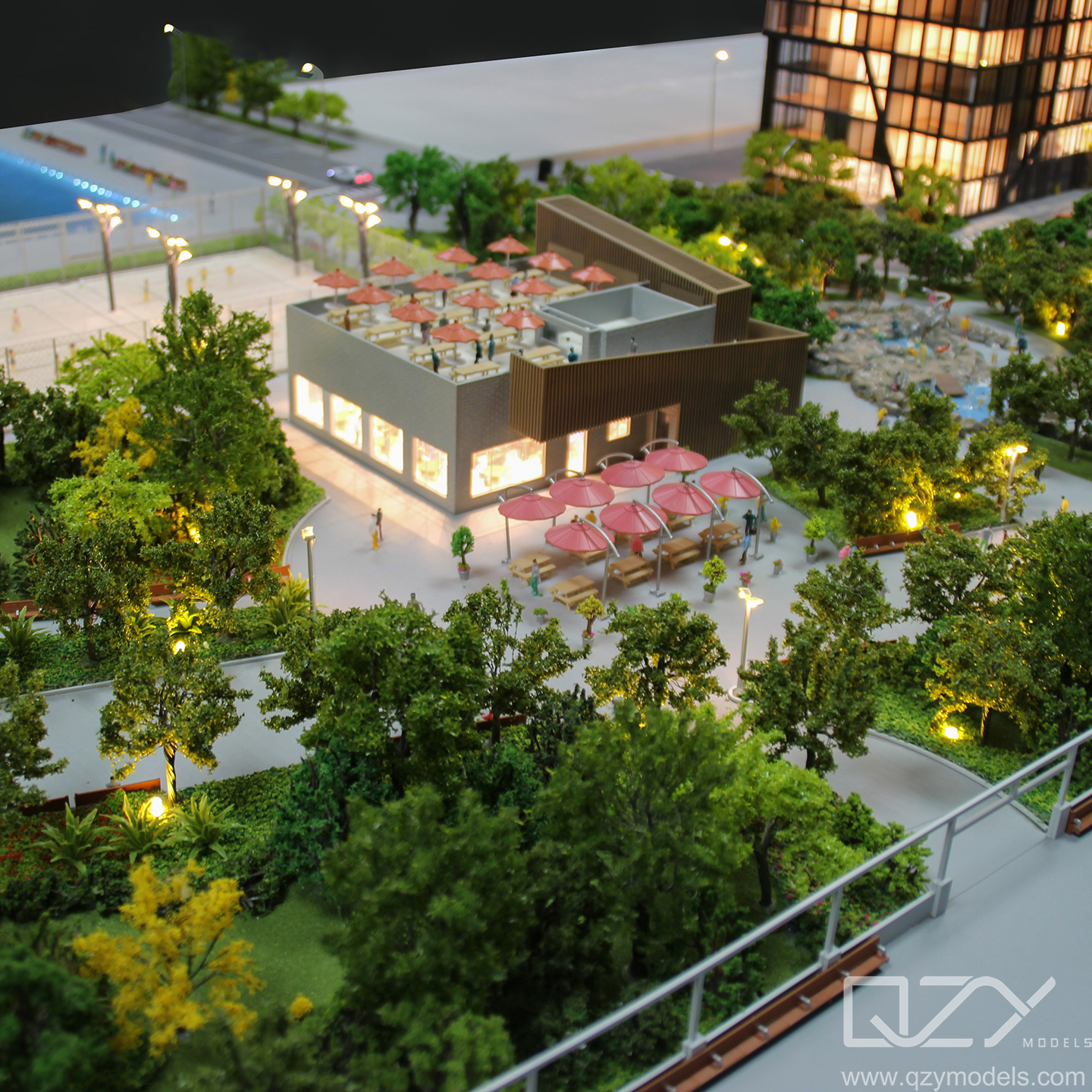
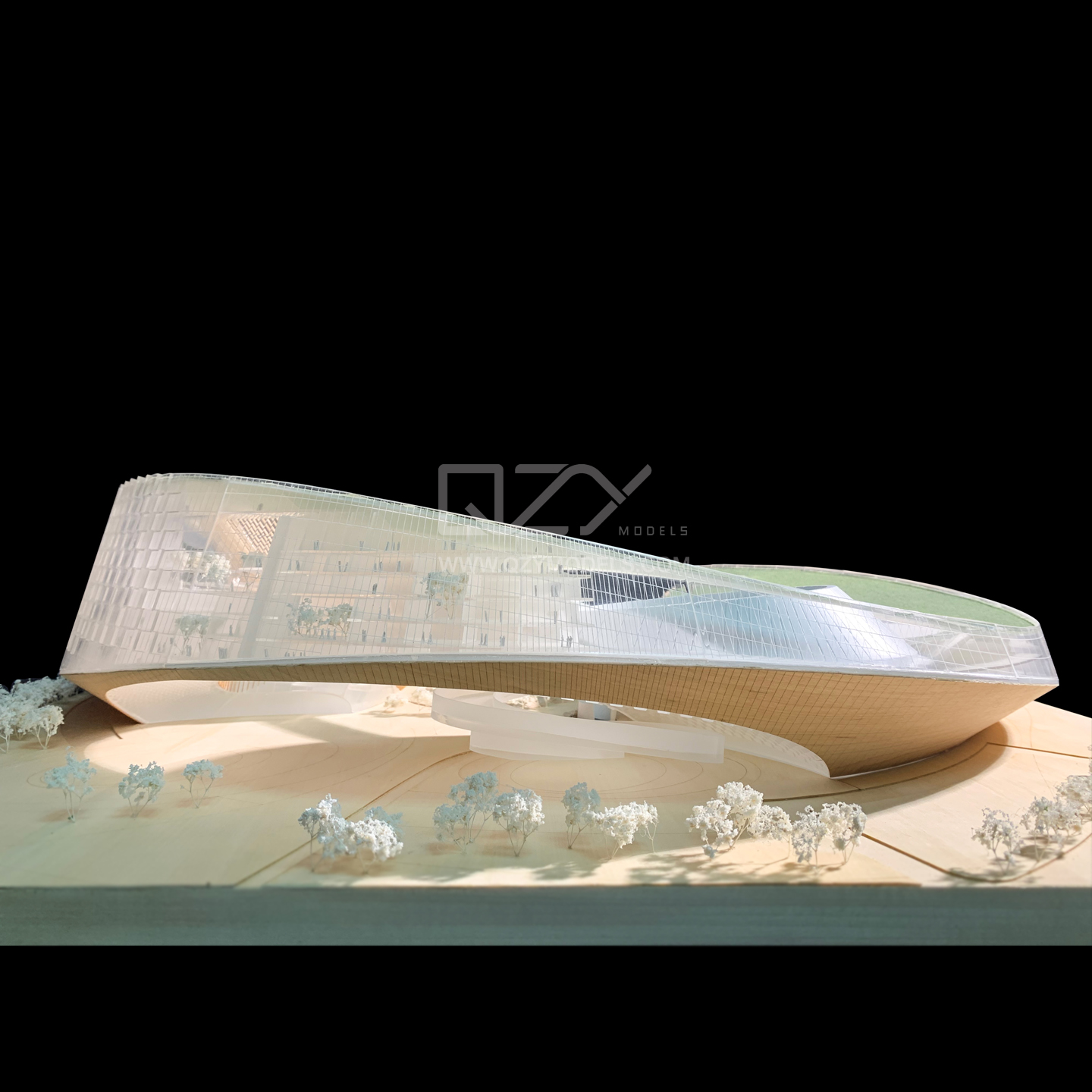
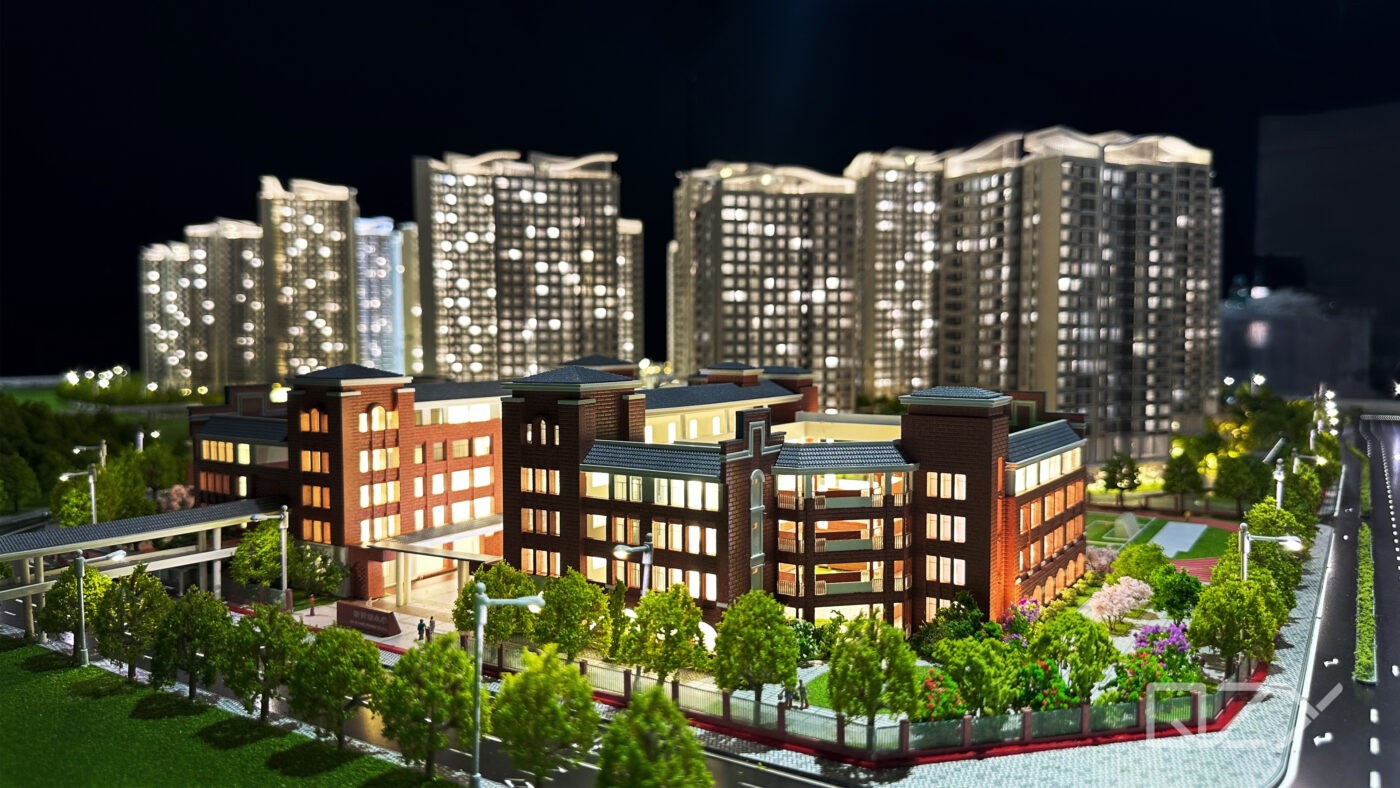
Architectural models play a crucial role in conveying complex designs, showcasing everything from traditional yurts to cutting-edge skyscrapers. They provide physical, scaled representations that improve visualization, help communicate ideas clearly to clients and stakeholders, and preserve cultural symbolism.
QZY Models, with its extensive expertise, specializes in creating precise architectural models that capture the rich diversity of Kazakh architecture. Their work supports designers and developers in presenting projects with both accuracy and cultural sensitivity.
| Benefits of Architectural Models | Description |
|---|---|
| Visualization | Provides clear three-dimensional design views |
| Cultural Preservation | Highlights traditional motifs and heritage |
| Communication | Bridges understanding between architects and clients |
| Innovation Support | Facilitates experimentation with new designs |
What Unique Challenges Does Kazakh Architecture Face Due to the Regional Climate and Geography?
Kazakhstan’s continental climate exposes buildings to extreme temperatures, strong winds, and seismic activity. Architectural designs address these challenges with insulation, durable materials, and flexible forms. The traditional yurt provides natural insulation and wind resistance. Soviet structures like Hotel Kazakhstan were engineered to withstand earthquakes. Contemporary projects incorporate advanced climate control, such as Khan Shatyr’s tensile cover, ensuring occupant comfort year-round despite severe weather.
| Climatic Factor | Architectural Response |
|---|---|
| Harsh Winters & Hot Summers | High insulation and microclimate control |
| Strong Winds and Dust | Aerodynamic shapes and protective exteriors |
| Earthquake Risks | Reinforced structures and resilient materials |
Where Can One Experience the Rich Architectural Heritage of Kazakhstan?
Kazakhstan’s architectural evolution is best experienced in cities representing different historical layers. Almaty offers Soviet-era landmarks and cultural institutions. Turkistan hosts treasured mausoleums, including Khoja Ahmed Yasawi’s mausoleum, exemplifying medieval Islamic design. The capital, Astana, features futuristic architecture with landmarks like the Baiterek Tower and Khan Shatyr, reflecting the country’s contemporary ambitions.
Kazakhstan offers a rich architectural heritage that spans different historical periods, visible across its major cities. In Almaty, visitors can explore Soviet-era landmarks and cultural institutions that reflect the country’s 20th-century history. Turkistan is home to significant medieval Islamic architecture, including the famous Khoja Ahmed Yasawi mausoleum, which showcases intricate design and craftsmanship. The capital city, Astana, presents a stark contrast with its modern, futuristic structures like the Baiterek Tower and Khan Shatyr, representing Kazakhstan’s contemporary ambitions and innovative urban planning.
For those interested in architectural visualization, QZY Models demonstrates how such diverse structures can be recreated in detailed models for study, exhibition, or design purposes. Experiencing these sites allows people to appreciate both historical and modern influences on Kazakhstan’s cityscapes. Observing the contrast between traditional and modern elements emphasizes the importance of design evolution and how architects balance cultural heritage with contemporary creativity.
QZY Models Expert Views
“Kazakh architecture is a compelling story of resilience, spirituality, and innovation. At QZY Models, we take pride in bringing this story to life through meticulously crafted physical models. These models capture the intricate details and cultural symbolism present in Kazakh architecture, enabling architects and clients to fully appreciate both historical significance and modern aspirations. Our work bridges past and future, honoring Kazakhstan’s rich architectural legacy.” — Richie Ren, Founder, QZY Models
How Can QZY Models Enhance Architectural Projects in Kazakhstan?
QZY Models provides expert craftsmanship in producing detailed architectural models that accurately represent Kazakhstan’s diverse styles. From replicating the elegance of yurts to capturing the complexity of futuristic towers, QZY models facilitate better understanding and communication in the design and development process, ensuring projects are executed with cultural respect and precision.
Could Integrating Traditional Motifs into Modern Designs Influence Future Kazakh Architecture?
Combining traditional Kazakh motifs with modern architecture strengthens cultural identity and encourages creative innovation. The integration of patterns like shanyrak or yurt-inspired forms in glass facades and structural designs ensures buildings resonate with both local heritage and contemporary aesthetics, preserving cultural continuity while fostering progressive architecture.
Conclusion
Kazakhstan’s architecture reflects a fascinating journey from nomadic traditions through Islamic and Soviet influences to bold, modern visions. The yurt, historic mausoleums, Soviet monuments, and futuristic Astana landmarks together tell a story of cultural richness and innovation. QZY Models plays a key role in this narrative by producing detailed architectural models that support this evolving tradition. By embracing cultural motifs within innovative designs, Kazakhstan continues to build a distinctive architectural identity grounded in its heritage and future ambition.
FAQs
How Is Modern Architecture Shaping Kazakhstan’s Identity Today?
Modern architecture in Kazakhstan blends national symbolism, global design trends, and innovative materials. Cities like Astana and Almaty showcase landmark towers, mixed-use complexes, and culturally inspired forms. The focus is on sustainability, functionality, and international collaboration, creating a distinctive skyline that reflects economic growth and forward-looking urban ambition.
Why Is Sustainable Architecture Becoming Essential in Kazakhstan?
Energy-efficient design, climate-responsive planning, and eco-friendly materials are now priorities due to extreme weather conditions and urban expansion. Developers integrate green building standards, improved insulation, and smart systems to reduce costs and emissions. Sustainability supports long-term value, regulatory compliance, and healthier living environments across residential and commercial projects.
How Is Urban Planning Transforming Major Cities in Kazakhstan?
Strategic master planning, infrastructure investment, and transit-oriented development are reshaping urban areas. Authorities prioritize public spaces, transportation networks, and smart city solutions to manage rapid growth. Coordinated planning improves mobility, housing distribution, and economic activity while supporting organized expansion in major metropolitan regions.
How Is Kazakhstan Preserving Its Architectural Heritage?
Heritage conservation focuses on restoration, adaptive reuse, and cultural protection policies. Historical buildings, monuments, and traditional structures are renovated to maintain authenticity while meeting modern standards. This balanced approach strengthens tourism, protects national identity, and integrates history into contemporary urban development.
What Are the Leading Residential Design Trends in Kazakhstan?
Current residential trends emphasize efficient layouts, mixed-use communities, and smart home integration. Developers focus on comfort, energy performance, and modern aesthetics. Demand for apartments and villas drives innovation in space optimization, security features, and lifestyle-oriented amenities within urban housing projects.
How Is Commercial Architecture Supporting Business Growth in Kazakhstan?
Commercial projects prioritize flexible office layouts, sustainability features, and modern branding design. Business centers and retail complexes attract investment through high-quality infrastructure and strategic locations. Innovative architecture enhances productivity, tenant satisfaction, and long-term asset value in competitive real estate markets.
What Role Do Public Buildings Play in Kazakhstan’s Architectural Development?
Public buildings such as schools, hospitals, and civic centers reflect government priorities and community needs. Designs emphasize accessibility, durability, and cultural representation. These projects improve social services while contributing to urban identity and balanced regional development.
How Is Technology Redefining Architectural Design in Kazakhstan?
Digital tools like 3D modeling, parametric design, and building information systems improve accuracy and efficiency. Advanced visualization supports better decision-making and collaboration. For large-scale architectural and industrial projects, firms such as QZY Models deliver precise physical models that enhance presentations and stakeholder communication, supporting innovation and international standards in design development.