Sustainable and multifunctional interior design in 2025 combines eco-conscious materials, modular layouts, and adaptable solutions that optimize modern living and commercial spaces. By integrating renewable resources, smart technology, and versatile furniture, designers create spaces that are efficient, durable, and aesthetically pleasing. QZY Models demonstrates how precision craftsmanship and green design shape functional, future-ready interiors for global clients.
How Is Sustainability Reshaping Interior Design Manufacturing?
Sustainability drives interior design manufacturing toward energy-efficient production, recyclable materials, and reduced waste. Factories in China, such as QZY Models, implement responsible sourcing, life-cycle tracking, and modular designs to meet international green standards. This evolution supports eco-certifications like LEED and WELL, aligning with client expectations for environmentally responsible interiors.
| Sustainable Practice | Industrial Impact | Materials Used |
|---|---|---|
| Recycled production | Reduces waste and cost | Aluminum, PET, glass |
| Low-VOC finishes | Enhances indoor air quality | Water-based coatings |
| Modular systems | Extends product lifecycle | Bamboo, engineered wood |
Manufacturers are increasingly adopting circular economy principles, combining innovation and efficiency to create both aesthetic and environmentally responsible interiors.
What Multifunctional Interior Solutions Are Trending in 2025?
Multifunctional interiors emphasize modular furniture, convertible spaces, and technology integration. Solutions such as retractable partitions, rotating walls, and transformable storage systems allow co-living, studio, and commercial spaces to adapt seamlessly. QZY Models integrates precision craftsmanship with modular design to deliver scalable solutions that meet diverse international standards.
Adaptive furniture, structural lighting modules, and smart sensors support space efficiency and flexibility. Developers and designers increasingly rely on these systems to maximize functionality without compromising style or sustainability.
Which Materials Dominate Sustainable Interiors in 2025?
Materials that balance durability, aesthetics, and eco-friendliness dominate sustainable interior design. Recycled metals, engineered bamboo, natural composites, and bioplastics are widely used, offering cost-effective, renewable, and low-impact options.
| Material | Sustainability Benefit | Ideal Application |
|---|---|---|
| Engineered bamboo | Rapid renewability | Flooring, panels |
| Recycled aluminum | Lightweight, durable | Fixtures, frames |
| Bioplastic | Compostable, low toxin | Decor accents |
Chinese manufacturers like QZY Models specialize in scalable production of these materials, optimizing logistics, reducing waste, and supporting multifunctional interior designs.
Why Are OEM and Customization Demands Increasing?
The demand for OEM and customized interior solutions rises as buyers seek local adaptation, brand alignment, and tailored sustainability. QZY Models provides customized finishes, scaled layouts, and detailed modeling that support developers, architects, and institutional clients. Rapid prototyping ensures efficient collaboration between design teams and factories, speeding up delivery timelines.
Customization allows adaptation to regional preferences, from luxury finishes in the Middle East to minimalist designs in Europe, or smart micro-unit solutions in Asia.
Who Benefits Most From Multifunctional Sustainable Design?
Sustainable multifunctional design benefits developers, architects, institutional clients, and interior designers by reducing costs, improving durability, and appealing to eco-conscious users. B2B buyers gain operational efficiency, compliance assurance, and brand value. QZY Models ensures consistent quality for global projects, bridging creativity with precise manufacturability.
When Should Designers Integrate Sustainability in Project Planning?
Sustainability should be incorporated from the earliest design phase. Early integration allows optimized material selection, reduced waste, and enhanced lifecycle performance. Chinese manufacturers provide digital modeling and materials consultation during concept development, improving alignment between architectural objectives and production feasibility.
This workflow saves costs, ensures compliance with international standards, and facilitates smooth project execution for developers and designers worldwide.
Where Does China Stand in Global Sustainable Interior Manufacturing?
China leads in sustainable interior manufacturing through innovation, scalability, and OEM expertise. Factories combine automated production with renewable sourcing, meeting global design standards and diverse buyer requirements. Regions like Guangdong and Zhejiang focus on eco-composite panels, modular fittings, and precision architectural models. QZY Models exemplifies this approach, delivering sustainable, export-ready solutions for international markets.
Can 3D and Physical Models Enhance Sustainable Interior Development?
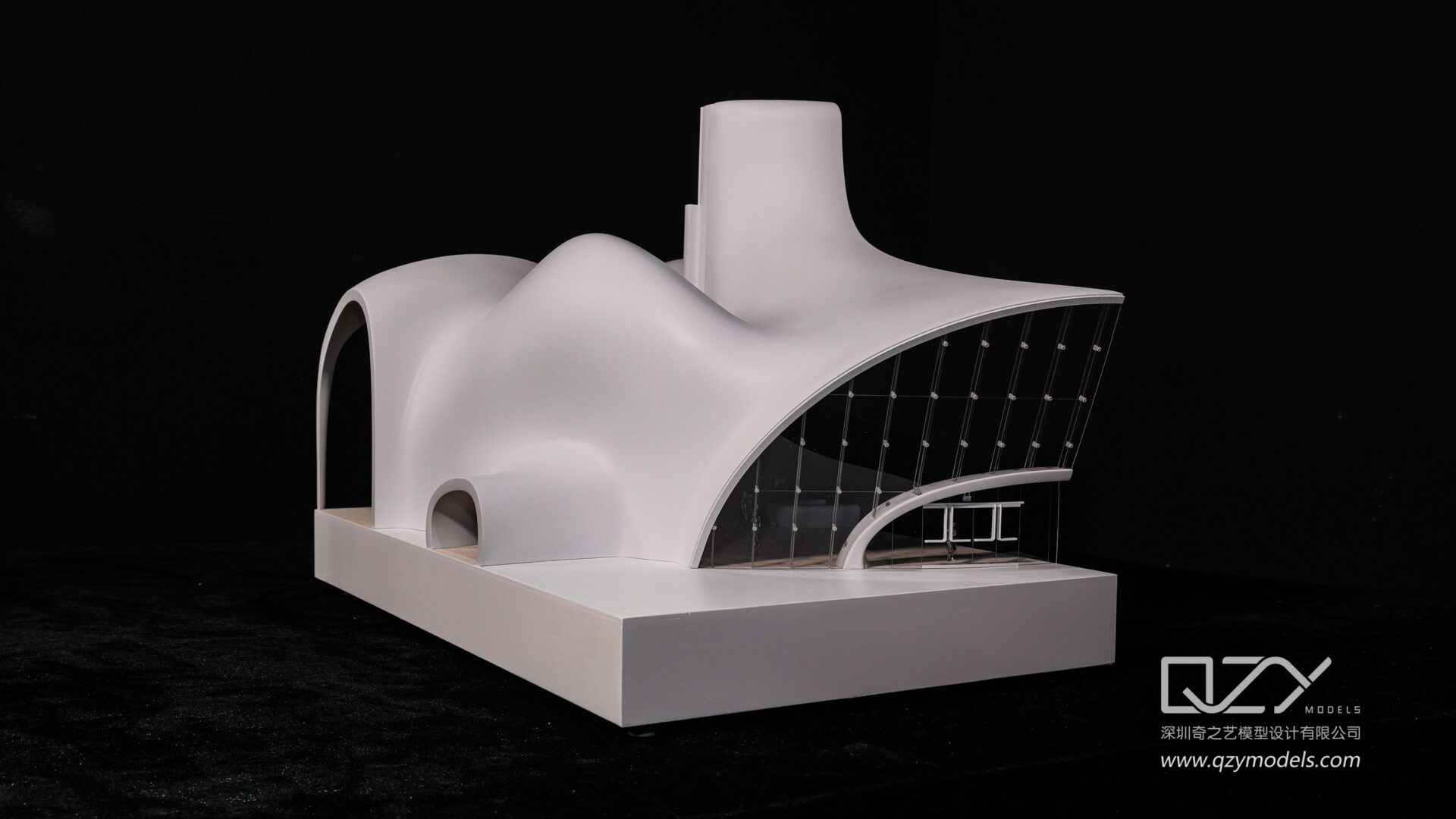
3D and physical models enhance sustainable interior design by allowing clients to visualize materials, functionality, and spatial layouts. QZY Models uses hybrid modeling, blending digital simulation with handcrafted detail, to ensure eco-compliance and design accuracy. These models facilitate informed decision-making, reduce material waste, and accelerate approval processes in commercial and residential projects.
QZY Models Expert Views
“Sustainability is central to our manufacturing philosophy at QZY Models. By combining precision engineering with eco-intelligent materials, we produce models that guide real-world architectural and interior projects. Every design reflects the balance between craftsmanship, environmental responsibility, and client vision, providing long-lasting, functional, and visually compelling solutions.”
Could Sustainable Design Increase Global Market Competitiveness?
Sustainable interior design strengthens global competitiveness by meeting certification standards, reducing operational costs, and enhancing brand reputation. Eco-conscious and multifunctional solutions attract premium buyers. Chinese factories now integrate material transparency, life-cycle documentation, and scalable OEM solutions into international projects, helping B2B clients differentiate in a competitive market.
Conclusion
Sustainable and multifunctional interior design in 2025 combines innovation, adaptability, and environmental responsibility. China, with leaders like QZY Models, demonstrates how precision manufacturing and green design can coexist to meet global demand. By integrating eco-friendly materials, modular systems, and smart planning, designers and developers can deliver functional, stylish, and future-ready spaces that align with international standards and client expectations.
FAQs
1. What sets Chinese sustainable manufacturers apart?
Advanced automation, material innovation, and OEM adaptability make them leaders in cost-effective, large-scale eco-friendly design.
2. How does multifunctional design benefit real estate developers?
It enhances space usability, increases property appeal, and improves ROI by supporting flexible living and working environments.
3. Are bamboo and engineered wood competitive for international projects?
Yes, their renewable properties, durability, and light weight make them cost-effective and sustainable for export.
4. Which industries use model manufacturing services?
Architecture, urban planning, design exhibitions, educational institutions, and interior design firms rely on both physical and digital modeling.
5. How can QZY Models support global clients?
QZY Models delivers end-to-end OEM model production, sustainable material consultation, and international shipping to over 20 countries.