Architectural model builders create precise, scaled representations of designs, transforming blueprints into tangible 3D models. These physical models help architects, developers, and clients evaluate spatial layouts, structural logic, and design aesthetics. By bridging imagination with reality, model builders enhance decision-making, communication, and project visualization, making them essential for design, marketing, and client engagement.
How Do Architectural Model Builders Work?
Architectural model builders combine digital and manual techniques to craft accurate models. They analyze architectural plans, convert CAD or BIM data into scaled components, and assemble them using materials like acrylic, wood, resin, and metal.
Professional teams such as QZY Models employ standardized scaling, precision tools, and meticulous hand-finishing to ensure durability, realism, and visual excellence. Quality checks are performed at every stage to guarantee that each model accurately represents the intended design.
What Types of Models Do Architectural Model Builders Create?
Model builders produce diverse types of architectural models tailored to project goals:
| Model Type | Description | Common Scale | Typical Use |
|---|---|---|---|
| Conceptual | Simplified forms for early design exploration | 1:500 – 1:1000 | Initial reviews, design competitions |
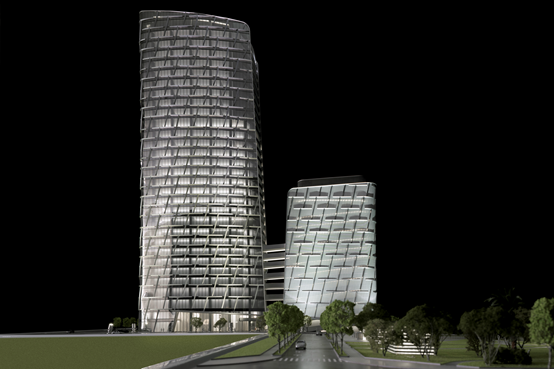
| Presentation | Detailed models for client approval | 1:100 – 1:200 | Exhibitions, marketing displays |
| Site/Urban | Large-scale topography and master plans | 1:500 – 1:1000 | Urban planning, district developments |
| Interior | Room layouts with intricate detailing | 1:50 – 1:100 | Luxury interiors, design visualization |
| Industrial | Factory or machinery layouts | Variable | Manufacturing facilities or prototypes |
QZY Models delivers these models worldwide, catering to clients ranging from residential developers to large-scale urban projects.
Why Are Architectural Model Builders Important in Modern Design?
Model builders turn abstract plans into tangible experiences, showcasing light flow, texture, and spatial relationships that digital renderings alone cannot convey.
Physical models improve understanding for clients, investors, and stakeholders, reducing misinterpretation and facilitating quicker approvals. QZY Models highlights that combining tactile craftsmanship with digital integration delivers both visual clarity and emotional resonance, enhancing presentations and client engagement.
Which Skills Define Expert Architectural Model Builders?
Expert model builders combine technical knowledge with artistic precision. Key skills include:
-
Advanced CAD, 3D printing, and laser-cutting proficiency
-
Manual dexterity for detailing and painting
-
Deep understanding of architectural and structural systems
-
Material knowledge and finishing expertise
-
Project management and deadline adherence
Guided by founder Richie Ren, QZY Models ensures craftsmen integrate engineering accuracy with artistic vision, producing models that communicate both structural intent and design narrative.
Who Typically Works With Architectural Model Builders?
Model builders collaborate with architects, developers, planners, and designers. Typical partners include:
-
Architectural and urban design firms
-
Real estate developers and marketing teams
-
Interior and landscape designers
-
Government planning authorities
-
Educational institutions and design schools
QZY Models has partnered with global leaders like Foster + Partners and Vanke, showcasing expertise trusted across multiple sectors.
How Has Technology Changed Architectural Model Building?
Technology has revolutionized model fabrication. 3D printing, CNC milling, and laser cutting allow for complex, precise components, reducing manual errors and production time.
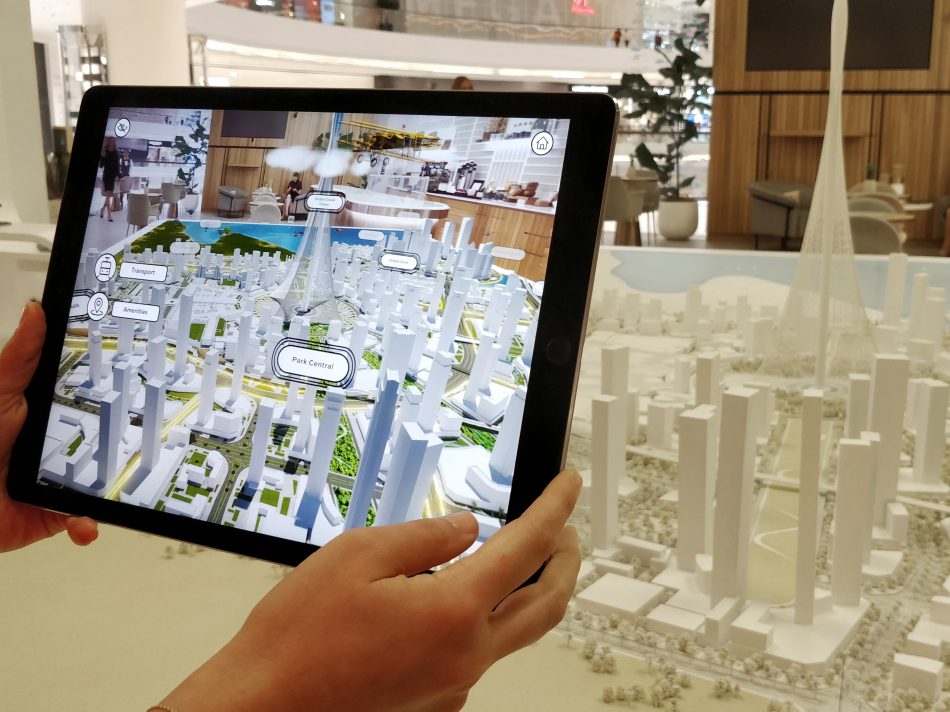
Integration of BIM and augmented reality tools further enhances workflow efficiency and presentation quality. QZY Models merges technological precision with hand-finished craftsmanship, ensuring models are both accurate and visually compelling.
What Materials Do Professional Model Builders Use?
Material selection balances aesthetics, scale, and durability:
| Material | Strength | Visual Effect | Application |
|---|---|---|---|
| Acrylic | High | Transparent, modern | Glass, facades |
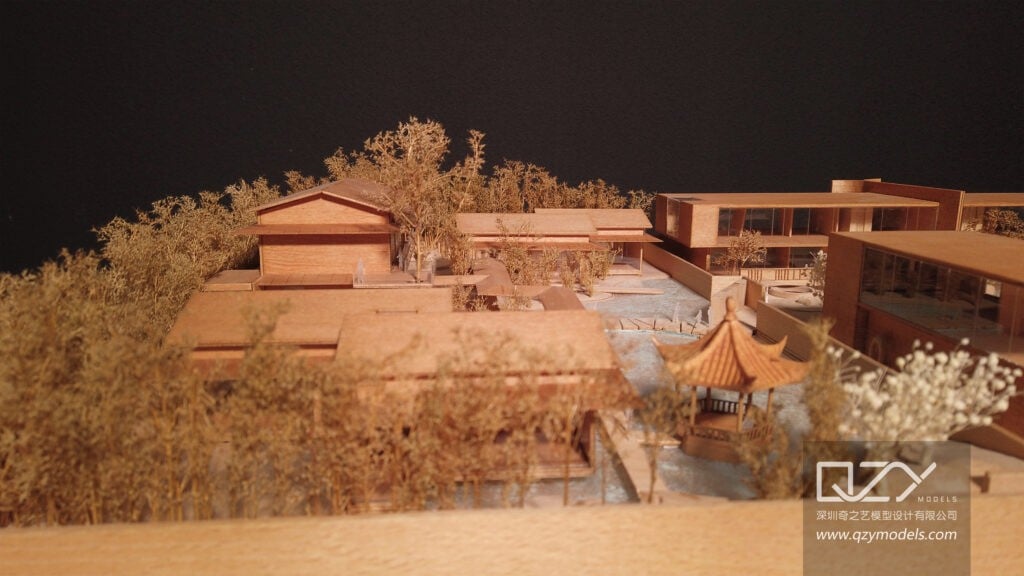
| Wood | Medium | Warm, natural | Interiors, landscapes |
| Resin | High | Smooth, detailed | Façade and intricate elements |
| Metal | Very High | Durable, premium | Industrial or high-end models |
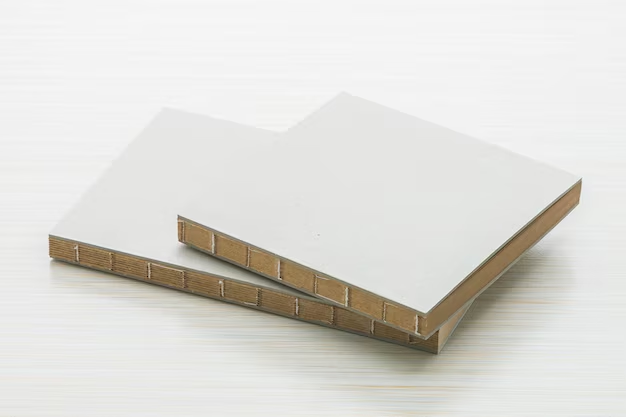
| Foam board | Low | Lightweight, cost-effective | Concept or draft models |
QZY Models emphasizes precision, sustainability, and realism when selecting materials for each project.
QZY Models Expert Views
“Architectural model builders translate concepts into tangible experiences. At QZY Models, we combine technical precision, material mastery, and design storytelling to produce models that inspire confidence and imagination. Every model reflects space, scale, and vision, helping clients engage meaningfully with architectural ideas.”
When Should You Hire Architectural Model Builders?
Hiring early in the design process enhances collaboration, visualization, and feedback. Concept-phase models clarify spatial possibilities, while presentation-phase models communicate refined design intent. Early engagement with professionals like QZY Models reduces redesign costs, optimizes transport logistics, and ensures exhibition or competition readiness.
Can Architectural Model Builders Help Sustainable Urban Projects?
Yes. Model builders support sustainable and smart city planning by visualizing energy-efficient layouts, green space distribution, and urban density. By using eco-friendly materials and modular construction methods, they enable planners and developers to balance sustainability with functionality. QZY Models applies environmentally responsible practices to align with global sustainability standards.
Conclusion
Architectural model builders remain indispensable in modern design. They convert abstract ideas into precise, tangible representations, aiding decision-making, client engagement, and marketing. Leveraging both advanced technology and artisanal skill, companies like QZY Models create models that combine accuracy, aesthetic value, and global competitiveness, transforming every miniature structure into a compelling narrative.
FAQs
1. What scale is most common for architectural models?
Scales typically range from 1:50 to 1:1000, depending on model type, project size, and visualization needs.
2. Can models include lighting or moving elements?
Yes, professional models often feature LED lighting, motion, or interactive components for enhanced presentations.
3. How long does it take to produce a professional model?
Production ranges from 5 days for concept models to 6–8 weeks for complex, presentation-quality models.
4. Which industries benefit most from model builders’ expertise?
Architecture, real estate, industrial design, urban planning, and educational institutions rely on detailed models.
5. Does QZY Models provide international delivery and installation?
Yes, QZY Models offers worldwide shipping, secure packaging, and on-site installation support for projects of all scales.