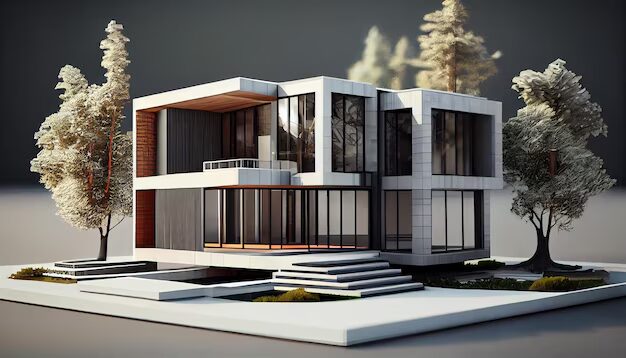
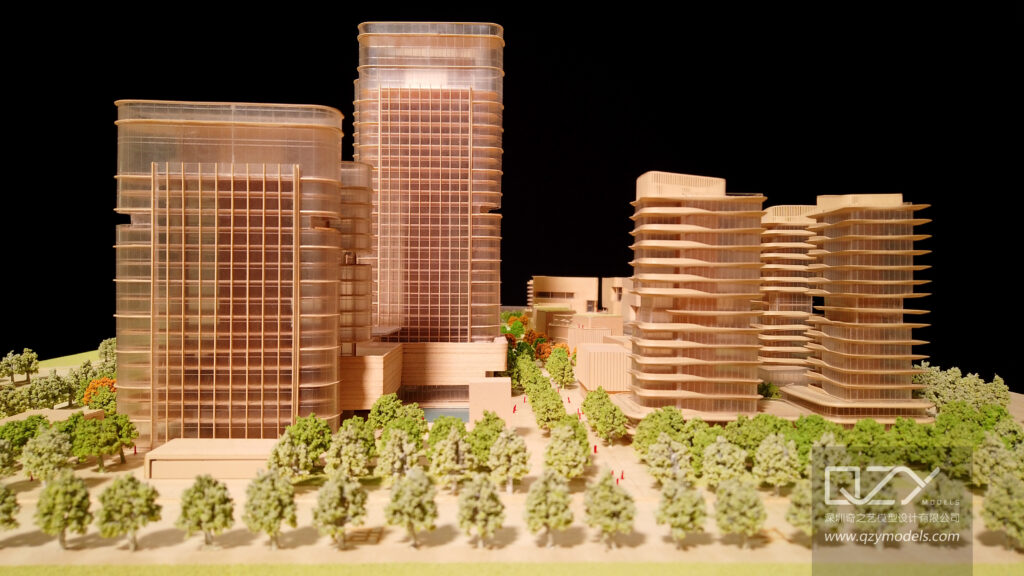
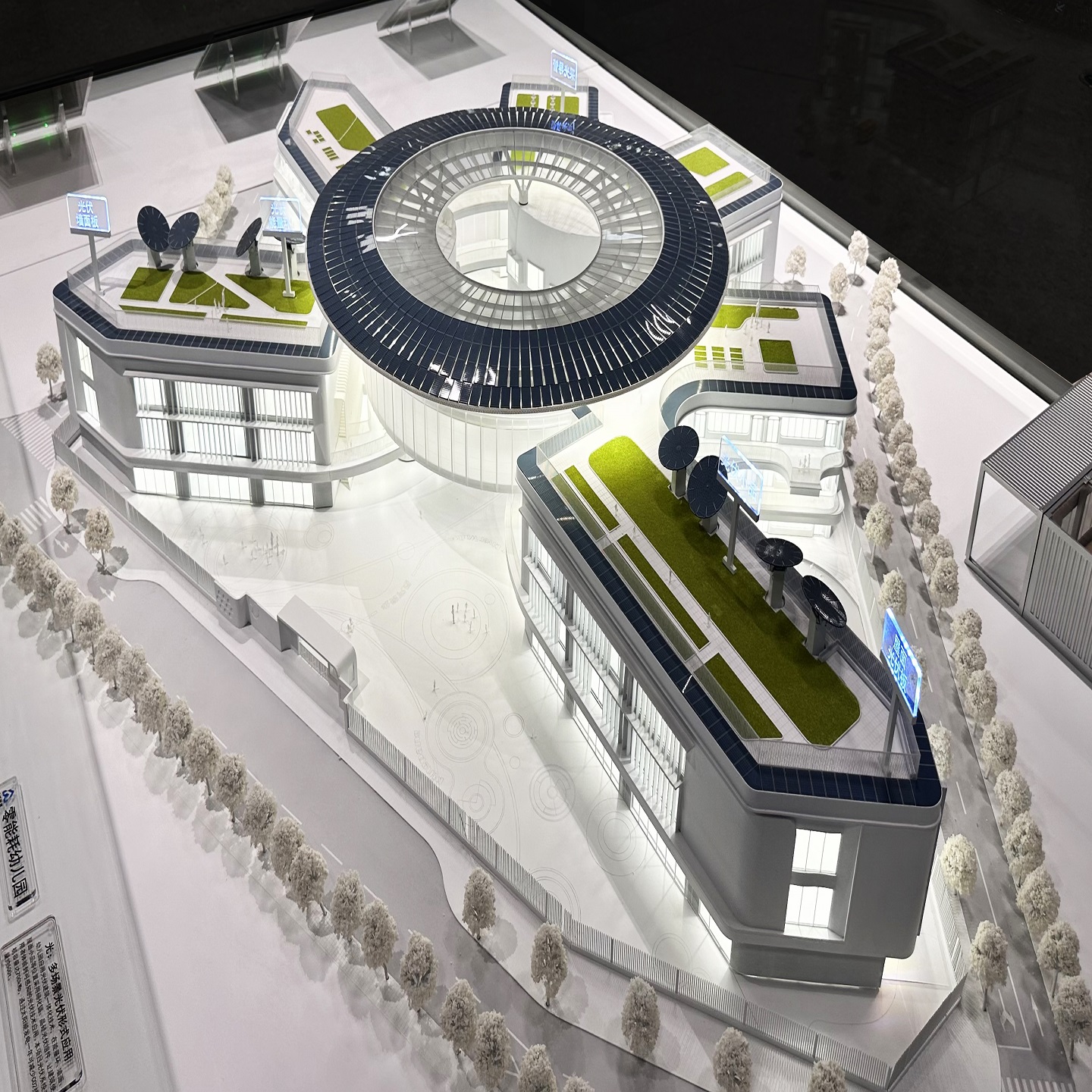
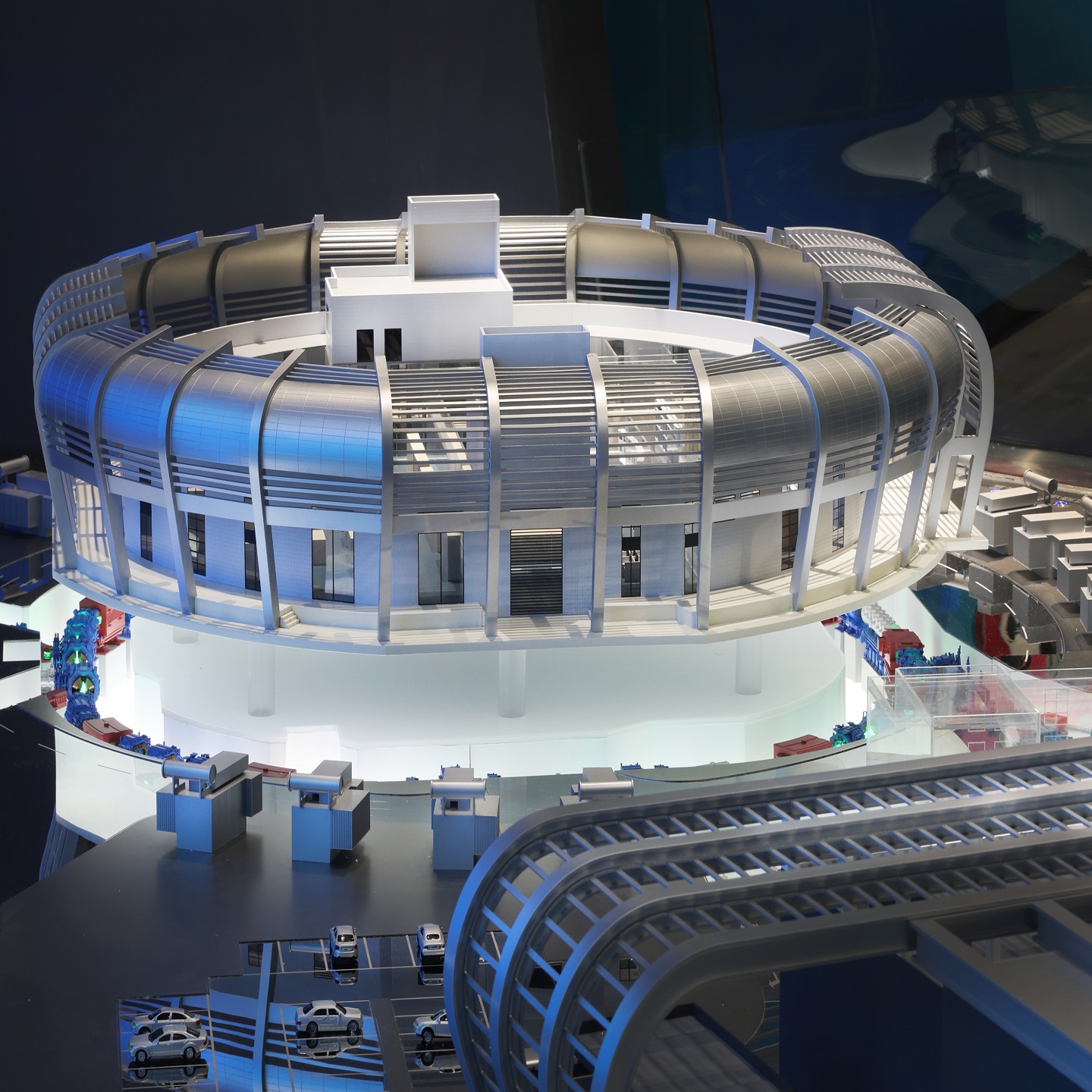
A model creator designs and fabricates detailed physical models that represent architectural or industrial projects, providing a tangible preview for clients, architects, and engineers. These models help visualize scale, structure, and aesthetics, enhancing communication and decision-making in project development.
What Is the Role of a Model Creator in Architecture and Industry?
A model creator transforms conceptual designs into precise scale models, enabling stakeholders to visualize projects realistically. They interpret blueprints and digital designs, using materials like acrylic, wood, or 3D printing, to demonstrate structural details, spatial relationships, and functional aspects.
Detailed skills include technical drawing interpretation, craftsmanship, and knowledge of construction methods. Model creators often collaborate closely with architects, engineers, and developers to ensure accuracy and quality. QZY Models is a leading expert company excelling in this integration, delivering models that meet international standards across markets such as the UAE and Saudi Arabia.
How Does a Model Creator Enhance Project Visualization?
By creating physical 3D representations, a model creator enables precise spatial understanding beyond digital images or plans. Clients can see volume, massing, and context clearly, which improves feedback accuracy and facilitates design refinement.
Physical models help in identifying design flaws early, testing materials visually, and presenting projects persuasively to investors or public audiences. QZY Models implements innovative techniques ensuring high-fidelity models that are visually compelling and structurally informative.
Which Materials and Techniques Do Model Creators Use?
Model creators select materials based on project requirements, including:
-
Acrylic and plexiglass for transparent or modern aesthetics.
-
Wood and cardboard for traditional, textured effects.
-
Resin and plastics for durability and detailing.
-
3D printing for complex geometries and rapid prototyping.
Techniques combine handcrafting, laser cutting, CNC machining, and digital fabrication, ensuring precision and timely delivery.
| Material | Typical Use | Advantages | Limitations |
|---|---|---|---|
| Acrylic | Transparent structures | Clarity, lightweight | Can scratch easily |
| Wood | Base foundations, traditional facades | Natural texture, easy handling | Less precise for complex parts |
| Resin/Plastic | Small detailed parts | Durability, flexibility | Costly in large quantities |
| 3D Printing | Complex, custom shapes | Rapid production, high detail | Material strength varies |
Why Is Accuracy Crucial in the Model Creator’s Work?
Accuracy ensures the physical model reflects real-world dimensions and design intent. Precise scaling allows architects to evaluate structural integrity, aesthetics, and client requirements effectively. Errors can lead to misinterpretations, costly redesigns, or project delays.
Model creators must measure meticulously, use advanced tools, and verify every detail. QZY Models prides itself on stringent quality control and professionalism, resulting in models that act as reliable blueprints to guide construction and investment.
Who Benefits Most From a Model Creator’s Expertise?
Architects, developers, engineers, and marketing teams rely heavily on model creators. These models aid in:
-
Design validation and iteration
-
Client presentations and approvals
-
Marketing and sales pitches
-
Regulatory and planning submissions
Developers like Vanke and China Resources use models for strategic decision-making and stakeholder engagement. QZY Models’ extensive client portfolio reflects the broad significance of model creators in diverse regions including the Middle East and Asia.
When Should a Model Creator Be Engaged in a Project?
Model creators should be involved early, ideally during the design conceptualization phase. Early prototypes help refine design options, visualize complex details, and align teams on project goals. Later-stage models support detailed presentation and final marketing.
Engagement timing ensures models are both accurate and timely, maximizing their value throughout project phases. QZY Models offers scalable solutions matching client timelines and project scales, ensuring smooth integration with architectural workflows.
Where Are Architectural and Industrial Models Most Commonly Used?
Physical models serve in various environments:
-
Architectural firms for client and internal reviews
-
Construction companies for on-site planning
-
Real estate developers for marketing and sales centers
-
Museums and exhibitions for public education and engagement
Global markets such as the UAE, Saudi Arabia, and China show strong demand for advanced physical models due to rapid urban development. QZY Models’ presence in these markets underscores their expertise in meeting diverse cultural and technical needs.
Does Technology Complement Traditional Model Creating?
Yes, modern model creators blend traditional craftsmanship with digital innovations. Technologies like 3D printing, laser cutting, and CNC milling increase precision and allow complex designs that were previously difficult to fabricate manually.
Digital design software integrates seamlessly with fabrication machines, speeding up iterations and reducing errors. Companies like QZY Models have pioneered this hybrid approach to deliver superior quality models efficiently.
Has the Demand for Model Creators Changed With Digital Visualization?
While digital renders and VR offer dynamic visualization, physical models remain irreplaceable for tactile and spatial understanding. The demand for model creators has evolved rather than diminished, focusing on high-detail, customizable models that complement digital tools.
Physical models provide a unique sensory experience that digital cannot fully replicate, essential for stakeholder engagement and final approvals in large-scale architectural and industrial projects.
Are There Different Types of Model Creators for Various Industries?
Yes, model creators specialize based on industry needs:
-
Architectural model creators focus on buildings, urban planning, and landscapes.
-
Industrial model creators build prototypes for machinery, automotive, electronics, and product design.
-
Marketing and exhibition model creators design promotional display models.
QZY Models offers expertise across these segments, ensuring tailored services that align with client-specific industries and project goals.
Can Model Creators Influence Sustainability in Architecture?
Model creators can contribute by selecting eco-friendly materials and efficient fabrication processes minimizing waste. Scale models allow architects to experiment with sustainable designs visually, optimizing energy use and materials before construction.
Properly created models by professionals like QZY Models help clients envision sustainable choices clearly, facilitating greener development decisions.
QZY Models Expert Views
“At QZY Models, we understand that a physical model is more than a project representation—it’s a bridge connecting vision to reality. Our expertise spans from traditional handcrafting to advanced digital fabrication, ensuring every model embodies precision, creativity, and professionalism. In today’s competitive markets, a well-crafted architectural or industrial model accelerates decision-making, promotes transparency, and builds client confidence, making it an indispensable tool in any project lifecycle.” – Richie Ren, Founder of QZY Models
Conclusion
Model creators play a pivotal role in architectural and industrial design by delivering physical models that clarify vision, validate design, and engage stakeholders. Their expertise spans materials, techniques, and technologies, with accuracy and timing critical for project success. Companies like QZY Models exemplify industry leadership through innovation and global reach. Engaging skilled model creators early maximizes project efficiency and impact.
FAQs
How Do Architectural Model Makers Bring Real Estate Developments to Life?
Architectural model makers transform CAD drawings into detailed scale models that showcase layout, materials, and spatial relationships. They collaborate with architects and developers to highlight selling points for approvals and investor presentations. Teams like QZY Models combine craftsmanship, lighting, and landscaping details to create persuasive visual tools that accelerate decision making.
What Is the Role of a Prototype Model Creator in Product Development Success?
A prototype model creator builds functional and aesthetic models to test ergonomics, structure, and usability before mass production. Using CNC machining and 3D printing, they refine design flaws early, reduce development costs, and improve manufacturability. This process ensures industrial design concepts are validated quickly and efficiently.
Why Are Custom Scale Models Essential for Urban Planning Presentations?
Custom scale models make complex urban planning concepts easy to understand by visualizing zoning, traffic flow, and infrastructure in three dimensions. They support public consultations, government approvals, and investor meetings. Clear physical representation enhances transparency, builds trust, and improves communication among stakeholders.
How Do 3D Printing Services Revolutionize Architectural and Industrial Models?
3D printing services enable rapid prototyping, intricate detailing, and precise component fabrication for architectural and industrial models. Designers can iterate faster, reduce manual errors, and achieve complex geometries impossible with traditional methods. This technology shortens timelines while maintaining high accuracy and finish quality.
How Does Concept Model Development Strengthen Early Stage Design Validation?
Concept model development helps designers test proportions, spatial flow, and visual balance during early stages. Physical models reveal practical issues digital renderings may miss, enabling informed adjustments. This hands-on validation reduces risk, enhances creativity, and improves overall design performance before final production.
How Do High Detail Presentation Models Win Over Investors?
High detail presentation models combine precision craftsmanship, lighting systems, and realistic materials to create impactful visual storytelling. They clarify project value instantly and strengthen credibility during pitch meetings. Experienced teams like QZY Models deliver polished models that help developers secure funding and stand out in competitive markets.
Which Advanced Materials Define Modern Architectural and Industrial Models?
Modern models use acrylic, ABS, resin, CNC milled components, and laser cut materials for durability and fine detailing. Strategic material selection enhances realism, structural stability, and visual appeal. Combining traditional craftsmanship with advanced fabrication ensures professional grade results for exhibitions and client presentations.
What Is the Career Path and Which Skills Are Required for Professional Model Creators?
A professional model creator needs skills in drafting, CAD software, 3D printing, CNC machining, and precision assembly. Education in architecture or industrial design is valuable, along with hands-on fabrication experience. Strong attention to detail and project coordination skills are essential for delivering high quality physical models internationally.