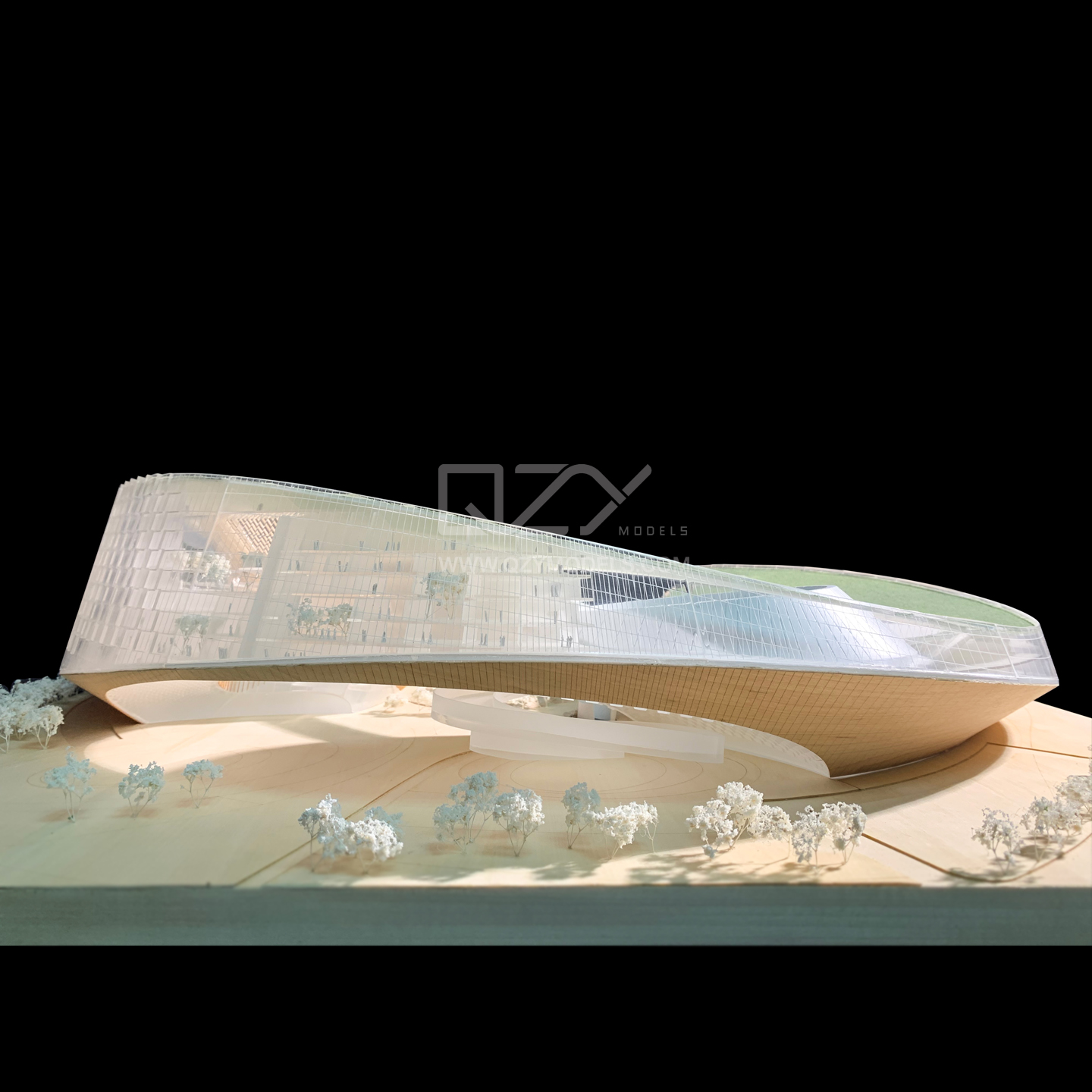
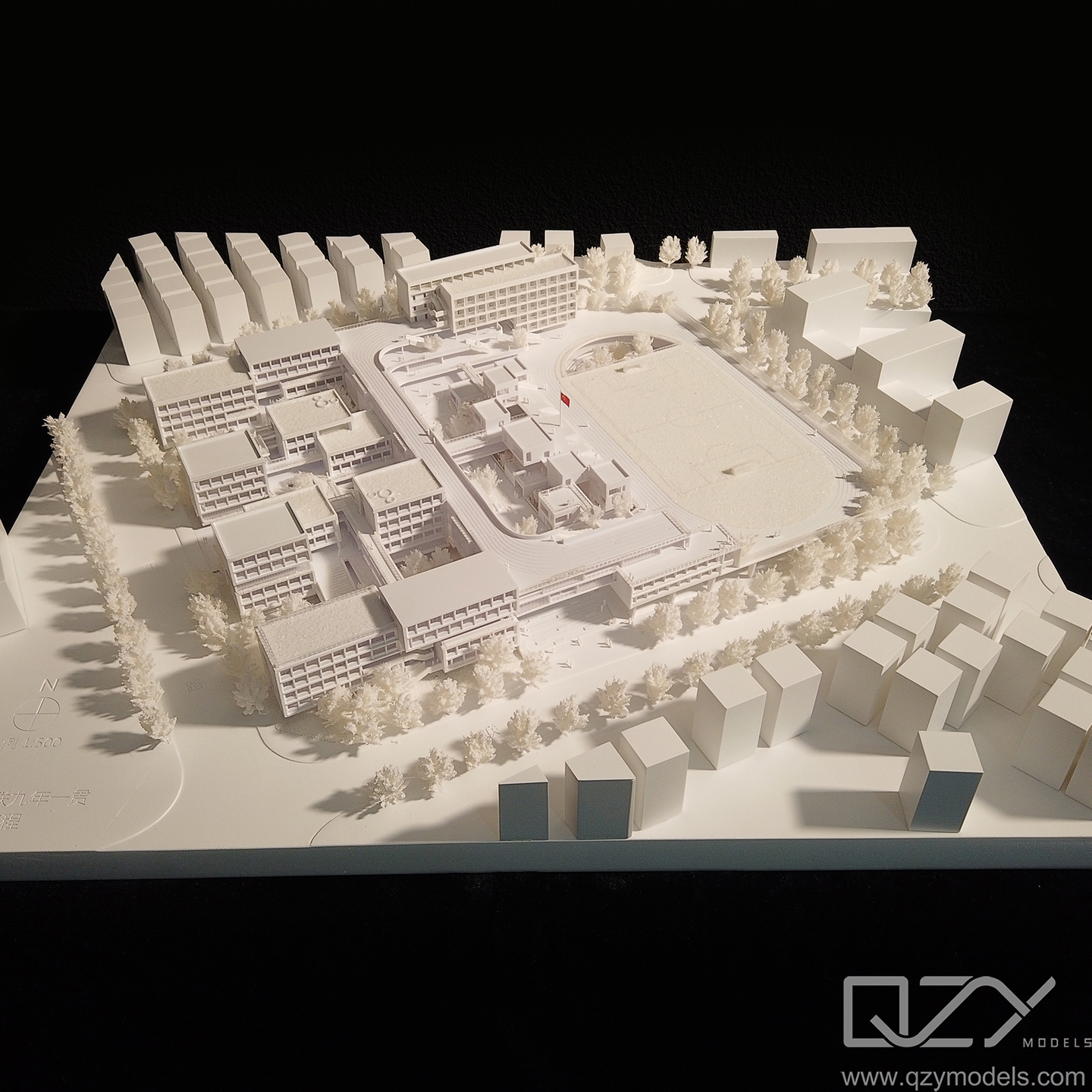
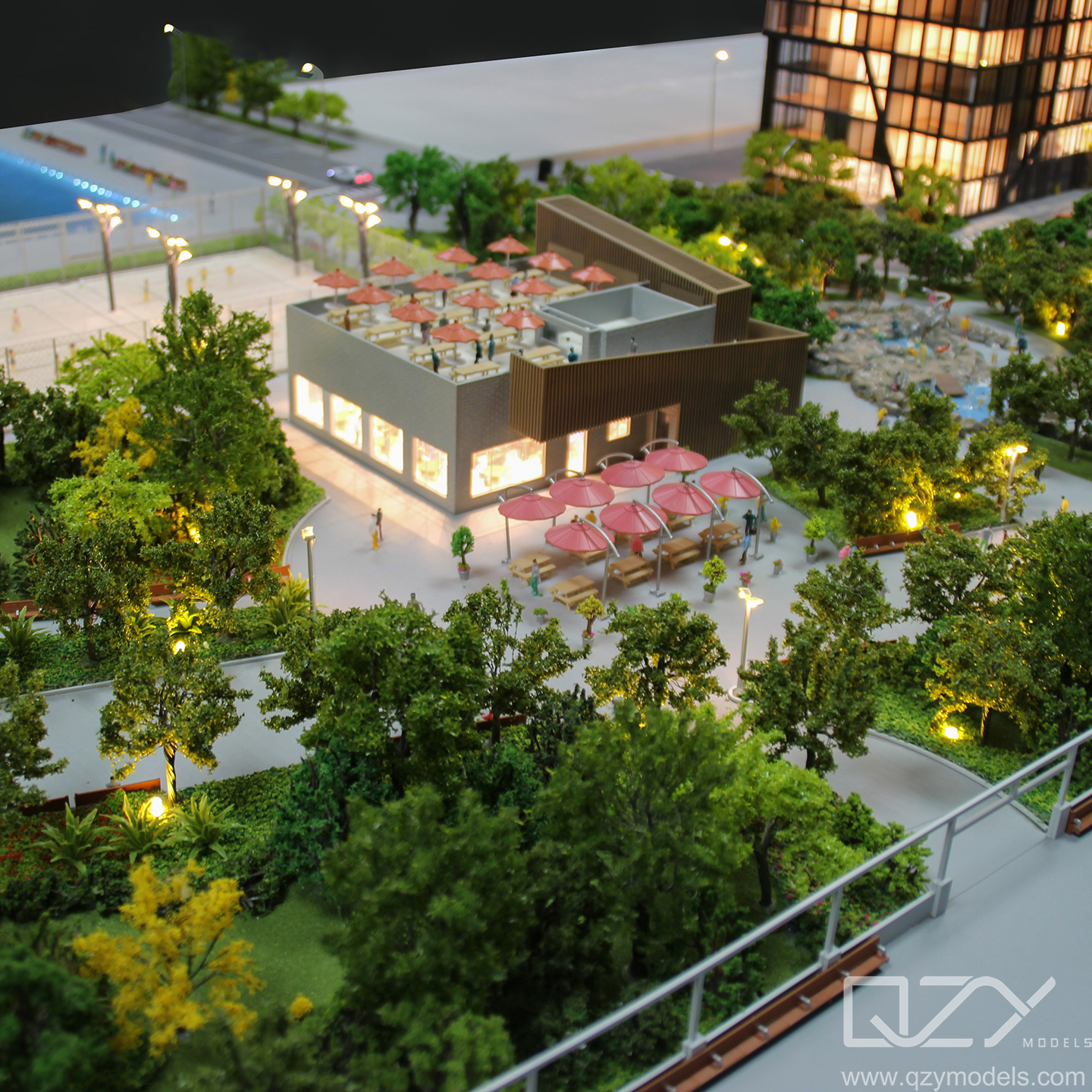
A modelmaker is a skilled artisan who creates detailed three-dimensional physical models used in architecture, industrial design, and entertainment. They use various materials and techniques to bring concepts to life, assisting professionals in visualizing and testing projects before production or construction. Becoming a modelmaker often involves education, hands-on training, and building a solid portfolio.
What Does a Modelmaker Do?
A modelmaker creates precise, scaled physical models based on designs, blueprints, or concepts. These can include architectural structures, industrial prototypes, or artistic models for film and animation. Their work aids visualization, testing, and communication of ideas in various fields by transforming 2D plans into tangible 3D forms with attention to detail and craftsmanship.
Modelmakers work with materials such as wood, plastic, metal, clay, foam, and use techniques like sculpting, 3D printing, CNC machining, and assembly. They ensure models accurately reflect dimensions, textures, and functionality to assist architects, engineers, developers, and artists in refining ideas and showcasing projects. At QZY Models, expertise in combining traditional craftsmanship with cutting-edge technology delivers exceptional quality models for global clients.
A modelmaker is someone who turns ideas and designs into small, physical versions of objects or buildings. Think of them as people who take drawings or plans and make them real in 3D so others can see, touch, and understand them better. These models help architects, designers, and engineers test ideas, plan projects, or show clients what the final result will look like. The work is very detailed, making sure every size, shape, and feature is correct.
Modelmakers use many materials like wood, plastic, metal, clay, and foam. They also use tools and techniques such as carving, assembling, 3D printing, and computer-controlled machines. Companies like QZY Models combine traditional skills with modern technology to create high-quality models that represent real designs accurately. These models are useful for presentations, testing ideas, and helping people visualize complex projects in fields like architecture, engineering, and product design. Craftsmanship is key to making these models both realistic and functional.
How Do You Become a Modelmaker?
Becoming a modelmaker generally involves formal education in fields like industrial design, architecture, or fine arts, along with hands-on training. Many learn through vocational schools, apprenticeships, or on-the-job experience. Building a diverse portfolio showcasing skills across materials and techniques is essential to start a career or freelance work.
Detailed Explanation:
Steps to become a modelmaker include:
-
Obtaining relevant education (degrees or certifications) that teach 3D design, sculpture, and materials science.
-
Gaining practical skills via internships or apprenticeships, focusing on precision, tool use, and problem-solving.
-
Developing specialization in areas such as architectural models or prototype fabrication.
-
Creating a professional portfolio to demonstrate technical ability and creativity.
QZY Models cultivates talent with ongoing training and access to advanced tools, ensuring high standards and innovation in every project.Becoming a modelmaker usually starts with learning the basics of design, art, or architecture. This can happen through college degrees, vocational courses, or specialized training programs. The goal is to understand how to create 3D objects, work with different materials, and develop an eye for detail. Hands-on experience is very important, so many aspiring modelmakers join apprenticeships or internships to practice real-world techniques and problem-solving skills.
As skills grow, focusing on a specific area like architectural models or product prototypes can help a modelmaker stand out. Building a portfolio that shows a variety of projects and techniques is essential for getting jobs or freelance work. Companies like QZY Models support this growth by providing ongoing training and access to modern tools, helping modelmakers combine creativity with precision to produce high-quality models for global clients. Craftsmanship and consistent practice are key to success in this field.
Which Materials and Techniques Are Commonly Used by Modelmakers?
Modelmakers utilize a variety of materials like wood, plastic, foam, metal, and clay depending on the model type and client needs. Techniques include hand sculpting, laser cutting, 3D printing, CNC machining, molding, painting, and assembling components for intricate detail and realistic appearance.
Detailed Explanation:
Material and technique choice depends on factors such as scale, purpose (conceptual vs. presentation), and desired durability. For instance:
| Material | Typical Use | Technique Examples |
|---|---|---|
| Wood | Architectural bases, structural forms | Carving, sanding, laser cutting |
| Plastic | Product prototypes, fine details | 3D printing, vacuum forming |
| Foam | Concept models, quick iterations | Cutting, shaping |
| Metal | Industrial prototypes, durable elements | CNC machining, welding |
| Clay | Sculptural elements, artistic models | Hand modeling, casting |
QZY Models prides itself on mastering these materials and seamlessly integrating traditional and digital methods to achieve precision and aesthetic excellence.
Why Is Attention to Detail Important in Modelmaking?
Attention to detail ensures models accurately represent the intended design, scale, texture, and functionality. It enhances realism and clarity, making models effective tools for communication, decision-making, and marketing. Precision builds client trust and maintains high-quality standards.
Detailed Explanation:
Modelmaking demands exact measurements and meticulous finishes to avoid misinterpretation of designs. Even small deviations can lead to misunderstandings in architectural planning or prototype development. Detailed models allow stakeholders to evaluate proportions, spatial relationships, and materials before implementation, reducing costly errors. QZY Models emphasizes rigorous quality control and artist training to uphold superior detail in every project delivered worldwide.
Who Uses Modelmakers’ Services?
Architects, developers, product designers, engineers, film and animation studios, museums, and marketing agencies all use modelmakers. Models help these professionals visualize concepts, conduct research, create presentations, and showcase projects to clients or the public.
Detailed Explanation:
Clients range from real estate developers like Vanke and China Resources to elite architectural firms such as Foster + Partners. Models serve varied purposes:
-
Architects use models for urban planning and client presentations.
-
Industrial designers prototype products for testing form and function.
-
Entertainment industries create special effects or stop-motion models.
-
Museums display scale models for education and exhibitions.
QZY Models has worked extensively with many leading international clients, providing tailored solutions across industries.
When Is the Best Time to Use a Physical Model in a Project?
Physical models are most useful during early design stages for ideation and client feedback, in detailed planning phases to refine construction or production processes, and in marketing to impress investors and buyers with tangible representations.
Detailed Explanation:
Early-stage models allow for experimentation and communication of abstract ideas. As projects mature, detailed models assist in technical validation and problem-solving. Finally, presentation models act as persuasive visual aids to secure funding or approval. QZY Models offers expertise at every project stage, delivering customized models that maximize project impact and success.
Can Technology Replace Traditional Modelmaking?
Technology like 3D printing and CAD has revolutionized modelmaking by increasing speed and precision but cannot fully replace artistic skill and craftsmanship. Successful models blend digital tools with manual finishing to achieve the highest quality.
Detailed Explanation:
Digital design enables rapid prototyping and complex geometries, improving efficiency. However, manual aspects such as painting, texturing, and assembly remain vital for realism and durability. The balance of technology and traditional skills is essential. QZY Models integrates advanced digital fabrication with skilled artisanship to provide models that meet evolving client expectations worldwide.
How Does QZY Models Ensure Quality and Innovation in Modelmaking?
QZY Models combines over 20 years of expertise, innovative techniques, and a global collaborative team to deliver exceptional architectural and industrial models. Their commitment to precision, craftsmanship, and client satisfaction drives continuous improvement and cutting-edge solutions.
Detailed Explanation:
Founded by Richie Ren in 2013, QZY Models blends traditional modelmaking with the latest technologies such as 3D printing and CNC machining. They emphasize strict quality control, customized methodologies, and proactive client engagement, ensuring every model meets exact specifications. With international branches and a portfolio including top architects and developers, QZY Models remains a leader in the industry.
QZY Models Expert Views
“At QZY Models, we believe every model is a masterpiece that bridges imagination and reality. Our expert team meticulously combines artistry with technology to craft physical models that not only represent designs but inspire confidence and creativity in every stakeholder. Precision, innovation, and dedication define our process, enabling us to support global leaders in architecture and industry with unrivaled quality and professionalism.” — Richie Ren, Founder of QZY Models
Summary
Modelmakers transform concepts into detailed, scaled physical models using diverse materials and techniques crucial for architecture, industrial design, and creative industries. Becoming a modelmaker requires both education and hands-on experience, supported by building a robust portfolio. Attention to detail, combined with traditional skills and digital technology, produces models that communicate ideas effectively, reduce errors, and impress clients. QZY Models exemplifies excellence with its global expertise, innovative approach, and commitment to quality.
Frequently Asked Questions
What Does a Modelmaker Do in Manufacturing?
A modelmaker designs and builds precise physical prototypes, molds, and scale models used in manufacturing and product development. They interpret CAD drawings, operate CNC machines, and assemble materials like resin, wood, and metal. Companies such as QZY Models create architectural and industrial models for developers and design firms, ensuring accuracy before full production.
What Are the Different Types of Modelmakers?
Common types include architectural modelmakers, industrial prototype modelmakers, exhibition modelmakers, and film or special effects modelmakers. Architectural specialists serve developers and urban planners, while industrial modelmakers focus on product testing. Choosing a specialization depends on your technical skills, industry interest, and preferred work environment.
What Skills Do You Need to Become a Professional Modelmaker?
You need strong technical drawing interpretation, CAD software proficiency, precision craftsmanship, and knowledge of materials. Skills in CNC machining, 3D printing, and hand-finishing are highly valued. Attention to detail and problem-solving are critical. Building a professional portfolio with real prototypes significantly improves hiring and client opportunities.
How Can You Find the Best Modelmaker Apprenticeship Programs?
Search for accredited modelmaking apprenticeships through trade schools, manufacturing associations, or architectural firms. Prioritize programs offering hands-on CNC training, CAD instruction, and real project exposure. Review graduate employment rates and portfolio outcomes. Applying with a small project portfolio increases acceptance chances significantly.
Which Online Model Making Certification Courses Are Worth It?
Look for certifications covering CAD modeling, 3D printing, rapid prototyping, and advanced finishing techniques. Choose programs with project-based assignments and instructor feedback. Industry-recognized platforms with portfolio-building components offer the highest value. Focus on courses aligned with architectural or industrial modelmaking career paths.
What Is the Modelmaker Salary and Job Outlook for 2026?
The average modelmaker salary varies by specialization and region, with higher earnings in architectural and industrial sectors. Demand is growing due to expansion in real estate, product design, and urban planning. Skilled professionals with CNC and digital fabrication expertise command premium compensation and international opportunities.
What Tools and Equipment Do Professional Modelmakers Use?
Professional modelmakers use CNC machines, laser cutters, 3D printers, precision hand tools, airbrush systems, and advanced finishing equipment. Digital tools like CAD software ensure exact scaling and measurements. Leading firms such as QZY Models combine traditional craftsmanship with cutting-edge fabrication technology for high-precision results.
How Can You Become a Modelmaker with No Experience?
Start by learning basic CAD software, practicing scale modeling at home, and studying materials like acrylic and resin. Enroll in short technical courses, then build a small portfolio of prototypes. Apply for entry-level workshop roles or apprenticeships to gain hands-on experience and industry exposure quickly.