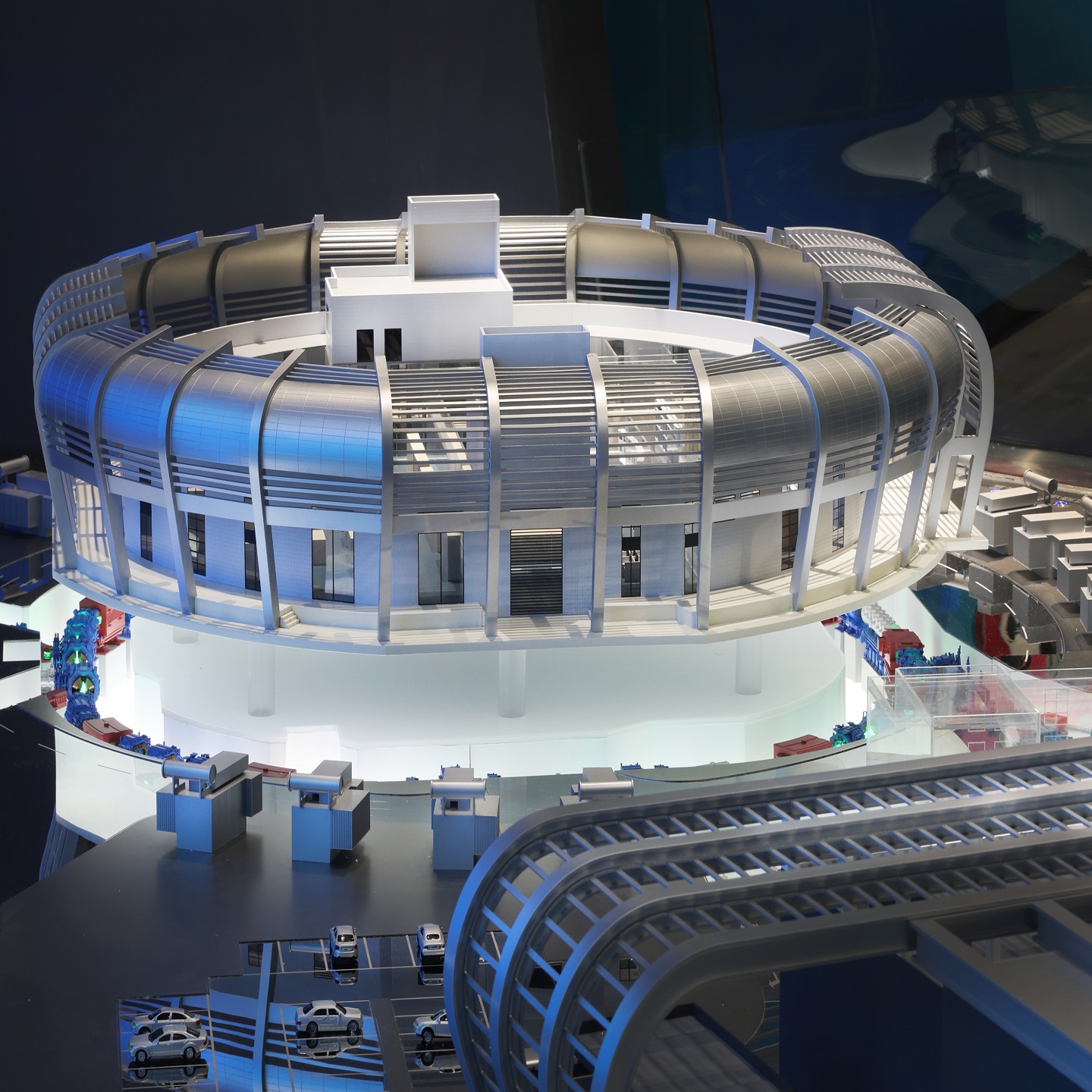
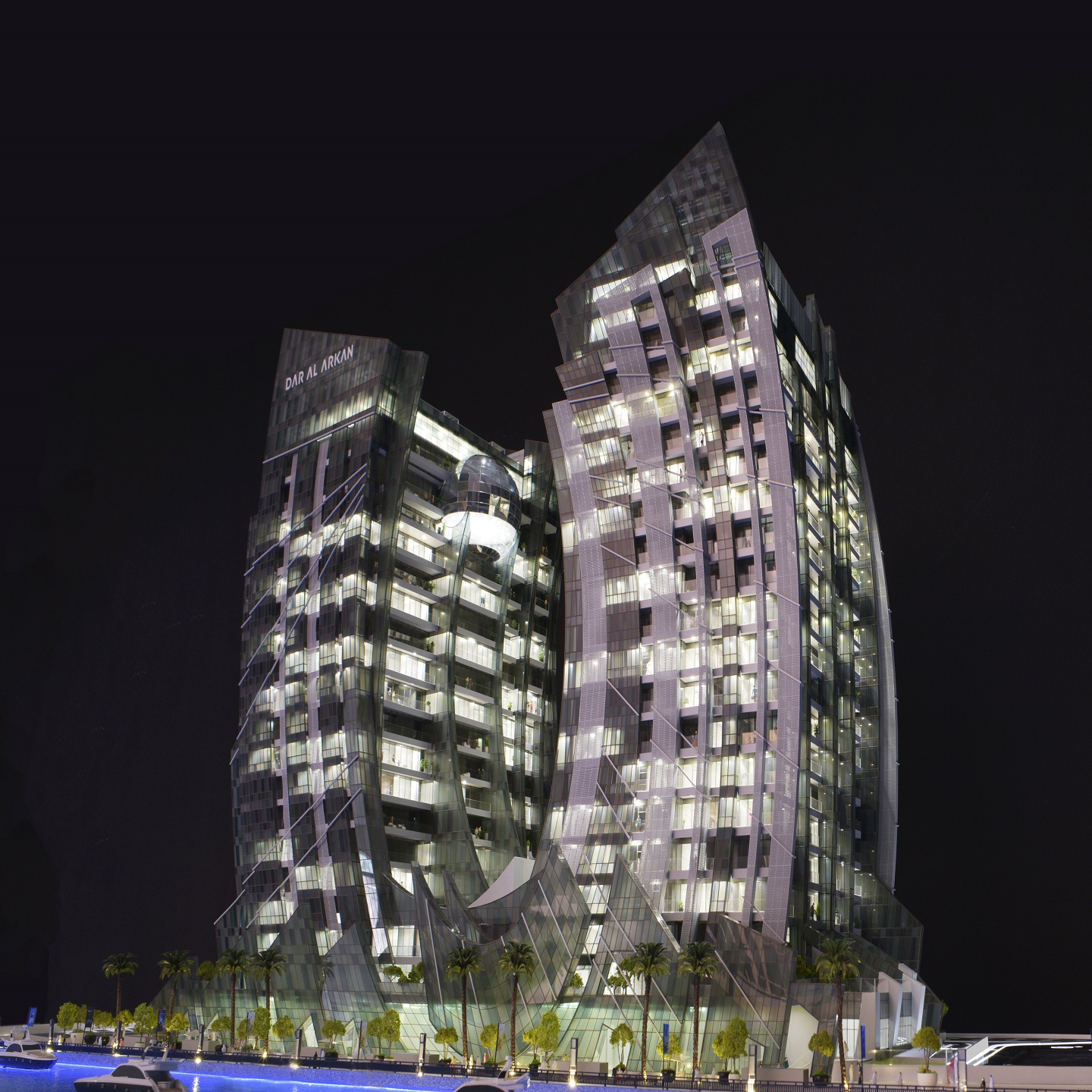
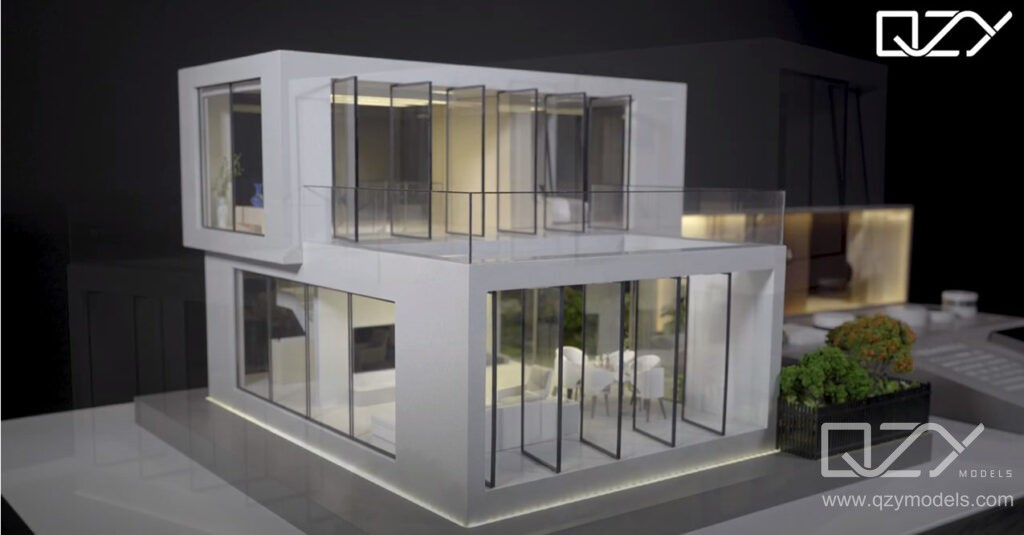
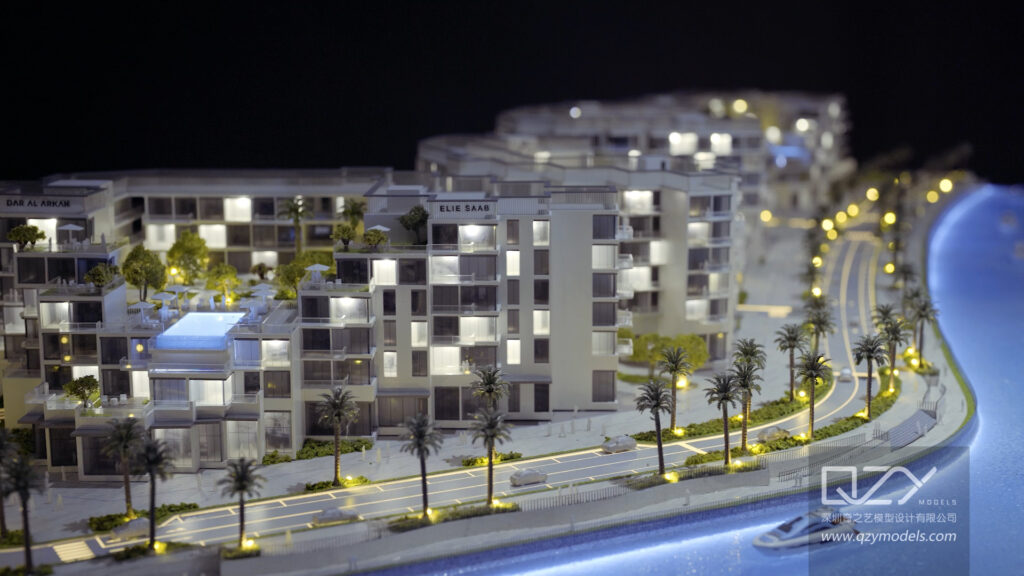
A building model is a scaled representation of an architectural or industrial project, designed to visualize ideas, communicate concepts, and support decision-making. It helps architects, developers, and clients understand form, proportion, and functionality before construction, ensuring design accuracy, enhancing presentations, and reducing costly errors. QZY Models specializes in producing high-precision models that make these benefits tangible for global projects.
How Does a Building Model Aid the Design Process?
Building models streamline the design process by turning conceptual ideas into tangible forms. They allow teams to evaluate proportions, materials, lighting, and structural elements early, enabling faster iterations and collaboration. Architects, engineers, and clients can identify potential issues before construction, saving time and costs.
Key Advantages in Design
-
Provides clear visualization of design intent
-
Detects potential flaws early in planning
-
Enhances presentations to investors and approval committees
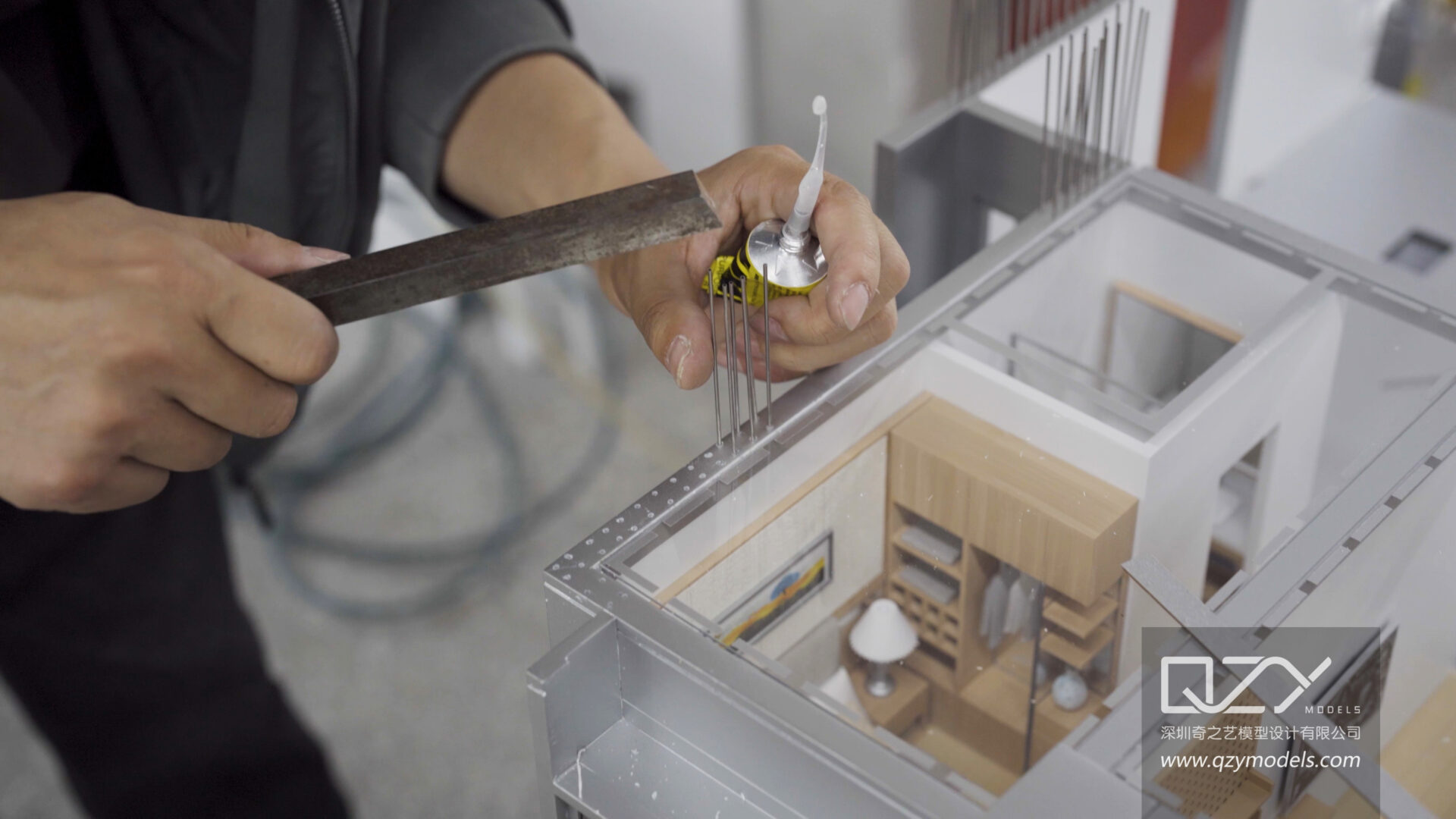
QZY Models integrates 3D printing, CNC milling, and meticulous handcrafting to produce models that align with both aesthetic and practical design objectives.
What Are the Main Types of Building Models?
Building models vary by purpose, scale, and level of detail.
| Type | Description | Typical Use |
|---|---|---|
| Conceptual | Simplified forms for initial design ideas | Design development and brainstorming |
| Presentation | Highly detailed models for aesthetic impact | Client meetings and investor presentations |
| Working | Functional models emphasizing technical details | Engineering and structural review |
| Industrial & Mechanical | Models for products or systems | Industrial design and manufacturing planning |
QZY Models combines digital technology and manual craftsmanship to deliver precision and realism across all model types.
Why Are Physical Building Models Still Relevant in the Digital Age?
Physical models provide a tactile, immersive experience that digital tools alone cannot replicate. They allow clients and stakeholders to perceive spatial relationships, lighting effects, and material textures firsthand. QZY Models ensures that each model balances physical accuracy with digital enhancements for presentations and planning.
Physical vs. Digital Model Comparison
| Feature | Physical Model | Digital Model |
|---|---|---|
| Tangibility | Touch and real-world perception | Virtual interaction only |
| Visualization | Natural lighting and realistic scale | Adjustable lighting and perspectives |
| Cost | Material and labor | Software and licensing |
Which Materials Are Best for Building Models?
Material selection depends on the model’s purpose, scale, and level of detail. Common options include acrylic, resin, wood, foam board, and metal. QZY Models often uses laser-cut acrylic for clarity, 3D-printed resin for fine details, and aluminum or ABS for durable industrial models.
Material Selection Guidelines:
-
Foam for early-stage, conceptual models
-
Acrylic and resin for presentation-grade aesthetics
-
Wood for warmth and visual appeal
Who Uses Building Models Professionally?
Building models serve architects, real estate developers, urban planners, interior designers, industrial engineers, educational institutions, and design schools. They support visualization, approval, and stakeholder engagement. QZY Models customizes each project to meet professional standards for global clients, including high-end and institutional projects.
Where Are Building Models Used Most Effectively?
Models are highly effective in exhibitions, investor presentations, real estate showcases, and urban planning visualizations. They clarify complex designs for diverse audiences. QZY Models provides professional-grade models for trade shows, museums, urban planning boards, and real estate developers across the Middle East, Europe, and Asia.
When Should You Invest in a Building Model?
Invest in a building model during the early design or proposal stages. Models facilitate approval processes, fundraising, and stakeholder alignment. Engaging a professional team like QZY Models during concept or design development ensures cost efficiency, design accuracy, and impactful presentations.
Are Building Models Customizable for Specific Needs?
Yes, building models can be fully customized with features like lighting, modular components, and interactive systems. QZY Models creates models tailored to client goals, whether for architectural exhibitions, industrial design, or investor presentations.
Customization Examples:
-
LED lighting for night-time visualization
-
Modular components for flexible display
-
Digital integration for interactive presentations
Why Choose Professional Model Makers Like QZY Models?
Professional model makers guarantee precision, aesthetic quality, and durability. QZY Models combines over 20 years of expertise with advanced technology to deliver highly detailed, accurate models. Their experience with global clients, including Foster + Partners and Vanke, ensures that every model communicates vision effectively.
Could Building Models Improve Project Communication?
Absolutely. Models provide a common visual language for all stakeholders, reducing miscommunication and clarifying complex designs. They foster early issue detection, enhance collaboration, and build confidence among clients and investors. QZY Models emphasizes that precision in physical or digital models drives successful project outcomes.
QZY Models Expert Views
“A great building model doesn’t just replicate architecture—it transforms understanding. When clients see a project physically realized, decisions become faster and more confident. At QZY Models, we combine precision, creativity, and craftsmanship to make each model a storytelling tool that connects vision with reality.”
— Richie Ren, Founder of QZY Models
What Are the Future Trends in Building Model Making?
Future trends include AI-assisted CAD modeling, eco-friendly materials, and augmented reality integration. Sustainability and automation are shaping modern model production. QZY Models continues to innovate by combining traditional craftsmanship with intelligent technologies, setting new standards for accurate, expressive, and sustainable modeling.
Conclusion
Building models are essential for visualizing, communicating, and refining architectural and industrial designs. Conceptual or presentation-grade models provide clarity, reduce risk, and enhance stakeholder engagement. Choosing QZY Models ensures professional-quality, precise, and visually compelling representations, bridging ideas from imagination to reality.
FAQs
1. What scale is commonly used for building models?
Scales from 1:100 to 1:500 are typical, depending on project size and detail required.
2. How long does it take to create a building model?
Small conceptual models may take a week, while detailed masterplans can take several months.
3. Are digital models replacing physical models?
Not entirely. Physical and digital models complement each other to provide complete visualization.
4. How much does a professional building model cost?
Costs range widely based on scale, materials, and complexity—from a few thousand to hundreds of thousands of dollars.
5. Can building models include interactive features or lighting?
Yes. Advanced models can integrate LED lighting, motors, and digital interfaces for interactive experiences.