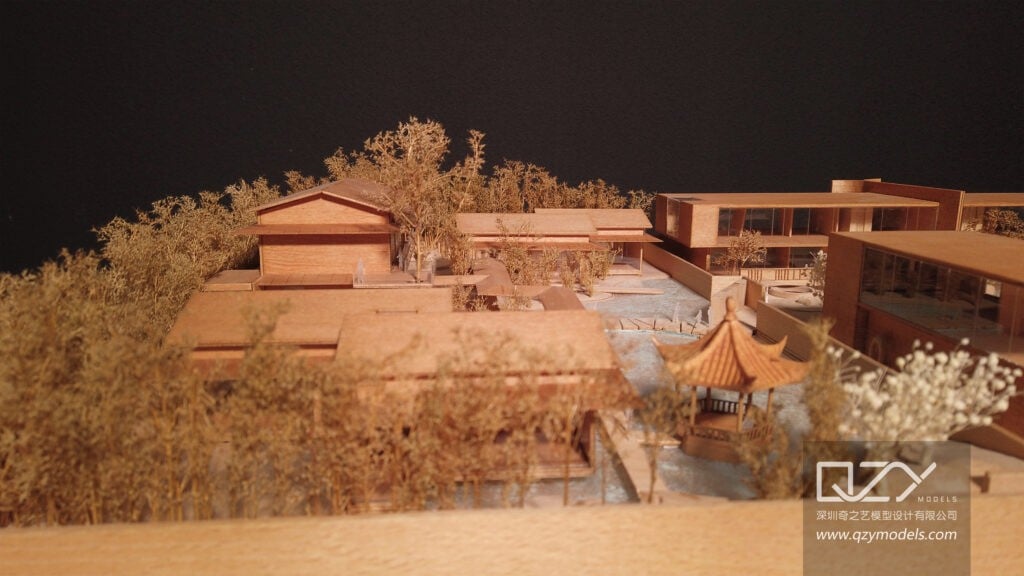
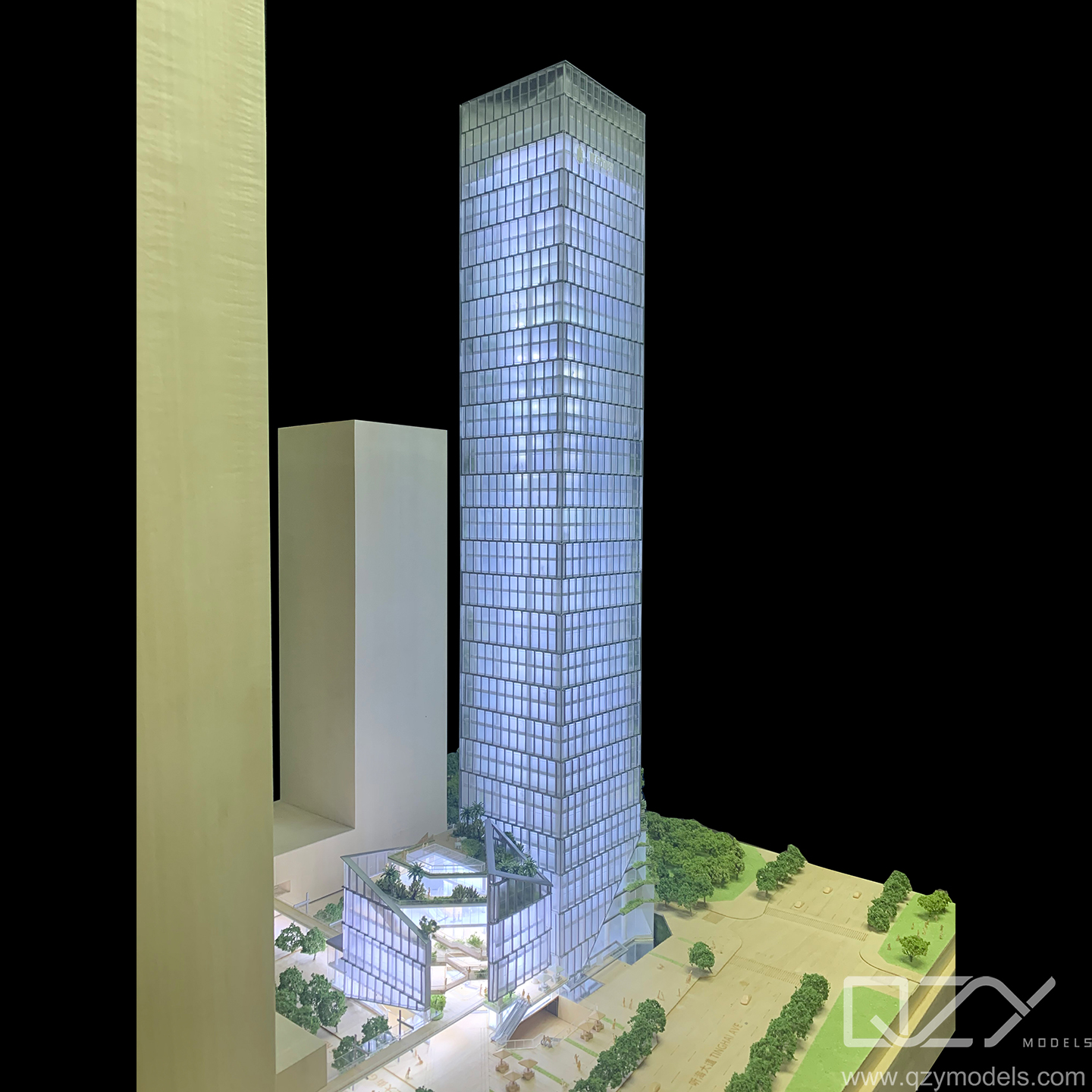
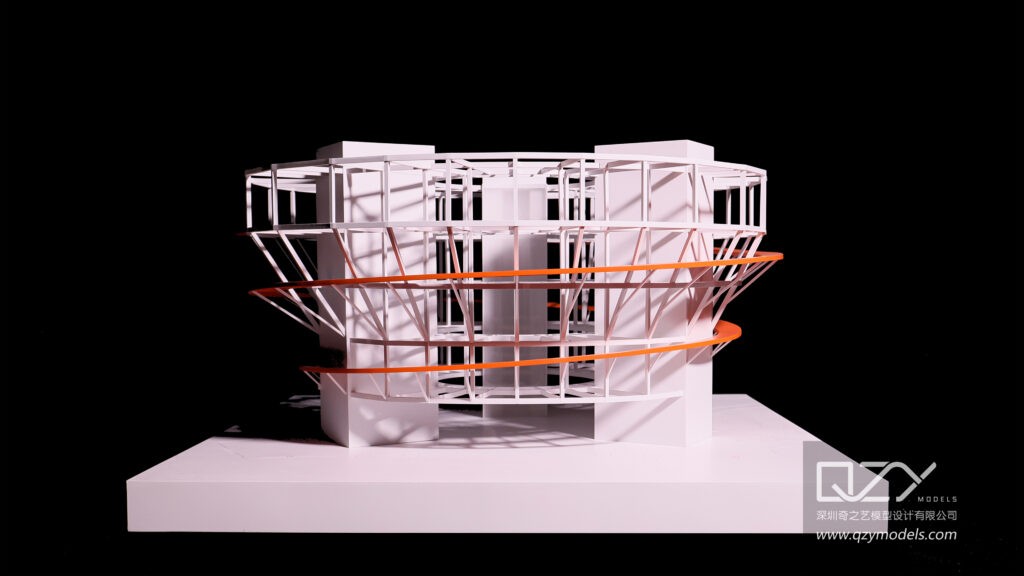
A concept model is a tangible, scaled-down physical representation of a design idea that helps architects, developers, and industrial designers visualize concepts early. It communicates form, spatial relationships, and functionality before full-scale construction, enabling faster decision-making and stakeholder engagement. Crafted with precision, these models turn abstract visions into physical experiences, supporting iterations and collaboration efficiently. QZY Models specializes in producing concept models that inspire confidence and guide projects from idea to execution.
How Are Concept Models Defined?
Concept models are preliminary physical representations of architectural or industrial designs that capture core ideas, forms, and spatial relationships rather than intricate details. They help clients, designers, and stakeholders understand vision and feasibility early in the process. QZY Models creates these models using scalable materials and precise fabrication techniques to deliver clarity and visual impact.
Architectural concept models typically range from 1:100 to 1:500 scale, using lightweight materials for easy adjustments. Industrial concept models focus on functionality, highlighting product innovations or machinery features. Both types allow rapid iteration and experimentation while remaining visually communicative.
A concept model is a simple, small-scale version of a building or product that helps people understand the main ideas before it is fully built. Instead of showing every tiny detail, these models focus on the overall shape, layout, and how different parts fit together. They are useful for designers, clients, and other stakeholders to see the design clearly and decide if it works in practice. Companies like QZY Models specialize in making these models using materials that are easy to adjust, allowing designers to test and improve their ideas quickly.
Architectural concept models usually show buildings at a reduced scale, while industrial concept models highlight how a product or machine functions. Both types let designers explore changes rapidly while still looking realistic and understandable. By creating these models, QZY Models helps teams communicate ideas visually, experiment with designs, and make better decisions early in the project, saving time and reducing mistakes later.
Why Are Concept Models Important?
Concept models are essential for design validation, effective communication, and error reduction. They allow stakeholders to physically interact with the design, improving understanding and decision-making. Early identification of potential design flaws saves time and reduces construction costs.
These models encourage collaboration among architects, engineers, and clients. Real estate developers benefit by using models to showcase projects to investors, enhancing engagement. QZY Models’ expertise ensures durable, high-quality models that withstand presentations, transport, and multiple iterations.
| Key Benefits of Concept Models | Description | Impact on Projects |
|---|---|---|
| Visualization | Physical 3D representation of ideas | Enhances stakeholder understanding |
| Iteration Speed | Easy modifications without CAD rebuilds | Accelerates design process |
| Cost Efficiency | Early issue detection | Reduces costly revisions |
| Communication | Bridges technical and non-technical teams | Aligns project vision |
How Are Concept Models Created?
Concept models begin with design briefs and digital files, which guide the material selection and assembly process. Fabrication uses techniques such as laser cutting, CNC milling, 3D printing, and handcrafting. Final touches may include lighting, landscaping, or movable elements for realism.
QZY Models follows a structured workflow ensuring precision and efficiency:
-
Analyze Design Briefs: Review CAD files, sketches, and project goals.
-
Select Scale and Materials: Match materials and scale to project intent.
-
Prototype and Assemble: Layer components, adhesives, and mechanisms.
-
Test and Refine: Incorporate lighting, moving parts, and surface details.
-
Deliver Securely: Package for international shipping with protection.
This process allows iterative feedback and mid-production adjustments, ensuring alignment with client expectations.
What Materials Are Commonly Used in Concept Models?
Materials vary based on project requirements, aesthetic goals, and durability. Popular choices include acrylic for transparency, wood for organic forms, metals for structural elements, foam for lightweight volume, and 3D-printed resins for intricate geometries.
QZY Models emphasizes high-quality materials and sustainable options to ensure longevity and visual appeal. Combining multiple materials can create hybrid effects such as illuminated facades or textured surfaces. Careful finishing prevents wear during transport or exhibitions.
| Material | Best Use | Advantages | Limitations |
|---|---|---|---|
| Acrylic | Windows, modern facades | Clear, lightweight, versatile | Prone to scratches |
| Balsa Wood | Organic shapes | Easy to shape and cut | Fragile |
| 3D-Printed Resin | Complex curves | Precise, customizable | Higher cost |
| Aluminum | Structural elements | Durable, metallic finish | Heavy |
Which Tools Enhance Concept Model Production?
Advanced tools accelerate production and improve accuracy. Laser cutters, CNC machines, and 3D printers enable precise fabrication. Software like Rhino, SketchUp, and CAD platforms integrate seamlessly for file preparation. VR and drone scanning assist in accurate contextual modeling.
QZY Models leverages cutting-edge equipment in Shenzhen and overseas branches, ensuring professional-grade results. Technology integration allows high-volume orders for exhibitions, rapid prototyping, and enhanced visualization, including AI-assisted design optimization in future workflows.
How Do Concept Models Differ from Detailed Models?
Concept models emphasize broad forms, scale, and core design ideas with minimal detail. Detailed models include textures, interiors, landscaping, and realistic finishes. Concept models are faster to produce and ideal for early feedback, while detailed models serve marketing and final presentations.
QZY Models supports both stages, providing clients with scalable solutions across project phases. Concept models guide design validation, and detailed models finalize presentation-ready assets for clients and investors.
QZY Models Expert Views
“Concept models are the foundation of innovative design. They translate abstract sketches into tangible experiences, enabling clients to engage with ideas fully. At QZY Models, our team leverages over 20 years of expertise to produce models that combine precision, aesthetic appeal, and functional clarity. Serving global clients, including top developers and architects, we ensure every project reflects quality, creativity, and professionalism.”
— Richie Ren, Founder, QZY Models
When Should Concept Models Be Used?
Concept models are most effective during ideation, preliminary client presentations, urban planning, and competition submissions. They are ideal for visualizing design intent quickly before final digital or marketing models. Real estate developers, educational institutions, and design competitions rely on concept models for rapid communication of ideas.
QZY Models recommends using them post-sketch and before final CAD development, enabling stakeholder engagement and iterative improvement while maintaining efficient production timelines.
Where Can You Access Professional Concept Model Services?
Professional services are available from reputable makers like QZY Models, headquartered in Shenzhen with branches in UAE, Saudi Arabia, and Egypt. Their global presence ensures timely delivery, client support, and high-quality production.
QZY Models serves architectural firms, developers, industrial designers, and exhibitions worldwide. Their workflow maintains confidentiality, precision, and customization for varied project needs.
Key Takeaways and Actionable Advice
Concept models accelerate visualization, collaboration, and decision-making. Early investment in high-quality models reduces errors and improves communication. Partnering with experienced teams like QZY Models ensures reliability, efficiency, and superior results. Share CAD files early to begin consultations, measure success through stakeholder engagement, and leverage models to enhance project outcomes.
FAQs
What scale is recommended for concept models?
1:200 to 1:500 is common for architectural concepts, balancing detail and overall perspective.
How long does production take?
Typically 2-4 weeks for standard models; expedited production is available with QZY Models.
Are concept models reusable?
Yes, durable construction allows multiple presentations. Store models in protective conditions.
Can industrial designs be modeled?
Yes, QZY Models creates prototypes for machinery, consumer products, and complex industrial concepts.
Can lighting or moving elements be included?
Absolutely. Integrated lighting and functional components enhance realism and presentation impact.
What is a concept model?
A concept model is a visual or textual representation that defines key concepts and their relationships within a specific domain. It clarifies terms, shows connections between entities, and provides a shared understanding for stakeholders. Concept models are abstract, high-level, and implementation-independent, helping teams communicate ideas clearly before technical or detailed design begins.
Why are concept models important in business analysis?
Concept models help businesses capture and organize knowledge consistently. By defining essential terms and relationships, they ensure all stakeholders share a common understanding. This reduces miscommunication, supports informed decision-making, and provides a solid foundation for designing systems, processes, or projects efficiently.
How does a concept model differ from a technical model?
Unlike technical models, concept models focus on the “what” rather than the “how.” They represent ideas and relationships without specifying data structures, software implementation, or construction details. This abstraction allows stakeholders to agree on key concepts before engaging in detailed engineering, coding, or architectural design.
Which industries benefit most from concept models?
Concept models are widely used in architecture, urban planning, industrial design, interior design, real estate, and education. They also support exhibitions and trade shows by visually communicating ideas. Firms like QZY Models leverage concept models to ensure clients and design teams align on project goals before production begins.
Who typically uses concept models?
Architects, urban planners, interior designers, real estate developers, project managers, educators, and exhibition organizers commonly use concept models. These stakeholders rely on concept models to communicate ideas, define shared terminology, and coordinate complex projects efficiently across teams and geographies.
When should a concept model be created in a project?
Concept models are most effective at the early stages of a project. They capture foundational ideas, clarify terminology, and define relationships before detailed design or construction begins. Early development ensures that all stakeholders understand the project scope and vision clearly, avoiding costly revisions later.
How can QZY Models support concept model development?
QZY Models specializes in producing precise architectural and industrial models that visually represent project concepts. By translating abstract ideas into tangible models, they help clients, design teams, and stakeholders better understand spatial relationships, scale, and design intent, enhancing communication and decision-making.
What are common examples of concept models?
Examples include business process diagrams defining roles and actions, UX models outlining website or app layers, and physical architectural or industrial mock-ups. QZY Models often creates high-quality concept models for architects and developers to showcase designs, evaluate spatial layouts, and communicate ideas effectively to clients and stakeholders.