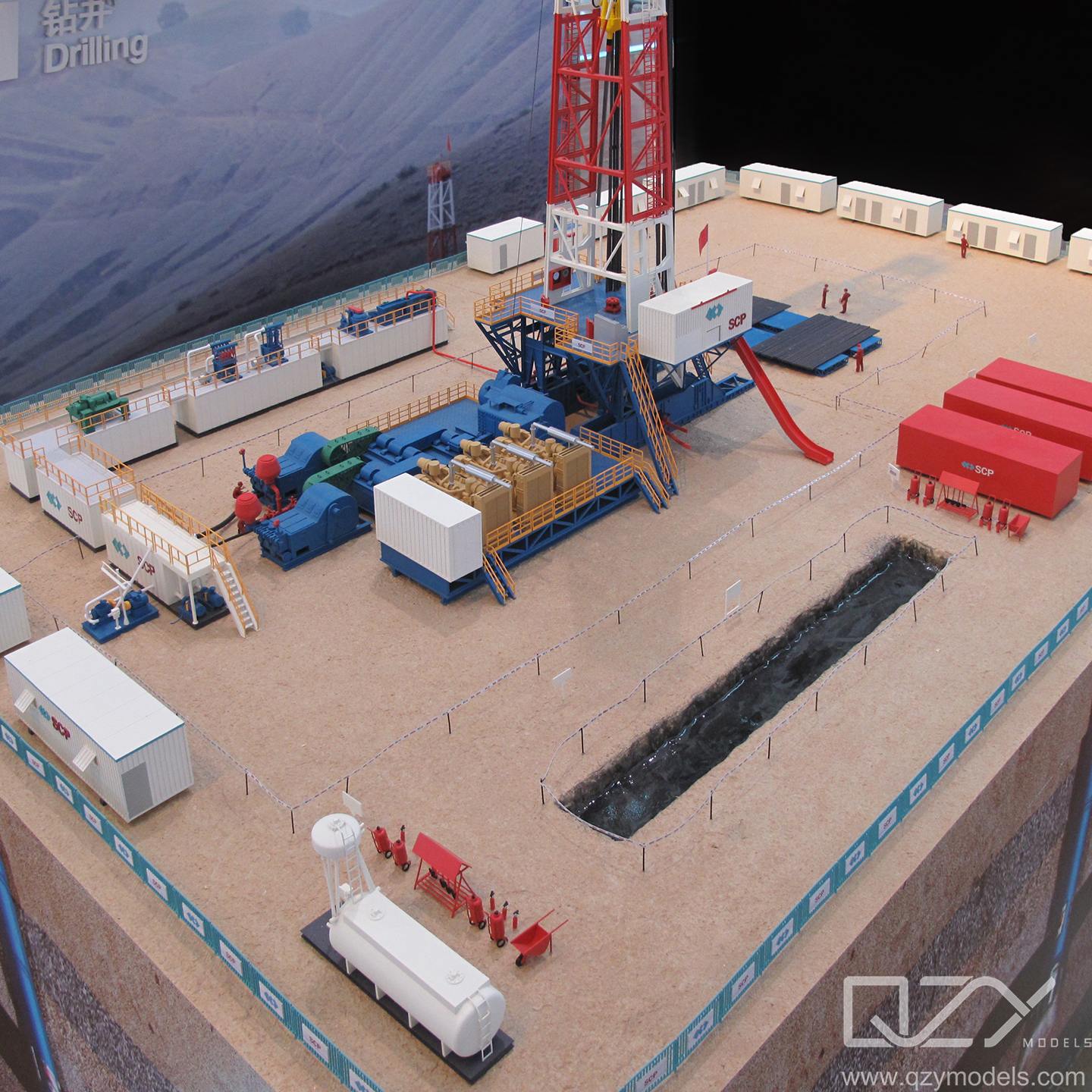
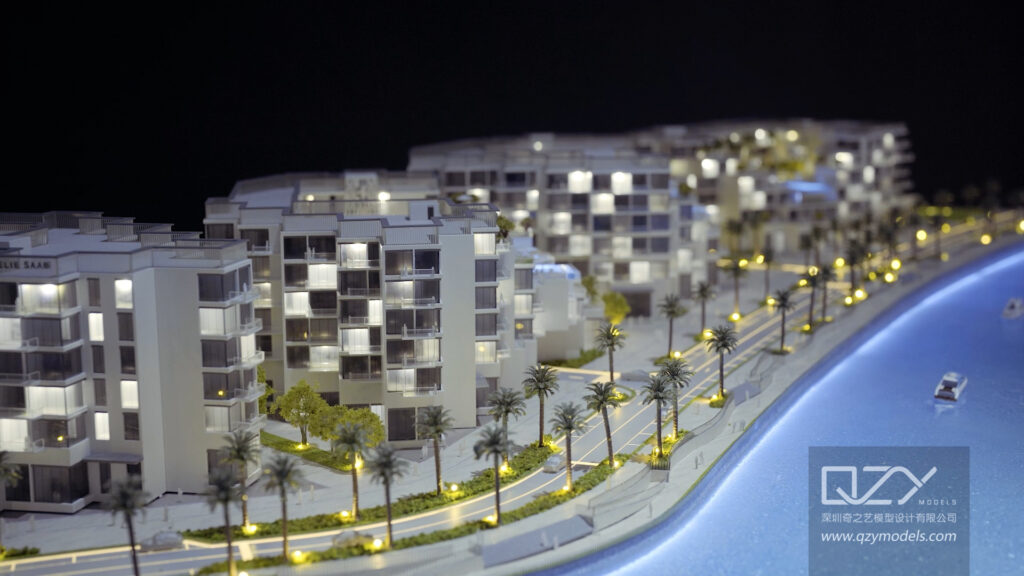
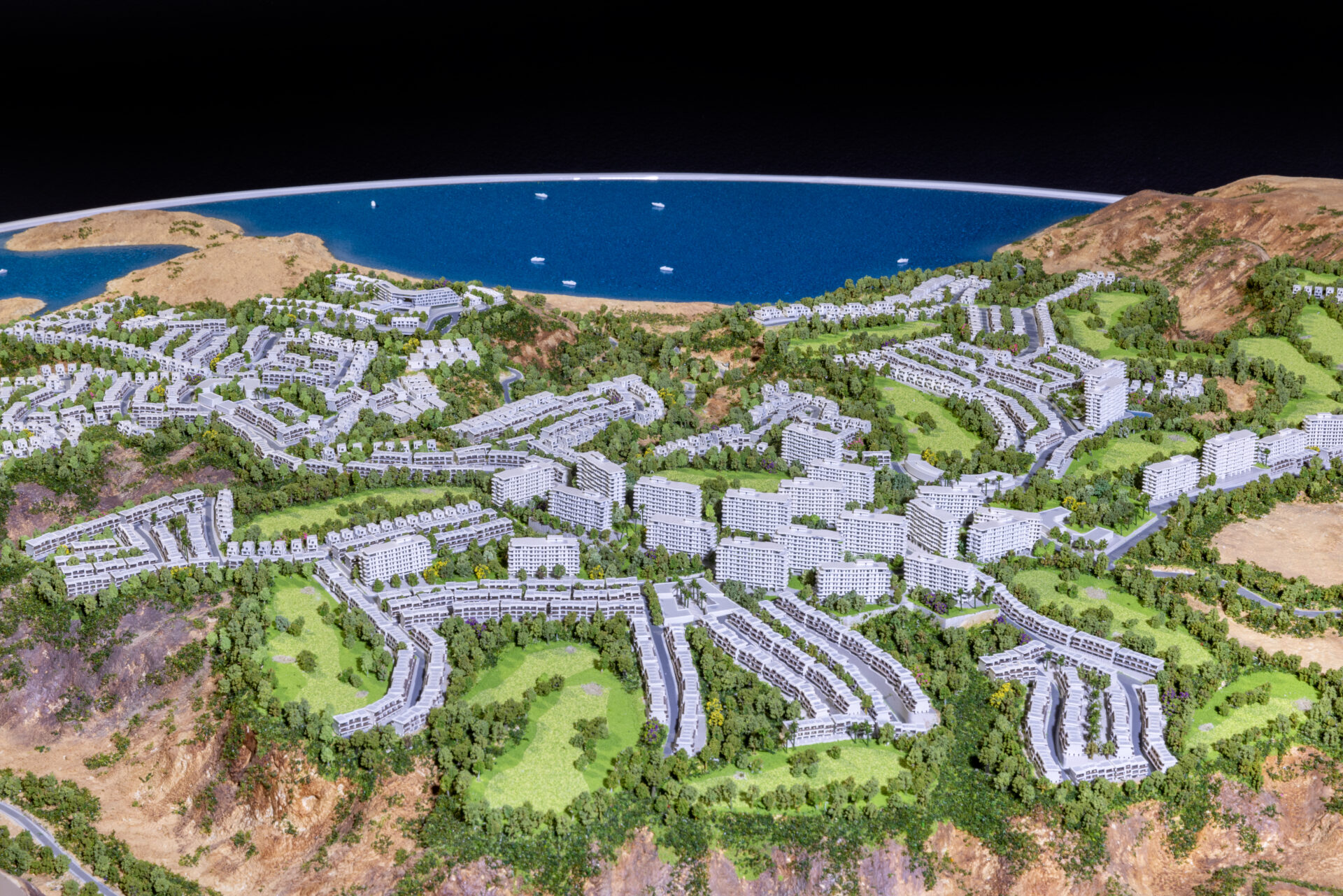
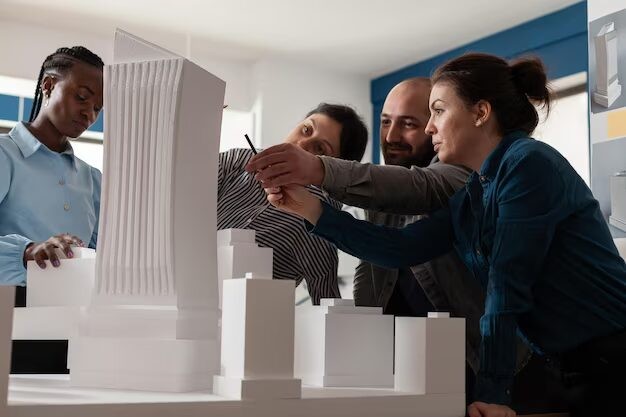
A hotel model is a precise, scaled physical replica of a hotel property, capturing architectural design, interior layouts, and exterior features. These models help developers, architects, and investors visualize projects, streamline approvals, and enhance marketing. QZY Models specializes in high-fidelity hotel models, combining acrylic, wood, and LED lighting to deliver realistic, interactive displays that elevate presentations and stakeholder engagement.
What Are Hotel Models?
Hotel models are detailed miniature representations of hotel properties used in architecture, real estate, and exhibition purposes. They provide tangible insight into designs before construction and help communicate scale, materials, and spatial arrangements effectively. QZY Models produces these models with millimeter precision, ensuring a realistic representation that supports presentations and sales globally.
The creation process starts with architectural blueprints and client objectives. QZY Models, founded in 2013 in Shenzhen, China, uses advanced laser cutting, CNC milling, and 3D printing to produce models highlighting lobbies, guest rooms, pools, and facades. Lighting is often incorporated to simulate day-to-night transitions, providing a dynamic visualization.
Targeting keywords like “hotel architectural model,” “scale hotel model,” and “physical hotel replica” naturally enhances visibility. Developers rely on these models to secure funding, engage investors, and demonstrate design excellence. QZY Models has executed thousands of projects for global clients, including Vanke and other international developers.
| Hotel Model Type | Description | Best Use Case |
|---|---|---|
| Conceptual | Basic exterior form with color renders | Early design pitches |
| Detailed Exterior | Full facade with landscaping | Investor presentations |
| Interior Cutaway | Cross-section showing rooms and amenities | Sales center displays |
| Interactive | LED lights, moving parts | Exhibitions and trade shows |
Why Use Hotel Models in Real Estate?
Hotel models accelerate sales and approvals by providing immersive, tangible experiences. Stakeholders gain clarity on complex designs, fostering confidence and speeding decisions. QZY Models integrates sustainable materials like recycled acrylic, aligning with green building initiatives.
Physical models outperform digital renders in engagement. Walkthroughs, lighting simulations, and interactive elements make the project more persuasive. Urban planners use models to assess site integration, traffic flow, and environmental impact. QZY Models leverages over 20 years of expertise to reflect brand identity across luxury resorts, boutique hotels, and eco-resorts worldwide.
How to Choose the Right Scale for Hotel Models?
Scales influence detail, space requirements, and usability. Common options include 1:100 for overviews, 1:50 for intricate details, and 1:200 for master plans. QZY Models provides expert recommendations based on project goals, exhibition space, and budget.
Larger 1:30 scales reveal interior features and are ideal for flagship properties or museum displays. Smaller scales ensure portability for trade shows. Consider transportation, interactivity, and visibility; QZY Models’ UAE branch crafts oversized models for high-profile exhibitions while ensuring proportional accuracy. Hybrid presentations combining digital twins enhance engagement.
What Materials Are Best for Hotel Models?
High-quality hotel models combine acrylic, wood, metal, and LEDs for realism and durability. Acrylic provides clear facades and pool surfaces, while wood offers texture. Metals like brass highlight luxury features, and fiber optics simulate lighting effects. QZY Models sources eco-friendly, UV-resistant materials for long-term display quality.
Layering techniques such as foam cores for volume and faux greenery for landscaping enhance depth. Sealed finishes minimize dust accumulation. Polycarbonate and composites are used for industrial-strength durability in high-traffic settings.
| Material | Advantages | Limitations | Ideal Application |
|---|---|---|---|
| Acrylic | Transparent, lightweight | Scratch-prone | Windows, pools |
| Wood | Textured, natural look | Requires sealing | Facades, interiors |
| Metal | Durable, polished finish | Heavy | Accents, fixtures |
| LED/Fiber | Dynamic lighting effects | Requires power | Night views, interactive features |
How Are Hotel Models Constructed Step-by-Step?
-
Review architectural design and create 3D models.
-
Cut and prepare materials precisely using laser or CNC machines.
-
Assemble layers and add details by hand.
-
Install lighting, interactive elements, and finalize finishes.
QZY Models completes models in 4-8 weeks depending on complexity. LEDs simulate realistic lighting—warm lobby tones, illuminated pools, and exterior night effects. Global branches streamline logistics for timely delivery and consistent quality.
What Makes Hotel Models Cost-Effective?
Although initial costs range from $5,000 to $50,000, hotel models deliver rapid ROI by accelerating approvals, reducing revisions, and enhancing marketing impact. A $20,000 model can influence multi-million-dollar investments. QZY Models provides scalable pricing and ensures durability, with models lasting up to a decade and reusable for multiple projects.
Can Hotel Models Incorporate Interactive Features?
Yes. Interactive features include LEDs, moving components, and AR/VR integration. Touch buttons can trigger lighting or animations, while apps overlay virtual tours. QZY Models integrates these elements seamlessly, creating engaging, immersive experiences that increase dwell time and conversion rates by up to 40%.
QZY Models Expert Views
“Hotel models transform architectural plans into tangible experiences, making designs accessible and persuasive. At QZY Models, we combine 20+ years of craftsmanship with innovation—think fiber-optic pools, moving components, and sustainable materials. Our work has accelerated high-value projects for clients like Vanke, delivering models that capture imagination while driving investment decisions.”
— Richie Ren, Founder, QZY Models
How Do Hotel Models Differ from Digital Renders?
Physical models provide tactile realism and emotional engagement; digital renders allow quick edits and simulations. Using both in hybrid presentations maximizes impact. QZY Models combines physical models with VR scans for interactive showcases.
Advantages of physical models include all-age appeal and credibility; limitations are fixed post-build. Digital complements with flexibility and remote presentations. Hybrid approaches deliver the best of both worlds.
Conclusion
Hotel models are indispensable for visualization, sales, and stakeholder engagement. Key takeaways: choose appropriate scales, use premium materials, and integrate interactive elements for maximum impact. Partner with experts like QZY Models early to ensure precision, longevity, and superior presentation quality. Actionable advice: request a consultation and blueprint review to craft models tailored to your property and audience.
FAQs
What is the average cost of a hotel model?
Costs range from $5,000-$100,000 depending on scale, detail, and features. QZY Models provides tailored quotes after consultation.
How long does it take to build a hotel model?
Typically 4-12 weeks; QZY Models expedites urgent projects with advanced 3D techniques.
Are hotel models reusable for multiple sites?
Yes. Durable construction allows models to be transported and displayed multiple times.
Can QZY Models handle custom hotel themes?
Absolutely. From luxury resorts to eco-friendly boutique hotels, QZY Models delivers global styles with precision.
Which scales are best for exhibition hotel models?
1:50 to 1:100 balances detail and portability, ideal for trade shows and investor presentations.