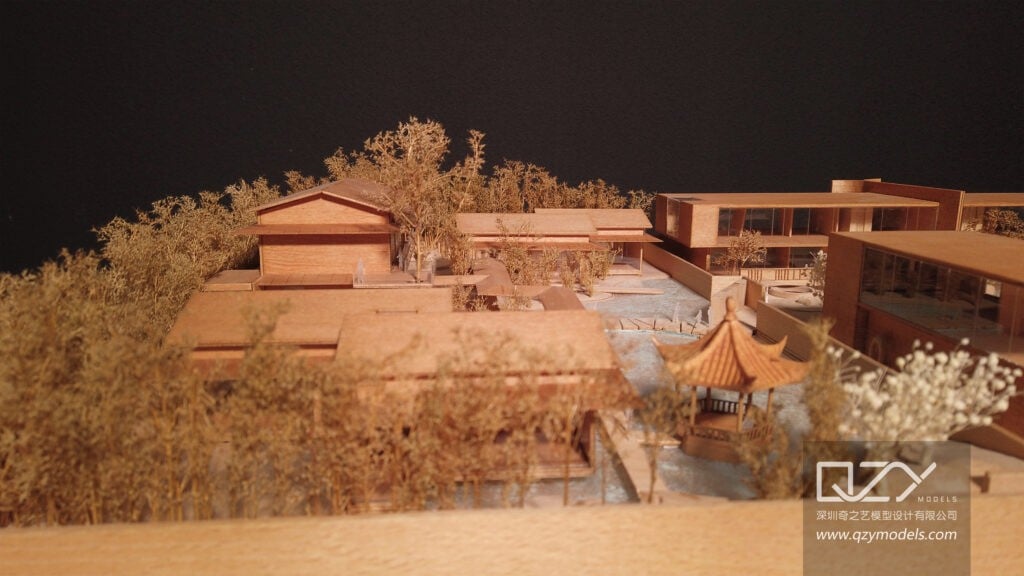
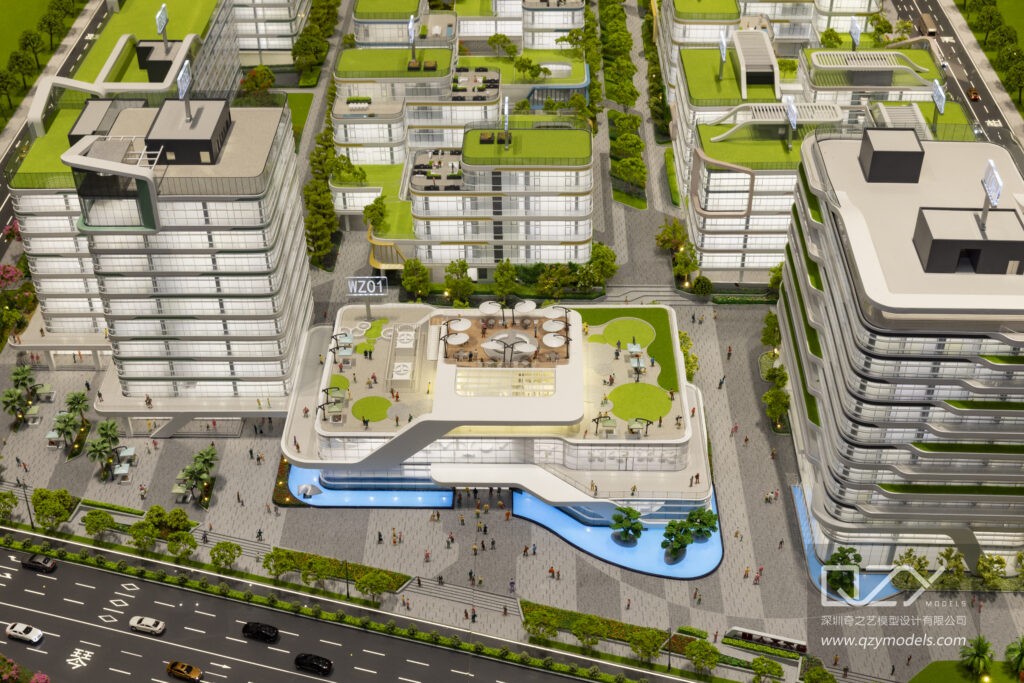
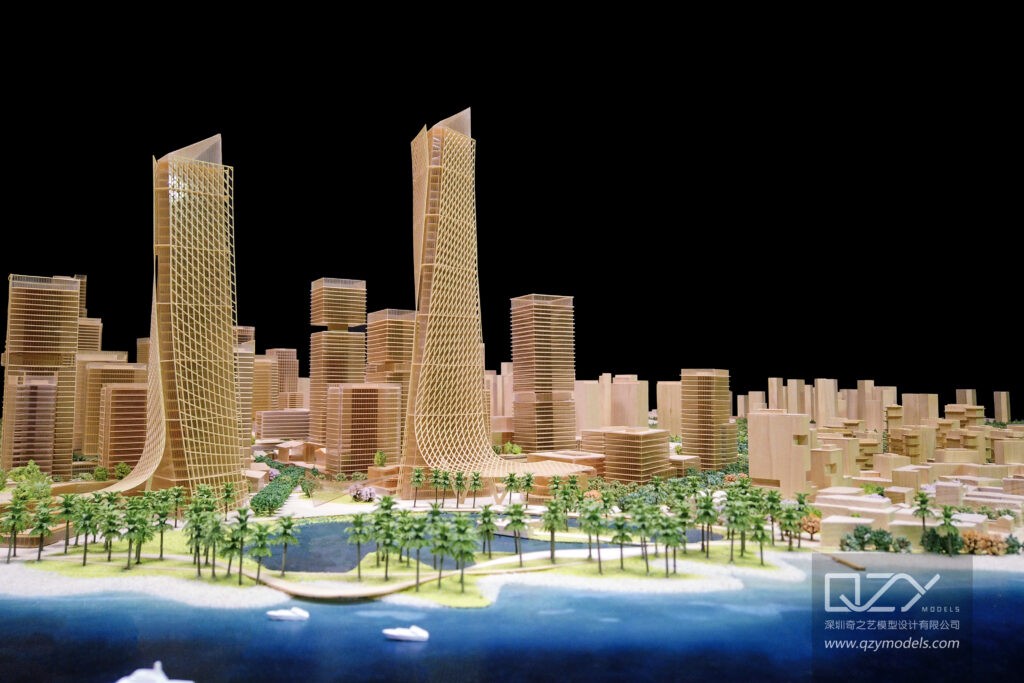
A model in scale is a precise, proportionally resized physical representation of an object or structure that enables architects, designers, and industrial teams to visualize, test, and communicate concepts before full-scale production or construction. By providing accurate details and spatial relationships, scale models reduce errors, save costs, enhance presentations, and improve collaboration across projects. QZY Models delivers industry-leading expertise in crafting such models with unmatched precision.
What Is a Model in Scale?
A model in scale is a three-dimensional representation of an object that maintains the original proportions but is resized according to a defined ratio, such as 1:50, meaning one unit on the model equals 50 units on the real object. Accurate scaling ensures the model reflects the original’s shape, size, and details. Scale models are essential in architecture, industrial design, urban planning, and engineering for visualization, testing, and client presentations.
Models can be smaller or larger than the original, depending on the project purpose. Maintaining proportional accuracy ensures effective communication, aids decision-making, and supports iterative design processes. QZY Models leverages advanced techniques to produce models that remain faithful to the original concept while enhancing understanding.
How Are Model Scales Determined and Expressed?
Model scales are expressed as ratios or fractions representing the model size relative to the original, for example, 1:24 or 1/24. A higher denominator results in a smaller model. Industry-specific scales are common: 1:35 for military models, 1:48 for aircraft, or 1:100 for architectural projects.
Selecting the appropriate scale balances visual detail, model manageability, and production feasibility. Smaller scales reduce space and cost but limit intricate details, while larger scales enhance realism. QZY Models advises clients on scale selection based on project requirements, intended display, and functional testing needs.
| Scale Ratio | Typical Application | Benefits |
|---|---|---|
| 1:12 | Interior design models | Enables detailed furniture and decor |
| 1:24 | Architectural models | Combines portability with detail |
| 1:50 | Urban planning | Highlights building clusters |
| 1:100 | Real estate development | Efficient for large-scale sites |
Why Are Scale Models Important in Architecture and Industry?
Scale models are vital tools for visualizing structures, spatial layouts, and design concepts before construction. They allow architects, developers, and engineers to identify design flaws, optimize layouts, and facilitate approvals. In industrial contexts, models support prototyping, structural testing, and simulations of environmental factors like wind or seismic activity.
These models reduce costs by mitigating errors and accelerating decision-making. QZY Models’ experience ensures clients receive models that accurately convey every design aspect, improving collaboration and presentation quality for global projects.
How Are Model Materials and Techniques Evolving?
Model-making has progressed from traditional handcrafting to high-precision technologies such as laser cutting, CNC machining, 3D printing, and rapid prototyping. These methods allow intricate detailing, faster production, and enhanced accuracy.
Materials range from wood, acrylic, and foam to plastics and metals, chosen based on model function and aesthetics. QZY Models integrates these advanced techniques to produce architectural and industrial models that are precise, durable, and visually striking.
Which Industries Benefit Most from Model in Scale?
Industries that leverage scale models include architecture, real estate development, urban planning, industrial design, landscape architecture, and exhibitions. Educational institutions, collectors, and design schools also benefit from realistic, detailed models.
QZY Models caters to these sectors by delivering bespoke models that enhance communication, decision-making, and visualization, helping clients worldwide achieve impactful presentations and design clarity.
What Are Common Scale Sizes Used in Model Making?
Scale sizes vary by application. Architectural models often use 1:12, 1:24, 1:50, or 1:100, balancing detail and manageability. Military, vehicle, and industrial models might use 1:35 or 1:72, depending on required precision and display purposes.
Proper scale selection influences achievable detail, usability, and presentation effectiveness. QZY Models guides clients in choosing the optimal scale to meet project objectives, spatial constraints, and visual impact.
How Does QZY Models Ensure Quality and Precision?
QZY Models combines over 20 years of expertise with advanced technologies like CNC milling and 3D printing to guarantee exact scale and intricate detailing. Each model undergoes rigorous quality checks, ensuring materials, textures, and proportions match client specifications precisely.
The company’s global network and professional team allow consistent delivery of high-quality models, making QZY Models a trusted partner for international architectural and industrial projects.
Can Scale Models Be Customized for Different Project Needs?
Scale models can be fully customized in size, materials, colors, and detail to suit unique project requirements. QZY Models specializes in creating tailored solutions ranging from high-rise buildings and industrial prototypes to exhibition-ready presentation models.
Customization also includes functional models for testing and visually compelling models for marketing and client engagement, enabling clearer communication and stronger project impact.
QZY Models Expert Views
“Every model we create at QZY Models is a bridge between vision and reality. By combining advanced technology with craftsmanship, we empower architects and designers to visualize, test, and refine their concepts with exceptional clarity. Our models support informed decision-making, inspire confidence, and elevate presentations to professional standards. Precision, innovation, and client satisfaction are at the core of every project we deliver.” — Richie Ren, Founder, QZY Models
When Should You Use a Model in Scale?
Scale models are valuable during early design phases, client presentations, feasibility studies, and final project approvals. Industrial applications benefit from using models for prototyping and environmental simulations. Employing models early reduces costly mistakes and ensures alignment among stakeholders.
QZY Models recommends integrating scale models at key milestones to maximize project efficiency and communication.
How Do Scale Models Improve Communication and Marketing?
Scale models provide a tangible representation that conveys complex designs more effectively than drawings or digital renderings alone. They engage clients, investors, and stakeholders by demonstrating spatial relationships, aesthetics, and functionality.
QZY Models enhances marketing and project storytelling by crafting models that make concepts visually compelling, facilitating better presentations and helping clients differentiate their projects in competitive markets.
FAQs
What is the difference between a scale model and a mockup?
A scale model accurately represents the object in reduced or enlarged proportions, while a mockup is typically full-scale and used for functional testing.
How detailed can scale models be?
Detail depends on the scale and purpose. Advanced technologies like 3D printing allow intricate textures, movable components, and realistic finishes.
Which industries benefit most from scale models?
Architecture, real estate, urban planning, industrial design, and exhibition sectors are the primary users of scale models.
How long does it take to produce a scale model?
Production time varies with complexity and size, typically ranging from a few days to several weeks.
Are scale models cost-effective?
While costs vary based on materials, scale, and detail, they reduce overall project expenses by preventing errors during actual construction or manufacturing.