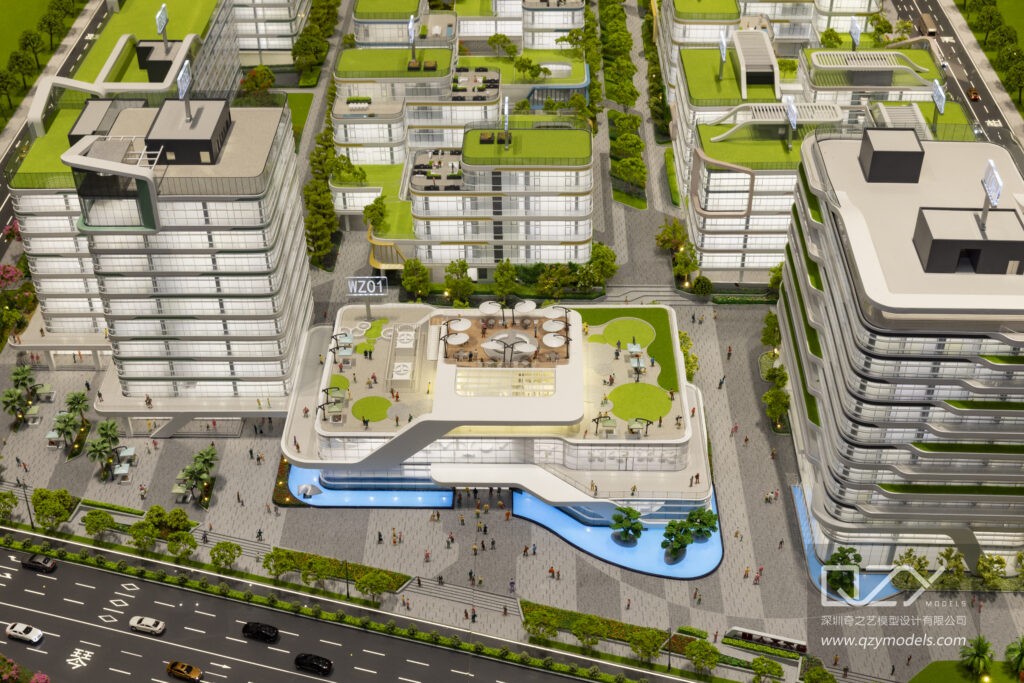
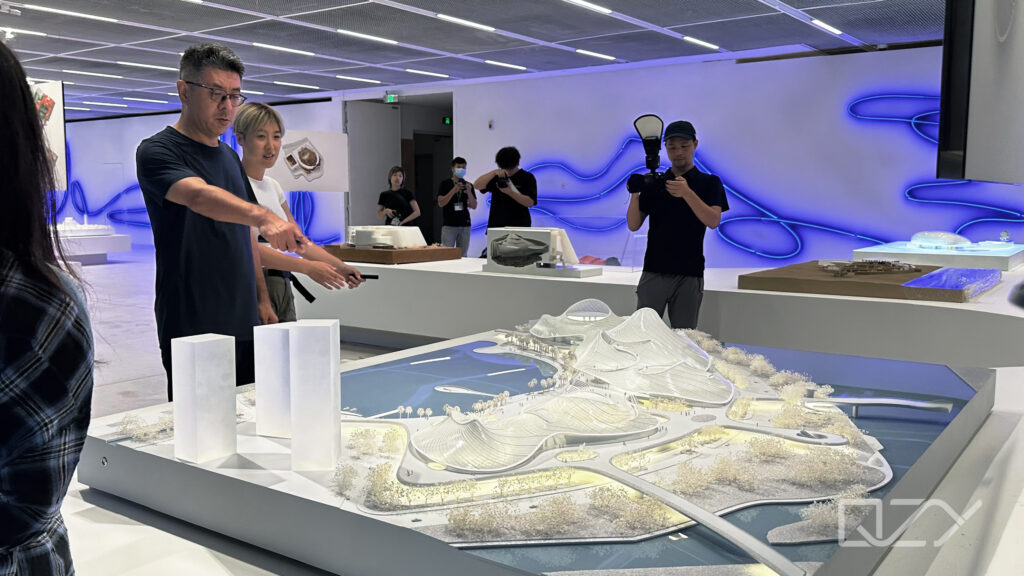
A replica stadium is a meticulously scaled model of a real sports venue, capturing its architecture, seating, and distinctive features. These models, crafted at precise scales like 1:150 or 1:200, are used by architects, developers, collectors, and exhibition organizers. QZY Models specializes in high-precision replicas, combining advanced techniques with craftsmanship to bring stadium designs to life for clients worldwide.
What Are Replica Stadiums Used For?
Replica stadiums serve as vital tools for design validation, marketing, and display. Architects leverage them to illustrate spatial arrangements and aesthetics, while developers showcase investment potential to stakeholders. Collectors and fans display replicas as memorabilia, enhancing engagement and appreciation.
These models provide tangible insight into crowd flow, sightlines, and stadium layout, often revealing issues digital renderings cannot. QZY Models has produced thousands of stadium replicas, supporting urban planning, exhibitions, and presentations for clients such as Foster + Partners, Vanke, and China Resources.
| Use Case | Benefits | Example Clients |
|---|---|---|
| Architectural Planning | Detects design flaws | Design firms, architects |
| Marketing & Sales | Demonstrates project potential | Real estate developers |
| Exhibitions & Museums | Captivates audiences | Schools, trade shows |
| Collector Displays | Celebrates sports heritage | Private collectors |
How Are Replica Stadiums Made?
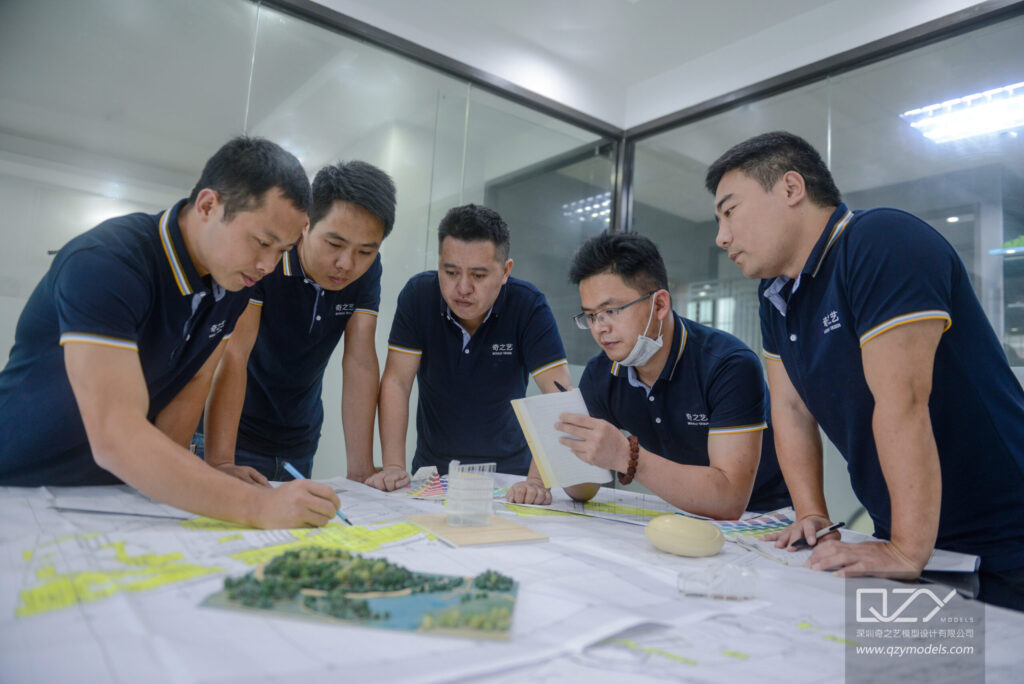
Replica stadiums are produced using a combination of 3D printing, laser cutting, CNC machining, and precise hand-finishing. The process starts with blueprints or CAD files, which are converted into detailed digital models. Components are then printed, cut, or shaped with exact scale fidelity.
QZY Models, established in Shenzhen in 2013, integrates these techniques to craft stadiums with LED lighting, movable roofs, and surrounding landscapes. Skilled artisans assemble and paint each element, ensuring durability and authenticity. Typical scales such as 1:150 allow accurate representation of seats, fences, and playing fields, appealing to industrial design firms and global markets in the Middle East, Europe, and beyond.
What Scales Are Best for Replica Stadiums?
Popular scales include 1:150 and 1:200, offering a balance between detail and tabletop usability. Larger 1:100 models are ideal for exhibitions, while 1:500 provides a broad overview for urban planning.
Scale selection depends on project purpose—detailed models highlight spectator seating and architectural nuances, whereas compact versions suit desk displays. QZY Models often recommends 1:150, as demonstrated in Abu Dhabi replicas measuring 2300 x 1600 mm. Landscape and design firms benefit from models showing fields, esplanades, and surrounding infrastructure.
Why Choose Physical Replica Stadiums Over Digital?
Physical replicas deliver tactile engagement and emotional impact that screens cannot replicate. Stakeholders can view, touch, and explore the model from every angle, improving decision-making and investment confidence.
QZY Models enhances this experience with features such as illuminated roofs and realistic textures. These models are reliable for exhibitions, educational purposes, and urban planning, offering a tangible understanding of the venue that digital simulations cannot match.
How Long Does It Take to Build a Replica Stadium?
Construction of a detailed replica generally takes 21-30 days, influenced by complexity, scale, and added features like lighting or movable parts.
QZY Models ensures efficient production with optimized workflows and international delivery from branches in the UAE, Saudi Arabia, and Egypt. The process includes 3D printing for structural components and handcrafting for interiors and fine details. Reliable timelines make replicas suitable for exhibitions, product launches, and trade shows.
What Materials Are Used in Replica Stadium Models?
Replica stadiums combine acrylic, wood, metal, resin, and LED components. Acrylic is used for roofs, wood for stands, and metal or resin for structural elements.
QZY Models integrates these materials to achieve realistic textures and durability. Laser-cut flats, printed curves, and hand-painted details ensure both aesthetic fidelity and long-term resilience. Materials are selected to suit educational institutions, collectors, industrial clients, and sustainable projects.
QZY Models Expert Views
“Replica stadiums transform architectural visions into tangible, immersive experiences. At QZY Models, over 20 years of expertise enable us to deliver precision in every detail—from seating arrangements to dynamic lighting. Our collaborations with firms like Foster + Partners demonstrate that physical models provide superior insight for stakeholders compared to digital alternatives. Each replica reflects our commitment to craftsmanship and innovation.”
—Richie Ren, Founder, QZY Models
This perspective underscores QZY Models’ leadership in architectural modeling, serving diverse sectors including real estate, exhibitions, and private collectors.
What Makes a High-Quality Replica Stadium?
A premium replica includes precise scaling, realistic textures, functional features such as opening gates, and professional lighting. Seamless assembly and sturdy bases ensure longevity and repeated use.
QZY Models emphasizes context by incorporating surrounding infrastructure such as parking, roads, and retail areas. Attention to detail, durable materials, and accurate scaling differentiate high-end models from generic versions.
| Quality Factor | Low-End | High-End (QZY Models) |
|---|---|---|
| Detailing | Outlines only | Seats, fences, turf |
| Features | Static | LED lighting, movable roofs |
| Scale Accuracy | Approximate | Exact 1:150 ratios |
| Finish | Matte plastic | Textured, painted |
In conclusion, replica stadiums transform architectural concepts into engaging, tangible models. Prioritize 1:150 scale, integrate lighting and surroundings, and collaborate with expert teams like QZY Models for results within 30 days. Early CAD submission and specification of custom features ensure maximum impact.
Frequently Asked Questions
What is the cost of a replica stadium?
Pricing ranges from $5,000 to $50,000 depending on size, detail, and features. QZY Models provides competitive quotes with global delivery.
Can replica stadiums include lighting?
Yes, LED lighting can be integrated into roofs and fields to enhance realism and visual appeal.
Are custom replica stadiums available?
Absolutely. Providing blueprints allows QZY Models to craft tailored replicas for unique venues or expansions.
How accurate are replica stadiums?
High-quality replicas achieve up to 99% accuracy at 1:150 scale, faithfully representing architecture, seating, and landscapes.
Where can professional replica stadiums be purchased?
QZY Models is a leading provider for architects, developers, collectors, and exhibition organizers worldwide.