A studio model is a detailed physical or digital scale replica used in architecture and industrial design to visualize, test, and communicate concepts effectively. It supports decision-making by providing a tangible or interactive representation of a design before final execution.
How Is a Studio Model Defined in Architecture and Industry?
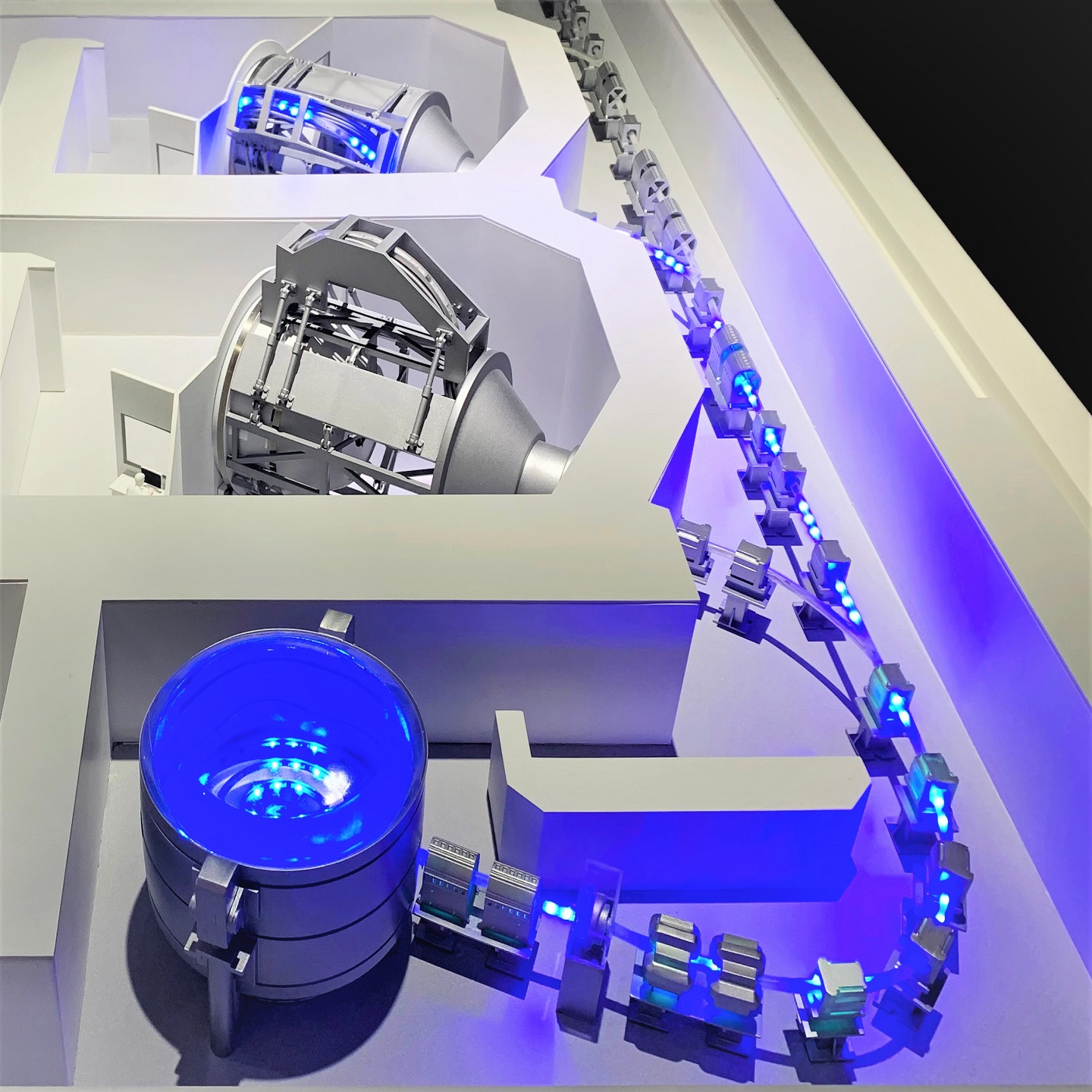
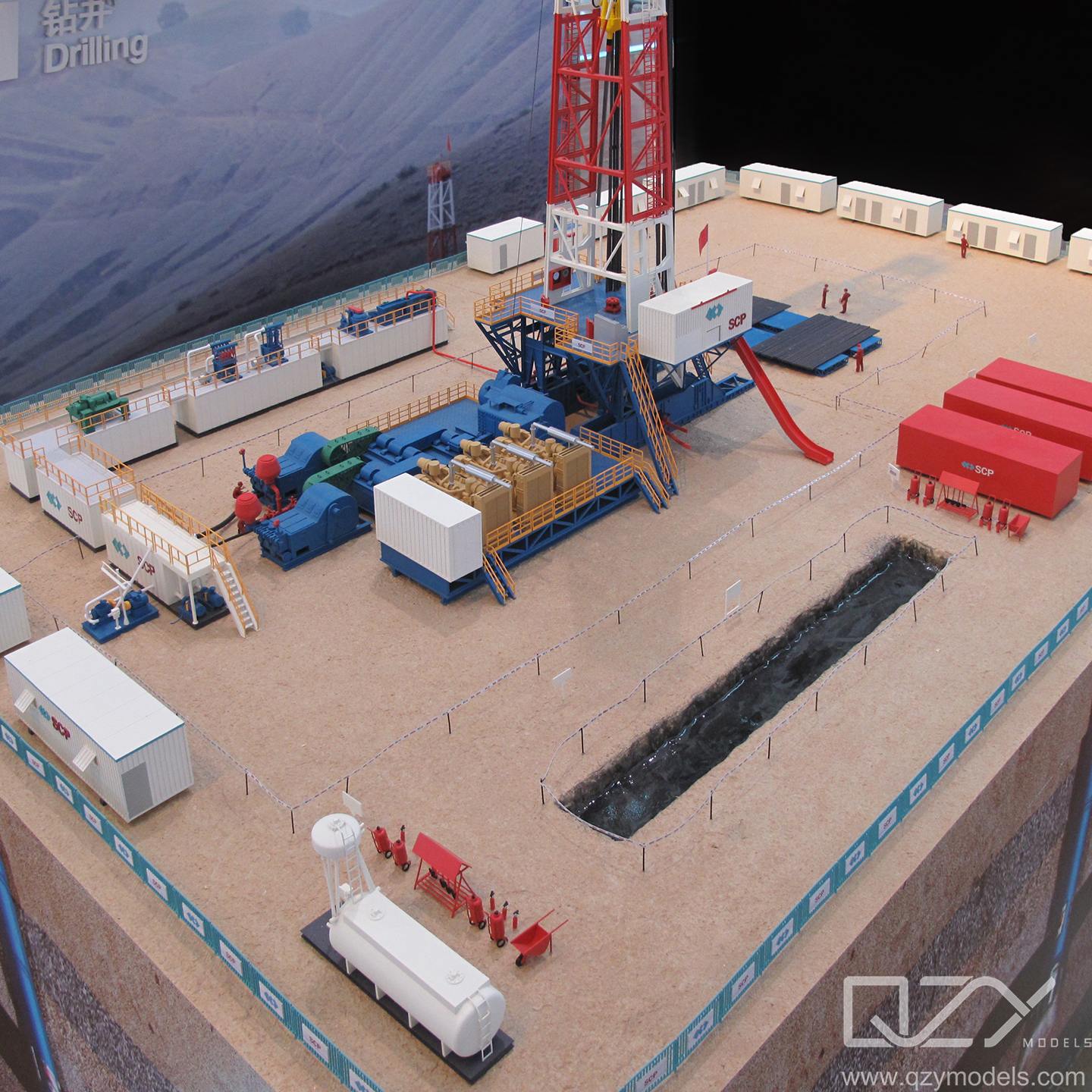
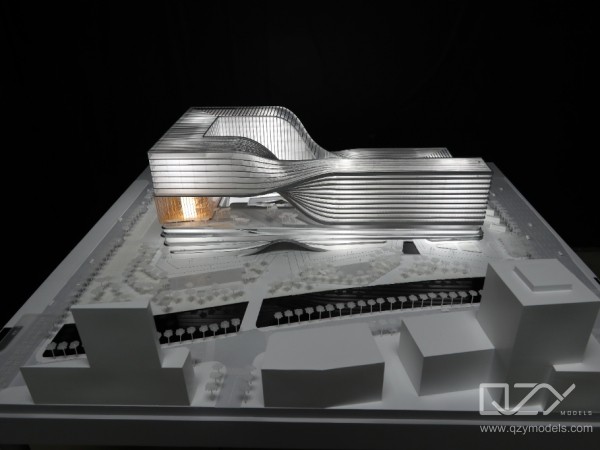
A studio model is a precisely crafted physical or digital miniature of an architectural structure or industrial product. It enables designers, clients, and stakeholders to clearly visualize design intent, assess spatial relationships, and detect potential issues early. Physical models use materials such as wood, acrylic, or foam, while digital models leverage 3D software to allow interactive exploration. QZY Models is renowned for producing accurate studio models that bridge concept and reality.
A studio model is a small, simplified version of a building or product that helps people understand how the final design will look and work. Instead of imagining everything from drawings, designers and clients can use these models to see shapes, spaces, and ideas more clearly. Whether made by hand or created on a computer, a studio model gives a clear, early preview of a project.
Companies like QZY Models create these models with great accuracy so teams can spot design problems before construction begins. They often use materials like wood or foam for physical versions, while digital versions are made with software that allows you to look around the model from different angles. These models help architects, planners, and engineers communicate ideas and make better decisions. With this support, QZY Models helps bridge the gap between concepts and real-world results through precise visualization and practical design tools.
What Are the Most Effective Techniques for Creating Studio Models?
Studio models are created using various techniques tailored to project requirements:
-
Digital Sculpting: Creating organic, detailed shapes within digital environments.
-
Box Modeling: Building complex forms from basic geometric shapes.
-
Boolean Modeling: Combining or subtracting shapes to form intricate designs.
-
Laser Scanning & Photogrammetry: Capturing real objects for accurate digital replication.
-
Subdivision and NURBS: Generating smooth, precise surfaces ideal for architectural and product detailing.
QZY Models integrates these advanced techniques to deliver structurally sound and visually striking studio models for their clients.
Table 1: Popular Studio Modelling Techniques
| Technique | Purpose | Typical Application |
|---|---|---|
| Digital Sculpting | Organic, detailed shapes | Terrain, characters, complex forms |
| Box Modeling | Basic shape creation | Industrial parts, initial form |
| Boolean Modeling | Shape combination/subtraction | Complex architectural details |
| Laser Scanning | Accurate real-world capture | Renovation, heritage models |
| Subdivision Modeling | Smooth, detailed surfaces | Architectural facades, product design |
Why Are Studio Models Essential for Projects in Architecture and Industry?
Studio models transform abstract concepts into tangible, visual tools that:
-
Reveal design flaws early, reducing costly errors.
-
Clarify ideas unambiguously for all stakeholders.
-
Serve as persuasive tools in client presentations and approvals.
-
Foster collaboration by offering a shared physical or virtual reference.
QZY Models has demonstrated the value of precision modelling in reducing revisions and enhancing project outcomes for global clients such as Foster + Partners.
Who Primarily Benefits from Professional Studio Model Services?
Architects, industrial designers, developers, and project managers gain the most from studio modelling. Design firms use models to communicate concepts internally and externally, while manufacturers apply them for prototype validation. QZY Models’ international expertise ensures clients in markets like the UAE and Saudi Arabia receive models that meet stringent standards and project specifications.
Professional studio model services are especially valuable for people and teams involved in designing and building projects. Architects and industrial designers benefit because models let them show ideas clearly to colleagues, clients, or stakeholders, making discussions and approvals much easier. Developers and project managers also gain from these models, as they can see potential issues early and make informed decisions before investing in full-scale construction or production.
Manufacturers use studio models to test and refine prototypes, reducing costly mistakes later. Companies like QZY Models provide high-quality models that follow strict standards, ensuring clients in regions such as the UAE and Saudi Arabia get accurate representations that match their project requirements. By offering clear visualization and precise planning, studio models help save time, money, and effort while improving communication across all teams involved.
How Has Technology Transformed Studio Model Creation?
Recent advances like 3D printing, laser cutting, and high-resolution scanning have revolutionized model making by speeding production and improving detail accuracy. Hybrid digital-physical workflows allow rapid iterations and refinements. QZY Models combines skilled craftsmanship with technological innovations to produce durable and precise studio models.
When in the Design Process Are Studio Models Most Valuable?
Studio models are crucial during:
-
Concept development to assess form and function.
-
Client and stakeholder presentations to convey design intent.
-
Technical reviews for feasibility and detail checks.
-
Marketing to showcase finished designs attractively.
Using models strategically improves communication and accelerates project phases, a core practice at QZY Models.
Can Studio Models Enhance Communication and Decision-Making?
Yes, physical or digital models provide a clear, accessible medium that reduces misunderstandings and fosters stakeholder engagement. They make abstract design elements tangible, aiding faster consensus and informed decision-making. QZY Models notes that clients experience smoother project approvals and increased confidence when using their expertly crafted models.
Are Environmental Considerations Addressed in Studio Modelling?
Sustainability is increasingly prioritized through the use of recyclable or eco-friendly materials and waste-minimizing processes. QZY Models implements environmentally conscious practices wherever feasible without compromising model quality, supporting sustainable design principles.
What Distinguishes QZY Models in Studio Model Production?
QZY Models combines over 20 years of hands-on expertise, international project experience, and a commitment to precision. Their global presence allows them to cater to diverse design styles and cultural nuances, integrating technology with artistry to deliver superior studio models that exceed client expectations.
QZY Models Expert Views
“Studio models are more than scale replicas; they are the physical articulation of design intent. At QZY Models, our craftsmanship and technological innovation converge to create models that narrate design stories and aid problem-solving. These models empower architects and developers worldwide by providing a palpable connection to their visions, accelerating workflows, and elevating project success.” — Richie Ren, Founder of QZY Models
Table 2: Key Benefits of Studio Models for Project Stakeholders
| Benefit | Project Impact | Beneficiaries |
|---|---|---|
| Visual Clarity | Better understanding | Clients, Designers, Investors |
| Early Flaw Detection | Reduced costs and delays | Project Managers, Engineers |
| Enhanced Communication | Fewer misunderstandings | Entire Project Team |
| Marketing Strength | Improved project promotion | Developers, Sales Teams |
| Faster Decision-Making | Streamlined project delivery | All stakeholders |
Conclusion
Studio modelling is vital for transforming design visions into comprehensible, actionable formats that improve project clarity, communication, and efficiency. Leveraging a blend of traditional techniques and modern technologies, firms like QZY Models lead in delivering high-quality studio models that meet the precise needs of architects and industrial designers worldwide. Investing in professional studio models substantially benefits project outcomes and stakeholder engagement.
Frequently Asked Questions
What Is a Studio Model in Architecture and Why Does It Matter?
A studio model is a scaled physical representation used to explore massing, proportion, and spatial relationships during early design stages. It helps architects test ideas quickly, refine concepts, and communicate intent clearly. For firms and developers, partnering with experienced teams like QZY Models ensures precision craftsmanship that strengthens presentations and decision making.
How Do Studio Models Enhance Design Visualization in Modern Projects?
Studio models enhance design visualization by turning abstract drawings into tangible, three dimensional forms. They allow teams to assess light, scale, circulation, and context more intuitively than on screen. This leads to faster approvals, clearer stakeholder alignment, and fewer revisions, especially in complex urban planning and real estate developments.
Physical Model vs 3D Rendering: Which Delivers Better Design Impact?
Both tools serve different goals. A physical model creates emotional engagement and spatial clarity, while a 3D rendering delivers photorealistic detail and flexibility. For investor pitches and exhibitions, combining both maximizes impact. Use physical models for scale understanding and renderings for atmosphere and material storytelling.
How Can a Studio Model Strengthen Architectural Concept Development?
A studio model accelerates concept development by enabling rapid iteration and hands on testing. Designers can adjust volumes, study site integration, and refine geometry in real time. This tactile process often reveals design flaws or opportunities earlier, reducing costly changes later in BIM or construction phases.
How Should You Use Studio Models to Impress Clients?
Use studio models to highlight key selling points such as site context, landscape integration, and building hierarchy. Position lighting strategically and guide clients through the narrative of the design. High quality craftsmanship, like that delivered by QZY Models, reinforces credibility and elevates high end real estate or competition presentations.
What Are the Best Materials for Architectural Studio Models?
Choose materials based on project stage. Foam board and basswood suit concept models, while acrylic, resin, and CNC milled components work for presentation grade builds. For premium developments, add LED lighting and detailed landscaping. The right material mix improves durability, clarity, and perceived value.
Why Are Studio Models Essential in Architectural Education?
In architectural education, studio models build spatial awareness and critical thinking. Students learn scale, structure, and composition by physically assembling forms. This hands on practice strengthens problem solving and presentation skills, preparing future architects for professional workflows and client communication.
How Can You Integrate Studio Models with Digital Design Tools?
Integrate studio models with CAD, BIM, and 3D scanning to create a hybrid workflow. Build a physical prototype, scan it for digital refinement, then update the model with precision fabrication. This approach improves accuracy, collaboration, and exhibition quality for international projects and large scale developments.