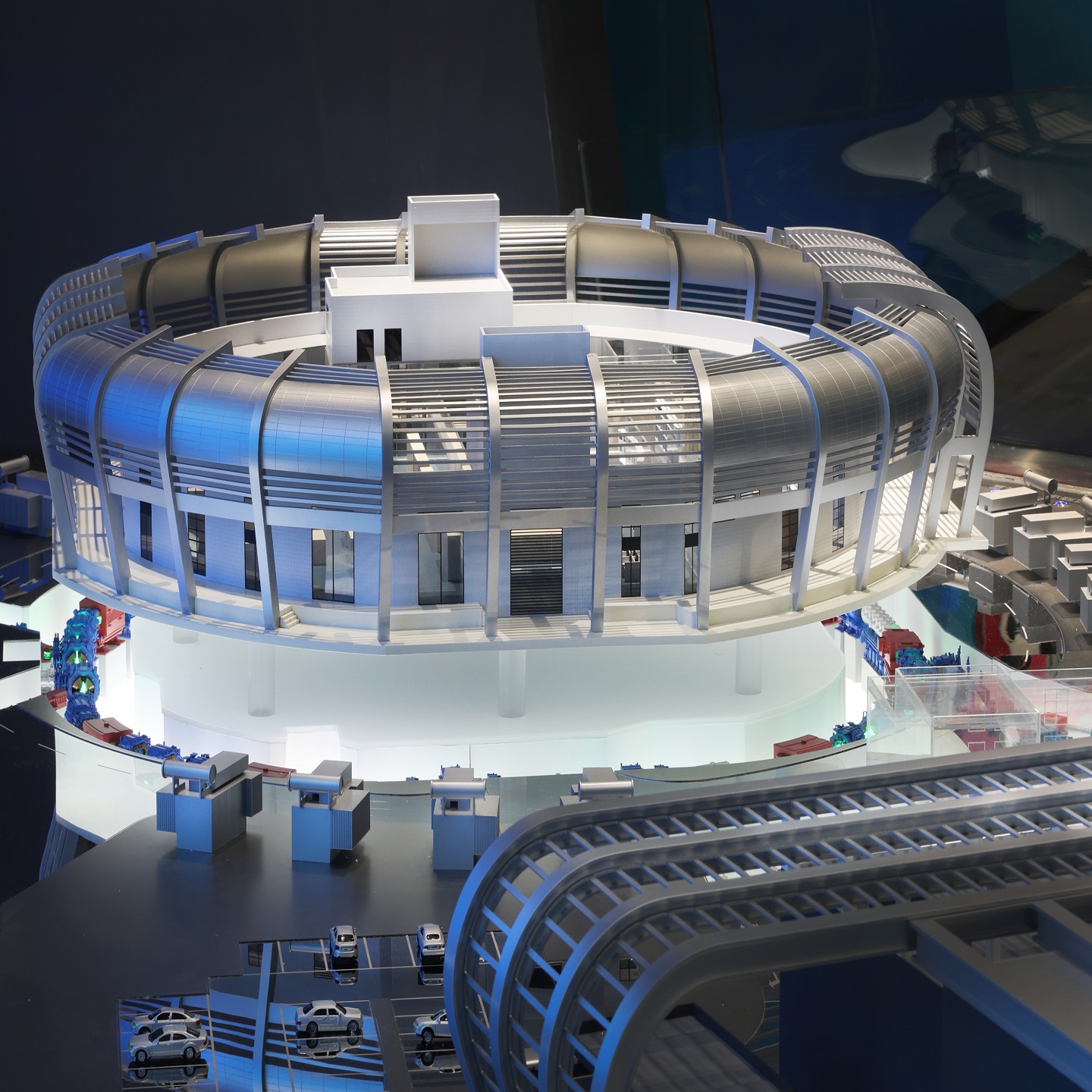
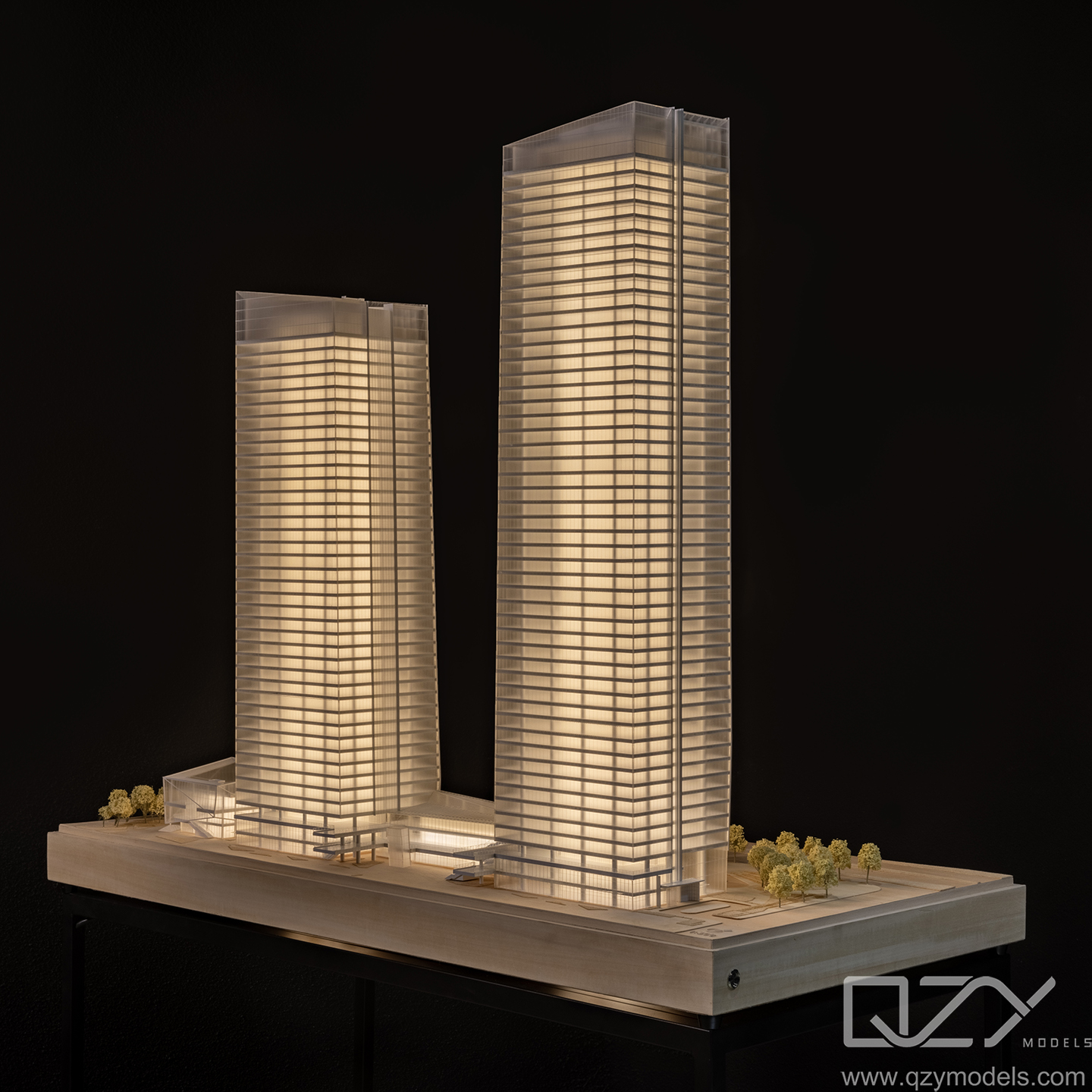
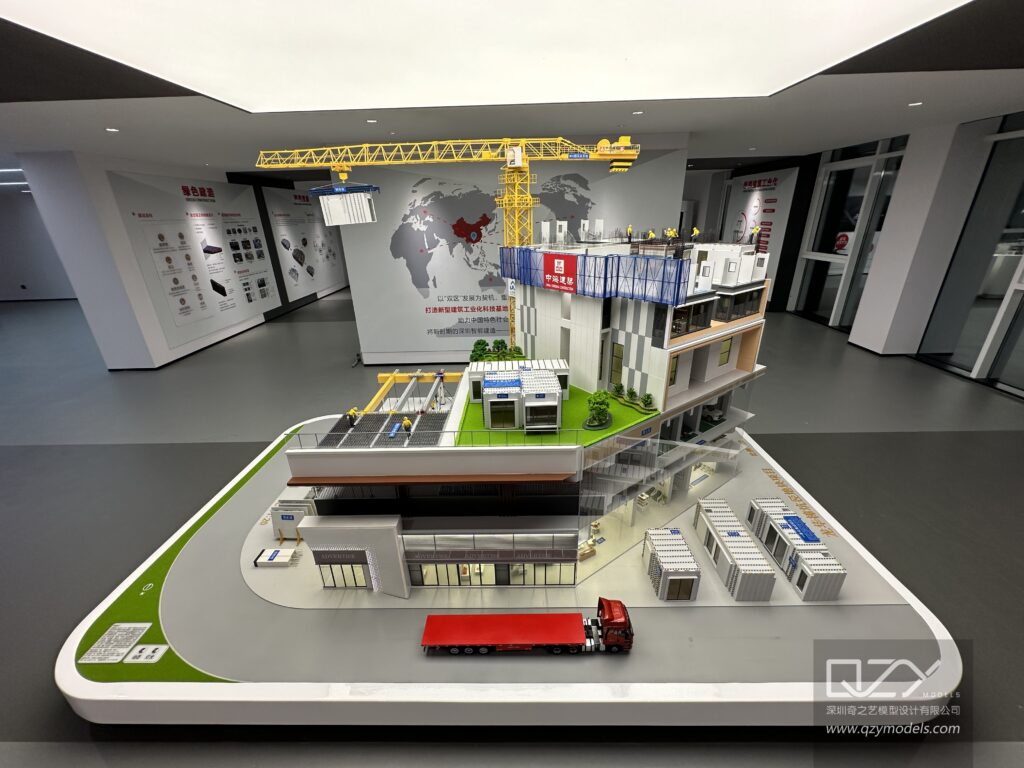
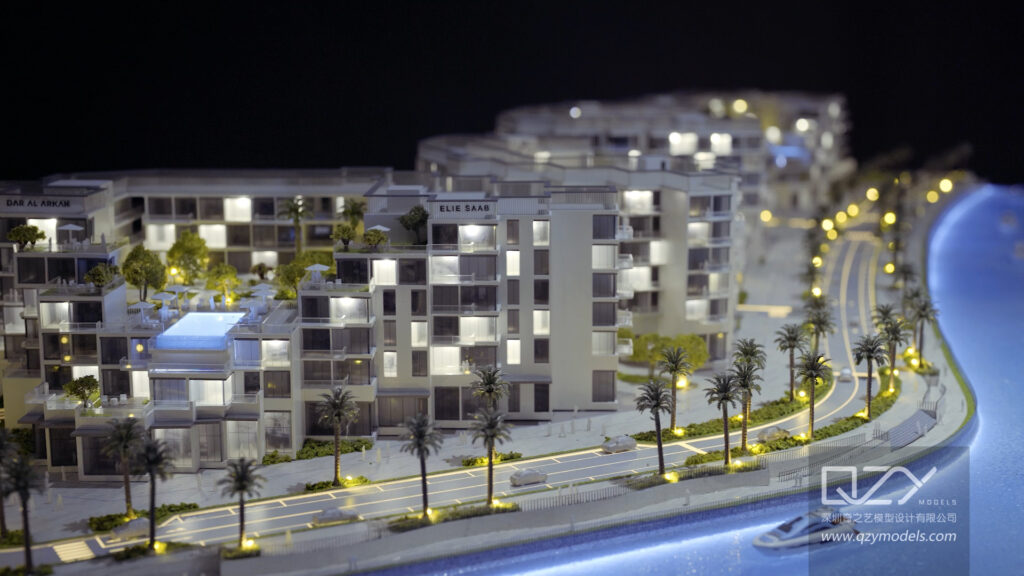
Apartment models are precise, scaled physical replicas of apartment buildings or units that help architects, developers, and buyers visualize designs and layouts before construction. They serve as essential tools for marketing, sales, and design evaluation. QZY Models specializes in creating high-quality apartment models with attention to detail, realistic materials, and interactive elements that enhance understanding and accelerate decision-making.
How Are Apartment Models Defined?
Apartment models are three-dimensional representations of apartment units, complexes, or buildings, used to translate architectural plans into tangible displays. They range from simple conceptual models to highly detailed presentation pieces. These models allow stakeholders to physically engage with spaces, understand proportions, and explore finishes. QZY Models leverages over 20 years of expertise to deliver models with precision and aesthetic accuracy, using materials such as acrylic, wood, foam, and LEDs.
| Model Type | Purpose | Typical Scale |
|---|---|---|
| Conceptual | Design iteration | 1:200 |
| Presentation | Marketing and sales | 1:100 |
| Cutaway | Interior visualization | 1:50 |
Which Types of Apartment Models Are Most Common?
Apartment models are typically categorized into three types: conceptual, presentation, and cutaway. Conceptual models are cost-effective, using foam or cardboard for early-stage design reviews. Presentation models feature premium finishes for exhibitions or sales centers. Cutaway models highlight interior layouts, circulation, and furnishings. QZY Models produces all types, including duplex and triplex configurations for multi-level designs. Selecting the right type depends on project goals: marketing-focused models favor detailed exteriors and landscaping, while design evaluation emphasizes sectional views.
-
Conceptual: Fast, low-cost prototypes.
-
Presentation: High-detail, visually appealing for sales.
-
Cutaway: Reveals interiors and functional flow.
How Are Apartment Models Manufactured?
Apartment model production begins with CAD plans, followed by material selection, laser-cutting, 3D printing, and assembly. QZY Models combines digital modeling with hands-on craftsmanship to ensure millimeter-accurate results. The process involves scanning blueprints, prototyping, client review, assembly, painting, and illumination. Complex projects may take 2-8 weeks. This approach allows early identification of design issues, reducing costly revisions and improving project outcomes.
-
Analyze plans and create digital model.
-
Select eco-friendly, high-quality materials.
-
Fabricate structural and decorative components.
-
Assemble, finish, and perform quality checks.
What Materials Are Used in Apartment Models?
Apartment models use a combination of acrylic for windows and facades, wood or balsa for structural elements, foam boards for prototypes, and LEDs for illumination. QZY Models prioritizes eco-friendly and durable materials, accurately replicating textures such as brick, stone, and glass. Metals are incorporated for industrial-style elements or structural realism.
| Material | Function | Advantages |
|---|---|---|
| Acrylic | Windows, facades | Clear, durable, realistic |
| Wood/Balsa | Frames, interiors | Natural texture, easy shaping |
| LED | Lighting features | Energy-efficient, visual impact |
Why Are Apartment Models Valuable in Real Estate?
Apartment models improve visualization for buyers, investors, and stakeholders, enhancing marketing effectiveness and speeding decision-making. They provide tactile interaction, reveal spatial relationships that blueprints cannot, and highlight key features such as amenities and layout efficiency. Real estate developers, including Vanke, use QZY Models’ creations at exhibitions and sales centers to increase engagement and leasing inquiries.
QZY Models Expert Views
“Apartment models turn abstract architectural designs into tangible experiences that drive project success,” says Richie Ren, founder of QZY Models. “Our global team crafts bespoke models for top architects and developers, combining craftsmanship with cutting-edge techniques. Clients benefit from highly detailed scales, interactive elements, and immersive presentations that enhance marketing, stakeholder engagement, and overall project clarity. With QZY Models, each piece represents precision, quality, and innovation.”
What Scales Are Ideal for Apartment Models?
Standard scales include 1:100 for entire complexes and 1:50 for individual units, providing a balance between detail and manageability. Large-scale models like 1:20 are suitable for interiors, while 1:200 is often used for master plans. QZY Models customizes scales according to client needs to ensure impact, portability, and display compatibility.
How Much Do Apartment Models Cost?
Apartment model pricing varies based on size, level of detail, materials, and production timeline. Basic 1:100 models typically start at $2,000, while fully furnished, interactive models can exceed $20,000. QZY Models provides tailored quotations factoring in complexity, lighting, and optional interactive features, with typical production times of 4-6 weeks.
Cost considerations:
-
Size: Larger models increase cost.
-
Detail: Furnishings and landscaping add up to 30% extra.
-
Timeline: Rush production incurs additional fees.
How Do Apartment Models Improve Sales?
Apartment models captivate prospects by offering immersive and tangible experiences. They emphasize unique selling points such as panoramic views, amenities, and design flow. QZY Models designs models with interactive lighting, sectional cutaways, and movable components, maximizing engagement in sales centers and exhibitions.
Conclusion
Apartment models provide architects, developers, and buyers with actionable insights, marketing advantages, and design validation. Key takeaways: choose the appropriate type and scale, invest in high-quality materials, and partner with experts like QZY Models for precision and reliability. Actionable advice: commission custom models early to refine designs, accelerate sales, and create compelling presentations.
FAQs
How is the quality of an apartment model ensured?
High-quality models feature precise scaling, realistic finishes, and detailed lighting. QZY Models guarantees durability and visual impact.
How long does it take to build an apartment model?
Typical production ranges from 2 to 8 weeks, depending on complexity, with expedited options available.
Can apartment models include interactive elements?
Yes, LEDs, moving parts, and AR integrations are possible for enhanced engagement.
Are custom apartment models cost-effective?
Yes, they improve sales, prevent errors, and provide a strong ROI for developers.
Where can I order professional apartment models?
QZY Models delivers worldwide services for architects, developers, and design professionals.