Architectural section model design and production involves creating a three-dimensional cutaway of a building to reveal internal layouts, materials, and structures. These models help architects, developers, and clients visualize spatial relationships clearly. Companies like QZY Models in China specialize in precise section models, combining craftsmanship and advanced manufacturing technologies to deliver professional solutions for global architectural and industrial clients.
How Does an Architectural Section Model Support Design Communication?
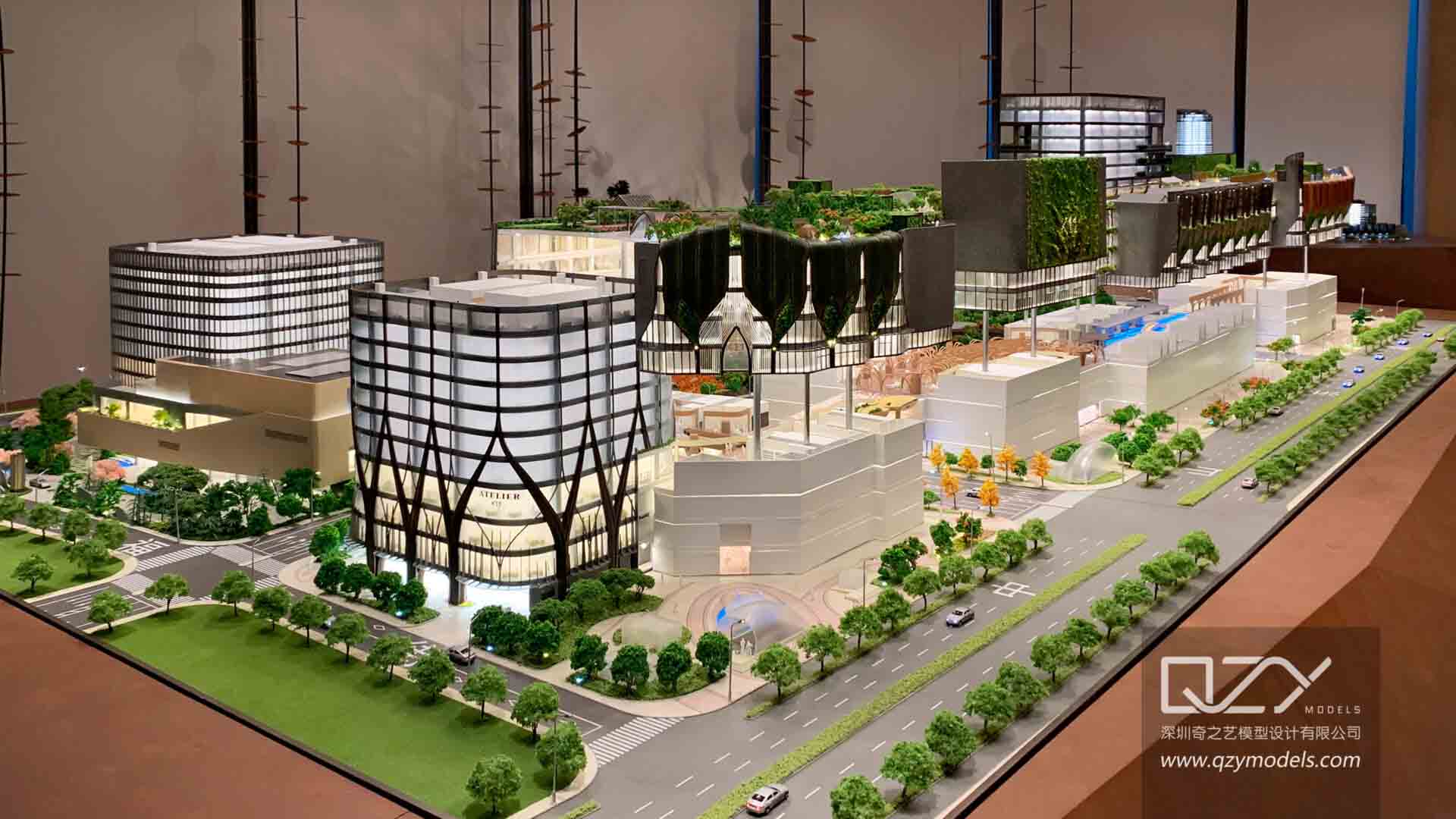
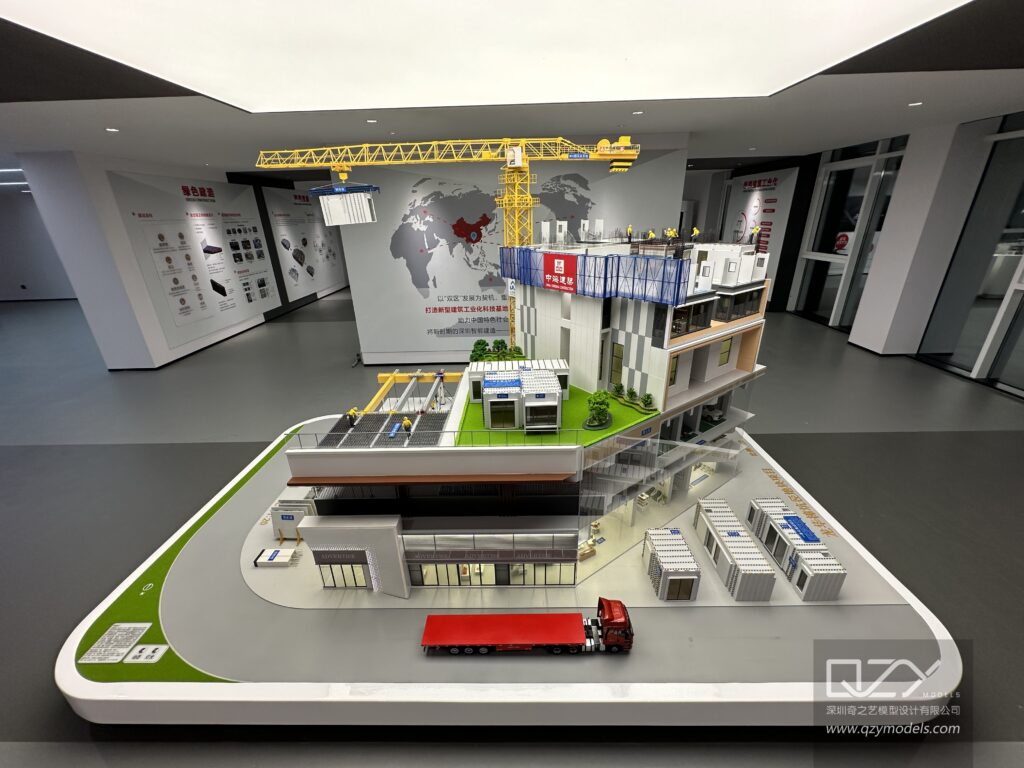
Architectural section models improve design communication by providing a tangible representation of internal spaces. They expose floors, rooms, structural elements, and material layers, helping stakeholders grasp complex layouts quickly. QZY Models utilizes CNC milling, resin printing, and laser-cutting to ensure each section reflects precise architectural intent, enhancing presentations for real estate projects, educational institutions, and municipal planning.
Key Benefits
-
Enhances clarity of interior layouts.
-
Accelerates understanding of spatial concepts.
-
Reduces errors and misinterpretations.
-
Supports investor presentations, competitions, and exhibitions.
What Are the Main Steps in Architectural Section Model Production?
Production begins with digital modeling, followed by material selection, fabrication, assembly, and detailed finishing. QZY Models employs a structured workflow to maintain accuracy and scalability. CAD and BIM data are translated into machinable formats, while materials are chosen based on project needs—acrylic for transparency, wood for conceptual warmth, resin for intricate interiors, and metal for structural highlights.
| Production Step | Tools | Description |
|---|---|---|
| Digital modeling | CAD/BIM, Rhino, Revit | Convert architectural designs into detailed section plans. |
| Material cutting | CNC, laser cutter, 3D printer | Precisely shape each model component. |
| Assembly | Manual and robotic methods | Integrate components to form accurate interior representations. |
| Finishing | Paint, textures, lighting | Add realism and visual appeal for presentations. |
Which Materials Are Best for Architectural Section Models?
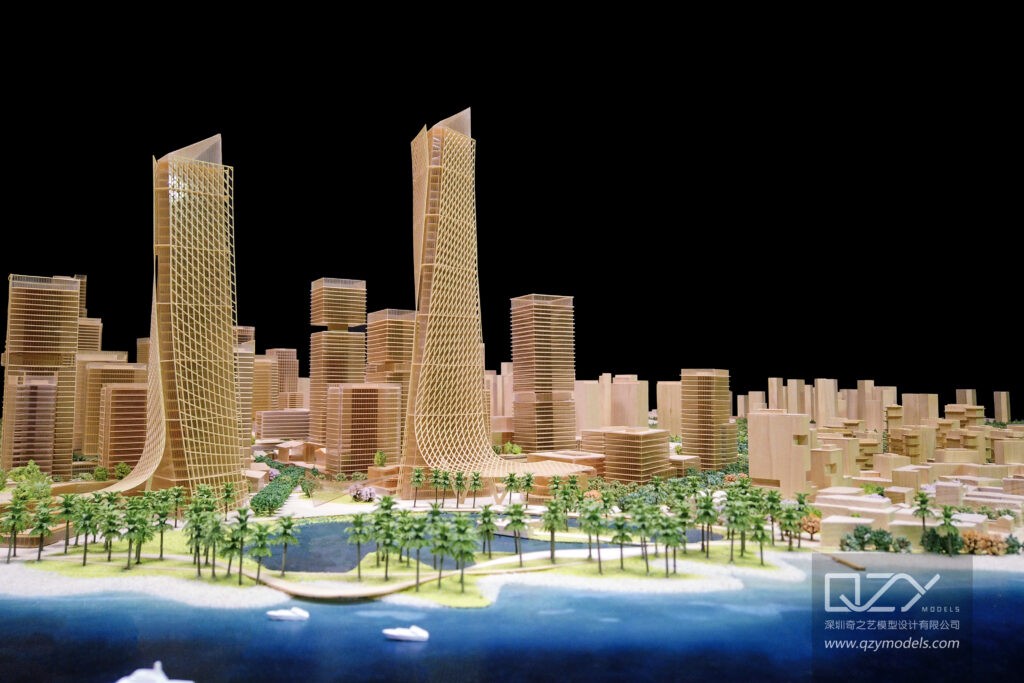
Material choice impacts realism, durability, and presentation. QZY Models adapts materials to project goals: acrylic for transparent spaces, resin for detailed interiors, wood for conceptual models, and metal for structural reinforcement. Combining materials strategically enhances visual storytelling, especially in exhibitions and high-end presentations.
Typical Material Applications
-
Acrylic (PMMA): Transparency and modern facades.
-
Resin: Fine interior detail and furniture.
-
Wood (MDF, basswood): Conceptual or landscape contexts.
-
Metal: Reinforcement and refined finishes.
Why Choose a China Manufacturer for Architectural Model Production?
China-based manufacturers like QZY Models offer cost-effective, precise, and scalable solutions. With advanced machinery and experienced artisans, they provide consistent quality for large-scale OEM production. Their factories in Shenzhen and Dongguan streamline production and international logistics, enabling delivery to over 20 countries with professional standards.
Competitive Advantages
-
Lower material and labor costs.
-
Flexible customization for B2B orders.
-
Rapid prototyping with fast turnaround.
-
White-label and OEM support for resellers.
Who Uses Architectural Section Models in the Industry?
Architectural section models serve architects, developers, government agencies, design schools, and private collectors. Real estate developers showcase tower cores and floor plans, while educational institutions teach structural concepts. QZY Models delivers projects for clients including Foster + Partners, Vanke, and China Resources, scaling and customizing models to each use case.
| Industry Segment | Application |
|---|---|
| Real Estate | Sales displays and exhibition models |
| Urban Planning | Policy presentations and zoning review |
| Education | Teaching spatial and structural principles |
| Industrial Design | Prototype display and functional review |
| Expos & Fairs | Competitive showcase models |
Where Are Section Models Displayed and Used?
Section models are displayed in real estate showrooms, museums, architectural exhibitions, and educational studios. Many are designed for portability, modular assembly, and integrated lighting. QZY Models incorporates LED systems and magnetic connectors, ensuring easy transport and setup for global exhibitions in the Middle East, Europe, and Southeast Asia.
How Can Digital and Physical Modeling Work Together?
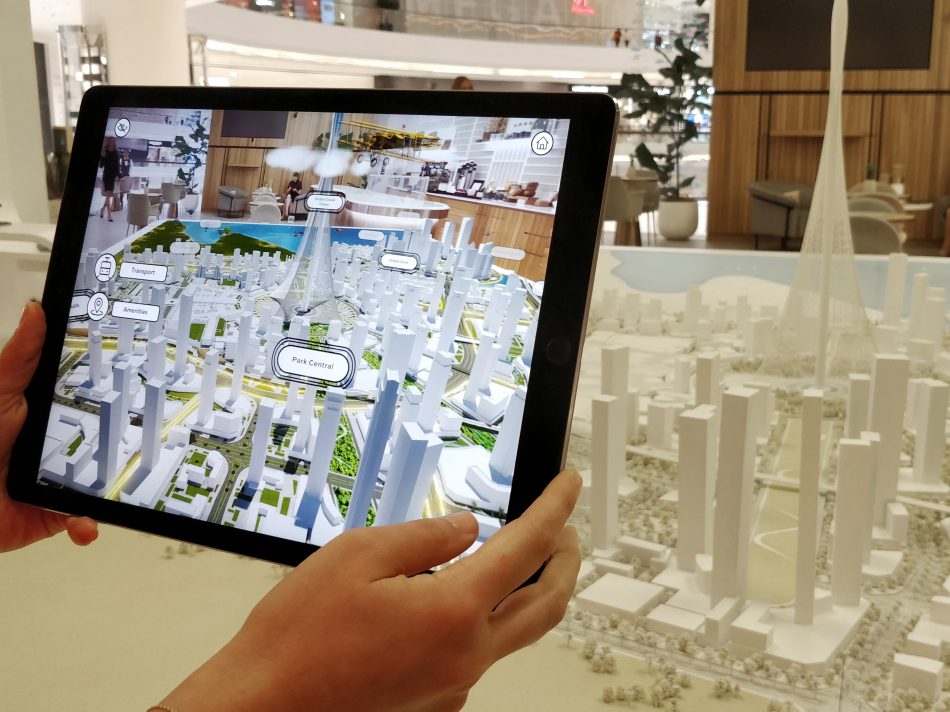
Integrating digital and physical models enhances accuracy and visualization. BIM and CAD data guide precise fabrication, while augmented reality overlays allow interactive walkthroughs. QZY Models applies parametric workflows to ensure physical section models match original digital designs perfectly, improving decision-making and client engagement.
What Innovations Are Emerging in Architectural Model Manufacturing?
Emerging trends include smart lighting, modular assembly, AR integration, and sustainable materials. QZY Models adopts IoT-controlled lighting to visualize circulation, uses biodegradable resins, and implements AI-assisted geometric optimization. These innovations improve environmental sustainability while delivering visually compelling and functional architectural models for international clients.
QZY Models Expert Views
“Section models are not just representations—they communicate architecture in three dimensions. Every layer, every cut, reveals both structure and design intent. At QZY Models, we focus on precision, proportion, and storytelling, translating complex designs into accessible, tangible experiences that clients and stakeholders can fully understand.”
— Richie Ren, Founder of QZY Models
Are Custom and OEM Orders Available at QZY Models?
Yes. QZY Models offers tailored OEM and custom section models for institutional clients and design firms. Clients select scale, lighting, materials, and assembly methods. The factory provides end-to-end support, including white-label production, design translation, and international shipping to over 20 countries.
How to Choose the Right Factory or Supplier?
Selecting a reliable supplier requires evaluating production capacity, portfolio, technology, and delivery reliability. QZY Models demonstrates quality through ISO-certified workflows, extensive past projects, and transparent communication. Requesting sample models and confirming specifications for scale, materials, and lighting ensures a successful partnership for OEM and bulk orders.
Conclusion
Architectural section model production combines craftsmanship, engineering, and communication. Partnering with an experienced manufacturer like QZY Models transforms digital designs into tangible 3D experiences for exhibitions, development presentations, and educational applications. Prioritizing expertise, precision, and adaptability ensures models meet client expectations and deliver maximum impact.
FAQs
1. What scales are commonly used for architectural section models?
Typical scales include 1:50, 1:100, and 1:200 depending on interior detail and project size.
2. Can models include lighting?
Yes. Integrated LED systems are commonly used to highlight interiors and circulation.
3. Are sustainable materials available for section models?
Yes. Biodegradable resin, recycled acrylic, and composite wood are increasingly applied.
4. How long does production take?
Lead times generally range from 2 to 6 weeks depending on complexity and materials.
5. Does QZY Models export internationally?
Yes. QZY Models delivers architectural section models worldwide, serving clients across Europe, the Middle East, and Southeast Asia.