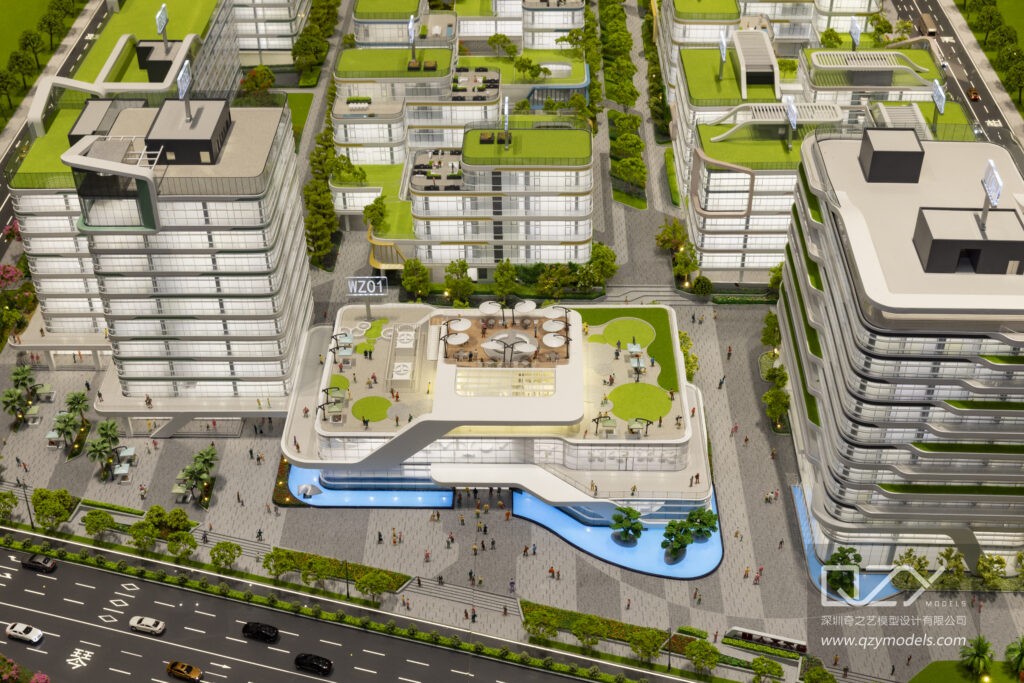
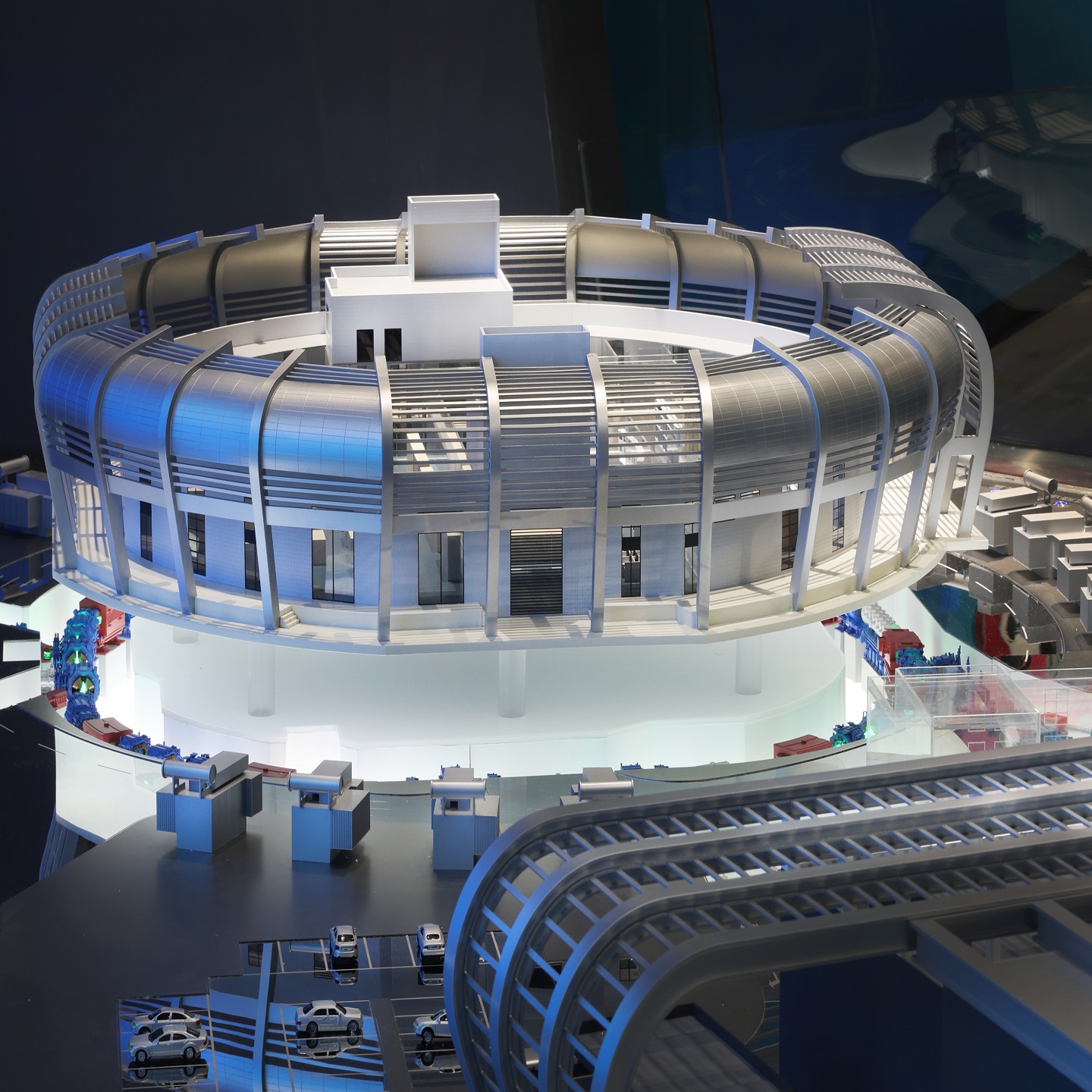
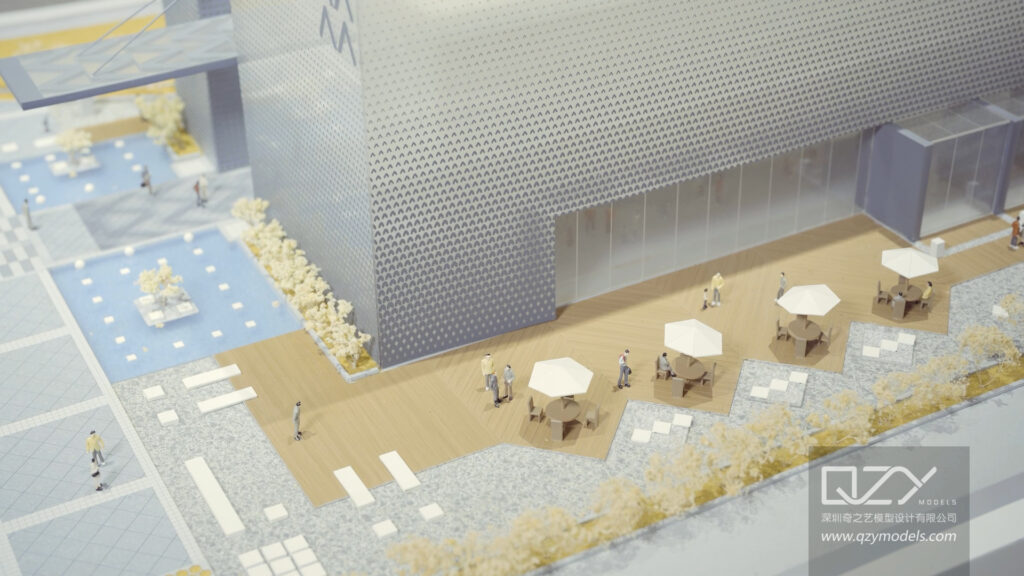
An architectural site model is a detailed, scaled physical representation of a building site, including terrain, landscape elements, and surrounding context. It allows architects, developers, and clients to visualize spatial relationships and project integration effectively. QZY Models produces site models that enhance design understanding, facilitate presentations, support planning approvals, and serve as powerful tools for marketing and communication.
What is an Architectural Site Model?
An architectural site model is a three-dimensional representation of a project site, showing topography, building footprints, landscaping, and environmental context. Unlike building-only models, site models emphasize terrain and surroundings, often including contour layers, trees, water features, and pathways. Materials typically used include cork, foam, wood, and plastic. QZY Models specializes in high-quality site models that combine precision, aesthetics, and accurate scale to support design review, client communication, and planning processes.
How are Architectural Site Models Made?
Site models are created using accurate site surveys or topographical data. Contour layers are cut from cork or foam and stacked to replicate terrain. Additional detailing, such as trees, roads, and water bodies, is added for realism. Modern techniques include laser cutting, CNC machining, and 3D printing for precise components. QZY Models integrates these methods with traditional craftsmanship, producing durable, visually accurate site models that communicate both context and design intent.
Why are Architectural Site Models Used in Design and Development?
Architectural site models provide a tangible understanding of how structures fit within their environment. They assist in evaluating placement, scale, accessibility, and environmental impact, which is crucial for design optimization and planning approvals. They also enhance presentations to clients, investors, and public stakeholders by illustrating spatial relationships in an intuitive way. QZY Models’ site models are trusted worldwide for their accuracy, visual appeal, and effectiveness in supporting decision-making.
Which Materials are Best for Architectural Site Models?
Common materials include:
-
Cork: Lightweight and easy to shape for contour layers.
-
Foam Boards: Provide bulk and elevation.
-
Wood or MDF: Adds durability and supports detailed elements.
-
Acrylic/Plastic: Ideal for water features, pathways, or surface finishes.
Material choice depends on scale, level of detail, budget, and intended use. QZY Models carefully selects materials to balance aesthetics, precision, and longevity for each project.
| Material | Properties | Typical Uses |
|---|---|---|
| Cork | Lightweight, flexible | Contour layers, terrain |
| Foam Board | Light, easy to shape | Bulk elevation, base forms |
| Wood / MDF | Strong, durable | Detailing, structural elements |
| Acrylic / Plastic | Smooth, versatile | Water features, pathways, surface finishes |
Where are Architectural Site Models Commonly Used?
Site models are used in architectural firms, urban planning agencies, real estate development offices, educational institutions, and government bodies. They help diverse stakeholders—from designers and clients to regulators—understand project scope, integration, and visual impact. QZY Models serves clients globally, adapting models to different architectural and cultural contexts, including markets in the Middle East, Europe, and Southeast Asia.
How Can Digital and Physical Models Complement Each Other?
Physical site models provide a tangible spatial understanding, while digital models offer dynamic manipulation, simulations, and environmental analysis. Using both together enhances design communication by combining tactile presence with interactive functionality. QZY Models integrates physical modeling with digital planning workflows to deliver comprehensive solutions that improve both design evaluation and stakeholder engagement.
What Trends are Shaping the Future of Architectural Site Models?
Key trends include sustainable materials, hybrid digital-physical workflows, and enhanced customization. Eco-friendly materials reduce waste, while 3D printing and laser cutting improve precision. Augmented reality overlays and interactive features are increasingly used to enrich client presentations. QZY Models stays at the forefront of these trends, delivering innovative site models that reflect the evolving needs of architects, developers, and investors.
Can Architectural Site Models Improve Project Approval Processes?
Yes, site models simplify complex information, visually communicate design decisions, and demonstrate thoughtful integration with the environment. They facilitate understanding among planners, regulators, and stakeholders, often speeding approvals and reducing revisions. QZY Models’ meticulously crafted site models provide reliable tools to support smooth project progression and informed decision-making.
QZY Models Expert Views
“Architectural site models transform abstract plans into tangible, intuitive forms. At QZY Models, we combine decades of expertise with advanced materials and precision technologies to create models that clearly communicate design intent to architects, developers, and stakeholders. Each model acts as both a functional planning tool and a visual narrative, helping projects gain approval, inspire confidence, and convey context with unmatched clarity.” — Richie Ren, Founder of QZY Models
Key Takeaways and Actionable Advice
-
Choose a model scale that balances detail with usability.
-
Select materials based on durability, aesthetics, and project requirements.
-
Incorporate site models early in the design process to inform decisions.
-
Combine physical and digital modeling for enhanced understanding and presentation.
-
Partner with experienced providers like QZY Models to ensure professional quality and precision.
FAQs
What scale is best for site models?
Commonly between 1:200 and 1:500, adjusted to project size and detail requirements.
How long does it take to build a site model?
Construction can range from several days to weeks, depending on complexity and scale.
Are architectural site models reusable?
Some models can be modified for reuse, but most are project-specific.
Can site models include lighting or moving parts?
Yes, advanced models may integrate interactive features, lighting, or mechanical elements.
How do site models aid in marketing?
They provide visually compelling tools that clearly showcase project context, attracting clients and investors.