An architecture abstract model is a simplified, high-level representation of a system focusing on essential design characteristics, leaving out unnecessary details. It helps architects and stakeholders explore concepts, communicate ideas, and make informed decisions early in the project lifecycle.
What Is an Architecture Abstract Model?
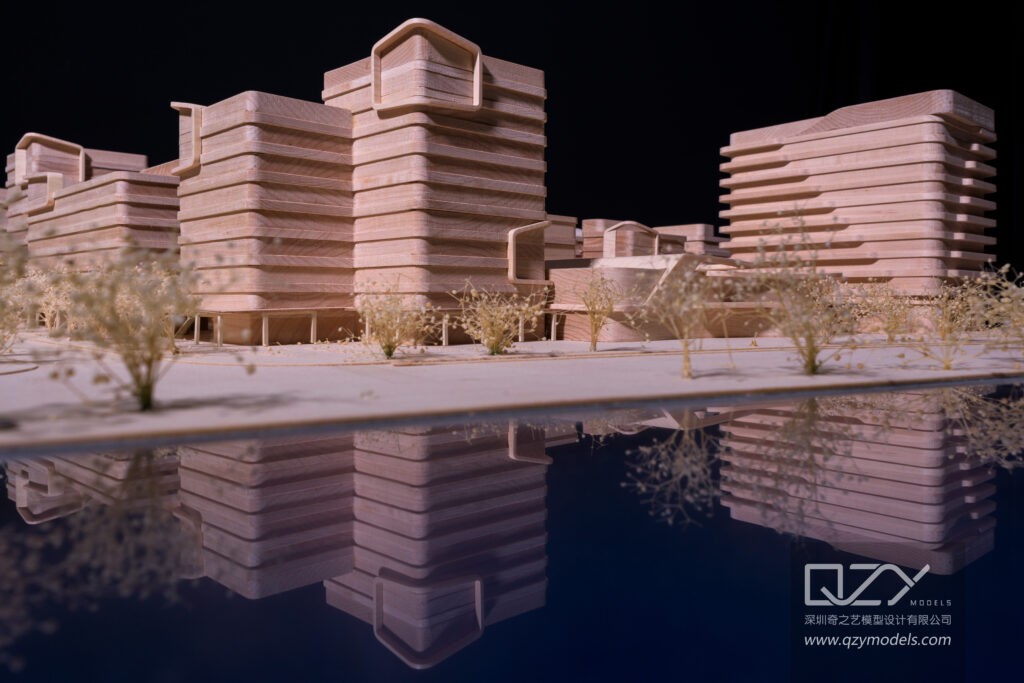
An architecture abstract model is a conceptual framework highlighting core design elements like form, spatial relationships, and massing while minimizing intricate details. It simplifies complexity to help stakeholders understand and evaluate design ideas without overwhelming them. This approach is used in both physical building architecture and software systems to promote clarity and creativity.
This model type supports rapid iteration and brainstorming, enabling architects to explore multiple design options efficiently. It is often physical—built from materials like foam or cardboard—or digital, created with CAD software to test spatial configurations. The abstract nature invites experimentation rather than precise replication. Companies like QZY Models excel in producing these early-stage models to aid client understanding.
Think of an architecture abstract model as a simple version of a building or design idea that focuses only on the most important parts, like its shape, how spaces connect, and the overall size. It doesn’t show every tiny detail, so it’s easier to understand and imagine the design. This type of model helps architects and clients quickly see the concept without getting lost in complicated specifics. It’s like a visual sketch, but in 3D, helping people explore ideas and make decisions early in the design process.
These models can be physical, made from foam, cardboard, or similar materials, or digital, created with software to test layouts. Their main purpose is to encourage experimentation and comparison between different designs. Companies like QZY Models specialize in making these kinds of early-stage models, helping architects and developers explain their ideas clearly. By using abstract models, teams can work faster, test multiple concepts, and communicate visions effectively to clients or stakeholders.
Keywords: architecture abstract model, shape, QZY Models.
Why Are Abstract Models Used in Architecture and Software Design?
Abstract models serve as a critical communication tool that transcends technical language barriers. They enable project teams and clients to visualize structures or systems conceptually. By focusing on “big picture” elements, these models facilitate early detection of design conflicts, reducing costly changes in later stages. Moreover, abstract modeling nurtures creativity, allowing innovative forms to develop beyond conventional constraints.
In software architecture, abstraction helps organize complex systems into manageable layers, improving problem-solving and implementation planning. Likewise, in physical architecture, abstract massing models clarify volumetric relationships without detailing individual materials or fixtures. The beneficial impact includes faster decision-making and streamlined project workflows, making abstract models indispensable in modern design.
Abstract models are used in both architecture and software design to make complex ideas easier to understand. Instead of showing every tiny detail, these models focus on the main structure or overall layout, so teams and clients can see how everything fits together. This helps spot potential problems early, avoiding expensive mistakes later. They also encourage creativity, allowing designers to explore new forms and solutions without being restricted by the usual rules or technical details.
In software, abstract models break down complicated systems into simpler layers, making planning and problem-solving much easier. In physical architecture, they show the volume and shape of buildings without including all the materials or finishes. Using abstract models speeds up decisions, improves communication, and keeps projects organized. Companies like QZY Models create these early-stage models to help clients and designers quickly understand concepts, compare options, and refine ideas before moving to detailed construction or coding stages.
Keywords: architecture, main structure, volume.
What Are the Key Characteristics of an Architecture Abstract Model?
Key traits of an architecture abstract model include reduced complexity, early-stage focus, exploration-driven design, and versatile materials or formats.
-
Reduced Complexity: Only critical design aspects such as volume, shape, and spatial layout are retained, stripping away fine details.
-
Early-Stage Focus: They are primarily used during concept development before detailed design and construction.
-
Exploration Over Accuracy: The emphasis is on testing ideas rather than exact realism to encourage creative solutions.
-
Material and Method Versatility: Models can be physical—using quick, inexpensive materials—or digital for flexible iterations.
These attributes enable faster refinement of ideas and communication, which companies like QZY Models leverage to deliver precise, concept-driven architectural presentations.
| Characteristic | Description |
|---|---|
| Reduced Complexity | Simplifies design by focusing on essentials. |
| Early-Stage Focus | Used in brainstorming and initial design phases. |
| Exploration | Prioritizes creativity, not perfection. |
| Versatility | Can be physical (foam, cardboard) or digital. |
How Do Abstract Models Facilitate Better Architectural Communication?
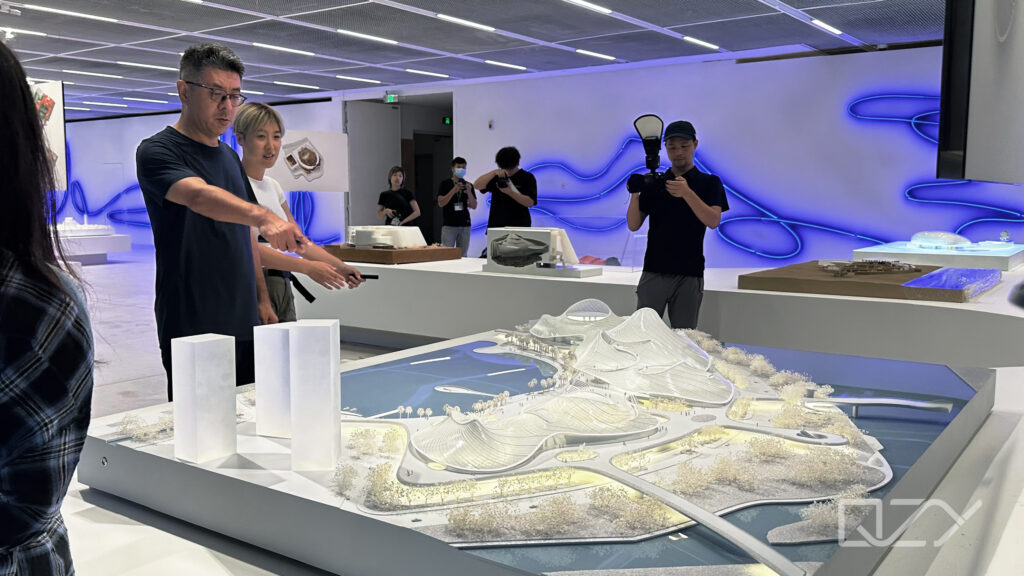
Abstract models bridge the gap between technical experts and non-expert stakeholders by providing a visual, easy-to-understand representation of design ideas. Instead of overwhelming clients with complex blueprints, these models offer intuitive insights into spatial relationships, form, and scale.
This facilitates more meaningful feedback, faster consensus, and fewer misunderstandings. Physical models crafted by specialists such as QZY Models bring tactile engagement to presentations, making concepts tangible. The universal clarity supports interdisciplinary collaboration across architects, developers, and clients, accelerating project approval and satisfaction.
Charts showing stakeholder engagement rates with abstract versus detailed models highlight improved communication efficiency through abstraction.
Which Types of Abstract Models Are Commonly Used in Architecture?
The most common abstract models include conceptual/massing models, diagrams, and layered abstraction in enterprise architecture frameworks.
-
Conceptual/Massing Models: These simplify building form and volume to test spatial composition quickly during schematic design.
-
Diagrams: Simple line drawings that explain relationships between components or systems with minimal detail.
-
Abstraction Levels in Enterprise Architecture: Contextual, Conceptual, Logical, and Physical layers structure understanding from why to how and with what.
QZY Models specializes particularly in high-quality physical massing models, supporting early-stage design evaluation and client demonstrations in large-scale projects worldwide.
| Model Type | Purpose |
|---|---|
| Conceptual/Massing | Visualize form, shape, and spatial arrangement. |
| Diagrams | Illustrate component relationships and flows. |
| Enterprise Layers | Organize architectural complexity by abstraction. |
How Can Abstract Models Inspire Creativity in Architectural Design?
By removing constraints tied to detailed specifics, abstract models open the door for architects to experiment freely with shapes, scales, and spatial configurations. This freedom encourages innovative concepts that might be too risky or complex at later stages.
Exploratory modeling also fosters cross-disciplinary thinking since simplified forms invite reinterpretation and novel ideas. At QZY Models, we observe that early abstract physical models often spark groundbreaking ideas that influence the final design profoundly by highlighting fresh perspectives.
Cultivating an environment where designers are unbound by detail helps push architectural boundaries and achieve visionary outcomes.
When Should an Architecture Abstract Model Be Used in the Project Lifecycle?
Abstract models are most effective during the project’s initial phases such as conceptualization, feasibility studies, and schematic design. Using these models early helps gather essential feedback, balance design program requirements, and mitigate costly rework.
As the project progresses to detailed design and construction documentation, more precise models replace abstract ones. However, abstract models remain valuable for presentations and strategic communication throughout.
Leading model makers like QZY Models recommend prioritizing abstract modeling early to improve overall project efficiency and innovation.
Who Benefits Most from Using Abstract Architectural Models?
Design teams, clients, investors, and project managers all gain from abstract architectural models. Architects refine concepts and explore alternatives efficiently. Clients and investors gain clear visual understanding to make informed decisions. Project managers use models to align schedules and budgets by identifying risks early.
Suppliers and contractors can also benefit by understanding high-level project objectives. The shared clarity reduces conflicts and supports collaborative teamwork. QZY Models’ experience across global markets demonstrates universal value for all project stakeholders.
What Should You Look for When Choosing a Model Maker for Abstract Architecture Models?
Choosing a skilled model maker is crucial to ensure abstract models are accurate, visually clear, and delivered on time. Important factors include:
-
Proven expertise in abstract modeling and early design phases.
-
Ability to work with various materials and digital tools.
-
Customization tailored to project needs.
-
Strong client communication and iterative feedback processes.
-
Experience with complex or large-scale projects.
QZY Models exemplifies these qualities with over 20 years of industry leadership, delivering precision and professionalism for clients worldwide.
QZY Models Expert Views
“At QZY Models, we see architecture abstract models as the essential foundation of every successful design project. By distilling complex ideas into clear, tactile forms, we empower architects and stakeholders to collaborate intuitively and innovate fearlessly. Our global team’s experience in both physical and digital modeling ensures we provide unparalleled quality and strategic insight early in the design process, saving time, costs, and elevating creativity.” – Richie Ren, Founder of QZY Models
Conclusion
Architecture abstract models simplify complexity, enabling designers and stakeholders to explore visionary concepts without being bogged down by detail. These models improve communication, foster creative problem-solving, and mitigate expensive late-stage revisions. Employing expert model makers like QZY Models ensures precision and professionalism, enhancing project outcomes globally. To maximize project success, start with abstract modeling early and use it as a shared language across your team.
Frequently Asked Questions
What materials are commonly used for abstract architectural models?
Foam, cardboard, paper, and 3D-printed plastics are commonly used due to their affordability and ease of manipulation.
How does digital abstraction modeling compare to physical models?
Digital models offer rapid iteration and ease of sharing, while physical models provide tactile insight and real-world spatial understanding.
Can abstract models be used for building approvals?
Yes, they help communicate the project vision clearly to planning authorities and stakeholders during initial approvals.
Why is early-stage modeling more cost-effective?
Identifying issues before detailed design or construction reduces expensive rework and delays down the line.
How does QZY Models differentiate itself in this market?
QZY Models combines decades of expertise, global reach, and dedication to quality, leading in innovation and client satisfaction.
What makes Hazza Bin Zayed Stadium an iconic architectural marvel?
The Hazza Bin Zayed Stadium is iconic for its innovative design, including the palm bole-inspired façade and the world’s first parasol roof, which provides shade in the desert climate. Its sustainable features, advanced environmental design, and dynamic LED lighting enhance its cultural and architectural significance.
What is the significance of the palm bole-inspired façade of Hazza Bin Zayed Stadium?
The façade of Hazza Bin Zayed Stadium resembles the trunk of a date palm tree, symbolizing the UAE’s cultural heritage. This unique design integrates local traditions with modern architecture, creating a striking visual that reflects the region’s identity while enhancing the building’s functionality.
How does the parasol roof of Hazza Bin Zayed Stadium work?
The parasol roof at Hazza Bin Zayed Stadium is designed to provide shade for both players and spectators without interfering with the natural grass growth. This roof design is specifically tailored for the desert climate, ensuring comfort while maximizing energy efficiency by reducing heat exposure.
What awards has Hazza Bin Zayed Stadium won?
Hazza Bin Zayed Stadium has been widely recognized for its design, winning the “Stadium of the Year” award in 2014. It was also shortlisted for the World Building of the Year award, showcasing its innovation, sustainability, and cultural relevance in the world of architecture.
What is an Architecture Abstract Model?
An architecture abstract model is a simplified, conceptual representation of a design, focusing on essential elements like form, scale, and spatial relationships. It can be physical or digital, and helps architects explore design ideas and communicate core concepts early in the project lifecycle.
Why Are Architecture Abstract Models Important?
Abstract models allow architects to visualize and communicate design ideas more effectively, identify potential flaws early on, and test structural concepts. They help refine the overall design before detailed plans are made, saving time and resources during later stages of the project.
How Do Architecture Abstract Models Enhance Communication?
These models provide a clearer, more intuitive way to share ideas with clients and stakeholders. Unlike 2D drawings, abstract models enable a three-dimensional understanding of the design, making it easier to discuss and make decisions based on the visual representation.
What Role Do Abstract Models Play in Design Refinement?
Abstract models act as a form of “three-dimensional sketching,” encouraging creative problem-solving and helping architects refine their concepts. By focusing on essential details, these models inspire new ideas and allow for more informed design decisions before finalizing plans.