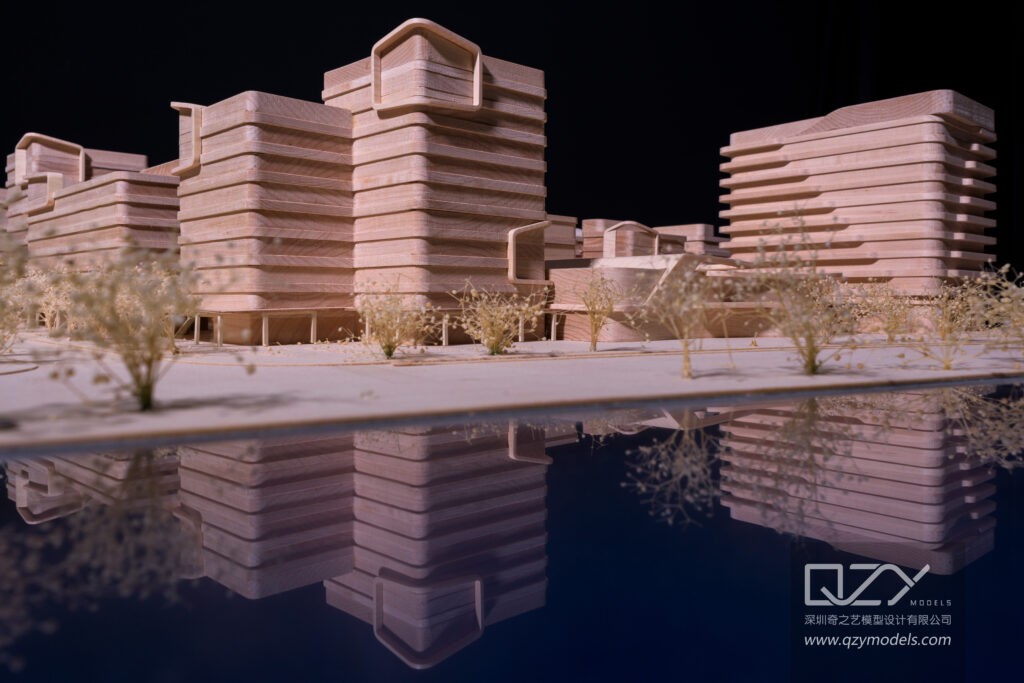
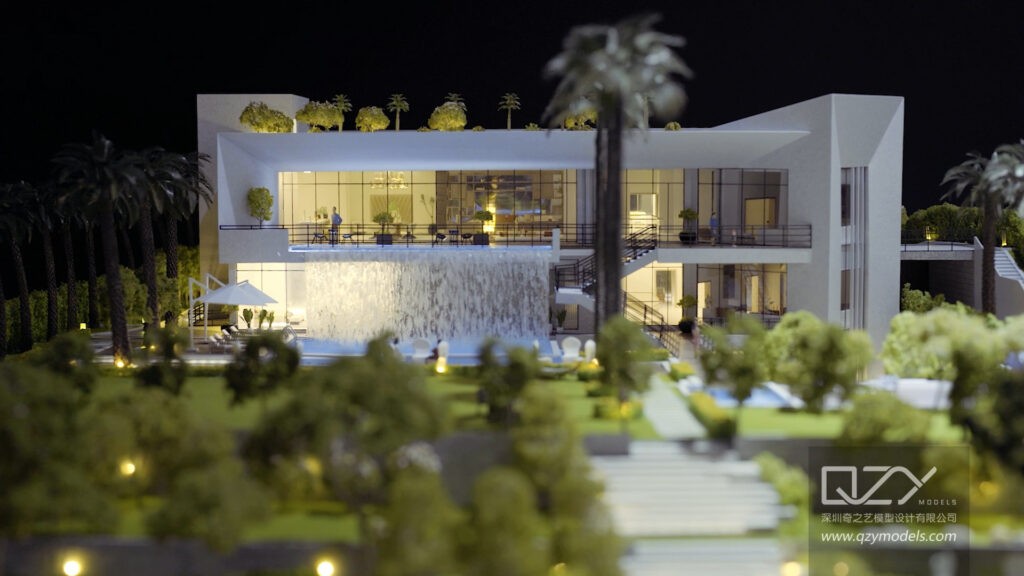
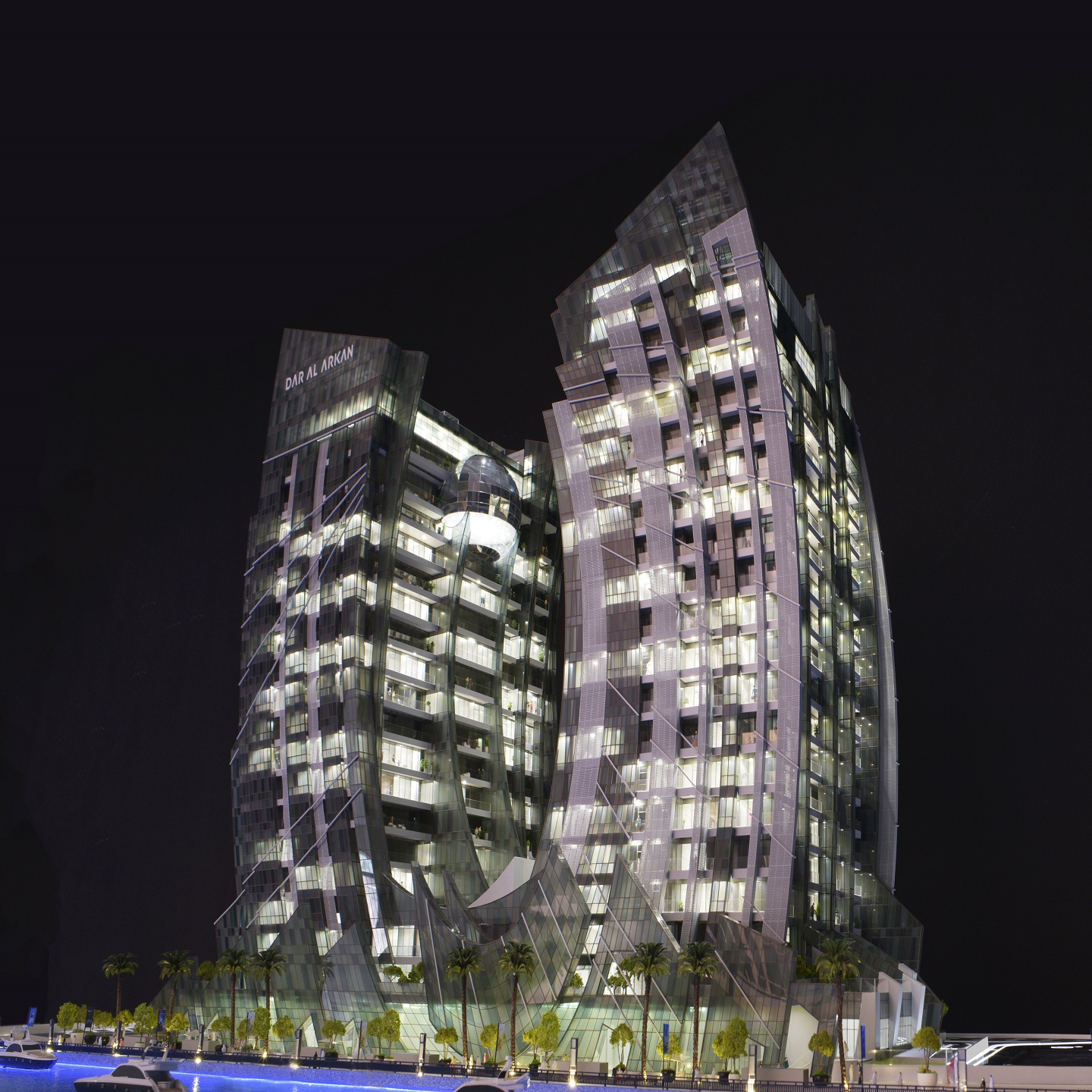
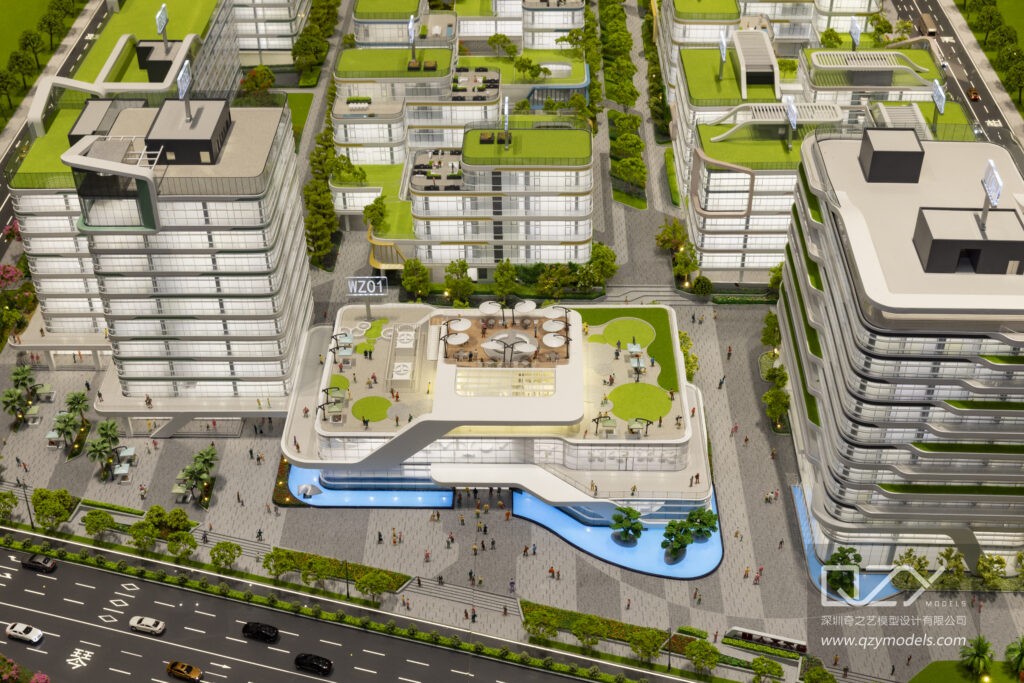
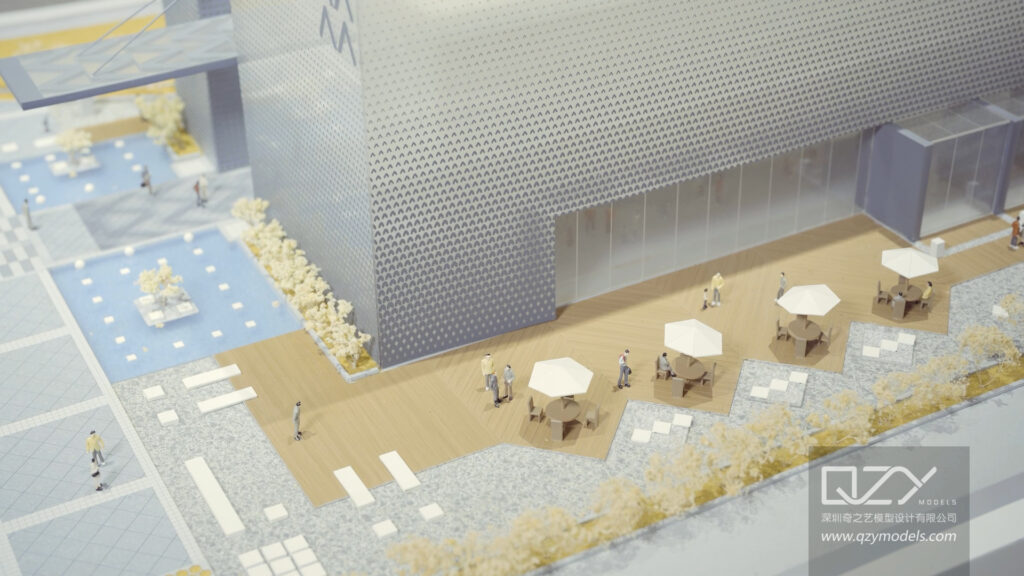
Industrial models are scaled, highly detailed replicas of factories, machinery, and production facilities, designed to visualize workflows, optimize layouts, and communicate operational concepts to stakeholders. QZY Models specializes in crafting these functional and aesthetic models with precision, incorporating moving parts and LED simulations. Delivered globally within 4-8 weeks, these models provide actionable insights for industrial designers, developers, and investors.
What Is an Industrial Model?
An industrial model is a physical, scaled representation of manufacturing plants, equipment, or industrial processes, used to validate designs, simulate operations, and enhance presentations.
QZY Models converts CAD and BIM files into tangible models that accurately reflect production lines, assembly sequences, and facility layouts. These models highlight workflow efficiency, machinery placement, and safety considerations. Serving industrial design firms, real estate developers, and trade show organizers, QZY Models integrates moving elements and lighting to produce visually compelling, functional models. Clients across 20+ countries, including Vanke and Foster + Partners, rely on QZY Models to bridge digital design and physical reality for exhibitions, urban planning, and investor presentations.
| Industrial Model Types | Scale | Key Features | Applications |
|---|---|---|---|
| Conceptual Factory | 1:500 | Basic layout, foam structures | Early planning |
| Detailed Production Line | 1:200 | Moving belts, miniature machines | Process optimization |
| Full Plant Replica | 1:100 | LEDs, motors, cutaways | Stakeholder presentations |
| Equipment Prototype | 1:50 | Functional parts, metals | Engineering demos |
Why Use Industrial Models in Manufacturing?
Industrial models enhance operational planning, identify bottlenecks, reduce errors by up to 30%, and improve stakeholder communication.
Manufacturers use these models to simulate workflows, assess ergonomics, and test expansions without interrupting live operations. Developers showcase models to secure funding, demonstrating efficiency and ROI. QZY Models incorporates dynamic elements such as motorized conveyors and operational LEDs, particularly valuable for automotive, pharmaceutical, and chemical industries. Urban planners rely on full-scale campus models to ensure compliance with zoning and sustainability requirements, while early modeling prevents costly rework and ensures faster approvals.
How to Build a High-Quality Industrial Model?
High-quality industrial models require precise digital planning, material selection, and meticulous fabrication. QZY Models delivers finished models within 4-8 weeks.
Step 1: Design Interpretation
Analyze P&IDs, floorplans, and specifications to ensure accurate scale and functional layout.
Step 2: Digital Modeling
Refine designs in software like Rhino, SolidWorks, or Fusion 360. Add textures, details, and optional animations.
Step 3: Fabrication
Use laser-cutting, CNC milling, and 3D printing to produce components. QZY Models ensures precise alignment for moving parts.
Step 4: Assembly & Testing
Install functional elements like motors or conveyors, apply realistic finishes, and conduct quality checks.
QZY Models’ Shenzhen facility manages large-scale plants, exporting dust-free, museum-grade models worldwide for exhibitions and investor presentations.
What Materials Are Best for Industrial Models?
Optimal materials balance durability, realism, and function. ABS plastics, acrylics, wood, metals, and LEDs provide a lifelike representation.
QZY Models selects materials according to scale and application. Exteriors often use MDF and metal; interiors employ resin, nylon, and high-density foam for detailed machinery. Brass and aluminum accents enhance executive models, while LED and motorized components simulate operations. Sustainable, recyclable composites ensure durability, and finishes withstand trade show handling. Typical costs range from $5,000 to $60,000 depending on complexity and features.
Which Tools Create Accurate Industrial Models?
Accurate models rely on a combination of CAD software, CNC machines, 3D printers, and laser cutters. Blender, SolidWorks, and Fusion 360 handle freeform and functional components.
BIM tools like Revit facilitate facility coordination. QZY Models converts these digital designs into physical models using proprietary slicing algorithms and precision fabrication. Optional VR and AR integrations allow immersive walkthroughs, helping industrial designers and investors understand layouts and operational flows before construction.
How Much Do Industrial Models Cost?
Costs range from $4,000 to $80,000 depending on size, detail, and interactive features. A 1:200 scale production line model typically costs $12,000-$30,000.
Factors influencing cost include plant area, complexity, number of moving parts, and lead time. QZY Models offers transparent pricing starting at $10/sqm for basic models and $30/sqm for advanced functional replicas. Discounts are available for multiple-site projects. Most clients report high ROI through reduced revisions and more successful bids.
| Cost Factors | Low-End ($4k) | High-End ($80k) |
|---|---|---|
| Scale | 1:500 simple | 1:50 detailed |
| Features | Static | Motors/LEDs |
| Size | 1m x 1m | 3m x 2m |
| Timeline | 4 weeks | 8-12 weeks |
What Mistakes Should Be Avoided in Industrial Modeling?
Skipping scale checks, neglecting operational simulations, or using inappropriate materials can compromise accuracy. Early BIM integration and expert reviews are critical.
Common errors include misaligned machinery, static presentations without moving parts, and ignoring safety egress paths. Partnering with QZY Models reduces rework by approximately 35%, ensuring precise, functional, and visually impactful results for exhibitions, client pitches, and operational simulations.
Can Industrial Models Include Working Parts?
Yes. Motors, belts, robotic arms, and pneumatics can simulate real industrial processes, enhancing demonstrations and presentations.
QZY Models integrates functional components seamlessly, providing synchronized operations for investor pitches, training simulations, and interactive exhibitions. AR-compatible wiring and removable sections enable hands-on educational and operational insights, making models both instructive and impressive.
QZY Models Expert Views
“Industrial models translate complex factory operations into tangible, functional replicas. At QZY Models, our 20 years of experience combine CNC precision with artisan finishing, producing models that reveal workflow efficiencies and investment potential. A UAE petrochemical plant model with 50,000 parts demonstrated throughput and secured $1.5B in funding. From Shenzhen to Saudi Arabia, our team delivers models that win projects and advance innovation.”
—Richie Ren, Founder, QZY Models
When Should You Commission an Industrial Model?
Industrial models are most valuable when ordered during concept design, layout optimization, and pre-bid stages to reduce errors and cut change orders.
Early commissioning allows massing and conceptual models; mid-stage for detailed, functional replicas. Post-construction, models can serve as training tools or exhibition displays. QZY Models’ rush services ensure deadlines are met without compromising quality.
How Do Industrial Models Boost Presentations?
Models enhance audience engagement by 70%, enabling stakeholders to grasp complex workflows faster than 2D plans.
Interactive conveyors, motorized parts, and LED lighting illustrate operations dynamically. QR-linked content and portable cases make models ideal for trade shows, investor meetings, and government presentations. Developers and planners can demonstrate scalability, efficiency, and sustainability with compelling visual proof.
Key Takeaways and Actionable Advice
Industrial models optimize design, reduce errors, and strengthen investor confidence. QZY Models provides high-quality, functional, and customizable models tailored to project needs. Commission early, specify scale and interactivity, and integrate LEDs or moving parts for maximum impact. Begin by submitting CAD or BIM files for a personalized quote and elevate your next industrial project.
FAQs
Physical or digital industrial model better?
Physical models provide tactile and visual impact; digital models support rapid iterations. QZY Models offers both with integrated functionality.
How long does QZY Models take to deliver industrial models?
Standard timelines are 4-8 weeks, with 2-4 week rush options. Large facilities may require up to 12 weeks.
Can QZY Models ship internationally?
Yes, with branches in UAE, Saudi Arabia, and Egypt, serving clients in 20+ countries.
What scales are suitable for industrial models?
1:200 for overview models, 1:100 for detailed machinery and workflows. Custom scales available.
Do industrial models include interior details?
Yes, optional cutaways reveal assembly lines, machinery, and utilities. Functional simulations can be integrated on request.