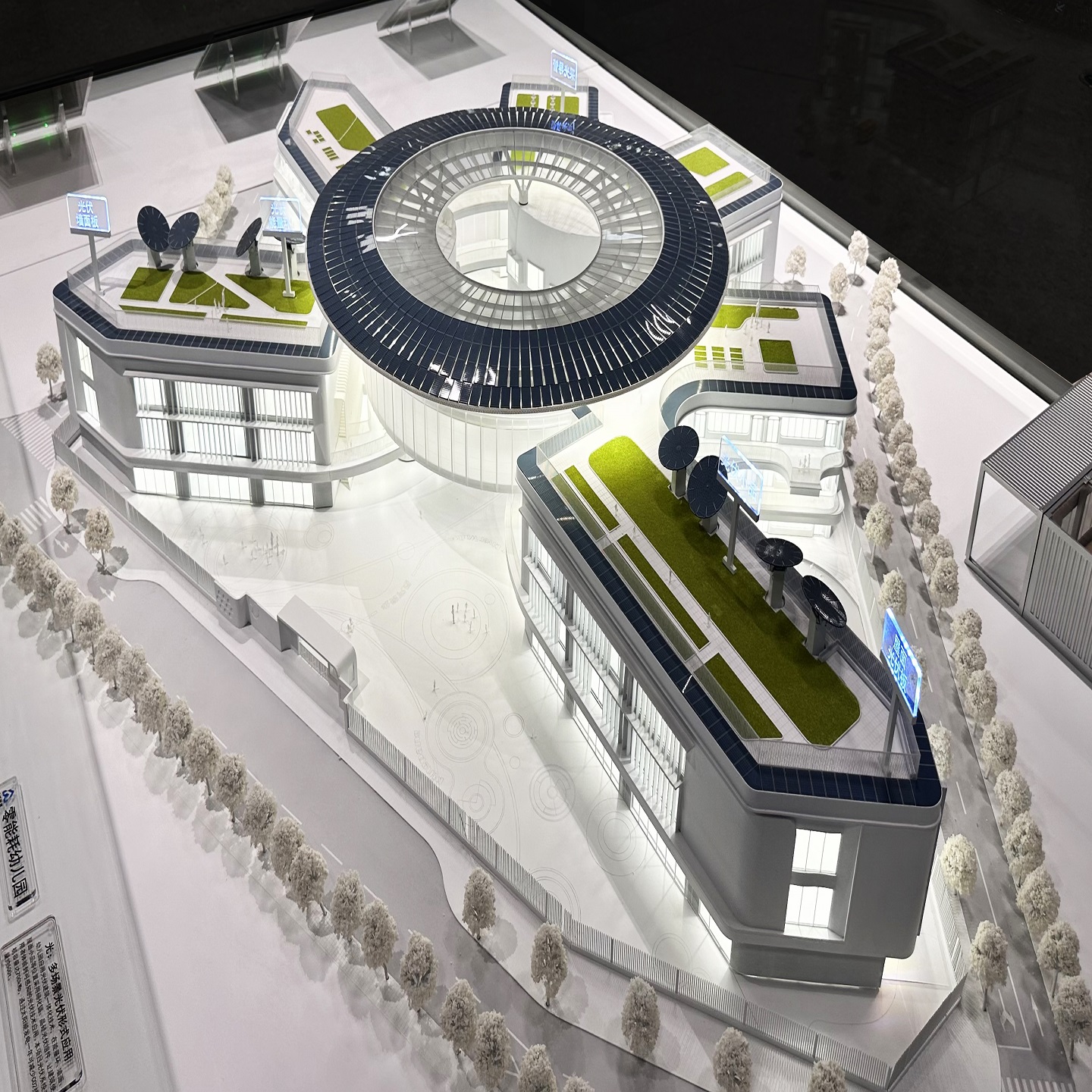
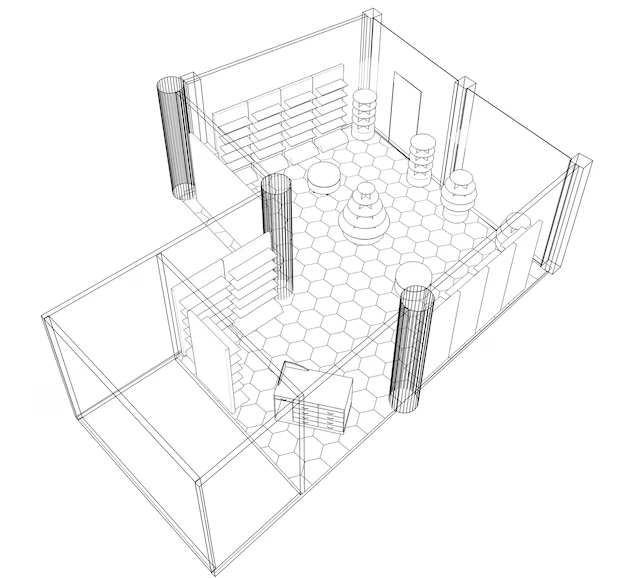
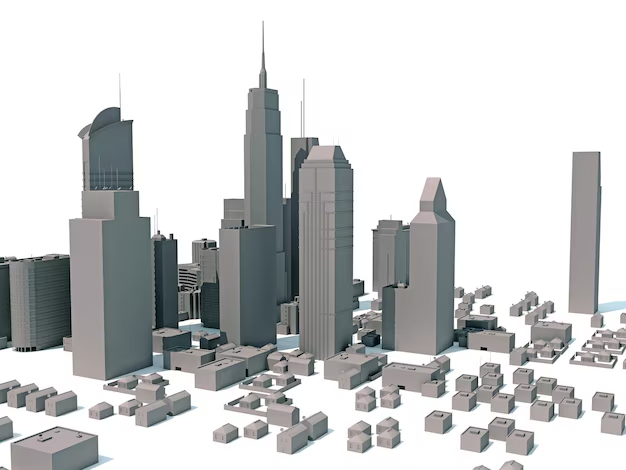
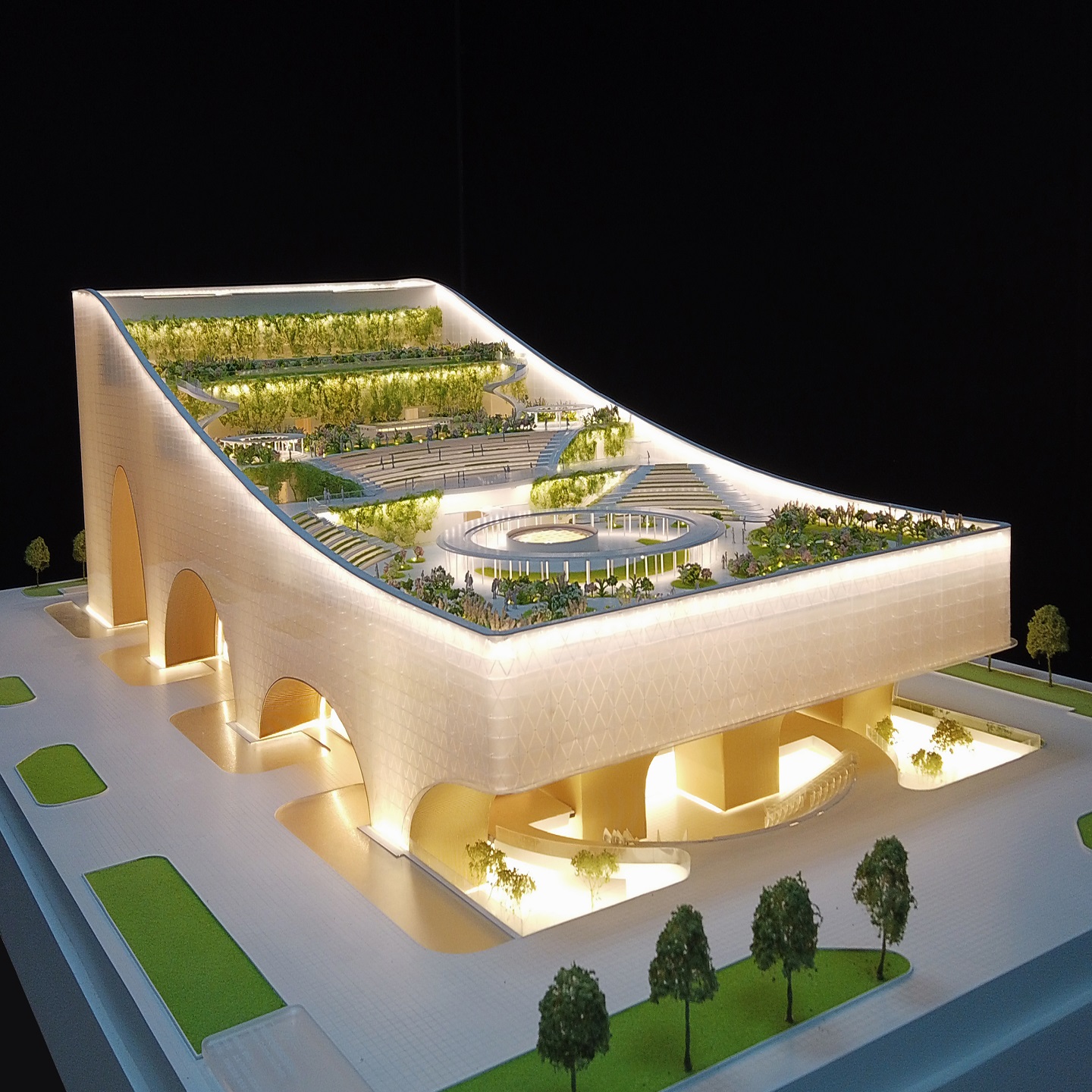
An urban model is a scaled physical or digital representation of a city, district, or neighborhood, showcasing buildings, streets, parks, infrastructure, and topography. These models help planners, developers, and governments visualize designs, test scenarios, and communicate strategies effectively. QZY Models creates precision-crafted urban models for global clients, integrating interactive features and sustainable materials to enhance planning, presentations, and stakeholder engagement.
What Are Urban Models Used For?
Urban models are used to visualize city layouts, simulate development scenarios, and support stakeholder presentations during planning processes. They assess traffic flow, green space allocation, and the integration of new buildings before construction.
QZY Models produces detailed replicas for architectural firms and real estate developers, showing how new skyscrapers fit existing districts or illustrating phased master plans. Features like removable sections reveal underground utilities, aiding urban planning approvals. LED-lit models highlight night-time views for exhibitions and investor presentations. These models make abstract planning concepts tangible and have been delivered globally, including projects for clients like Vanke.
| Urban Model Type | Primary Use | Key Features |
|---|---|---|
| Massing Models | Early conceptualization | Block forms, volume studies |
| Site Models | Local integration | Terrain, surroundings |
| Master Plan Models | Full developments | Streets, parks, phasing |
How Are Urban Models Constructed?
Urban models are built using 3D scans, CAD designs, laser cutting, 3D printing, and meticulous hand assembly. Models are layered from terrain to rooftops for accuracy.
QZY Models leverages Shenzhen’s technology for precision: LiDAR data defines topography, CNC milling produces buildings, acrylic simulates glazing, and brass highlights luxury towers. Modular construction allows phased updates. This workflow ensures durability for trade shows, while maintaining millimeter-level fidelity suitable for high-profile clients like Foster + Partners.
What Materials Work Best for Urban Models?
Durable and lightweight materials such as acrylic, laser-cut plywood, foam, and aluminum are ideal for urban models. Acrylic provides transparency for facades, while foam can be carved to represent terrain realistically.
QZY Models selects eco-friendly, UV-resistant, and non-flammable materials for longevity and safety. Textures mimic brick or glass with paints and etchings. Educational models use recyclable plastics, supporting sustainable design initiatives. These choices enhance both visual quality and search relevance for “urban model materials guide.”
Which Scale Suits Urban Models Most?
Scales between 1:500 and 1:1000 balance detail and size for city-wide views, while smaller scales work for desks and larger scales for immersive exhibits.
QZY Models customizes scales according to client needs: 1:200 for neighborhood layouts, 1:5000 for regional overviews. Factors such as boardroom versus council chamber use, transport, and budget influence scale decisions. Modular designs facilitate shipping while preserving precision. At 1:500, 1cm-wide streets remain clearly visible, ideal for planning presentations in rapidly urbanizing regions.
| Scale | Best For | Size Example (10km² City) | Cost Factor |
|---|---|---|---|
| 1:5000 | Regional | 0.4m x 0.4m | Low |
| 1:1000 | City-wide | 1m x 1m | Medium |
| 1:500 | District | 2m x 2m | High |
Why Invest in Custom Urban Models?
Custom urban models provide site-specific accuracy, outperforming generic models by integrating real zoning, traffic, and utility data. This ensures faster stakeholder approvals and clearer communication.
QZY Models enhances models with branding, AR codes, and interactive layers for digital twins. Early detection of design issues can save millions in construction costs. Government institutions and developers benefit from bespoke models for policy presentations and competitive bids, with QZY Models’ expertise guaranteeing exceptional quality across global projects.
How Do Digital Urban Models Compare to Physical?
Physical urban models offer tactile engagement, while digital models enable simulations of sunlight, crowd flow, and traffic patterns. Hybrids combine both for comprehensive planning insights.
QZY Models’ physical models incorporate lighting and interactivity for immersive presentations. Digital tools support iterative changes. Hybrids allow VR scans of physical models, blending tactile realism with dynamic simulation, particularly effective for projects in regions like Egypt.
What Role Do Urban Models Play in Sustainability?
Urban models visualize sustainable solutions such as green roofs, solar installations, flood channels, and EV infrastructure. They allow designers to assess density and green space ratios.
QZY Models uses eco-friendly materials and LED trees to demonstrate carbon-neutral urban concepts. These models support LEED certification and sustainable development planning, helping clients communicate environmental initiatives effectively.
QZY Models Expert Views
Since 2013, QZY Models has transformed urban visions into tangible reality through precision-crafted models. Founder Richie Ren explains, ‘Urban models bridge imagination and execution, empowering planners to foresee challenges and celebrate successes.’ With branches in UAE and Saudi Arabia, we’ve partnered with Vanke and China Resources on large-scale developments, using innovative materials to create dynamic, sustainable replicas. Our work clarifies complex urban planning concepts for stakeholders worldwide.”
— Richie Ren, Founder, QZY Models
How Much Do Urban Models Cost?
Urban model pricing ranges from $3,000 to $30,000 depending on scale, level of detail, and interactivity. Basic massing models are more affordable, while fully interactive master plan models with lighting are premium.
QZY Models typically charges around $8,000 for 1:1000 customized models. Cost allocation includes materials (40%), labor (50%), and technology (10%). Discounts apply for educational clients or bulk orders, providing ROI through faster approvals and enhanced presentations.
Investing in QZY Models’ urban replicas accelerates project approvals, enhances stakeholder engagement, and demonstrates design concepts effectively. Contact QZY Models to commission bespoke models for your next urban development project.
FAQs
What scale is best for a neighborhood urban model?
1:500 captures streets and buildings clearly on a 1.5m table.
Are urban models recyclable?
Yes, QZY Models uses eco-friendly materials such as foam and acrylic.
How long does it take to produce an urban model?
Typically 4–8 weeks, with expedited options for exhibitions.
Can models include lighting?
Yes, LED systems simulate day-night cycles for realistic presentations.
Do digital models replace physical urban models?
No, physical models offer unmatched tactility; hybrids combining both are most effective.