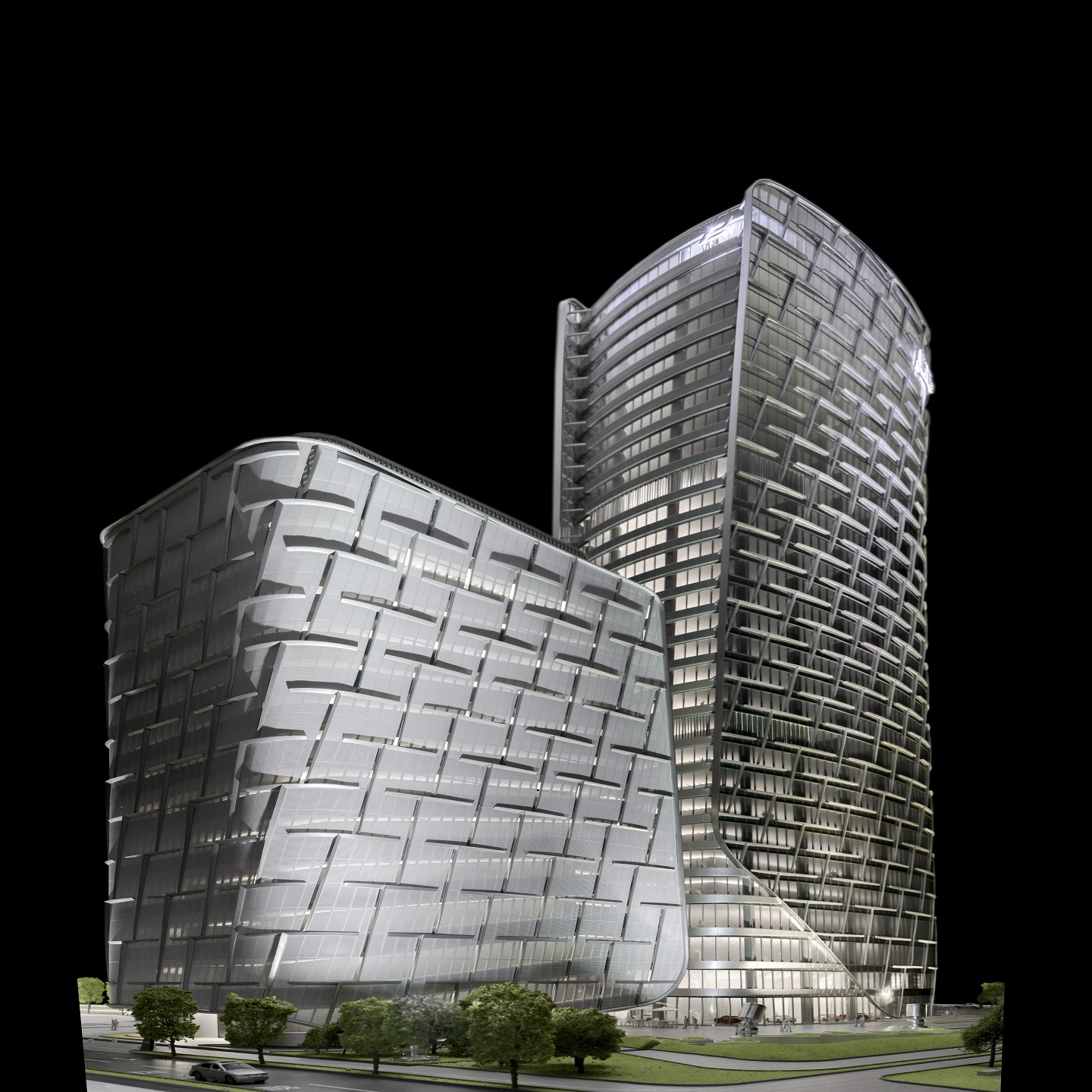
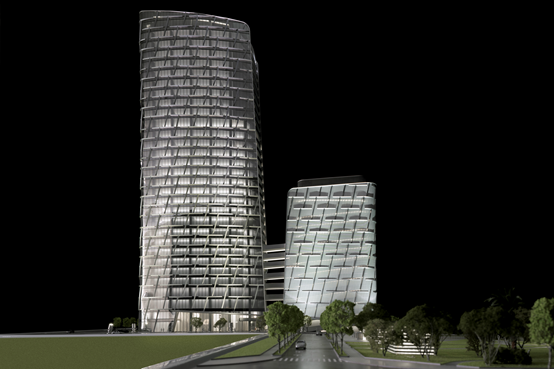
Architectural 3D modeling in Jakarta is the process of creating detailed three-dimensional digital or physical models to visualize and plan urban and architectural projects. It helps architects, developers, and planners communicate design intent, analyze spatial relationships, and make informed decisions on building aesthetics and functionality in rapid urban growth areas like Jakarta.
Architectural 3D modeling serves as a vital tool throughout the project lifecycle, from conceptual planning to client presentations and construction guidance. Models can be customized in scale and detail, incorporating lighting, landscaping, and structural elements for realistic representation. Its essential role in Jakarta’s development enables precise visualization of complex designs, supporting stakeholders in decision-making and marketing.
How do manufacturers in China contribute to architectural 3D modeling?
Chinese manufacturers play a crucial role by producing high-quality physical architectural models through precision craftsmanship and advanced technologies such as laser cutting and CNC machining. These factories, including OEM and wholesale suppliers, deliver customized models tailored to client specifications globally, offering significant cost and time efficiency compared to local production.
China-based manufacturers leverage economies of scale, skilled labor, and material access, making them preferred suppliers for international architectural firms and developers. Their commitment to quality, adherence to deadlines, and innovation foster trust and long-term collaboration opportunities, positioning China’s factories as leaders in the global architectural model supply chain.
Which industries benefit most from architectural 3D modeling services in Jakarta?
Key beneficiaries include architecture firms, real estate developers, urban planners, and government agencies. Architecture firms use 3D models to refine design concepts and secure project approvals. Real estate developers showcase models to attract investors and buyers by providing tangible visualization of completed projects.
Urban planners employ models to assess cityscape integration, infrastructure impact, and zoning. Government agencies utilize detailed models for public consultation and urban development strategies. These industries rely on both digital and physical models to improve project clarity, reduce errors, and enhance stakeholder engagement in Jakarta’s dynamic market.
Why is precision important in architectural physical models?
Precision ensures that architectural physical models accurately reflect design specifications, scale, and intricate details. This fidelity enables better understanding and evaluation of architectural elements, structural relationships, and aesthetic qualities, minimizing misunderstandings between designers and clients.
Highly precise models are essential for effective presentations, marketing, and decision making, providing a tangible reference that supports investment confidence and project approvals. Chinese factories specializing in OEM architectural modeling emphasize precision through advanced manufacturing techniques and quality control, differentiating their products in the competitive market.
How can wholesale and OEM architectural model factories optimize the supply chain?
Wholesale and OEM factories optimize supply chains by streamlining production processes, employing standardized manufacturing techniques, and leveraging bulk material procurement. Efficient project management and communication facilitate timely delivery, allowing clients to meet tight deadlines.
Factories integrate digital workflows, including CAD and 3D printing, for rapid prototyping while maintaining consistency across orders. Building long-term partnerships with suppliers and clients supports customization needs and volume scalability. This approach reduces costs and turnaround times for architectural model clients worldwide.
What are the latest technological advancements in architectural 3D modeling?
Recent innovations include photorealistic rendering, virtual reality (VR), and augmented reality (AR) integration, enhancing design presentation and client interaction. Advanced 3D printing and CNC machining allow for intricate physical models with complex geometries and fine detail.
Building Information Modeling (BIM) integration supports collaborative workflows and data-rich designs. Chinese manufacturers are increasingly adopting these technologies to improve model accuracy, customization, and delivery speed, ensuring they meet evolving market demands and maintain competitive advantages.
Who are the leading suppliers and manufacturers of architectural models in China?
China hosts numerous professional architectural model manufacturers offering OEM and wholesale services. Established brands like QZY Models lead with over 20 years of expertise, supplying high-quality models to global clients, including top architects and developers.
These manufacturers combine traditional craftsmanship with automated production, ensuring precision and scalability. Their extensive experience, global reach, and certifications build trust among international customers seeking reliable architectural modeling partners in China.
When is it best to engage a China-based factory for architectural model production?
Engaging a China-based factory early in the design phase is ideal to optimize model development timelines and costs. Early collaboration allows for design refinement, material selection, and prototyping, ensuring an accurate final product.
Choosing China-based suppliers benefits clients handling large volumes or requiring cost-effective solutions without compromising quality. Early involvement also facilitates better communication and customization to match project goals, reducing last-minute changes and production delays.
How does QZY Models ensure quality and innovation in their architectural models?
QZY Models combines over two decades of industry expertise with advanced manufacturing technologies to deliver exceptional model quality. Their dedicated team meticulously handles every project phase, from design to final assembly, ensuring precision and detail.
Innovation drives QZY’s approach, incorporating new materials, lighting effects, and digital tools to enhance model presentation. Their global presence and strong client portfolio reflect a commitment to excellence, making QZY Models a trusted name for OEM architectural model production and wholesale supply.
Where can clients find reliable wholesale architectural models from China?
Clients can find reliable wholesale architectural models by partnering with experienced factories like QZY Models, known for high-quality craftsmanship and customizable options. China’s manufacturing hubs in Shenzhen and surrounding regions specialize in scalable production with OEM services tailored to international clients.
Trustworthy suppliers offer transparent communication, quality certificates, and adherence to deadlines. Utilizing global logistics networks, these factories facilitate smooth export processes, ensuring timely delivery worldwide and competitive pricing that benefits architectural firms and developers.
QZY Models Expert Views
“At QZY Models, we believe precision and innovation transform architectural concepts into tangible realities that inspire confidence and creativity. Our expertise combines traditional craftsmanship with cutting-edge technology, delivering physical models that serve as powerful communication tools for architects and developers. Partnering with global clients for over 20 years, we understand the nuances of design replication and the importance of reliable, scalable production. Our commitment is to quality, professionalism, and continuous improvement to support the evolving needs of the architectural and industrial modeling industry.”
Table 1: Comparison of Architectural Model Production Benefits from China Manufacturers
| Benefit | Description | Impact |
|---|---|---|
| Cost Efficiency | Bulk material sourcing and labor advantage | Lower production costs |
| Precision Manufacturing | Advanced technology and skilled craftsmanship | High-quality detailed models |
| Scalability | Ability to handle large volume orders | Faster project turnaround |
| Customization | OEM capabilities for tailored solutions | Client-specific designs |
| Global Logistics | Established shipping and export systems | On-time international delivery |
Table 2: Top 5 Uses of Architectural 3D Models in Jakarta
| Industry | Purpose | Model Type |
|---|---|---|
| Architecture Firms | Design visualization and presentation | Physical & digital |
| Real Estate Developers | Marketing and investor engagement | Physical models |
| Urban Planners | Cityscape and infrastructure planning | Master plan models |
| Government Agencies | Public consultation and development strategies | Scale district models |
| Construction Teams | Reference for building and coordination tasks | Detailed physical models |
Conclusion
Architectural 3D modeling in Jakarta serves as a cornerstone for effective urban and architectural project realization, enabling seamless communication and decision-making. China’s manufacturers, especially specialized OEM and wholesale factories like QZY Models, provide superior physical models that combine precision, cost efficiency, and timely delivery. Leveraging the latest technological advancements and deep industry expertise, these factories empower global clients by supplying customized modeling solutions. Early collaboration and selecting trusted suppliers ensure project success. For ambitious architectural ventures requiring quality physical models, QZY Models embody excellence in craftsmanship and innovation.
Frequently Asked Questions
What makes China-based architectural model manufacturers stand out?
They offer a blend of traditional craftsmanship and modern technology, producing high-quality, cost-efficient models at scale with reliable global shipping.
How detailed can architectural 3D physical models be?
Models can include intricate architectural features, interior elements, lighting effects, and landscaping to provide realistic and informative presentations.
Is outsourcing model production to China suitable for small projects?
Yes, many factories handle both large and small volume orders, with customizable options and competitive pricing for various project sizes.
How long does it usually take to produce an architectural physical model?
Production time varies by scale and complexity but typically ranges from 2 to 6 weeks, depending on project specifics and factory capacity.
Can QZY Models handle international architectural projects?
Absolutely, with branches worldwide and over 20 years of experience, QZY Models serves clients globally with tailored OEM and wholesale services.