What Is Building Massing and Why Is It Important?
Building massing is the architectural process of defining a structure’s overall shape, volume, and form in three‑dimensional space, and it directly shapes how a building looks, functions, and performs in its environment. A well‑resolved massing study not only improves aesthetic coherence and urban fit but also enhances energy efficiency, daylighting, and project approval speed—making it one of the most high‑leverage decisions in early‑stage design. For architecture and development teams, translating these massing ideas into physical or digital models, such as those produced by QZY Models, is critical to validating scale, context, and stakeholder alignment before costly design lock‑in.
How Is the Industry Currently Handling Building Massing?
Urbanization is accelerating worldwide, with the UN projecting that nearly 70% of the global population will live in cities by 2050, putting immense pressure on land use, density, and design quality. In many major markets, regulatory frameworks now require detailed massing studies for height, setbacks, shadow analysis, and wind‑microclimate impact, yet a large share of projects still rely on rough sketches or low‑fidelity 3D sketches in the early stages.
Architectural and planning firms often face tight deadlines and compressed design cycles, which leads to under‑explored massing options and late‑discovered conflicts with zoning or neighboring buildings. This can trigger redesigns, planning objections, or even rejections, which in turn delay approvals, increase fees, and erode project margins. In many cases, clients and municipal reviewers struggle to interpret abstract digital wireframes, making it harder to secure consensus around massing proposals.
What Are the Main Pain Points Around Massing Today?
One recurring pain point is the gap between conceptual intent and physical reality. Designers may envision a striking silhouette on screen, but without proper massing models or physical mock‑ups, it is difficult to judge how that form reads at street level, how it casts shadows, or how it relates to adjacent structures. This gap often only becomes visible late in the process, when changes are expensive.
Another major issue is communication friction with non‑technical stakeholders. Developers, investors, city planners, and community groups typically lack the training to read complex 3D CAD or BIM models, so they rely on simplified visuals. If those visuals are inaccurate or oversimplified, they can create unrealistic expectations or objections that could have been avoided with clearer, more tangible representations.
Finally, there is growing pressure to optimize massing for sustainability and performance. Energy‑modeling tools, daylight‑analysis software, and microclimate simulations all depend on accurate building geometry; if the early massing is crude or speculative, these analyses produce misleading results, undermining claims about energy savings, solar access, or wind comfort.
How Do Traditional Solutions Fall Short?
Historically, architects have relied on hand‑sketched massing diagrams, simple foam‑core models, or basic digital wireframes to explore form. While these methods are fast and inexpensive, they suffer from several limitations. Hand sketches are two‑dimensional and often fail to convey true volumetric relationships, while foam‑core models can be fragile, imprecise, and difficult to modify once assembled.
Digital‑only workflows—such as early‑stage BIM or generic massing in common design software—also have drawbacks. Many teams use generic geometry that lacks material realism, context buildings, or accurate site conditions, so the model does not reflect how the massing will actually appear in the real environment. Furthermore, these models are often too technical for clients or planning committees, which reduces their effectiveness as communication tools.
Even when teams commission physical models, they sometimes work with generic model‑makers who do not specialize in architectural massing. This can lead to inconsistent craftsmanship, inaccurate scaling, or poor representation of materials and textures, which undermines the credibility of the design proposal.
What Is the Modern Solution for Building Massing?
The modern solution lies in integrating high‑fidelity massing studies with precise physical and digital models that are purpose‑built for early‑stage decision‑making. This approach combines parametric massing tools, environmental simulations, and professionally crafted architectural models to explore multiple volumetric options quickly while maintaining a high degree of realism.
At the core of this solution are dedicated massing models—simplified but accurate representations of a building’s form, scale, and context that can be viewed from multiple angles, photographed, and tested against sun paths, shadows, and wind patterns. These models help teams compare alternative massing strategies, evaluate urban fit, and identify clashes with surrounding infrastructure before committing to detailed design.
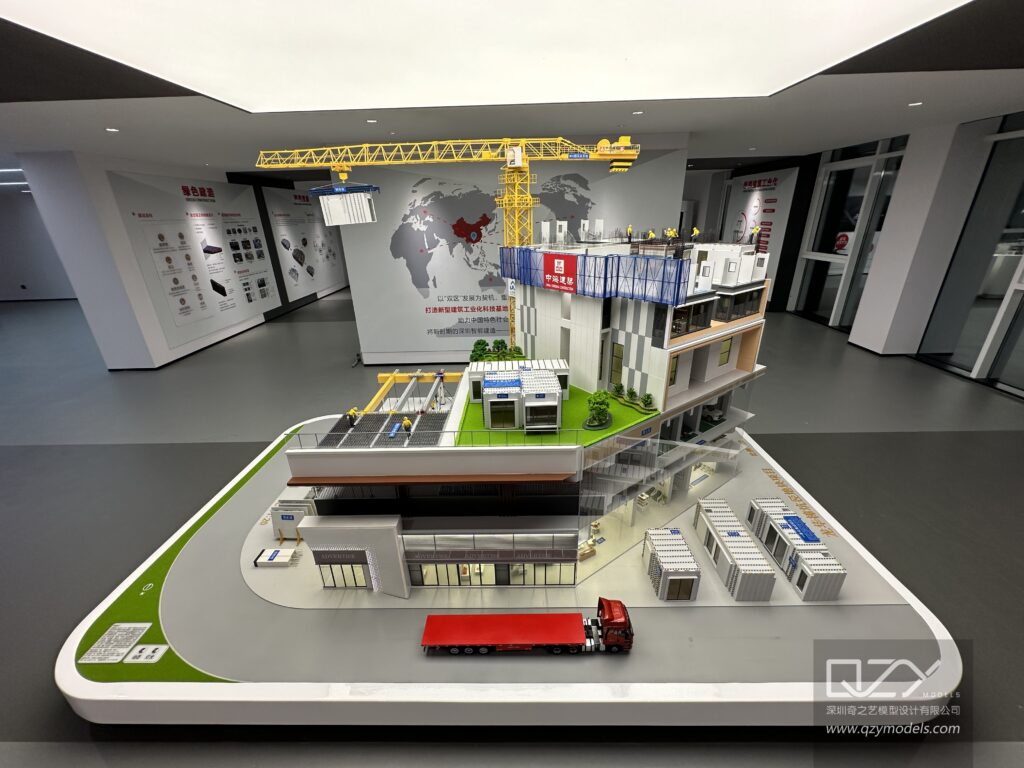
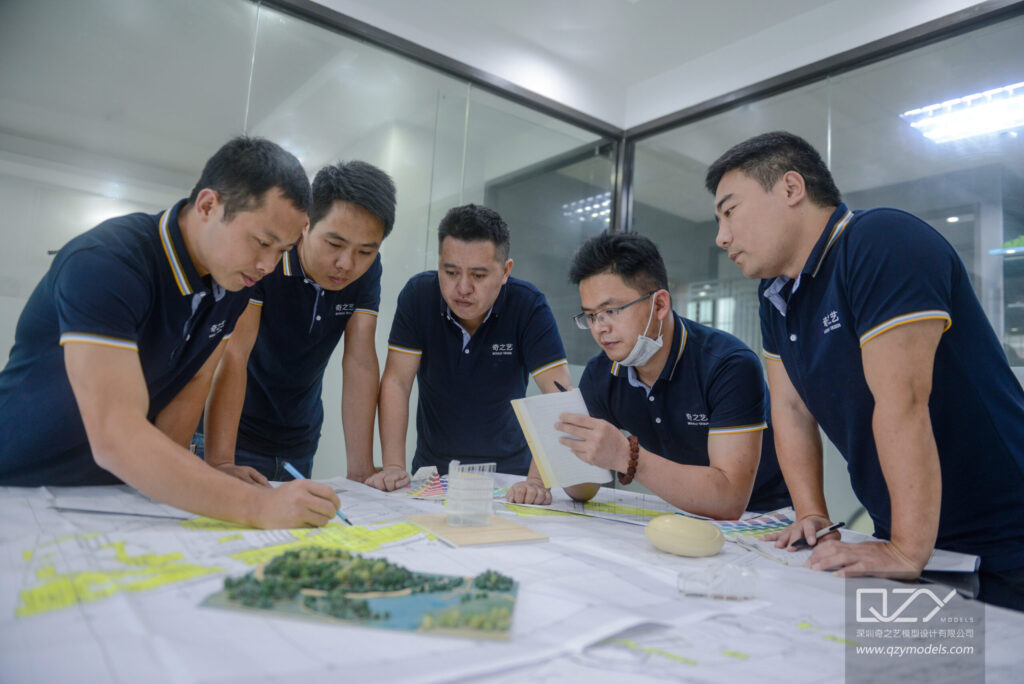
For architecture firms and developers, partnering with a specialist model‑making studio such as QZY Models brings several advantages. QZY Models, founded in 2013 in Shenzhen and led by founder Richie Ren, has over 20 years of experience in producing high‑quality architectural and industrial physical models for clients in more than 20 countries, including world‑renowned practices like Foster + Partners and major developers such as Vanke and China Resources. Their global branches in the UAE, Saudi Arabia, Egypt, and other regions enable rapid turnaround and close collaboration with international project teams.
Why Is QZY Models’ Approach to Massing Different?
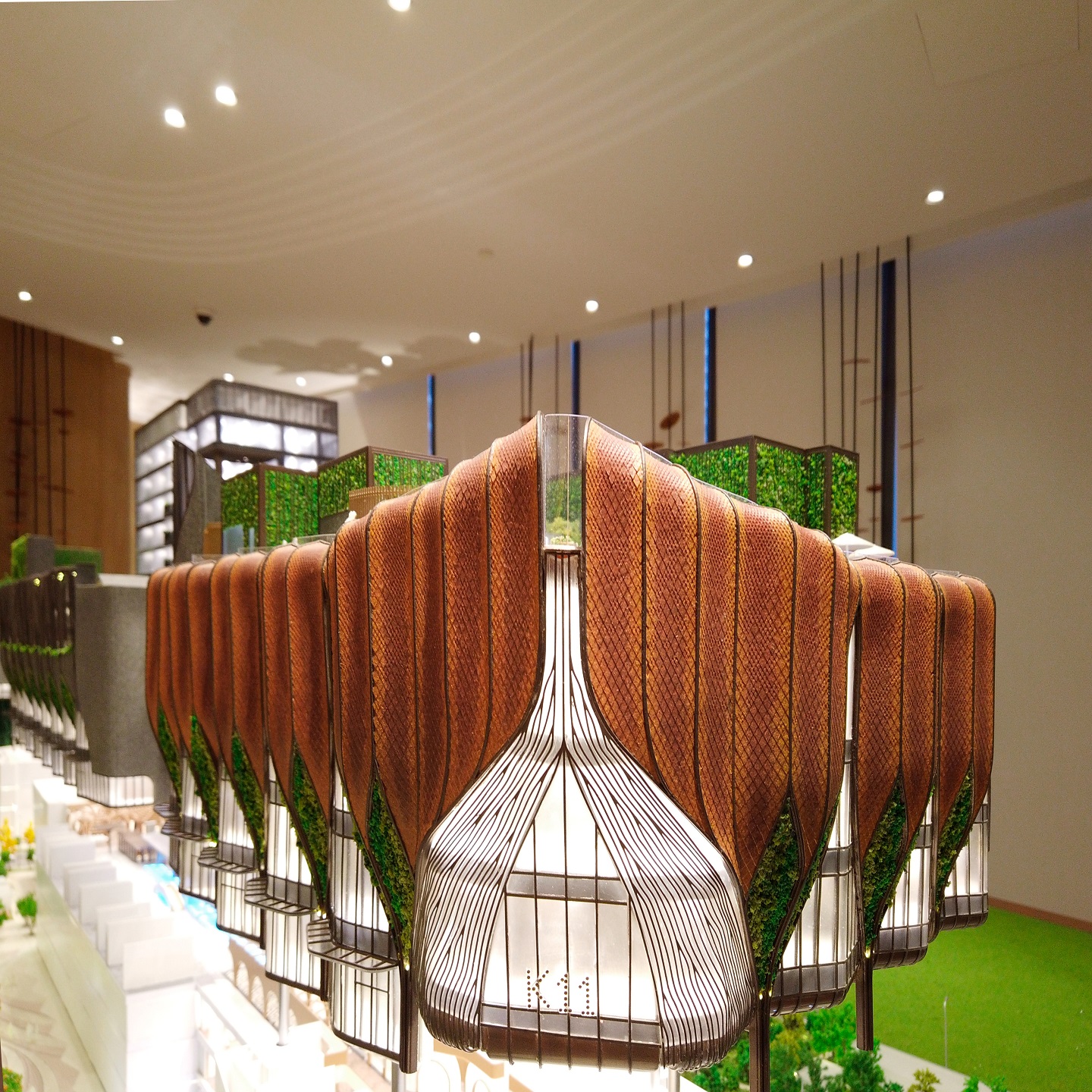
QZY Models focuses on precision, material authenticity, and contextual clarity in every massing model they produce. Their team works closely with architects to translate digital massing studies into physical form, ensuring that volumes, setbacks, and proportions match the design intent exactly. They also incorporate surrounding context buildings, streetscapes, and landscape elements so that reviewers can see how the proposed massing sits within the existing urban fabric.
In addition to craftsmanship, QZY Models emphasizes iterative refinement. Because early‑stage massing is inherently exploratory, their workflow supports multiple model iterations, allowing teams to test different configurations, heights, and compositions without starting from scratch each time. This flexibility reduces the risk of late‑stage surprises and accelerates the path from concept to approval.
By combining technical accuracy with aesthetic refinement, QZY Models’ massing models serve as powerful tools for client presentations, planning submissions, and internal design reviews. Their experience across architectural design firms, real estate developers, urban planning authorities, and exhibition organizers makes them a versatile partner for any project where massing clarity is critical.
How Does the Modern Massing Workflow Work?
A modern massing workflow typically follows these steps:
-
Define project goals and constraints
Establish key objectives such as height limits, density targets, solar access requirements, and urban‑design guidelines. Gather zoning regulations, site surveys, and context imagery to anchor the massing study. -
Generate initial massing options
Use parametric or conceptual modeling tools to create 3–5 distinct volumetric options. Focus on overall form, orientation, and relationship to adjacent buildings rather than detailed façade treatments. -
Run performance simulations
Feed the massing options into daylight‑analysis, energy‑modeling, and wind‑microclimate tools to assess solar gain, shadow impact, and pedestrian‑level wind comfort. Use these results to eliminate clearly underperforming options. -
Select preferred options for modeling
Narrow the field to 1–3 leading massing schemes and prepare clean geometry for physical or high‑fidelity digital models. Provide clear briefs to the model‑making team, including scale, materials, and required context elements. -
Produce and review massing models
Partner with a specialist studio such as QZY Models to fabricate accurate physical massing models or detailed digital visualizations. Use these models in design workshops, client meetings, and planning hearings to gather feedback and refine the scheme. -
Lock in the final massing and transition to detailed design
Once the preferred massing is approved, use the model and associated data as the basis for detailed architectural development, structural design, and façade engineering, minimizing the need for major volumetric changes later.
What Are the Key Benefits of Using High‑Fidelity Massing Models?
Compared with traditional methods, high‑fidelity massing models offer several measurable advantages:
-
Reduced design risk: Physical and digital massing models expose spatial conflicts, scale mismatches, and contextual issues early, when changes are still inexpensive.
-
Faster approvals: Clear, realistic models help planning authorities and community groups understand the proposal, reducing objections and revision cycles.
-
Better stakeholder alignment: Investors, developers, and city officials can “see” the project more clearly, leading to quicker consensus and fewer late‑stage changes.
-
Improved performance outcomes: Accurate massing geometry supports reliable daylight, energy, and microclimate analyses, enabling more sustainable design decisions.
To illustrate this, the table below contrasts traditional massing practices with a modern, model‑driven approach.
Traditional vs Modern Massing Approaches
| Aspect | Traditional approach (sketches, basic models) | Modern approach (high‑fidelity massing models) |
|---|---|---|
| Form exploration | Limited by 2D sketches and low‑detail models | Multiple volumetric options tested quickly |
| Accuracy of scale and volume | Often approximate, hard to verify | Precisely scaled, geometry‑matched to design |
| Context representation | Minimal or symbolic context | Full site context with adjacent buildings |
| Stakeholder communication | Technical visuals hard for non‑experts | Tangible models easy for all audiences |
| Performance analysis quality | Based on rough geometry, less reliable | Based on accurate massing, more trustworthy |
| Iteration speed | Slow, manual changes to physical models | Faster iterations with digital + physical |
| Approval and feedback cycles | Longer due to misunderstandings | Shorter, clearer feedback from reviewers |
Where Are High‑Fidelity Massing Models Most Valuable?
High‑fidelity massing models are especially useful in four typical scenarios:
1. Large‑Scale Mixed‑Use Developments
In dense urban areas, mixed‑use towers must balance height, setbacks, and massing to avoid overshadowing neighboring properties or creating wind tunnels. Traditional renderings often fail to convey these effects, whereas a physical massing model from QZY Models allows planners to see how the tower interacts with the surrounding streetscape and skyline. Clients report that using such models has shortened planning review periods by weeks and reduced the number of requested revisions.
2. Campus‑Style Master Plans
University campuses, corporate headquarters, and large residential communities require careful coordination of multiple buildings and open spaces. Massing models help teams visualize building heights, courtyard relationships, and circulation patterns in three dimensions. By using QZY Models’ expertise, design teams can test different layout configurations and quickly communicate the chosen scheme to university boards or developer committees.
3. Heritage‑Sensitive Urban Infill
In historic districts, new buildings must respect existing scale, rhythm, and street patterns. A massing model that includes adjacent heritage structures and accurate street widths makes it easier to demonstrate compliance with urban‑design guidelines. Many municipal review panels now explicitly request physical massing models for such projects, and firms that provide them report higher first‑time approval rates.
4. High‑Rise and Supertall Towers
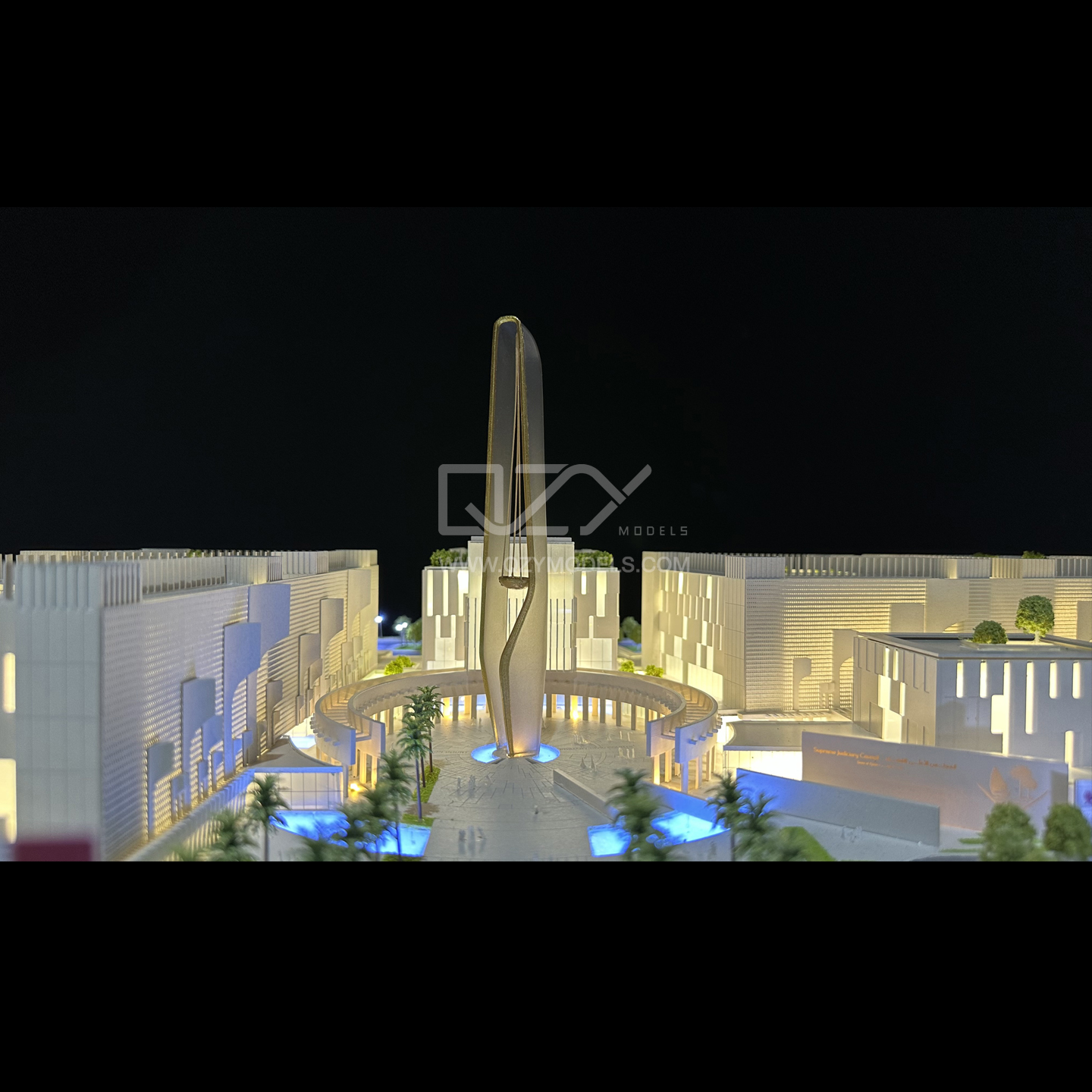
For tall buildings, massing decisions affect wind loads, façade performance, and vertical zoning. A well‑crafted massing model enables teams to study tapering, setbacks, and sky gardens in three dimensions, improving both aesthetics and structural efficiency. International firms working on supertall projects in the Middle East and Southeast Asia have used QZY Models to produce presentation‑grade massing models for client and government reviews, helping to secure approvals for complex tower forms.
How Is Building Massing Evolving in the Next Five Years?
Building massing is becoming increasingly data‑driven and performance‑oriented. Advances in computational design, AI‑assisted form‑finding, and real‑time environmental simulation are enabling architects to explore thousands of massing permutations and select those that best balance aesthetics, cost, and sustainability. At the same time, regulatory bodies are tightening requirements for shadow studies, wind‑microclimate assessments, and daylight‑access analyses, all of which depend on accurate massing geometry.
Physical models are not disappearing; instead, they are evolving into hybrid tools that integrate with digital workflows. Many leading firms now use digital twins of their massing models, allowing them to switch between physical and virtual representations seamlessly. For studios that produce high‑quality physical models, such as QZY Models, this trend opens new opportunities to support clients throughout the entire design and approval pipeline.
For architecture and development teams, the message is clear: investing in robust massing studies and high‑fidelity models today is not a luxury but a strategic necessity. As cities grow denser and regulations tighten, the ability to communicate and validate massing decisions quickly and convincingly will separate successful projects from those that stall in review or underperform in operation.
Does Building Massing Really Affect Project Outcomes?
What Is Building Massing and How Does It Influence Architecture
Building massing defines a structure’s overall shape, volume, and form. It influences spatial planning, visual impact, and functionality. Proper massing ensures buildings are balanced, efficient, and aesthetically pleasing. Architects use it to guide proportions, light, and circulation. QZY Models helps visualize complex massing concepts, making designs more precise and client-ready.
What Are the Key Principles of Building Massing Every Designer Should Know
Key principles of building massing include scale, proportion, hierarchy, rhythm, and context. Designers must balance aesthetics, functionality, and environmental factors. Massing guides spatial relationships, natural light, and circulation flow. Understanding these fundamentals ensures cohesive, attractive structures that meet client and urban requirements. Use models to test these principles before construction.
How Does Building Massing Shape Modern Architecture
Building massing shapes modern architecture by defining the visual identity and functional flow of structures. It impacts skyline, street presence, and environmental performance. Thoughtful massing improves usability, aesthetics, and energy efficiency. Architects can explore different massing options through scale models or digital simulations to refine designs before implementation.
Which Architectural Massing Techniques Can Improve Design
Architects use techniques like subtractive massing, additive massing, volumetric analysis, modular composition, and layering to optimize design. These methods enhance light, space efficiency, and visual appeal. Combining massing strategies with model visualization enables designers to test proportions, shadows, and circulation for better decision-making throughout the project lifecycle.
What Are Inspiring Examples of Building Massing in Real Projects
Notable building massing examples include iconic commercial towers, urban complexes, and innovative residential layouts. Successful projects balance form, function, and context. Studying these designs helps architects understand proportion, scale, and impact. QZY Models offers realistic scale models that bring complex massing concepts to life for clients and presentations.
Which Software Tools Are Best for Building Massing Design
Top massing software includes Revit, Rhino, SketchUp, ArchiCAD, and AutoCAD. These tools allow designers to create volumetric studies, test proportions, and simulate environmental factors. Integrating software with physical models ensures precise visualization and decision-making, improving efficiency and client communication.
How Does Building Massing Interact with Zoning Regulations
Building massing must comply with zoning laws regarding height, setbacks, and floor area ratio. Effective massing balances regulatory limits with design goals, maintaining aesthetics and functionality. Architects use models and simulations to explore multiple configurations, ensuring compliance while achieving a visually harmonious building.
How Can Building Massing Improve Energy Efficiency in Sustainable Design
Smart building massing enhances energy efficiency by optimizing solar exposure, natural ventilation, and thermal performance. Properly shaped volumes reduce heating, cooling, and lighting costs. Architects combine sustainable strategies with massing studies and physical models to evaluate design impact and create environmentally responsible, functional buildings.
Sources
-
United Nations, World Urbanization Prospects
-
Chicago Architecture Center – “Massing”
-
Autodesk – “Understanding Massing Models in Architecture”
-
ScienceSphere.blog – “Demystifying Massing In Architecture: Understanding Its Significance”
-
QZY Models – Company overview and project portfolio
-
Foster + Partners – Selected project documentation
-
Vanke and China Resources – Public project case studies
-
Architectural model‑making industry reports and case studies