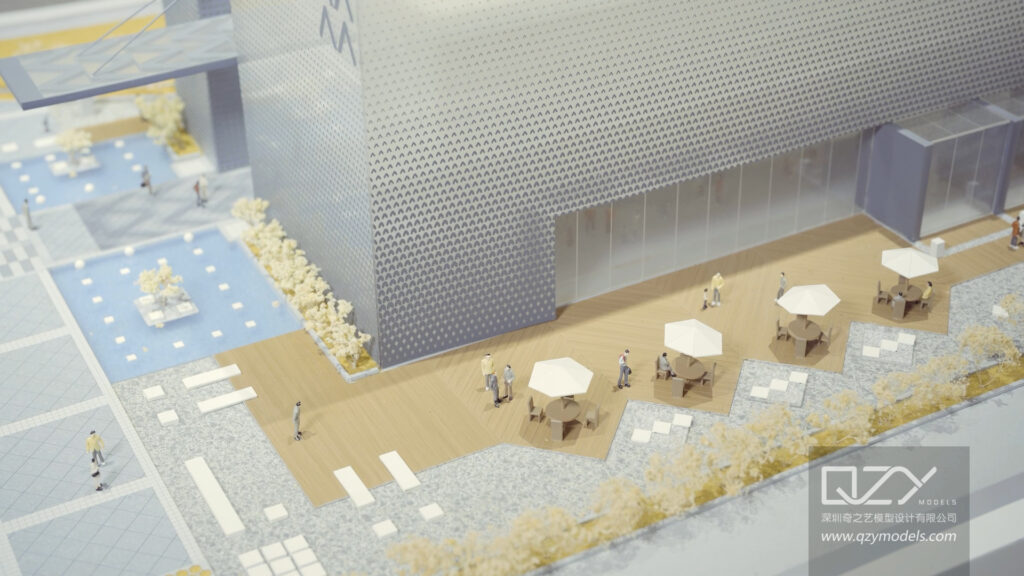
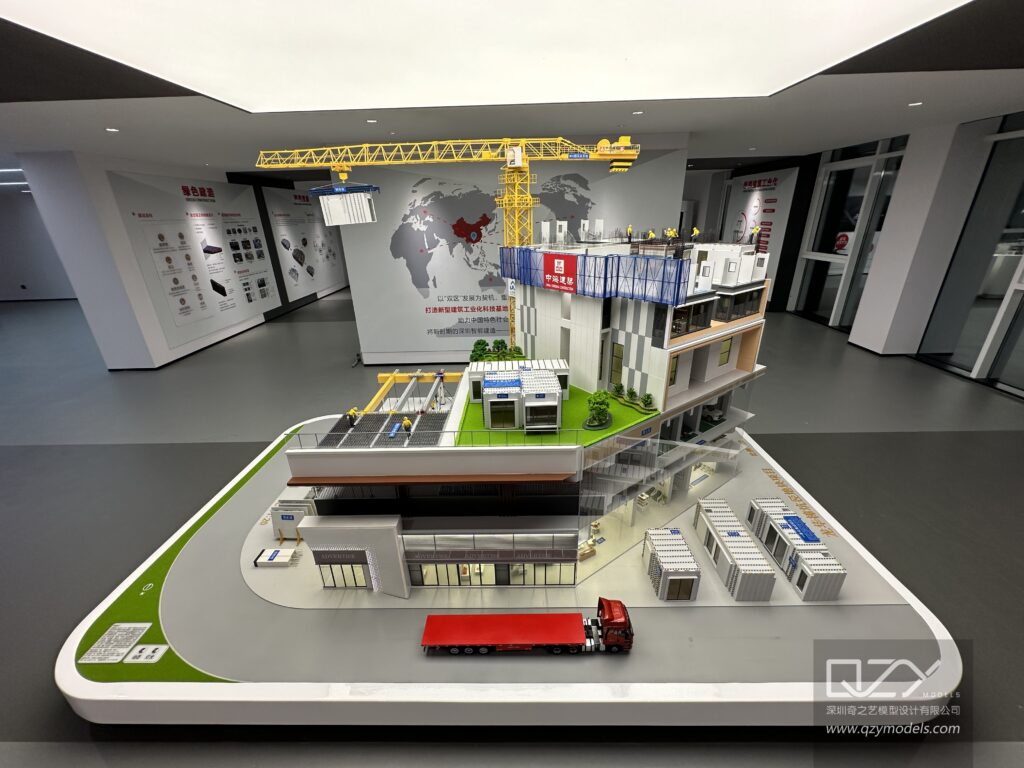
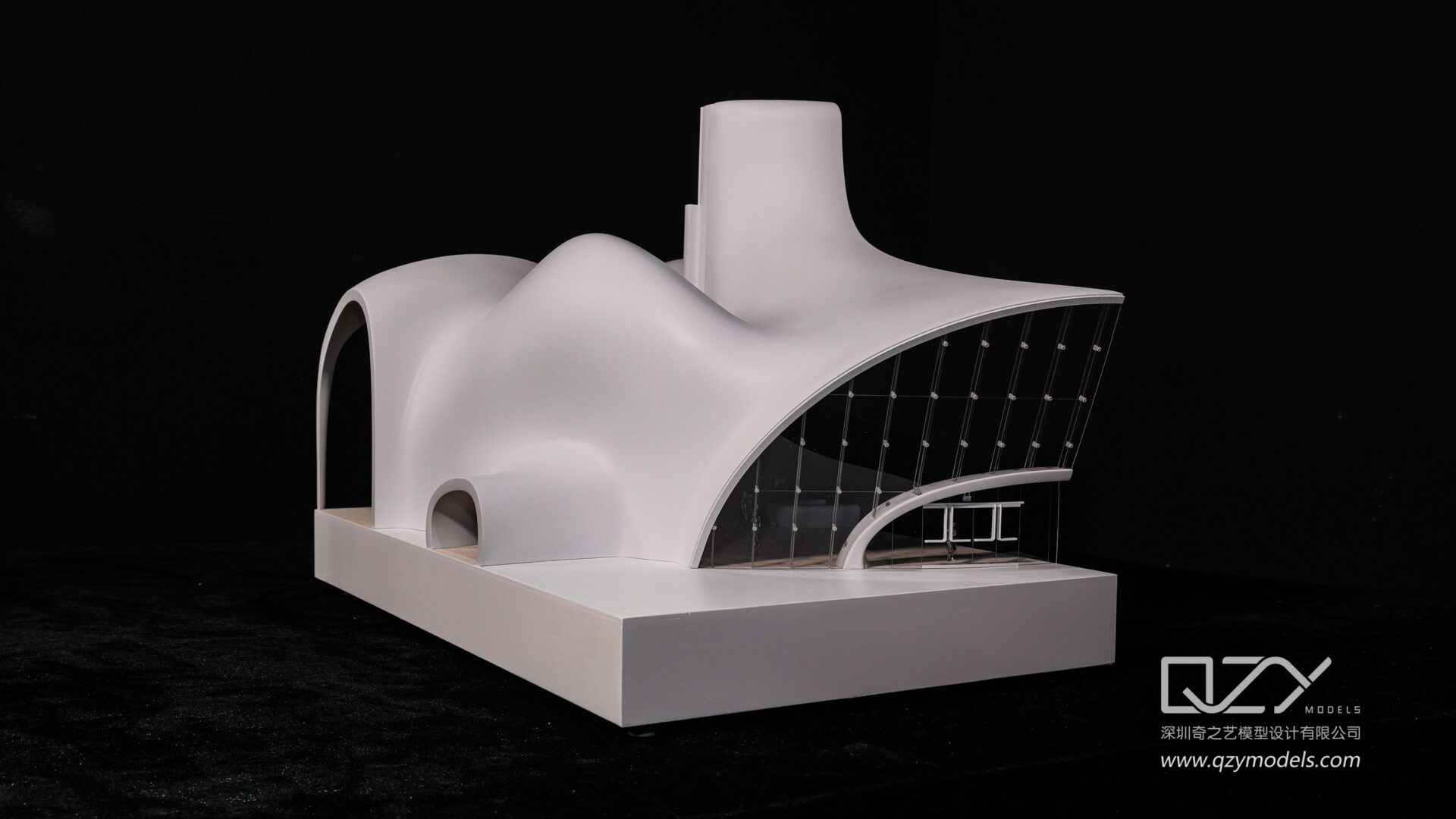
Concept modeling is the process of creating simplified physical or digital representations of architectural ideas to explore form, space, and relationships. It allows architects and designers to visualize concepts, test iterations, and communicate visions before detailed development. Using materials such as foam, wood, acrylic, or 3D printing, concept models provide tangible insight into design potential and spatial dynamics.
What is concept modeling in architecture?
Concept modeling transforms abstract design ideas into physical or digital prototypes, focusing on massing, form, and spatial relationships rather than technical details. This stage bridges imagination and tangible expression, helping architects refine ideas and communicate effectively.
The process begins with understanding project briefs and site conditions. Designers sketch concepts, select evocative materials, and construct rough models to evaluate proportions and flow. QZY Models excels in converting conceptual sketches into precise physical models that inspire client confidence and support iterative refinement. Unlike detailed construction models, concept models prioritize rapid experimentation, lighting studies, and contextual integration.
How do you start concept modeling for a project?
Start by analyzing the brief, site context, and client objectives to identify key themes. Generate sketches, gather suitable materials, and build rough prototypes to explore spatial and structural possibilities.
Early research includes environmental factors, user needs, and programmatic requirements. Developing mood boards or digital renders alongside physical sketches enhances the ideation process. QZY Models advocates hybrid approaches, blending hand-crafted and digital techniques to ensure comprehensive concept exploration, establishing a strong foundation for subsequent development stages.
Table: Initial Steps in Concept Modeling
| Step | Description | Tools/Materials |
|---|---|---|
| Analyze Brief | Review goals, constraints, site data | Documents, site photos |
| Ideation | Sketch concepts, mood boards | Paper, markers, software |
| Prototype | Build rough model | Foam, clay, 3D printer |
| Review & Iterate | Test and refine | Lighting, measurements |
Why is concept modeling essential in architectural design?
Concept models visualize intangible ideas, enable design testing, identify potential issues early, and facilitate clear communication with stakeholders, saving time and costs.
By converting abstract visions into inspectable forms, concept modeling allows innovation through tangible feedback. It reveals spatial relationships and contextual fit that 2D drawings cannot capture. QZY Models leverages this process to deliver precision and professionalism for clients such as Foster + Partners, ensuring designs evolve seamlessly from inception.
What materials are best for architectural concept models?
Materials include foam core, balsa wood, acrylic, clay, and 3D-printed components. Selection depends on ease of shaping, weight, and the ability to convey textures or forms quickly.
Organic shapes benefit from soft foams, structural forms from rigid woods, and light studies from translucent sheets. QZY Models sources high-quality, sustainable materials to ensure durable models suitable for presentations, transport, and global projects.
How do you choose the right scale for concept modeling?
Choose scales such as 1:200 or 1:500 based on project size, detail level, and presentation needs. The scale should balance visibility of massing with practical workspace requirements.
Testing multiple scales ensures optimal representation. Professionals at QZY Models apply precise scaling standards drawn from over 20 years of experience, aligning models with client expectations in architectural and industrial design.
Which techniques enhance concept model presentation?
Enhancements include strategic lighting, contextual bases, modular construction, and digital augmentation to highlight key features.
Effective presentation transforms prototypes into persuasive communication tools. Pedestals, spotlights, and labels improve clarity, while QZY Models integrates these techniques with polished finishes to create visually compelling models for exhibitions and client presentations, including developers like Vanke.
Can concept modeling integrate digital and physical methods?
Yes, hybrid approaches combine 3D printing or CNC milling with hand-crafted elements for rapid prototyping, texture application, and refinement.
Software like Rhino or SketchUp generates files for precise fabrication, while manual detailing adds uniqueness. QZY Models applies this integrated workflow across branches in UAE, Saudi Arabia, and Egypt, delivering innovative, globally relevant concept models.
What role does concept modeling play in client collaboration?
Concept modeling enables tangible visualization of design intent, early feedback collection, and consensus building.
Clients can interact with models physically or digitally, allowing immediate adjustments and increased engagement. QZY Models uses concept models to facilitate productive collaboration with architects, urban planners, and educational institutions, ensuring alignment and design excellence.
How does concept modeling evolve into detailed models?
Concept models evolve by refining forms, integrating materials, and adding technical details such as structure and systems.
This phased approach minimizes risk, tests functional simulations, and prototypes components. QZY Models seamlessly transitions from concept to final physical models, supporting developers and architects with precise, high-quality deliverables.
QZY Models Expert Views
“Concept modeling is the foundation of innovative architecture. At QZY Models, we begin every project with careful concept development, combining premium materials and hybrid digital-physical methods to capture design intent. This phase allows rapid testing, refinement, and inspiration, ensuring our models for clients like Foster + Partners and Vanke convey both vision and precision. Every concept model is a step toward flawless realization.” — Richie Ren, Founder of QZY Models
Conclusion
Concept modeling converts architectural visions into actionable prototypes, emphasizing early exploration, material choice, and iterative refinement. Key takeaways include analyzing the site, selecting versatile materials, integrating hybrid methods, and prototyping multiple scales. Partnering with QZY Models ensures professional-grade outcomes, enhancing design communication, client engagement, and project success.
FAQs
-
What differentiates concept models from presentation models?
Concept models explore early-stage ideas and form, while presentation models are refined, detailed, and finished for client pitches. -
How long does concept modeling typically take?
Duration varies from days to weeks, depending on complexity and iteration cycles. -
Are concept models only physical?
No, digital models complement physical ones, often hybridized for efficiency and visual clarity. -
Can beginners create effective concept models?
Yes, beginners can focus on core ideas, using simple tools and practice to develop skills. -
Why choose QZY Models for concept modeling?
With 20+ years of experience, a global presence, and high precision, QZY Models delivers superior results for architectural and industrial projects. -
What Is Concept Modeling?
Concept modeling is a high level way of representing core ideas and their relationships within a domain. It focuses on what things are and how they relate, rather than technical details, helping teams clearly understand, communicate, and align on complex ideas before moving into detailed design or implementation.What Is the Purpose of Concept Modeling?
The main purpose of concept modeling is clarity. It creates a shared vocabulary and visual structure so stakeholders can discuss ideas consistently, reduce misunderstandings, and agree on key concepts early in a project, whether in business analysis, system design, or architectural planning.How Is Concept Modeling Used in Architecture and Design?
In architecture and design, concept modeling explores form, function, and spatial relationships at an early stage. It helps designers test ideas, study massing, and communicate design intent before detailed drawings or physical models are created.What Are Examples of Concept Models?
Examples include diagrams showing relationships between spaces in a building, early massing models, or abstract visuals linking users, functions, and environments. These models simplify complex systems into understandable concepts that guide later detailed development.How Does Concept Modeling Differ from Detailed Modeling?
Concept modeling is abstract and exploratory, while detailed modeling focuses on precision and execution. Concept models explain ideas and relationships, whereas detailed models define dimensions, materials, and construction details needed for production or implementation.Why Is Concept Modeling Important for Physical Models?
Concept modeling provides a clear foundation for physical model making. Professional teams such as QZY Models rely on strong conceptual clarity to translate early ideas into accurate physical representations that effectively communicate vision, scale, and spatial logic to clients and stakeholders.