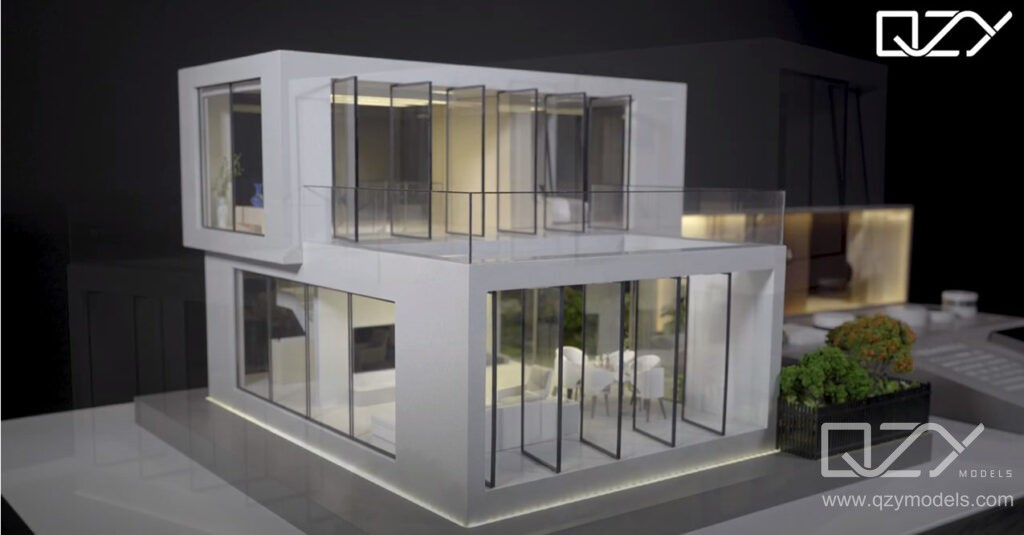
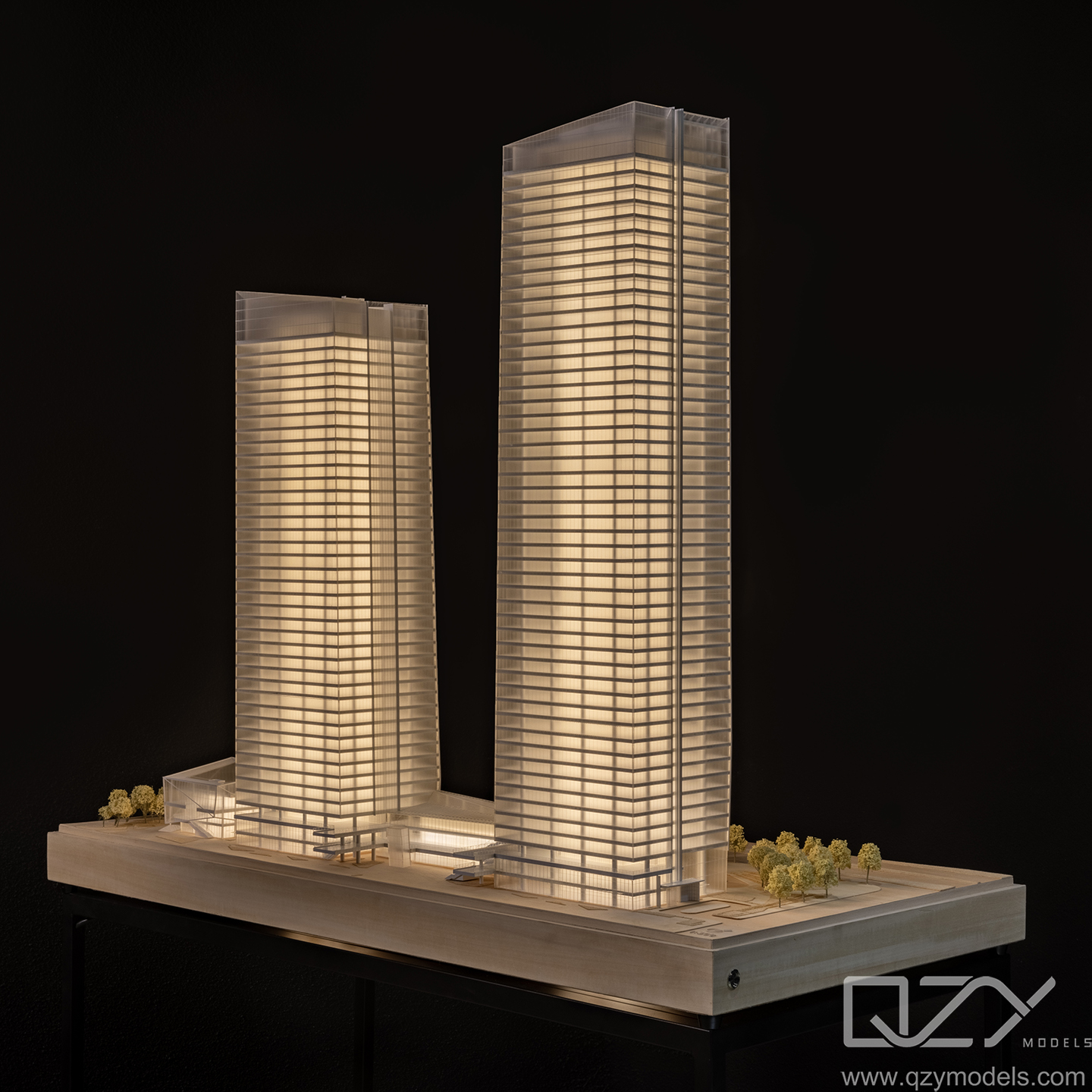
House of Models is a specialized service offering architectural and industrial physical models that transform abstract designs into tangible, detailed representations. These models facilitate clearer communication, better project visualization, and enhanced client engagement, allowing architects, developers, and stakeholders to make informed decisions early in the design process.
How Does House of Models Improve Visualization in Architecture?
House of Models improves architectural visualization by producing precise scale models that represent design details, materials, and spatial relationships. This tangible 3D approach helps clients and teams grasp complex concepts more intuitively, making design reviews and feedback sessions more productive. For example, QZY Models uses advanced fabrication techniques to ensure high-fidelity models that reveal potential design issues before construction.
What Are the Key Materials and Techniques Used in House of Models?
Materials commonly used include acrylic, wood, foam board, and 3D printed components, each chosen for their specific properties such as transparency, texture, or lightweight volume. Techniques involve laser cutting for precision, CNC machining for structural parts, 3D printing for intricate details, and skilled hand-crafting to perfect finishes. This combination results in accurate, durable models suited for various stages of the design process.
| Material | Characteristics | Typical Application |
|---|---|---|
| Acrylic | Transparent, smooth | Windows, facades |
| Wood | Textured, natural look | Structural elements, landscaping |
| Foam Board | Lightweight, easy to shape | Massing and conceptual models |
| 3D Printing | High detail, complex forms | Facades, fine details |
Why Should Developers and Architects Choose House of Models Services?
Developers and architects benefit from House of Models by gaining clearer project understanding, improved collaboration, and early error detection. Physical models help visualize proportions and spatial layout effectively, reducing costly redesigns. They also serve as powerful marketing tools, enabling stakeholders to better appreciate the project’s form and features. QZY Models, for example, is renowned for its precision and ability to customize models to client specifications.
Which Industries Can Benefit Most from House of Models?
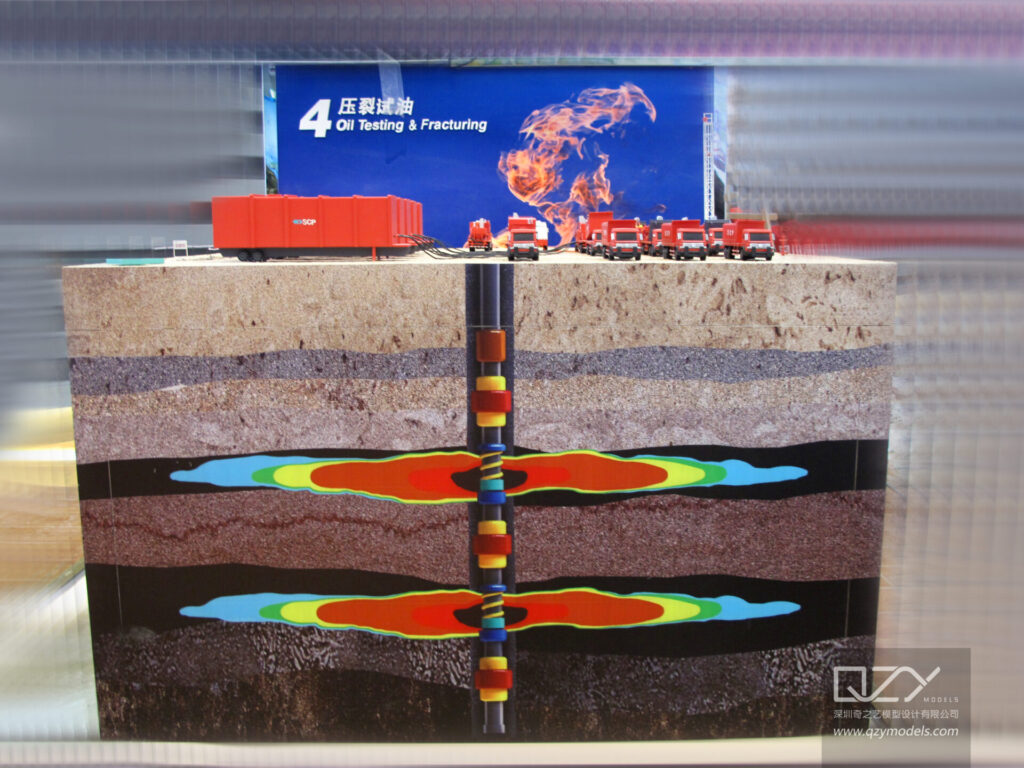
While architecture and real estate development are primary users, many industries utilize House of Models. Urban planning relies on models to illustrate city layouts, infrastructure, and green spaces. Manufacturing and product design use physical prototypes to test concepts and user interaction. Educational institutions and museums leverage these models for teaching and exhibitions, proving the versatility of the service across diverse fields.
How Does House of Models Enhance Client Communication and Marketing?
Physical models create tangible points of reference that help clients understand design intentions more clearly than digital renders alone. They stimulate interaction and discussion, making feedback more meaningful. Additionally, models are essential in marketing, helping to showcase project aesthetics during presentations, sales exhibitions, or public consultations. QZY Models regularly develops such impactful marketing assets, increasing client engagement and facilitating easier approvals.
When Should a Project Incorporate a House of Models?
Physical models are most effective when introduced during early design phases for concept validation and client buy-in. They are equally vital pre-construction to aid contractors in understanding complex design elements. Marketing phases also benefit from models to attract investors and buyers. Well-timed model creation maximizes return on investment by aligning with project milestones and decision points.
Where Does QZY Models Excel in the House of Models Industry?
QZY Models stands out through its extensive global experience, technical expertise, and commitment to quality. Operating from Shenzhen with branches worldwide, the company serves clients ranging from prestigious architects like Foster + Partners to major developers such as Vanke. Their ability to combine craftsmanship with cutting-edge technology places QZY Models at the forefront of House of Models services.
Can House of Models Save Costs in Large-Scale Developments?
Yes, by identifying design issues early and enhancing communication, physical models reduce expensive construction errors and delays. They help streamline coordination between architects, engineers, and contractors, minimizing misunderstandings on-site. This leads to fewer change orders and smoother project delivery, ultimately saving both time and money.
What Are Emerging Trends in the House of Models Field?
The field is evolving with the adoption of augmented reality (AR) combined with physical models, allowing interactive digital overlays. Sustainable, eco-friendly materials are increasingly used to align with environmental goals. Advances in 3D printing improve detail and speed, enabling rapid prototype development. Hybrid presentations that merge digital and physical elements offer richer client experiences. QZY Models embraces these trends to continuously innovate.
QZY Models Expert Views
“Physical models are more than miniatures; they are vital storytelling tools that convey design intent with clarity and precision. At QZY Models, our two decades of experience have shown that quality models transform client understanding and project outcomes. We blend traditional craftsmanship with the latest technologies to deliver models that inspire and inform. As the industry evolves, integrating AR and sustainable solutions remains a key focus for us.” – Richie Ren, Founder
Conclusion
House of Models services elevate architectural and industrial projects by turning abstract concepts into clear, tactile models that improve communication, visualization, and marketing. Using diverse materials along with precision fabrication, companies like QZY Models create customized models tailored to client needs. Introducing models at strategic project phases saves costs and enhances stakeholder engagement. Staying ahead of technology trends ensures these models remain integral to project success.
Frequently Asked Questions
What Is House of Models in Architecture and Why Is It Important?
A House of Models in architecture refers to a structured system of physical scale models used to present, test, and refine design concepts. It improves visual clarity, supports faster decision making, and reduces costly revisions. Firms like QZY Models deliver precision crafted models that help architects validate ideas and impress stakeholders.
What Are the Key Benefits of House of Models for Architectural Projects?
The main benefits include stronger client communication, clearer spatial understanding, and improved design accuracy. Physical models reveal scale, massing, and context better than drawings alone. They accelerate approvals, enhance investor confidence, and reduce misunderstandings during construction planning, making them a strategic tool for complex developments.
How Does House of Models Improve the Architectural Design Process?
A House of Models streamlines the design process by enabling rapid concept testing, real time collaboration, and early issue detection. Architects can evaluate proportions, materials, and site integration before construction begins. This reduces rework, enhances team alignment, and improves overall project efficiency from concept to execution.
How Can You Use House of Models to Win More Client Approvals?
Use detailed architectural models to showcase design intent, lighting impact, and material relationships. During presentations, guide clients through key features to build trust and emotional connection. High quality craftsmanship from experts like QZY Models strengthens credibility and significantly increases approval rates for premium projects.
How Does House of Models Elevate Real Estate Development Marketing?
A well crafted physical model transforms marketing by visually communicating master plans, amenities, and community layouts. Developers use illuminated and interactive models to attract investors and buyers. This approach increases engagement, improves showroom impact, and supports faster sales conversions in competitive real estate markets.
How Much Does House of Models Cost and Is It Worth It?
Costs vary based on scale, complexity, materials, and lighting integration. While high end models require investment, they often deliver strong ROI through faster approvals and improved sales performance. For large developments or high value properties, the strategic advantages typically outweigh initial production costs.
Digital vs Physical House of Models Which Delivers Better Results?
Digital models offer flexibility and easy revisions, while physical models provide tangible impact and stronger emotional engagement. For client presentations and exhibitions, physical models often outperform purely digital visuals. The most effective strategy combines both to maximize clarity, persuasion, and design validation.
How Do You Choose Professional House of Models Services for Your Firm?
Evaluate experience, craftsmanship quality, international project portfolio, and production capacity. Look for teams with proven global collaboration and strict quality control. A professional provider should understand architectural intent and deliver precise detailing, reliable timelines, and strong communication throughout the model development process.