Indonesia modeling refers to the specialized craft of creating physical architectural and industrial scale models within the country. This practice supports design visualization, urban planning, and marketing by delivering precise, tangible replicas. Growing industrial and construction sectors in Indonesia drive demand for expert model makers combining technology and artistry.
How Does Indonesia Modeling Support Architecture and Urban Planning?
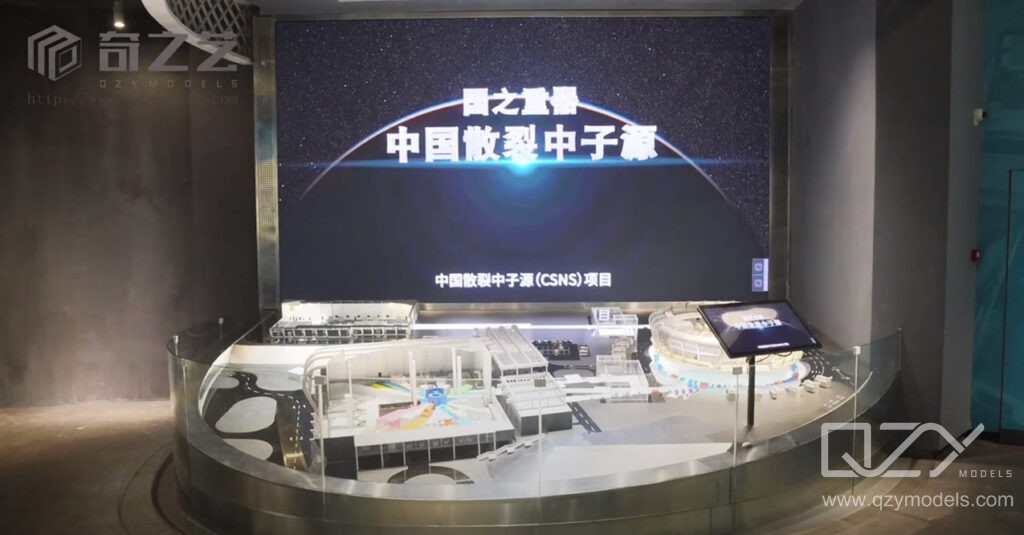
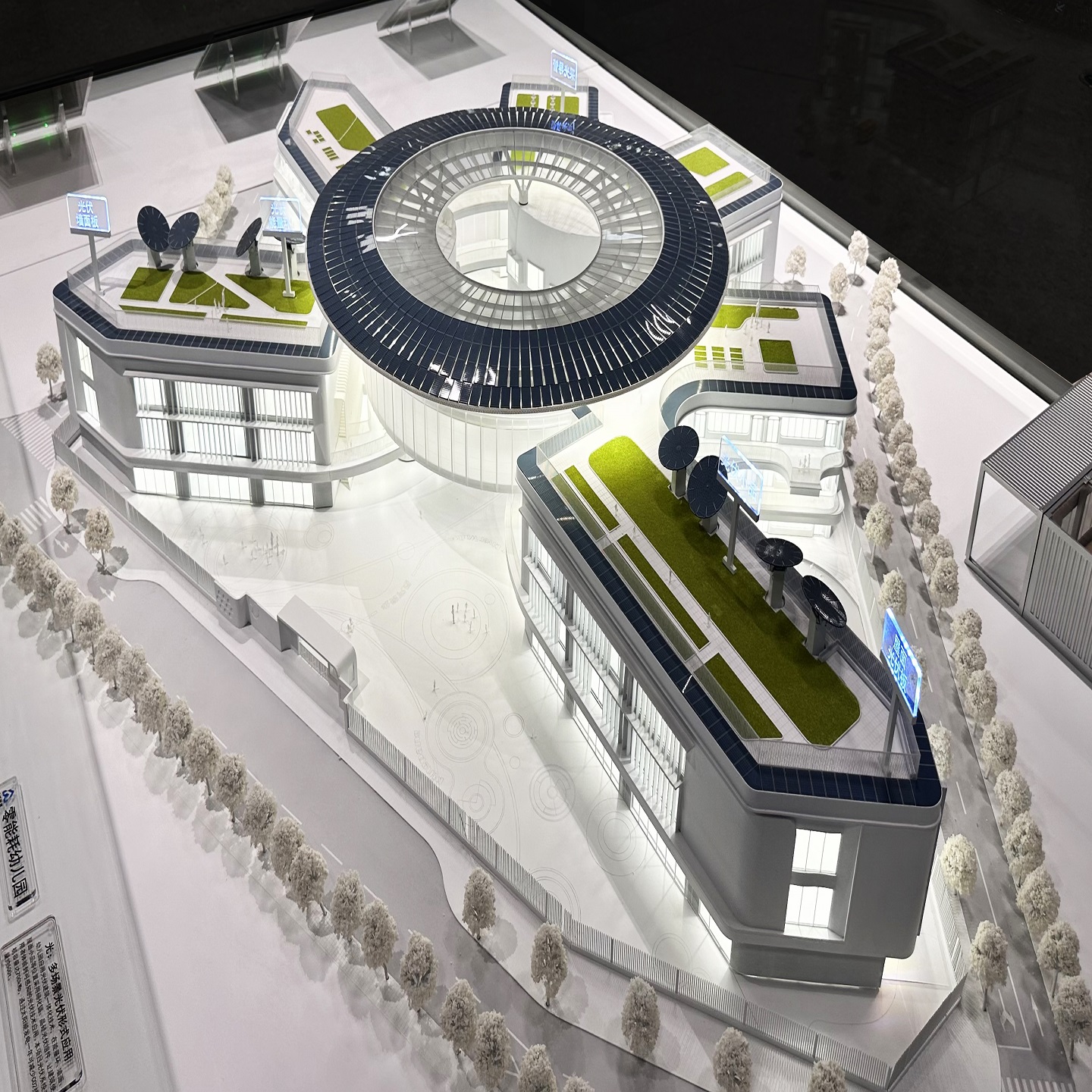
Indonesia modeling transforms complex architectural and urban plans into physical scale models that enhance spatial understanding and collaboration. These models allow architects, developers, and stakeholders to review, refine, and validate design concepts through detailed three-dimensional representations. Companies like QZY Models provide finely crafted models that accurately depict urban master plans, iconic buildings, and infrastructure, facilitating better decision-making and stakeholder engagement in Indonesia’s dynamic cities like Jakarta.
Models often include entourage elements such as trees, roads, and topography to offer a holistic view, helping clients visualize project impacts and spatial relationships in dense urban zones.
What Materials and Techniques Are Used in Indonesia Modeling?
Common materials used in Indonesia modeling include ABS plastic, acrylic, wood, foam board, and plexiglass. These materials are selected based on the model’s purpose, durability needs, and detail level. Techniques combine digital technologies—laser cutting, CNC milling, 3D printing—with traditional handcrafting to achieve precision and aesthetic quality.
| Material | Usage | Advantages | Limitations |
|---|---|---|---|
| ABS Plastic | Durable exterior parts | Strength, flexibility | Costly |
| Acrylic | Transparent components | Clarity, crisp edges | Brittle |
| Wood | Structural modeling | Warm, natural finish | Labor intensive |
| Foam Board | Conceptual massing | Lightweight, easy to cut | Less durable |
Indonesia’s leading model makers, including QZY Models, expertly tailor material choices with fabrication methods to create detailed architectural and industrial models that meet client expectations.
Why Is Indonesia Modeling Important for Industrial and Marketing Purposes?
Indonesia modeling plays a crucial role in marketing real estate, urban projects, and industrial designs by offering engaging physical representations that are more interactive than digital images. Physical models facilitate client and investor understanding, accelerating project approvals and sales.
Industrially, detailed scale models support prototype testing and design refinement, reducing risks before full production. For marketing, these models act as persuasive tools in exhibitions and presentations, illustrating project scope and sophistication.
Who Are the Leading Indonesia Modeling Companies and What Are Their Specialties?
RJ Models in Jakarta is a top Indonesia modeling company specializing in large-scale urban master plans and detailed architectural representations. International firms like QZY Models bring global expertise to the Indonesian market, providing high-quality industrial and architectural physical models leveraging advanced technologies.
These companies serve architects, developers, and governments, delivering various projects from city planning models to industrial prototypes. Their capabilities span rapid prototyping to hand-finished detailing, ensuring models are both precise and visually compelling.
When and How Should Businesses Engage with Indonesia Modeling Services?
Businesses should involve Indonesia modeling services early in the design phase to influence design refinement and ensure accurate physical representations. Early collaboration allows model builders to align with client needs, accommodate revisions, and speed up stakeholder reviews.
Indonesia model makers typically work closely with clients through digital CAD submissions, regular updates, and prototype reviews. QZY Models advocates for proactive engagement to optimize model effectiveness in presentations, project planning, or marketing campaigns.
How Are Technological Innovations Enhancing Indonesia Modeling?
Technologies like 3D printing, laser cutting, and CAD-driven fabrication have revolutionized Indonesia modeling by improving accuracy, speed, and complexity capabilities. These tools enable rapid prototype iterations and fine detailing impossible to achieve manually.
QZY Models integrates these technologies with traditional craftsmanship to create sophisticated models featuring intricate structural elements, realistic textures, and optional lighting, elevating the overall model impact and quality.
What Challenges Does Indonesia Modeling Face and How Are They Overcome?
Challenges include sourcing premium materials locally, managing logistics, and balancing modern technologies with skilled craftsmanship. Indonesia’s humid climate requires durable materials resistant to warping and damage.
Leading companies counter these by maintaining global supply chains, strict quality controls, and hybrid workflows that combine automated and manual processes. QZY Models’ international presence ensures seamless delivery and high standards despite logistical hurdles.
Where Is Indonesia Modeling Positioned in the Global Market?
Indonesia modeling is an emerging hub with increasing global relevance due to rapid urbanization and industrial growth. Local expertise combined with international collaborations positions Indonesia as a competitive player in architectural and industrial scale modeling.
QZY Models exemplifies this global reach, serving clients across Asia, the Middle East, and Africa while implementing world-class standards and innovation in Indonesia-based projects.
QZY Models Expert Views
“Indonesia’s fast-paced development requires precise and innovative modeling solutions that transform complex designs into clear, tangible models. At QZY Models, we blend advanced technology with artisanal craftsmanship to meet and exceed client expectations. Our global experience empowers us to deliver models that not only reflect design intent but also serve as powerful tools in decision-making, presentation, and marketing. This approach places Indonesia at the forefront of the global modeling industry.” — Richie Ren, Founder & CEO of QZY Models
Conclusion
Indonesia modeling is vital in supporting architecture, urban planning, and industrial design by delivering detailed scale models that enhance visualization, communication, and marketing. Through the smart use of materials and technology, Indonesian model makers like QZY Models produce world-class physical representations catering to diverse industries. Early and collaborative engagement with modeling experts ensures optimal project outcomes, reinforcing Indonesia’s rising stature in the international modeling community.
FAQs
What Is Indonesia Modeling and How Is It Transforming Industry Across Sectors?
Indonesia modeling integrates BIM, digital twins, and physical scale models to simulate projects before construction or production. It reduces design errors, improves stakeholder communication, and accelerates approvals. Firms like QZY Models support architects and developers with precise architectural models that enhance presentations, secure investment, and streamline large scale urban and industrial developments.
How Is Indonesia Digital Twin Modeling Powering Smart City Innovation?
Digital twin modeling in Indonesia connects real time data with 3D simulations to optimize traffic flow, utilities, and infrastructure planning. Governments and developers use it to predict maintenance needs and reduce operational costs. Combining digital systems with detailed physical models improves public communication and speeds up smart city project approvals.
Which Industrial Process Modeling Software Solutions Lead in Indonesia for 2026?
Top industrial process modeling software in Indonesia focuses on production simulation, capacity planning, and energy optimization. Leading solutions integrate AI driven forecasting and cloud collaboration for factories and industrial parks. Businesses should prioritize platforms offering local compliance support, real time analytics, and seamless integration with ERP systems.
Why Are Indonesia Energy Demand Forecasting Models Critical for Renewable Growth?
Energy demand forecasting models help utilities predict consumption trends, balance renewable supply, and plan grid upgrades. Accurate projections reduce investment risk and improve policy decisions. By using predictive analytics and scenario simulations, stakeholders can accelerate solar and wind integration while maintaining energy stability and cost efficiency.
How Is Financial Risk Modeling Strengthening Indonesia Emerging Market Resilience?
Financial risk modeling uses stress testing, scenario analysis, and predictive data to manage currency volatility and credit exposure. Indonesian banks and investors apply these tools to improve compliance and protect portfolios. Clear modeling frameworks enable faster decision making and stronger resilience in rapidly evolving market conditions.
How Is Supply Chain Simulation Modeling Transforming Indonesia Logistics?
Supply chain simulation modeling allows logistics providers to test distribution routes, warehouse layouts, and inventory strategies before implementation. Companies reduce delays, lower transportation costs, and improve service reliability. Integrating simulation with demand forecasting tools ensures scalable logistics performance across Indonesia growing regional trade hubs.
How Is Predictive Modeling Improving Hospital Management in Indonesia?
Predictive healthcare modeling analyzes patient flow, staffing requirements, and treatment outcomes to optimize hospital operations. Administrators use data driven forecasts to reduce wait times and allocate resources efficiently. The result is improved patient satisfaction, lower operational costs, and stronger healthcare system resilience.
How Are Indonesia BIM Adoption Trends Driving Smarter Infrastructure Development?
BIM adoption in Indonesia enhances design coordination, cost control, and construction accuracy. Developers increasingly combine digital BIM workflows with high precision physical presentation models from QZY Models to win approvals and attract investors. This integrated approach shortens project timelines, reduces rework, and strengthens collaboration across multidisciplinary teams.