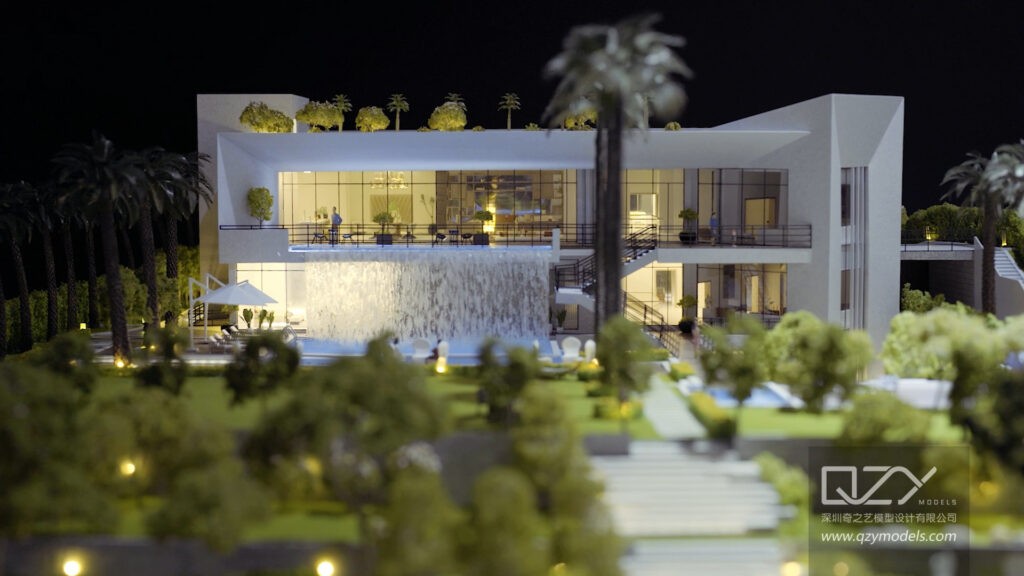
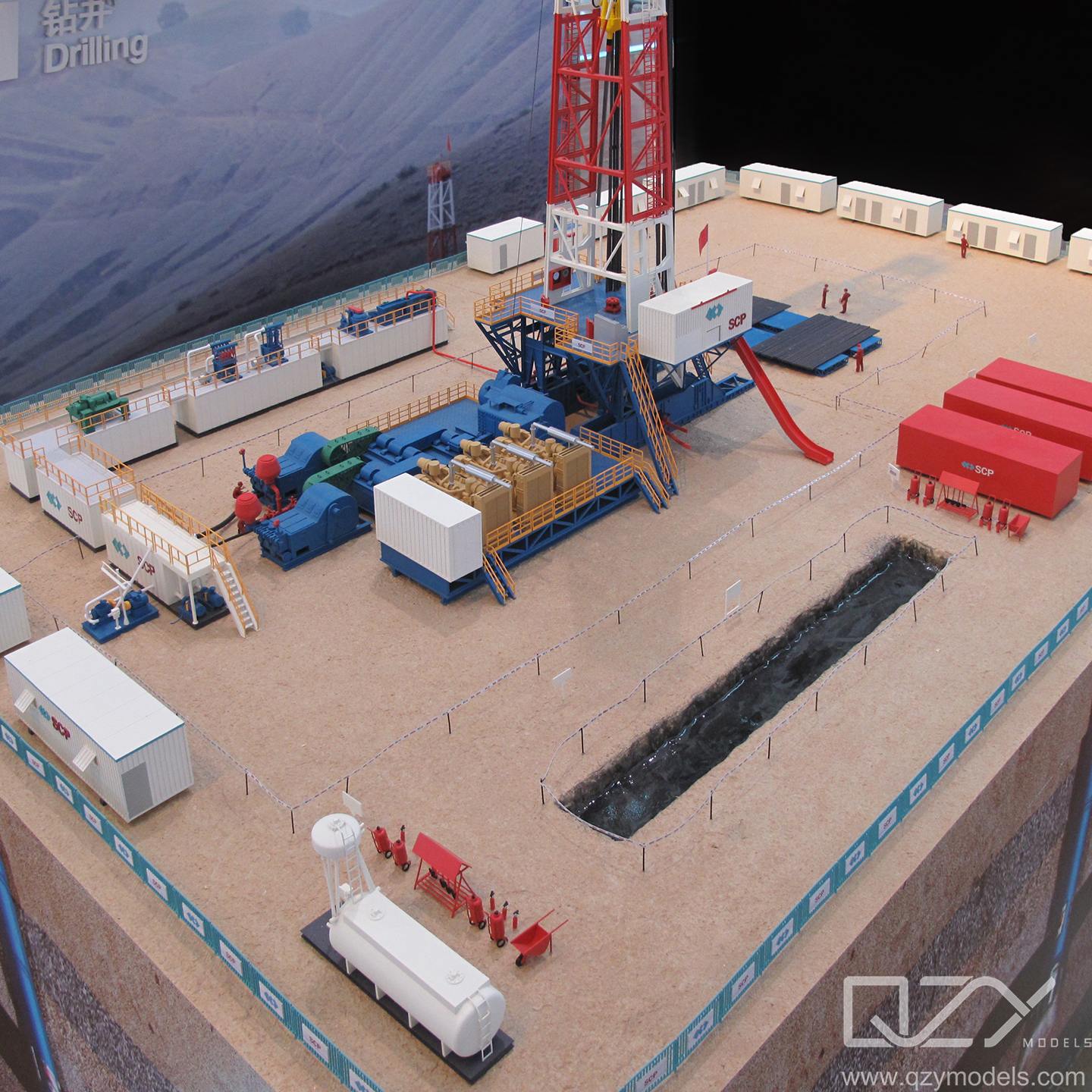
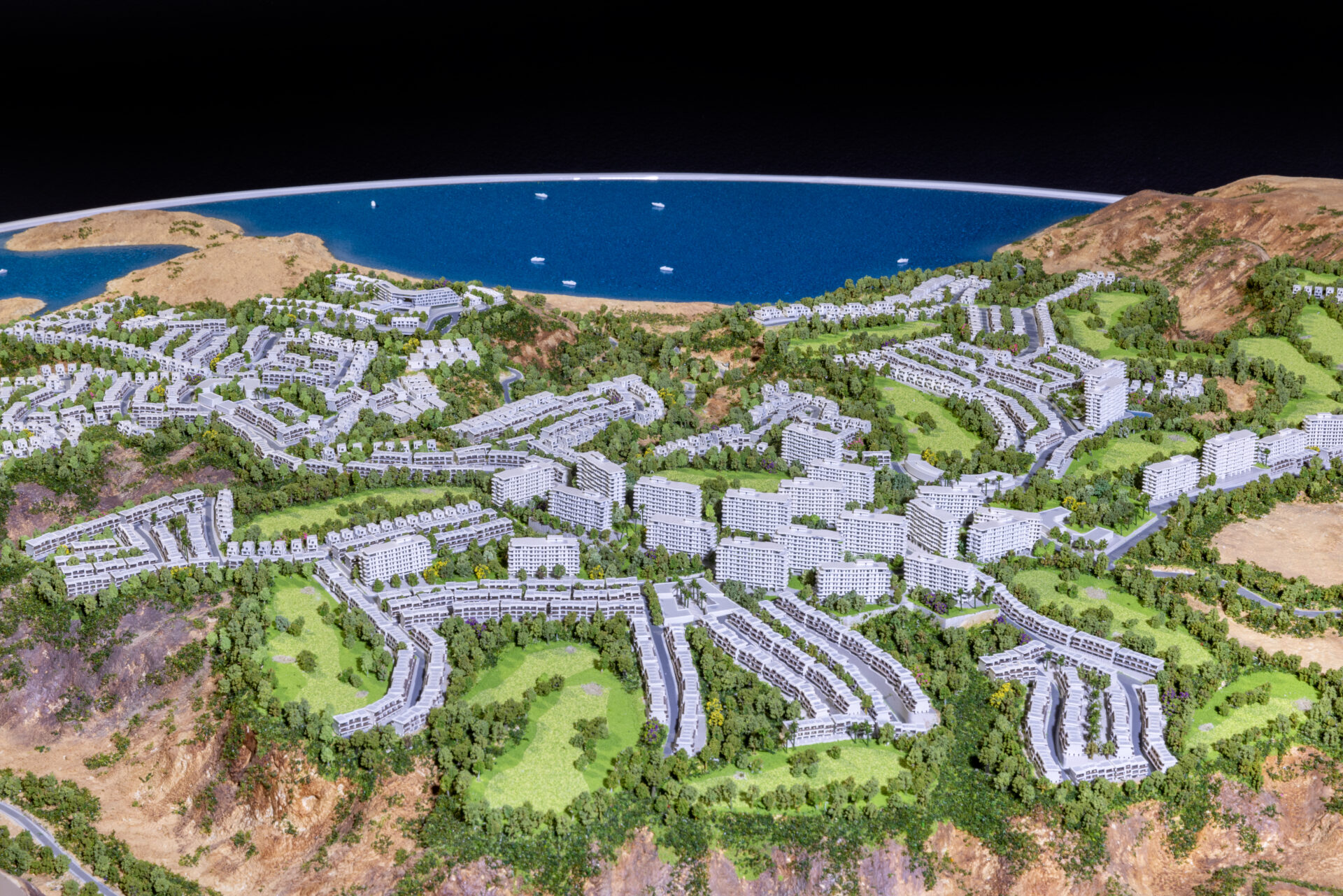
Model topography replicates terrain features, elevations, and site contours in scaled physical form, using materials like foam, cork, or 3D-printed resin. It helps architects visualize slopes, drainage, and landforms for site analysis and design integration. QZY Models delivers high-precision topography models for urban planning, real estate development, and presentation purposes.
What Are Model Topography Models Used For?
Model topography models help architects study site elevation, drainage, and natural features to guide building placement and landscape planning. They are essential for slope analysis, urban simulations, and stakeholder presentations.
QZY Models integrates realistic terrain details with structures for clients including real estate developers, ensuring models communicate site conditions accurately. Foam and cork layers create relief, while vegetation and pathways enhance realism. Digital scans refine accuracy, enabling transportable, exhibition-ready models.
How Do You Create Model Topography from Contour Maps?
Start by tracing contour lines from maps onto foam, cork, or MDF layers. Cut each layer precisely using knives, laser cutters, or CNC machines, then stack according to elevation intervals (e.g., 1 foot per layer). Base boards match site dimensions, with surface textures added via sanding or flocking.
QZY Models uses CNC routing for precision and speed, producing consistent models for urban planners. Layered construction balances weight, detail, and portability, ideal for sloped or complex terrains.
| Technique | Materials | Best Scale | Pros |
|---|---|---|---|
| Layered Stacking | Foam, Cork | 1:200-1:500 | Affordable, adjustable |
| CNC Routing | MDF, Foam | 1:100-1:300 | Fast, precise |
| 3D Printing | Resin | 1:500+ | Complex geometries |
| Hand Carving | Clay, Wood | 1:100 | Organic textures |
Which Materials Are Best for Model Topography?
Optimal materials include foam boards, cork sheets, MDF, and acrylic. Foam is lightweight and easy to layer, cork provides natural landscape textures, MDF offers durability for bases, and acrylic highlights contours or water features.
QZY Models combines these with resins for industrial and high-end urban sites. Lightweight materials suit exhibitions, while rigid components endure shipping. Paint and seal layers for realism and humidity protection. Sustainable materials like recycled foam reduce environmental impact.
Why Is Vertical Exaggeration Used in Model Topography?
Vertical exaggeration amplifies subtle elevation changes to enhance 3D perception at small scales (e.g., 1:1000). It prevents flat-looking models and improves clarity for drainage studies, road planning, and terrain visualization.
QZY Models applies calibrated exaggeration ratios for accuracy and aesthetic appeal in projects for architects like Foster + Partners. Over-exaggeration is avoided to prevent distortion.
When Should Stepped vs Smooth Topography Be Chosen?
Stepped topography highlights elevation intervals clearly, ideal for engineering or planning studies. Smooth topography is preferred for presentations emphasizing buildings and landscapes.
QZY Models often sands stepped layers to create hybrid finishes, combining clarity with aesthetics. Transport considerations may influence choice, as stepped layers add height. Testing both approaches ensures client satisfaction.
How Does QZY Models Innovate in Model Topography?
QZY Models employs hybrid CNC and 3D printing techniques, integrating sustainable foams and LED lighting for advanced presentations. Scales from 1:50 to 1:1000 accommodate diverse client needs.
Using LiDAR and digital scans, QZY Models produces photorealistic, tactile terrain models efficiently, reducing production time by up to 40% and minimizing material waste. Projects for Vanke and global clients demonstrate adaptability on challenging topographies.
Can Digital Tools Replace Traditional Model Topography?
Digital tools like Rhino, CAD, and 3D printing enhance precision and visualization but cannot fully replace tactile physical models, which provide hands-on insights crucial for stakeholder reviews.
QZY Models merges digital design with physical fabrication—scanning sites digitally, then producing accurate, touchable models. VR previews complement but do not replace the insight gained from physical terrain models.
| Digital Tool | Physical Benefit | Integration Example |
|---|---|---|
| Rhino Contours | Layer templates | Foam stacking |
| 3D Printing | Complex peaks | Resin valleys |
| LiDAR Scanning | Accurate topography | CNC bases |
| VR Rendering | Pre-build simulation | Final model refinement |
QZY Models Expert Views
“In model topography, precision and artistry converge at QZY Models. Using layered foams, CNC routing, and sustainable materials, we transform contour data into tangible landscapes, capturing every slope and valley. From Shenzhen to Saudi Arabia, our models guide design decisions, enhance presentations, and inspire architectural solutions. Vertical exaggeration and hybrid finishes ensure clarity and visual impact for global clients.” – Richie Ren, Founder, QZY Models
Key Takeaways and Actionable Advice
Start with accurate contours, select materials suited to scale and portability, and apply vertical exaggeration judiciously. Stack layers systematically, add textures, and integrate vegetation where appropriate. Partner with experts like QZY Models for complex urban or industrial sites. Store models safely and combine digital previews with physical fabrication for best results.
FAQs
What scale works best for model topography?
1:200–1:500 is ideal for balancing detail with manageable model size.
How thick should topography layers be?
3–5mm foam or cork per contour interval is standard for realistic elevation representation.
Can model topography include buildings?
Yes, integrating structures at matching scales provides contextual urban or landscape models.
What tools are used to cut topography contours?
Hobby knives, laser cutters, and CNC machines are commonly used depending on precision needs.
Is foam better than wood for model topography?
Foam is lighter and easier to manipulate, while wood offers durable, textured finishes for long-term models.