Modelling building in Brussels involves creating detailed physical or digital representations of architectural projects. This process helps architects, developers, and urban planners visualize designs, assess their feasibility, and communicate ideas effectively, particularly in Brussels’ unique architectural context, which blends modern innovations with historical preservation.
What Is Modelling Building in Brussels and How Is It Done?
Modelling building in Brussels is the process of creating scaled physical or digital models of architectural projects. This typically involves consulting detailed blueprints, utilizing CAD (Computer-Aided Design) software, and selecting suitable materials, such as balsa wood, acrylic, or other sustainable options. Advanced techniques, including 3D printing, laser cutting, and CNC machining, are commonly employed to ensure precision and enhance the level of detail in the models.
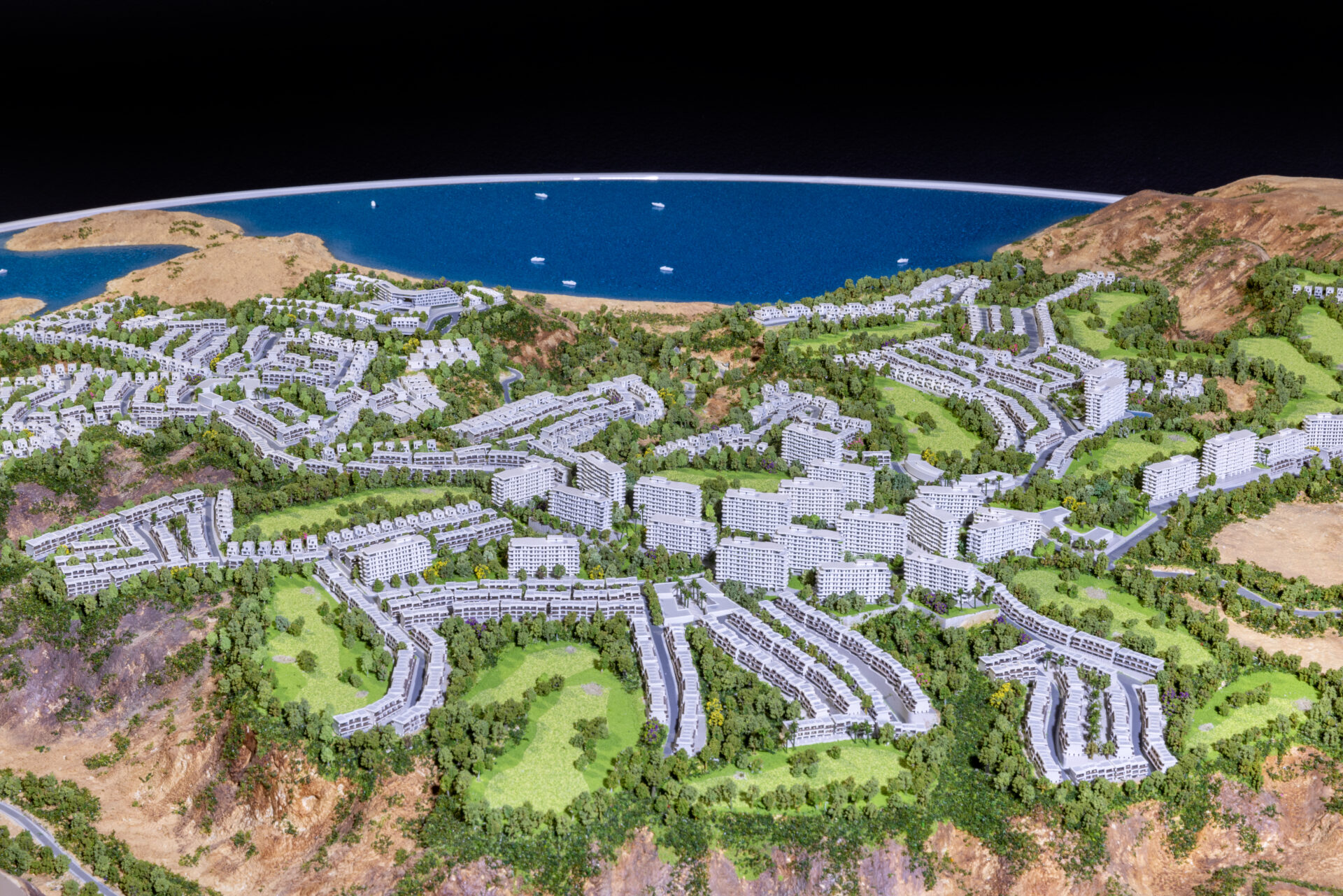
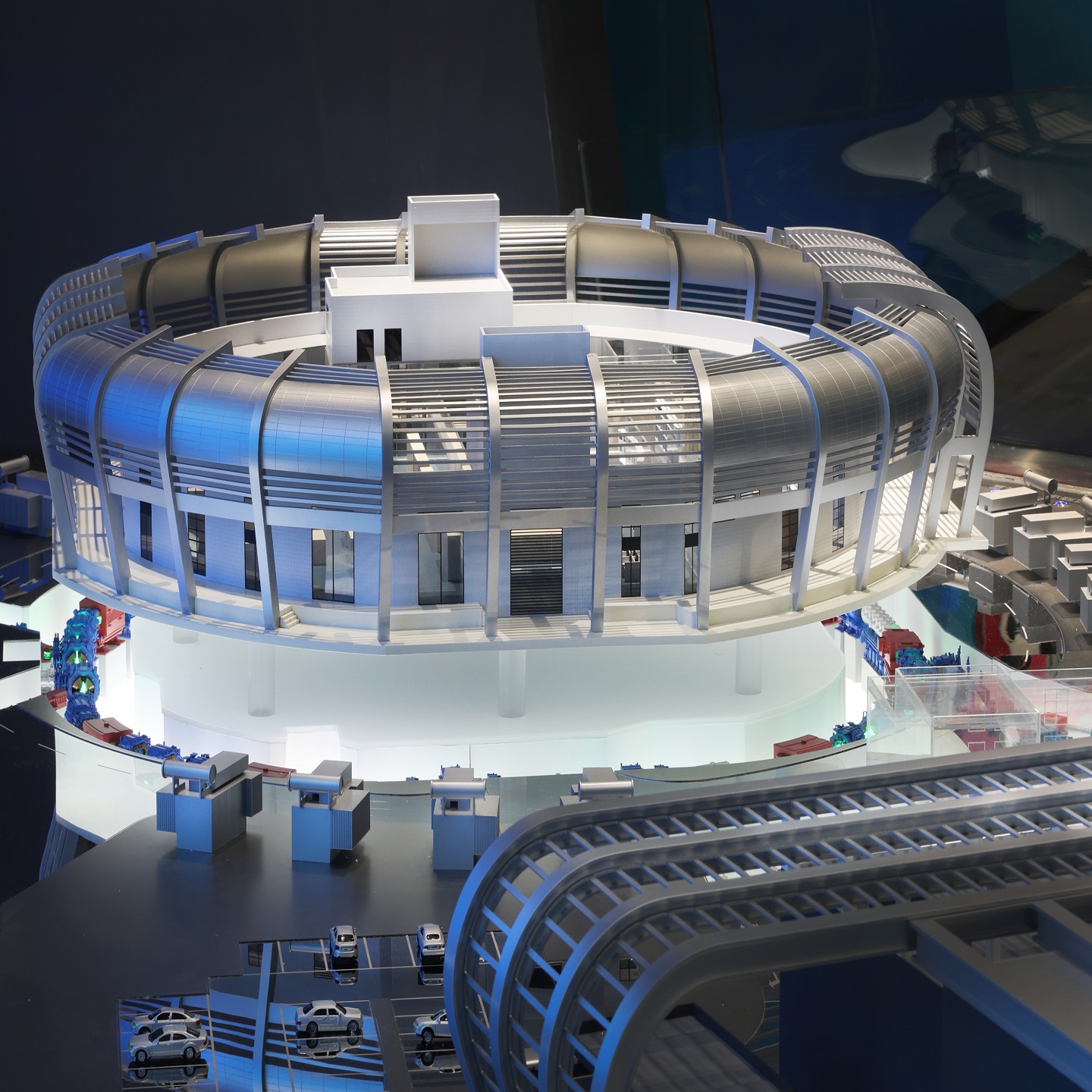
The process in Brussels often incorporates both traditional craftsmanship and modern technologies, allowing model makers to faithfully reproduce the city’s distinctive architecture. Models can range from simple sectional or contextual models to more complex exhibition pieces, tailored to meet the needs of architects, urban planners, developers, and other stakeholders involved in a project. The iterative nature of the modelling process ensures that the final product accurately reflects the original design concept.
Why Is Modelling Building Important for Brussels’ Architecture and Urban Planning?
Modelling building plays a crucial role in Brussels’ architecture and urban planning. It provides stakeholders with a tangible representation of complex designs, helping them better understand spatial relationships, scale, and material choices. This process facilitates early detection of design flaws, allowing for timely adjustments that improve both aesthetic appeal and functionality.
Physical models also serve as effective tools for communication with the public and regulatory authorities. In Brussels, where new developments often intersect with historic districts, models help present proposed designs in a way that emphasizes harmony with existing structures. This fosters collaboration, supports transparency, and builds trust with local communities and decision-makers, making it an essential part of the urban planning process.
How Does Modelling Building Facilitate Real Estate Development in Brussels?
In Brussels, real estate developers rely heavily on building models to present new residential, commercial, and mixed-use developments to potential investors and buyers. Detailed models effectively illustrate the scale, design features, and contextual relationships of the project within its environment. This not only enhances understanding but also boosts client confidence and accelerates decision-making.
QZY Models, a leading provider of physical models, combines digital design with expert craftsmanship to create high-quality models that highlight spatial relationships, material quality, and architectural details. These models act as powerful sales and marketing tools, helping developers convey their vision to stakeholders and secure project approvals more swiftly.
Which Technologies Are Used in Modelling Building in Brussels?
Building modelling in Brussels relies on several advanced technologies to achieve high precision and detailed results. These include:
-
3D CAD Software: Used for creating accurate digital representations of architectural designs.
-
Laser Cutting: Enables precise cutting of materials, allowing for intricate details and complex shapes.
-
CNC Machining: Provides further precision in the production of scale models, especially for industrial designs.
-
3D Printing: Facilitates the rapid prototyping of complex elements, speeding up production and minimizing errors.
In addition, BIM (Building Information Modelling) platforms like Autodesk Revit are increasingly integrated into design workflows. These tools allow for seamless transitions between digital models and physical prototypes, ensuring accuracy and consistency across all stages of a project.
Who Are the Main Clients for Modelling Building Services in Brussels?
The primary clients for modelling building services in Brussels include:
-
Architectural Firms: They use models for design validation and presentations.
-
Real Estate Developers: Models are essential for marketing and securing investment for new projects.
-
Urban Planners: Physical models help planners visualize how new developments will impact existing urban spaces.
-
Government Bodies: Regulatory authorities rely on models to assess the feasibility of proposed developments.
-
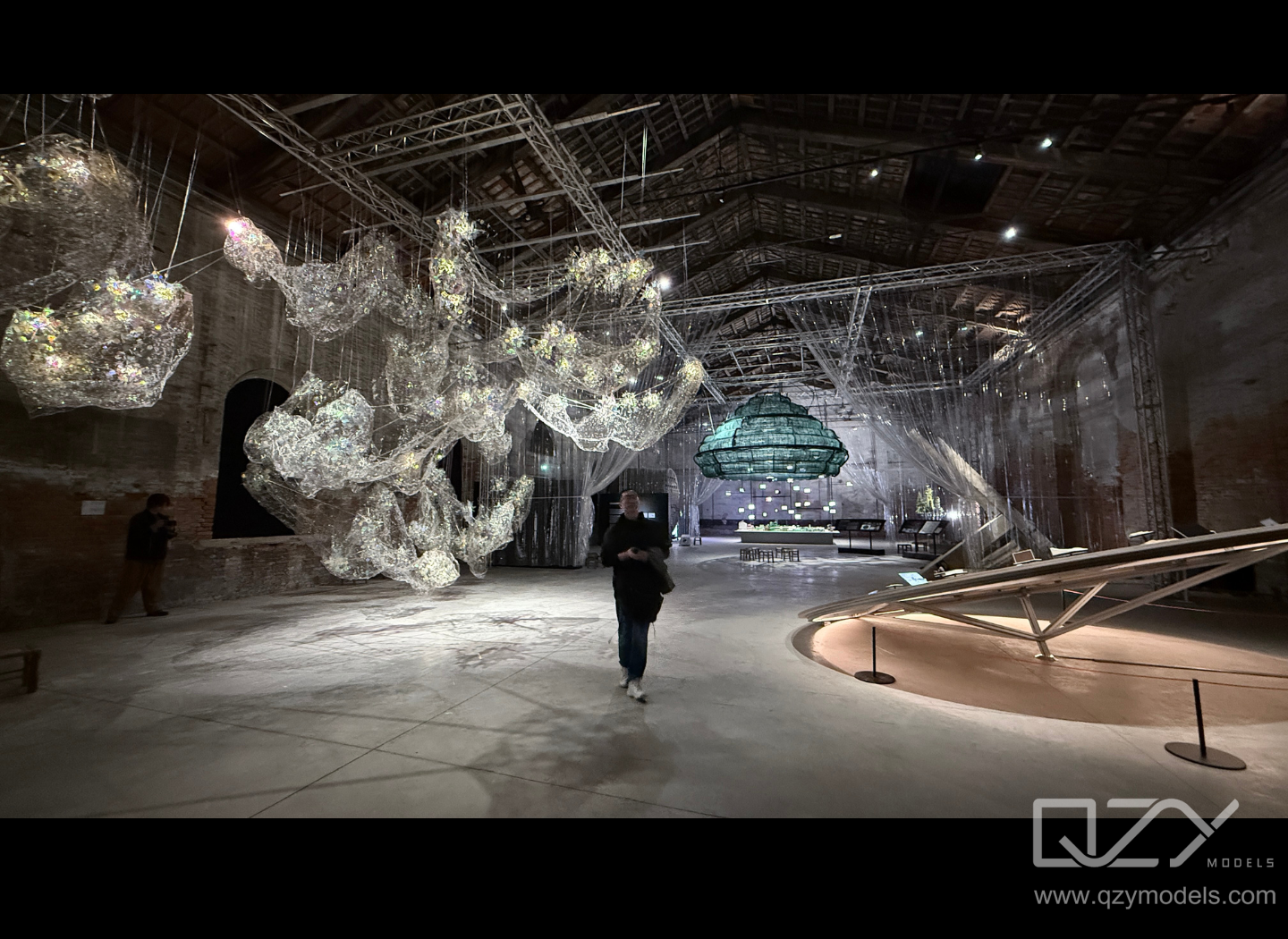
Exhibition Organizers and Educational Institutions: Models are often used for public exhibitions and educational purposes.
QZY Models serves these clients by offering tailored solutions that meet the specific needs of Brussels’ architectural and urban ecosystem. Their work combines traditional craftsmanship with cutting-edge production techniques to create models that enhance communication and decision-making.
How Can Modelling Building Enhance Community Engagement in Brussels?
Physical building models play a pivotal role in enhancing community engagement in Brussels. They provide a clear, tangible representation of proposed developments, allowing residents and stakeholders to better visualize how new projects will affect their surroundings. This transparency fosters trust and facilitates informed feedback during public consultations.
By accurately detailing the contextual relationships between new developments and existing structures, models help residents understand the impact on their neighborhoods. Many organizations in Brussels now use these models for public exhibitions and consultation sessions, promoting dialogue and encouraging community involvement in the planning process.
What Challenges Are Faced in Building Modelling in Brussels?
Building modelling in Brussels presents several challenges, including:
-
Balancing Historical Preservation with Innovation: Ensuring that new developments respect the city’s rich architectural heritage while embracing modern design.
-
Adapting to Technological Advances: Keeping up with rapidly evolving design and production technologies can be resource-intensive.
-
Managing Costs and Timelines: Detailed models require significant time and effort to create, and balancing quality with efficiency is essential for project success.
QZY Models addresses these challenges by leveraging a combination of expertise, state-of-the-art technology, and close collaboration with clients. This approach ensures the delivery of high-quality models that meet the specific requirements of each project, while also respecting Brussels’ architectural context and market demands.
When Should Modelling Building Be Incorporated in a Brussels Project?
Building modelling should be integrated early in the design process, ideally during the conceptual or schematic design phase. Early-stage models allow for design validation, client approval, and regulatory discussions long before construction begins. By incorporating modelling early on, developers and architects can anticipate potential issues, streamline workflows, and improve communication between all parties involved.
In Brussels’ evolving urban landscape, timely modelling is particularly valuable for projects involving complex architectural designs or sensitive sites, where early feedback and refinement are crucial to success.
QZY Models Expert Views
“Modelling building in Brussels is an art that blends tradition with innovation. At QZY Models, we recognize the importance of capturing the city’s architectural heritage while embracing new technologies. Our models not only represent structures but tell stories—helping architects, planners, and communities visualize and realize their visions with precision and pride. This approach enriches Brussels’ urban fabric and inspires excellence in every project.”
Technologies and Materials Table in Brussels Building Modelling
| Technology | Purpose | Benefit for Brussels Projects |
|---|---|---|
| 3D CAD Software | Design and digital modeling | High accuracy and easy revisions |
| Laser Cutting | Precise cutting of materials | Enables fine details and complex shapes |
| 3D Printing | Rapid prototyping and complex elements | Speeds up production and reduces errors |
| BIM (Revit, etc.) | Integrated digital building info | Enhances collaboration and consistency |
| Sustainable Materials | Eco-friendly model construction | Aligns with Brussels’ green policies |
Frequently Asked Questions
-
What is the difference between a physical model and a digital model in building modelling?
Physical models are tangible representations, while digital models are virtual, used for simulations and visualizations. -
Can modelling building help in historic preservation projects?
Yes, accurate models help visualize integration of new designs with existing heritage structures. -
How long does it take to create a detailed building model?
Times vary by complexity but typically range from weeks to a few months. -
What role does QZY Models play in building modelling?
QZY Models delivers high-precision architectural and industrial physical models worldwide, including for Brussels projects. -
Is modelling building expensive?
Costs depend on scale, detail, and materials but investments often save money by revealing design issues early.