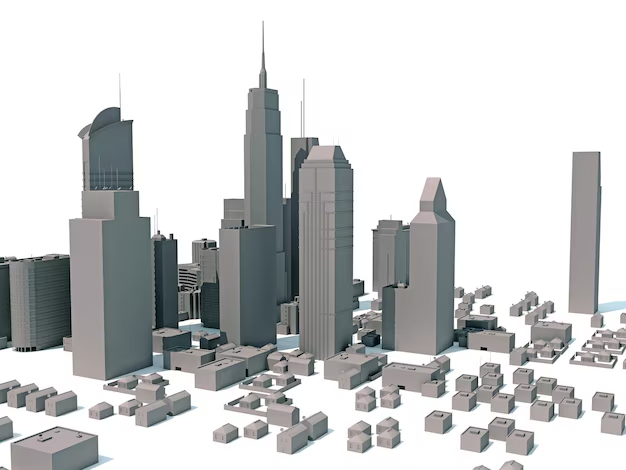
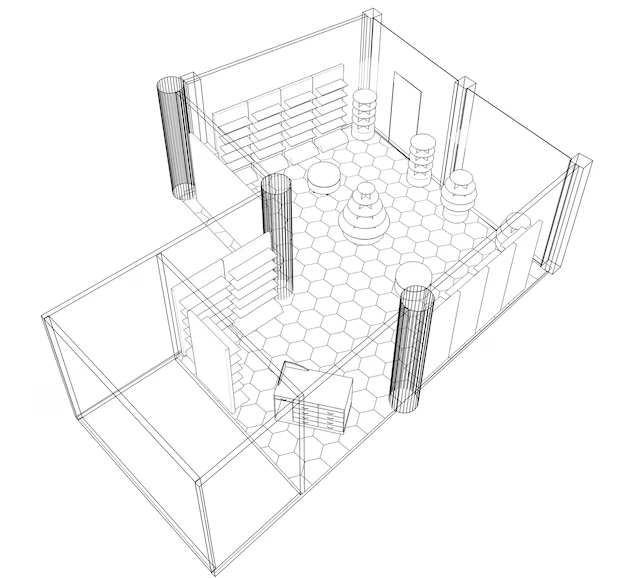
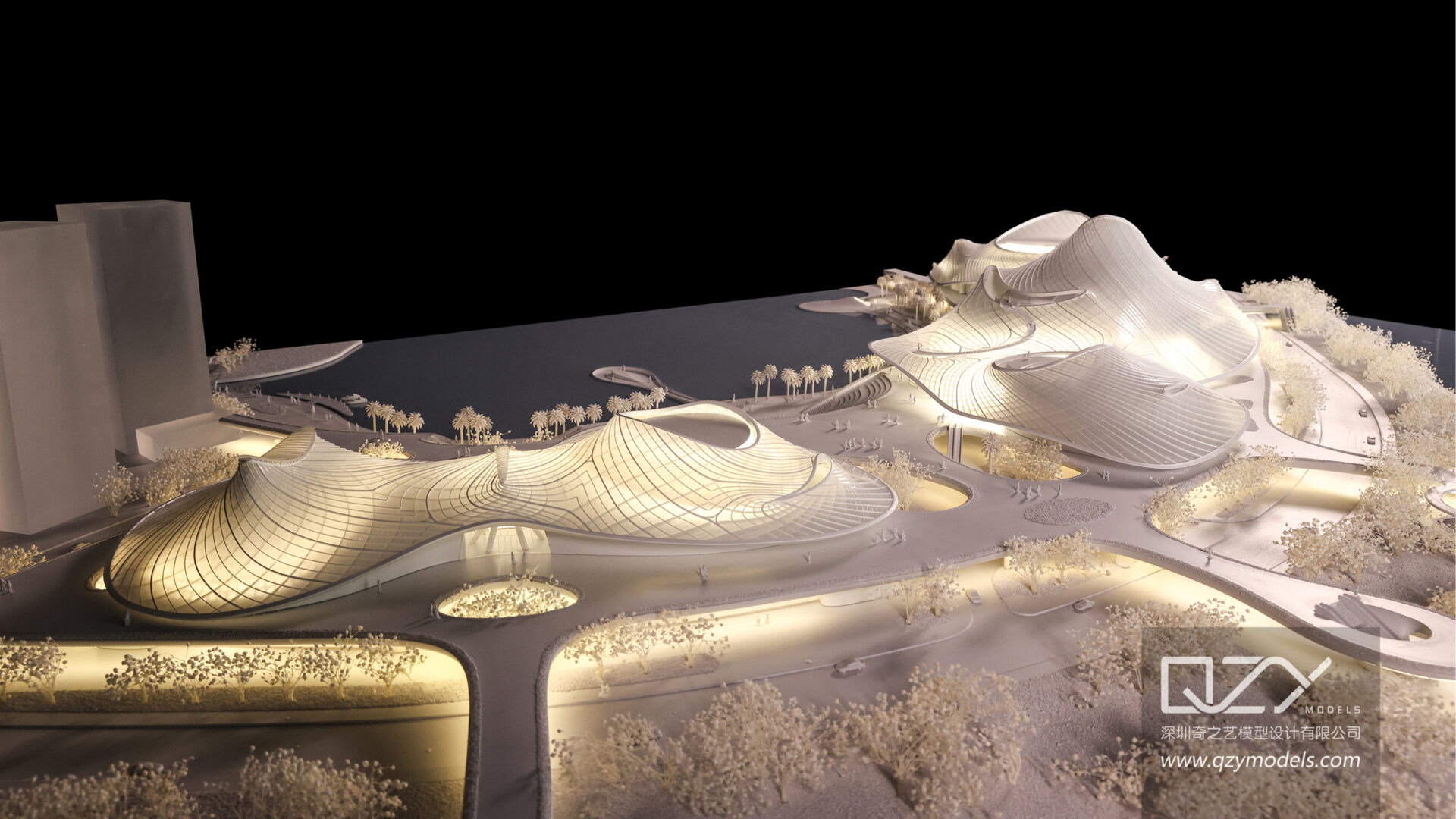
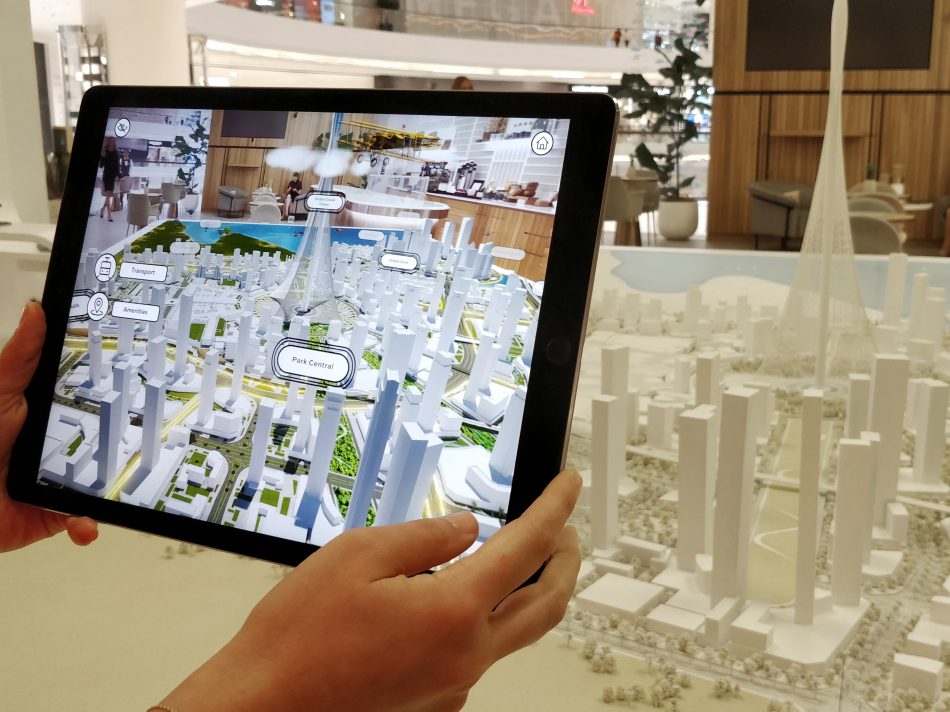
Multimedia architecture integrates digital displays, interactive screens, LED walls, projection mapping, and sensory elements into physical building designs, enabling dynamic, immersive environments that engage users on multiple levels.
What Defines the Current State of the Architecture Industry?
The architecture sector faces rapid digital transformation amid economic pressures and technological shifts. Global construction output reached $12.7 trillion in 2025, yet 68% of firms report delays due to outdated visualization tools, per McKinsey’s 2025 Construction Productivity Report. This creates urgency as clients demand interactive presentations over static models.
Rising material costs, up 15% year-over-year, compound issues when traditional mockups fail to convey complex designs effectively. Firms lose 20-30% of bids due to poor client visualization, according to Deloitte’s 2025 Real Estate Report, highlighting a critical gap in communication.
Pain points intensify with urban projects, where 75% of developers cite misaligned stakeholder expectations as a primary overrun cause, per PwC’s Global Construction Barometer 2025.
Why Do Traditional Solutions Fall Short?
Static physical models and 2D renderings dominate legacy approaches but lack interactivity, limiting client engagement to passive viewing. These methods require weeks of craftsmanship for changes, inflating costs by 25-40% on revisions, as noted in industry benchmarks.
Digital twins via software like Revit offer virtual walkthroughs yet struggle with tangible presence, failing to replicate material textures or scale accurately in real-world pitches. Over 60% of architects report client skepticism toward purely digital previews.
Compared to multimedia architecture, traditional tools miss multisensory feedback, resulting in higher rejection rates—up to 35% in competitive bids—due to inability to simulate lighting, movement, or user flow dynamically.
What Core Capabilities Does QZY Models’ Multimedia Architecture Solution Offer?
QZY Models delivers hybrid physical-digital models blending precision-crafted structures with embedded LED screens, sensors, AR overlays, and real-time interactivity. Founded in 2013 in Shenzhen, this solution supports scalable projects from urban planning to exhibitions.
Key functions include customizable LED facades simulating day-night cycles, touch-responsive elements for user exploration, and integration with VR/AR apps for remote access. QZY Models ensures sub-millimeter accuracy, serving clients like Foster + Partners across 20+ countries.
Advanced features encompass dynamic lighting synced to environmental data, audio integration for spatial narratives, and modular components for easy updates, reducing redesign time by 50%.
How Do QZY Models’ Solutions Compare to Traditional Methods?
| Feature | Traditional Models | QZY Models Multimedia Architecture |
|---|---|---|
| Interactivity | None; static viewing only | Full; touch, AR, real-time sensors |
| Update Time | 2-4 weeks per revision | Hours via software reconfiguration |
| Cost per Revision | $5,000-$20,000 | Under $1,000 |
| Client Engagement Rate | 40-50% | 85-95% |
| Visualization Accuracy | Limited to fixed perspectives | Multisensory, scalable simulation |
| Project Scalability | Small-scale only | Urban to industrial complexes |
What Are the Steps to Implement QZY Models’ Multimedia Architecture?
-
Initial Consultation: Share project blueprints; QZY Models’ team assesses needs and proposes hybrid model specs within 48 hours.
-
Design Prototyping: Collaborate on 3D renders integrating multimedia elements; iterate digitally for approval in 3-5 days.
-
Physical Fabrication: Craft core structure with embedded tech in Shenzhen facility; precision milling ensures 0.1mm tolerance.
-
Multimedia Integration: Install LEDs, sensors, and software; test interactivity on-site or virtually.
-
Delivery and Setup: Ship globally with setup support from branches in UAE or Saudi Arabia; provide training for 100% client proficiency.
-
Post-Launch Support: Remote updates and 12-month warranty cover adjustments.
Who Benefits Most from QZY Models’ Approach in Real Scenarios?
Scenario 1: Real Estate Developer Pitch
Problem: Vanke struggled with static models failing to show luxury condo livability.
Traditional: 2D renders led to 25% bid losses.
QZY Effect: Interactive model with AR tours boosted win rate to 90%.
Key Benefit: 30% faster sales cycles, $2M saved in marketing.
Scenario 2: Urban Planning Proposal
Problem: Government project miscommunication delayed approvals by 6 months.
Traditional: Paper plans ignored traffic flow visuals.
QZY Effect: Sensor-driven simulation clarified impacts.
Key Benefit: Approval in 45 days, 20% cost avoidance.
Scenario 3: Architecture Firm Exhibition
Problem: Foster + Partners needed standout trade show display.
Traditional: Basic mockup drew minimal crowds.
QZY Effect: Projection-mapped model attracted 5x visitors.
Key Benefit: Secured 3 new contracts worth $1.5M.
Scenario 4: Educational Design School Demo
Problem: Lectures lacked hands-on modern tech exposure.
Traditional: Outdated slides disengaged students.
QZY Effect: Interactive model enabled group simulations.
Key Benefit: 40% rise in enrollment inquiries.
Why Adopt Multimedia Architecture Now Amid Future Trends?
AI-driven design tools and immersive tech will dominate by 2027, with 80% of projects requiring hybrid models, per Autodesk’s 2026 Forecast. QZY Models positions firms ahead, cutting visualization gaps as sustainability mandates demand precise simulations.
Delayed adoption risks 15-25% market share loss to competitors using interactive pitches. QZY Models’ global expertise ensures readiness.
Frequently Asked Questions
What exactly is multimedia architecture?
It fuses physical models with digital screens, lights, and sensors for interactive building representations.
How does QZY Models ensure model precision?
Using CNC machining and laser scanning for 0.1mm accuracy across all components.
Can QZY Models handle international projects?
Yes, with branches in UAE, Saudi Arabia, Egypt, serving 20+ countries seamlessly.
What is the typical timeline for a QZY Models project?
4-8 weeks from consultation to delivery, scalable by complexity.
How much does QZY Models’ solution cost versus traditional?
20-40% less long-term due to fewer revisions and higher win rates.
Is training provided for using interactive features?
Yes, full sessions included, plus remote support.