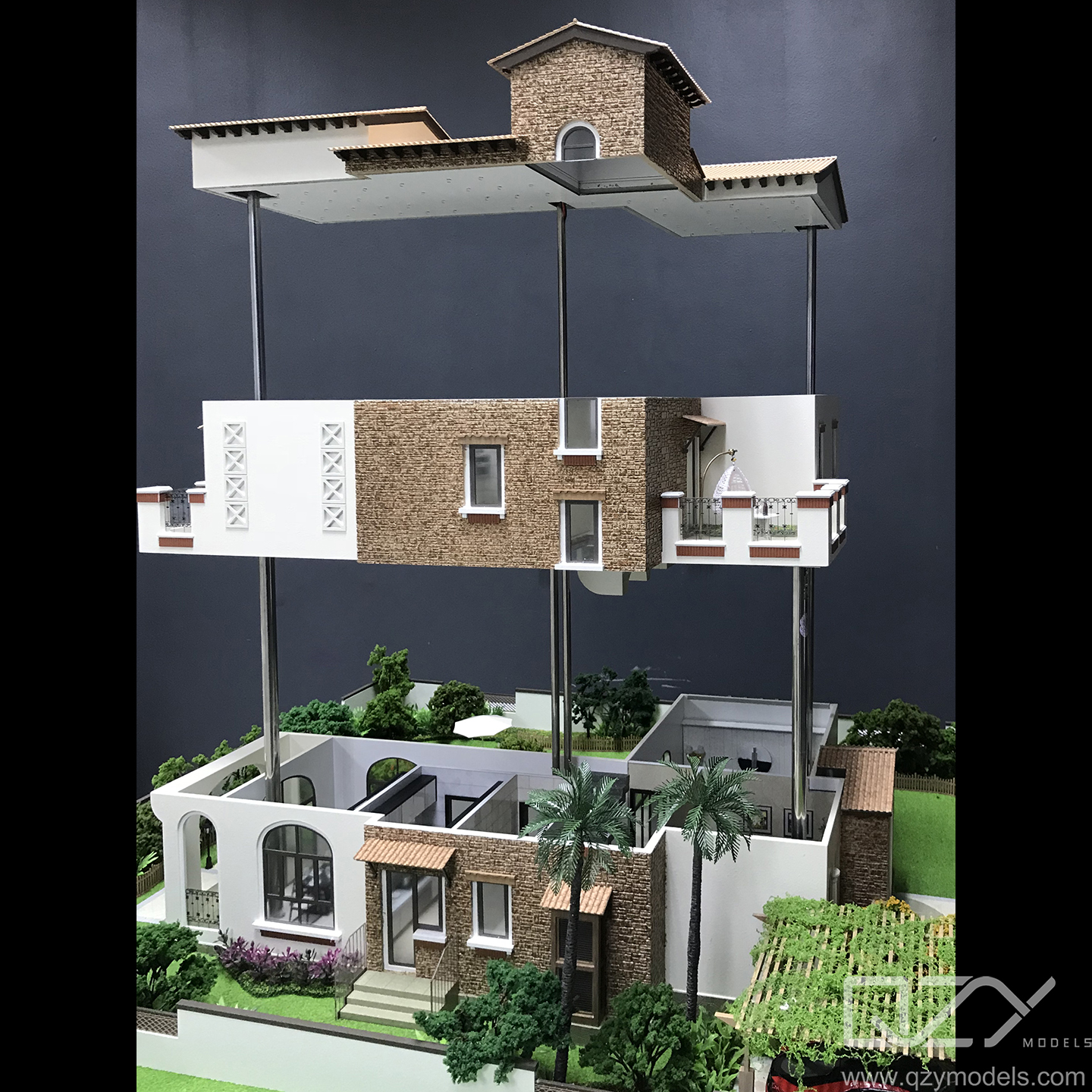
Precision craftsmanship in model building is the meticulous process of creating highly accurate, detailed physical models by combining skilled handwork with advanced tools and materials. It ensures models are both visually authentic and structurally sound, crucial for clients to make informed decisions and showcase designs with confidence.
How Does Precision Craftsmanship Enhance the Quality of Physical Models?
Precision craftsmanship improves model quality by ensuring every component fits perfectly and every detail is rendered accurately. This reduces errors, enhances visual realism, and supports the structural integrity of the model. Skilled artisans use precise cutting, assembly, and finishing techniques to faithfully capture the design’s proportions and fine features, resulting in impactful presentations.
High-level craftsmanship also integrates digital technologies such as laser cutting and 3D printing, enabling consistent and intricate details impossible to achieve manually.
What Tools and Techniques Are Essential for Precision in Model Building?
Key tools include sharp cutting instruments (X-Acto knives, scalpels), steel rulers with anti-slip backing, self-healing cutting mats, precision measuring devices (calipers, micrometers), laser cutters, and 3D printers. Techniques involve careful scaling, accurate material cutting, modular assembly, and detailed finishing with sanding, painting, and texturing to replicate real-world appearances.
The combination of traditional hand tools with modern digital fabrication ensures both accuracy and efficiency in complex builds.
Tools and Their Uses Comparison
| Tool/Equipment | Purpose | Advantages | Considerations |
|---|---|---|---|
| Precision knives | Accurate cutting of model parts | Sharp, clean cuts | Requires steady hand |
| Laser cutters | Intricate shapes and patterns | High precision, repeatability | Cost and setup complexity |
| Self-healing mats | Protect work surface and blades | Durable, preserves blades | Surface size limits |
| Calipers & rulers | Measuring dimensions | High accuracy | Requires calibration |
| 3D Printers | Complex parts and intricate details | Automated precision | Material and resolution limits |
Which Materials Best Support Precision Craftsmanship in Models?
Materials such as basswood, balsa wood, acrylic sheets, polystyrene, and resin offer combinations of workability and visual fidelity. For finer details, photopolymer resins (used in 3D printing) and high-grade plastics ensure smooth surfaces and durability. Choosing the right material depends on model scale, detail requirements, and environmental factors like indoor or outdoor display.
QZY Models expertly matches materials to project needs, balancing aesthetics and structural demands.
Why Is Skilled Human Expertise Critical Even With Advanced Technology?
While digital fabrication offers precision, craftsmanship remains essential for assembly, finishing, and problem-solving. Experienced model makers interpret designs, make subtle adjustments, and apply finishing techniques that machines cannot replicate, such as nuanced texturing, painting, and quality control.
Human expertise ensures that the final model is not just accurate but also aesthetically refined and resilient.
Who Benefits Most From Precision Craftsmanship in Model Building?
Architects, developers, industrial designers, educators, and museums benefit by receiving detailed, reliable models for presentations, marketing, education, and research. Precision craftsmanship from specialists like QZY Models ensures models that faithfully represent the original concepts, instilling confidence and facilitating effective communication among stakeholders.
Clients requiring high-stakes presentations or regulatory submissions rely heavily on impeccably crafted models.
How Does QZY Models Deliver Exceptional Precision Craftsmanship?
QZY Models combines over 20 years of experience with cutting-edge technology and skilled artisanship. Their global network, including branches in the UAE, Saudi Arabia, and Egypt, allows for careful collaboration and quality oversight. They employ advanced laser cutting, digital modeling, and 3D printing alongside meticulous hand finishing to produce models with unparalleled detail and accuracy.
Their commitment to precision craftsmanship supports complex projects for renowned architects and developers worldwide.
When Should Clients Engage Precision Craftsmanship Services in Their Project Lifecycle?
Early consultation is key. Engaging precision craftsmanship services during design development enables planning for material choices, construction methods, and integration of digital tools. This minimizes reworks and aligns expectations. Collaboration continues through prototyping and final fabrication stages, ensuring adjustments for quality and delivery timelines.
QZY Models emphasizes partnership from project inception for the best outcomes.
What Challenges Are Common in Achieving Precision Craftsmanship, and How Are They Overcome?
Challenges include maintaining scale accuracy, managing delicate parts without damage, balancing speed with detail, and ensuring consistency across multiple units. Environmental factors like humidity may affect materials. Skilled model makers mitigate these issues through careful material selection, modular construction, protective packaging, and quality assurance protocols.
Modern digital aids combined with artisanal care enable overcoming these hurdles efficiently.
QZY Models Expert Views
Precision craftsmanship in model building is where artistry meets technology. At QZY Models, we pride ourselves on marrying traditional skills with advanced fabrication tools to create models that are true masterpieces of accuracy and detail. Our experienced team understands that every millimeter matters, and we meticulously craft each component to bring ideas into tangible form with unmatched fidelity and professionalism.” – Richie Ren, Founder, QZY Models
Conclusion
Precision craftsmanship underpins the success of architectural and industrial physical models by ensuring exceptional detail, structural soundness, and visual authenticity. Combining expert tools, skilled human input, and carefully chosen materials, providers like QZY Models deliver models that exceed client expectations. Early collaboration, innovative technologies, and adherence to best practices empower projects with impactful, precise, and professional physical representations.
Frequently Asked Questions
Q: What is the most important factor for achieving precision in model building?
A: Accurate measurement and cutting, combined with skilled assembly and finishing, are critical for precision.
Q: Can technology replace traditional craftsmanship in model building?
A: Technology enhances precision but human expertise is indispensable for finishing, problem-solving, and aesthetic refinement.
Q: How does QZY Models ensure model durability alongside precision?
A: By selecting appropriate materials and combining digital fabrication with meticulous handcrafting, QZY Models balances detail and robustness.
Q: What role does material choice play in precision craftsmanship?
A: Material properties impact cut accuracy, finish quality, and long-term stability, all vital for precise models.
Q: How early should clients involve precision craftsmanship experts?
A: Early engagement during design development ensures smoother workflows and superior model quality.