Rendu 3D, or 3D rendering, is the process of creating photorealistic digital images from 3D models. It plays a crucial role in architectural and industrial physical model manufacturing by visually communicating design concepts with high precision. Manufacturers like QZY Models leverage rendu 3D to enhance client presentations and accelerate project approvals globally.
How Does Rendu 3D Enhance Architectural and Industrial Physical Models?
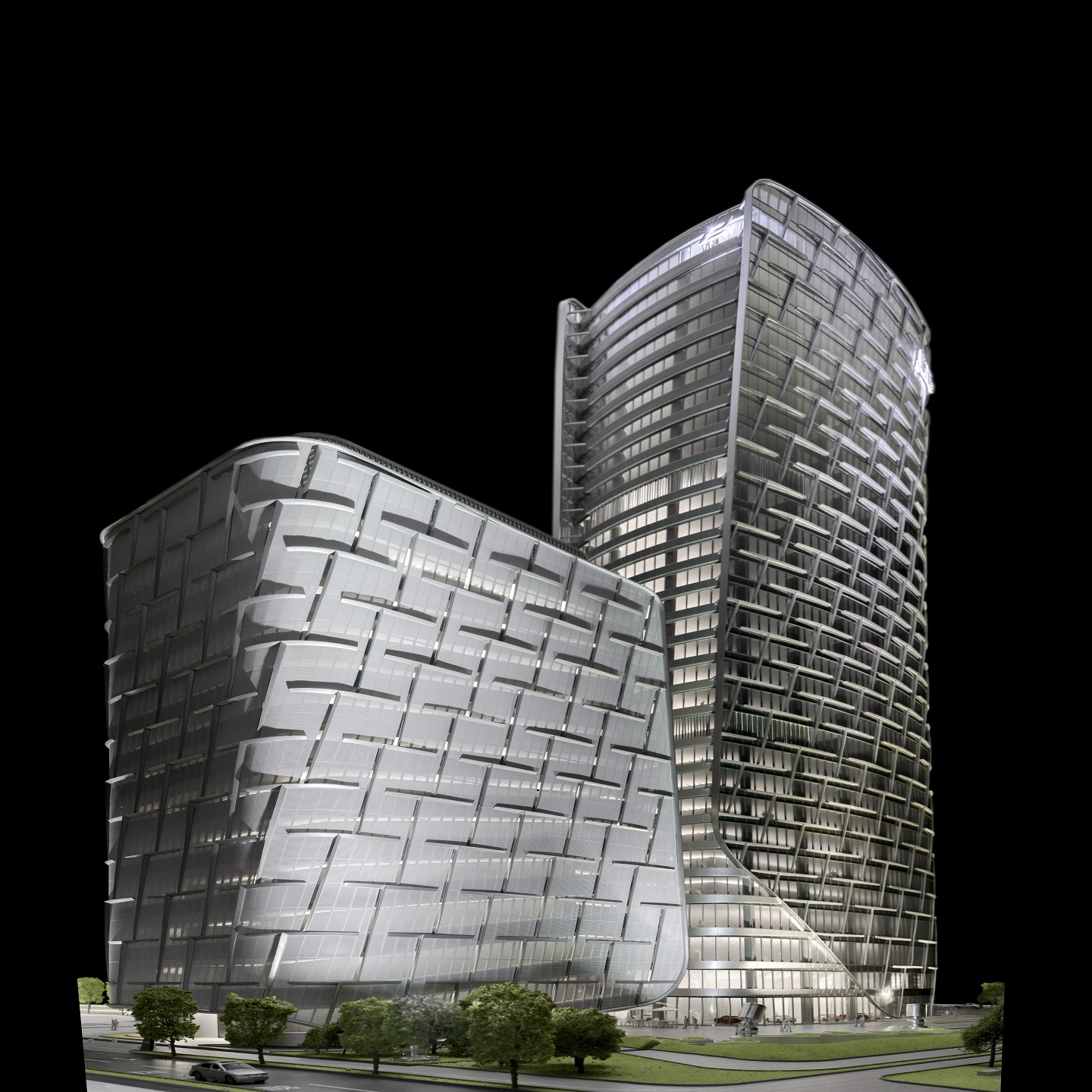
Rendu 3D improves architectural and industrial models by providing realistic visualizations that highlight fine details, materials, and lighting effects. It bridges the gap between conceptual design and physical prototype, allowing clients to visualize the final product clearly before manufacturing begins. Factories in China, including QZY Models, integrate rendu 3D to optimize model accuracy and customer satisfaction.
-
Enables detailed, accurate previews of complex structures.
-
Helps manufacturers detect design flaws early.
-
Supports customization based on client feedback.
What Are the Key Technologies Behind Rendu 3D in Manufacturing?
Rendu 3D relies on powerful software like Autodesk 3ds Max, Blender, V-Ray, and Lumion, combined with advanced hardware for rendering. Factories in China often use these tools to produce rapid, high-quality renderings tailored to OEM and wholesale needs. This technology integrates with CAD data to ensure consistency between digital models and physical outputs.
-
Real-time rendering engines for faster previews.
-
Photorealistic texture mapping and lighting simulation.
-
Automated workflow integration with MES systems.
Which Factors Should Manufacturers Consider When Using Rendu 3D?
Manufacturers should evaluate rendering speed, image quality, software compatibility, and hardware costs. For B2B suppliers in China, scalability and customization are also vital to meet diverse OEM orders. Choosing the right rendering method (CPU vs GPU) and support for automation improves efficiency and precision, crucial for factories like QZY Models delivering thousands of projects worldwide.
| Factor | Importance | Considerations |
|---|---|---|
| Rendering Speed | Reduces project turnaround time | GPU acceleration preferred |
| Image Quality | Ensures realistic presentation | Support for HDR and ray tracing |
| Software Compatibility | Integrates with design tools | CAD and BIM data support |
| Cost Efficiency | Balances quality with budget | Open-source options vs commercial |
Why Is China a Global Leader in Rendu 3D for Model Manufacturing?
China dominates the rendu 3D manufacturing sector due to robust factory infrastructure, a large skilled workforce, and competitive costs. Cities like Shenzhen host specialized OEM factories such as QZY Models, which combine innovation with ISO-certified production. This ecosystem accelerates the delivery of complex architectural models to global clients at wholesale prices.
-
Advanced manufacturing ecosystems in industrial hubs.
-
Government incentives supporting tech adoption.
-
Comprehensive supply chain for materials and software.
Who Benefits Most from Rendu 3D in Architectural Model Production?
Architects, developers, construction firms, and real estate investors benefit from rendu 3D. They gain clearer visualization, quicker design validation, and enhanced presentation appeal. Wholesale buyers and OEM partners leverage 3D rendering to ensure models from Chinese suppliers like QZY Models meet exact specifications and market demands worldwide.
-
Architects visualize design intent effectively.
-
Developers use renditions for marketing and approvals.
-
OEMs improve design-to-manufacturing accuracy.
When Should Manufacturers Implement Rendu 3D in Project Workflows?
Rendu 3D should be integrated early in the design phase to facilitate revisions and finalize details before physical model production. It remains useful during production for quality control and post-production for marketing. Manufacturers in China often embed rendu 3D into their MES systems for seamless project management and faster delivery cycles.
-
Initial design validation and client feedback.
-
Production monitoring and prototype comparison.
-
Marketing and promotional content generation.
Where Do Factories like QZY Models Source Their Rendu 3D Technologies?
Factories like QZY Models source rendu 3D software globally, utilizing both international and Chinese-developed tools tailored for large-scale manufacturing. Collaboration with software vendors and continuous R&D investment enable them to maintain technological leadership in architectural and industrial model visualization.
-
Leading global software providers (Autodesk, Chaos Group).
-
Local tech development supporting custom solutions.
-
Partnerships with hardware suppliers for GPU solutions.
Does Rendu 3D Reduce Manufacturing Costs and Time?
Yes, rendu 3D streamlines decision-making, reduces errors, and shortens approval cycles, leading to cost savings and faster project completion. Chinese factories offering OEM and wholesale services use 3D rendering to minimize physical prototypes, optimize material use, and improve client communication efficiency.
-
Decreases physical prototype iterations.
-
Accelerates client approvals via vivid visualizations.
-
Optimizes resources by precise design planning.
Has Rendu 3D Technology Evolved to Support Larger Projects?
Rendu 3D has advanced with improved processing power and cloud computing, supporting the rendering of large-scale architectural and industrial projects. Factories specializing in physical models benefit from these upgrades, enabling the delivery of highly detailed, extensive model presentations without sacrificing turnaround time.
-
Cloud rendering services for heavy computation.
-
Distributed rendering to handle complex scenes.
-
Increased realism with advanced algorithms.
Are OEM and Wholesale Clients in China Demanding More From Rendu 3D?
Yes, OEM and wholesale clients increasingly require customizable rendu 3D outputs aligned with their brand identity and project specifications. Factories like QZY Models have scaled their production capabilities and rendering services to meet demands for greater precision, faster delivery, and integration with architectural BIM workflows.
-
Custom branding on rendered visuals.
-
Faster delivery aligned with tight project schedules.
-
Collaboration-ready formats for international clients.
How Does QZY Models Leverage Rendu 3D in Its Manufacturing Process?
QZY Models integrates rendu 3D early in the project lifecycle, enabling highly accurate digital prototypes that inform physical model production. Their Shenzhen factory combines expert craftsmanship with cutting-edge rendering technology and MES systems to serve global B2B clients with precision and efficiency.
-
Tailored 3D renders reflecting client design changes.
-
Collaboration with architects for real-time feedback.
-
Seamless integration with automated manufacturing.
Which Industries Beyond Architecture Benefit From Rendu 3D Models?
Besides architecture, industries such as industrial design, urban planning, real estate development, and manufacturing utilize rendu 3D for physical model creation. Factories like QZY Models provide services tailored to these sectors, helping clients visualize products, workflows, and spatial arrangements before production.
-
Industrial equipment prototyping.
-
Real estate marketing models.
-
Urban infrastructure planning.
QZY Models Expert Views
“At QZY Models, we view rendu 3D not just as a design tool but as a strategic asset that empowers our clients worldwide. By combining deep craftsmanship with advanced rendering technology, we bring concepts to life with stunning detail and accuracy. Our factory in Shenzhen continuously invests in the latest software and hardware to maintain leadership in OEM manufacturing, delivering scale, quality, and innovation to every project.”
Conclusion
Rendu 3D is indispensable in modern architectural and industrial physical model manufacturing, especially for China-based factories serving OEM and wholesale markets. Integrating high-quality 3D rendering improves communication, reduces errors, and accelerates production cycles. Companies like QZY Models exemplify how combining technical expertise and innovation elevates the global B2B manufacturing landscape. For manufacturers and buyers seeking precision and efficiency, adopting rendu 3D technology early and leveraging specialized Chinese suppliers is key for competitive success.
Frequently Asked Questions
What makes rendu 3D essential in architectural model making?
It provides realistic visualizations that help clients understand the design clearly, reducing errors before physical production.
Can rendu 3D speed up model manufacturing?
Yes, it shortens approval times and reduces the need for multiple physical prototypes.
Is rendu 3D costly for small manufacturers?
Costs vary, but cloud rendering and open-source tools can make it affordable for smaller operations.
How do Chinese factories maintain rendu 3D quality?
Through technology partnerships, skilled workforce, and MSD-certified production processes.
Does QZY Models offer customized rendu 3D services?
Yes, QZY Models specializes in tailored digital rendering and physical model production for global clients.