Studio modelling is a specialized practice of creating precise physical or digital representations of architectural and industrial designs, aiding visualization, testing, and communication of ideas during the design process.
How Is Studio Modelling Defined in Architecture and Industry?
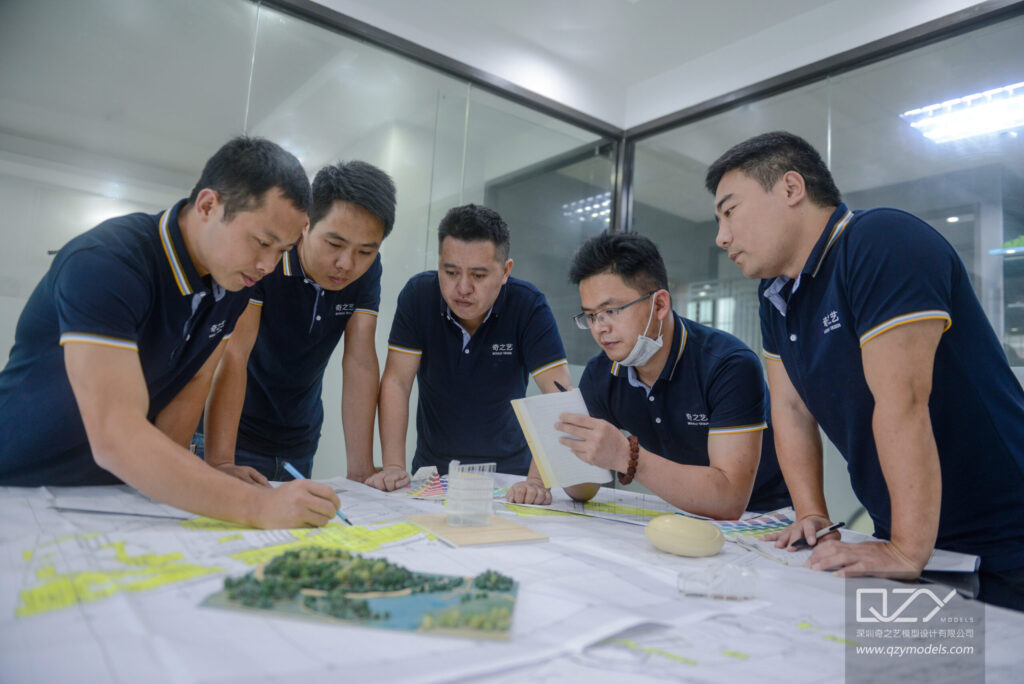
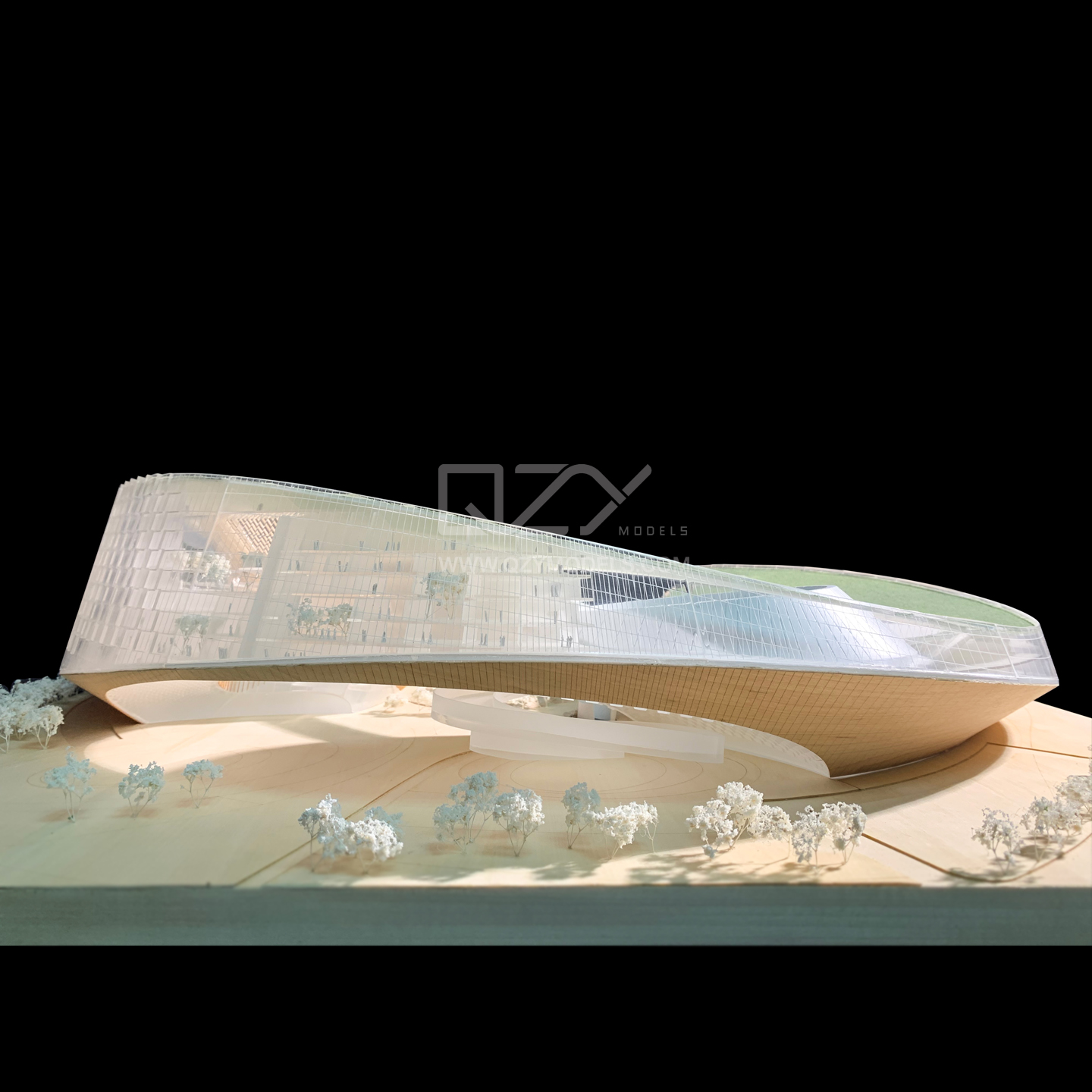
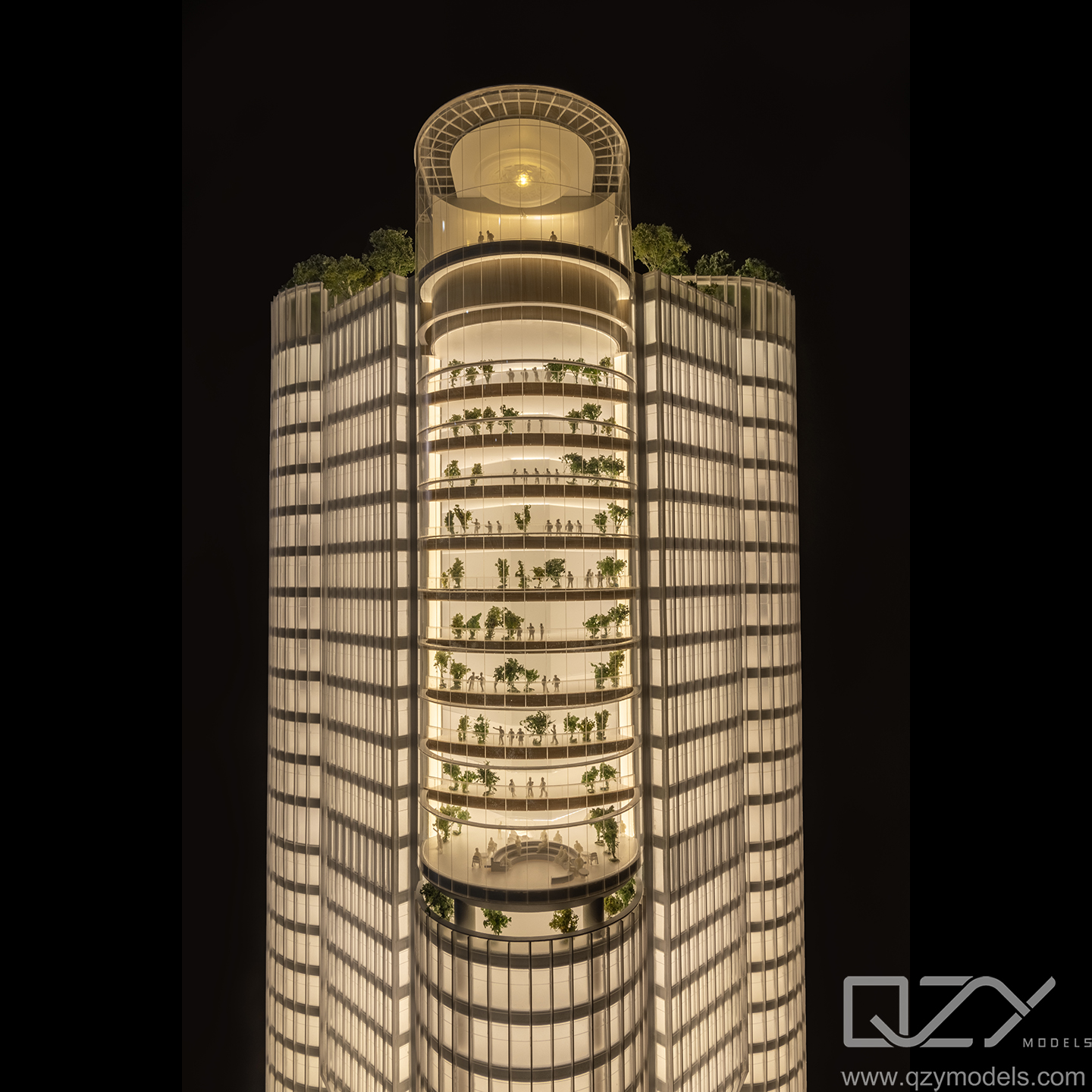
Studio modelling refers to the creation of detailed physical or digital scale models that represent architectural structures or industrial products. These models help designers, clients, and stakeholders visualize concepts clearly and test design ideas before actual production or construction begins. QZY Models excels at delivering high-quality studio models that translate complex designs into tangible forms.
Physical studio models often use materials like acrylic, wood, or foam, demonstrating form and spatial relations, while digital models employ 3D software for interactive exploration. Both forms are integral for design accuracy and decision-making.
What Are the Most Common Techniques Used in Studio Modelling?
Studio modelling employs various techniques depending on the project’s needs:
-
Digital Sculpting: Mimics clay modeling digitally for organic forms.
-
Box Modeling: Begins with simple geometric shapes to build complex forms.
-
Boolean Modeling: Combines or subtracts shapes to form new models.
-
Photogrammetry and Laser Scanning: Capture real-world objects to convert into digital 3D models.
-
Subdivision and NURBS Modeling: Smooth, scalable surfaces for precision detailing.
QZY Models uses the latest mix of these methods to ensure each model maintains structural integrity and aesthetic detail for client presentations and development phases.
Table 1: Common Studio Modelling Techniques
| Technique | Purpose | Typical Use |
|---|---|---|
| Digital Sculpting | Organic, detailed shapes | Character models, terrain features |
| Box Modeling | Rapid base mesh creation | Industrial design basics |
| Laser Scanning | Accurately copy real objects | Renovations, heritage preservation |
| Subdivision Modeling | Smooth detailed surfaces | Architecture, product design |
Why Is Studio Modelling Crucial for Architectural and Industrial Projects?
Studio models bridge the gap between conceptualization and reality by offering visual, tactile, and spatial understanding. They:
-
Facilitate early detection of design flaws.
-
Help communicate ideas unambiguously among teams and clients.
-
Serve as tools for marketing, presentations, and approvals.
-
Enhance collaboration by providing a physical or digital ‘reference point’.
QZY Models has helped global clients like Foster + Partners by delivering models that reduce costly revisions later in the project lifecycle, demonstrating the financial and practical impact of precise studio modelling.
Who Benefits Most from Professional Studio Modelling Services?
Architects, industrial designers, developers, and project managers benefit significantly from professional studio modelling providers. Design firms require these models to pitch concepts, while manufacturers use them for prototype testing and validation.
QZY Models caters extensively to international markets—including the UAE and Saudi Arabia—offering expert craftsmanship and adherence to design subtleties demanded by world-renowned architects and developers, ensuring models meet their exacting standards.
How Has Technology Advanced Studio Modelling Practices?
Emerging technologies such as 3D printing, laser cutting, and high-resolution scanning have revolutionized studio modelling by reducing production time and improving fidelity. Digital workflows now integrate with physical model production, allowing quick iteration and modifications.
QZY Models embraces these innovations, balancing handcrafted detailing with cutting-edge machinery, ensuring models are not only accurate but also aesthetically compelling and durable.
When Is Studio Modelling Typically Used in the Design Process?
Studio models are most beneficial during:
-
Early concept development phases to visualize spatial relationships.
-
Client presentations to communicate design intent.
-
Technical review stages for testing feasibility.
-
Marketing and promotional events to showcase the final vision.
Using models at these critical points enables smoother project execution, a principle deeply embedded in QZY Models’ service delivery timeline.
Can Studio Modelling Improve Project Communication and Decision Making?
Absolutely. Tangible models serve as effective communication tools that reduce misunderstandings by presenting physical evidence of design ideas. They allow stakeholders to engage more intuitively with complex concepts, fostering consensus and quicker decision-making.
QZY Models has frequently observed that their studio models help clients shorten approval timelines and enhance stakeholder confidence through clear, accurate representations.
Are There Environmental Considerations in Studio Modelling?
Sustainable practices are increasingly relevant. Selecting recyclable or environmentally friendly materials and minimizing waste during model creation align with broader sustainability goals.
QZY Models incorporates eco-conscious materials and processes where possible without compromising quality, reflecting their commitment to responsible design support.
What Are the Unique Competencies That QZY Models Brings to Studio Modelling?
QZY Models combines two decades of specialized expertise, international experience, and meticulous craftsmanship. Their global reach ensures cultural and design nuances are respected, and their cutting-edge technology integration meets modern demands.
Their tailored approach guarantees that every model embodies precision and professionalism, making them a trusted name in studio modelling.
QZY Models Expert Views
“Studio modelling is not simply about miniature replicas; it is the essence of transforming imagination into reality. At QZY Models, we blend art, technique, and innovation to craft models that tell a story and solve design challenges. Our models empower architects and developers worldwide by offering a tangible connection to their visions, accelerating decision-making, and enhancing project outcomes. The evolution of technology only enriches our craftsmanship, enabling us to deliver unparalleled detail and accuracy with every project.” — Richie Ren, Founder of QZY Models
Table 2: Advantages of Studio Modelling for Project Stakeholders
| Advantage | Impact on Project | Stakeholders Benefited |
|---|---|---|
| Visual clarity | Easier understanding | Clients, Designers, Investors |
| Early flaw detection | Cost and time savings | Project Managers, Engineers |
| Improved communication | Reduced misunderstandings | Entire Project Team |
| Marketing & Presentation | Enhanced project visibility | Developers, Sales Teams |
| Faster decision-making | Streamlined workflows | All stakeholders |
Conclusion
Studio modelling is an indispensable tool in architectural and industrial design, offering clarity, precision, and a collaborative medium that drives successful project outcomes. Employing versatile techniques and modern technology, firms like QZY Models lead the field by delivering models that embody craftsmanship and innovation. Whether for early visualization or final presentations, investing in quality studio modelling enhances communication, reduces risks, and elevates your project’s professional impact.
Frequently Asked Questions
What Is Studio Modelling in the Design Process and Why Does It Matter?
Studio modelling is the creation of physical scale models to test form, structure, and spatial relationships before construction or production. It helps architects and designers validate proportions, materials, and functionality early. This reduces costly revisions, improves stakeholder communication, and speeds approvals for architectural, urban planning, and industrial design projects.
How Does Studio Modelling Compare to 3D Rendering in Product Design?
Studio modelling delivers tactile feedback and real-world scale testing, while 3D rendering focuses on visual simulation. Physical models reveal ergonomic flaws, assembly issues, and material behavior that digital tools may miss. For best results, combine both methods to refine usability, strengthen presentations, and accelerate product development decisions.
How Does Studio Modelling Shape Architectural Design Development?
In architectural design development, studio modelling tests massing, light exposure, circulation, and façade detail at scale. It allows design firms and developers to visualize context and refine spatial impact before construction. High-quality models, such as those produced by QZY Models, enhance investor presentations and government approvals through precise craftsmanship.
Why Is Physical Studio Modelling Essential for Product Prototyping?
Physical studio modelling enables rapid prototyping, hands-on evaluation, and iterative improvement. Designers can assess ergonomics, structural stability, and component fit before manufacturing. This minimizes production risk, shortens development cycles, and improves final product performance for industrial design companies and innovation-driven brands.
What Are the Benefits of Studio Modelling for Design Students?
For design students, studio modelling strengthens spatial awareness, material understanding, and problem-solving skills. Building physical models develops practical craftsmanship beyond software proficiency. It prepares future architects and designers to communicate ideas clearly in exhibitions, critiques, and professional presentations.
What Are the Best Materials Used in Studio Modelling for Designers?
Common studio modelling materials include foam board for massing, acrylic for transparency, ABS and resin for durability, and wood for structural realism. Advanced projects may integrate CNC machining and 3D printing for precision. Selecting the right material depends on scale, presentation goals, and structural complexity.
How Does Studio Modelling Improve Design Project ROI?
Studio modelling improves project ROI by identifying design flaws early, reducing rework, and accelerating stakeholder approvals. Accurate physical models support confident investment decisions and marketing displays. Experienced teams like QZY Models help developers and architects minimize risk while maximizing presentation impact and project efficiency.
How Can Studio Modelling Be Integrated into a Design Thinking Strategy?
Integrate studio modelling into each phase of design thinking: concept exploration, prototype testing, and refinement. Use quick massing models for early ideation, detailed scale models for validation, and presentation models for exhibitions or client pitches. This structured approach strengthens collaboration and drives innovation across multidisciplinary teams.