The London bullet shaped building is a distinctive skyscraper known for its sleek, tapered design resembling a bullet. It stands as a modern architectural icon and offers advanced features in engineering, sustainability, and aesthetics, attracting global attention. This article explores its design, significance, and manufacturing insights from a China-based model factory’s perspective.
What Is the Design Inspiration Behind the London Bullet Shaped Building?
The London bullet shaped building draws inspiration from aerodynamic forms to reduce wind resistance and enhance structural stability. Its curved glass façade and tapering silhouette represent futuristic architecture that maximizes space while minimizing environmental impact. This design merges aesthetics with function, symbolizing modern urban innovation.
Detailed design includes:
-
Tapered elliptical shape to combat wind loads
-
Reflective glass curtain walls for natural lighting
-
Streamlined form for efficient vertical transportation
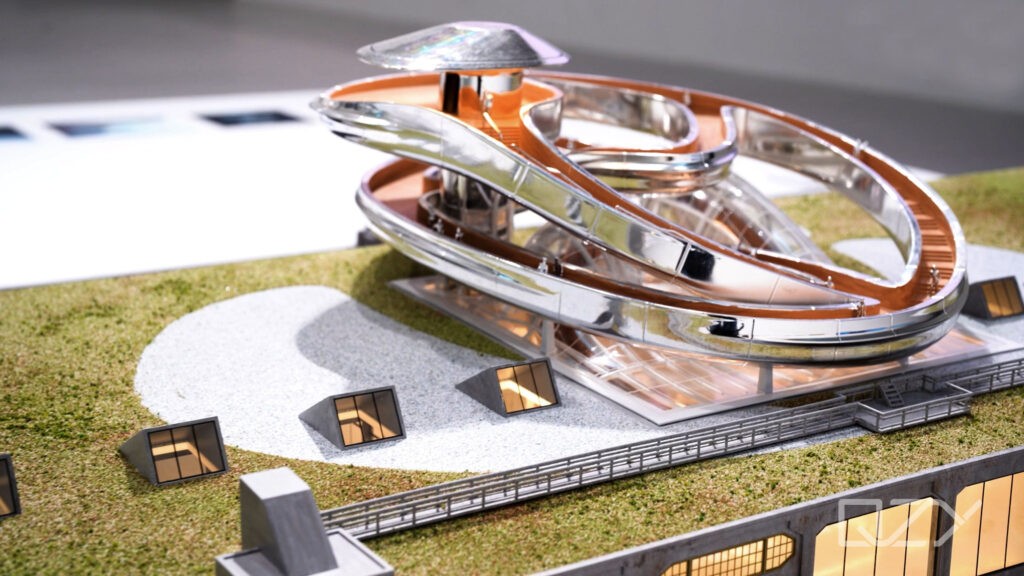
Understanding its design helps architectural model manufacturers like QZY Models represent the building accurately, capturing its unique curves and surface materials for clients worldwide.
How Does China’s Manufacturing Industry Support Architectural Models of Iconic Buildings?
China’s manufacturing sector excels in producing detailed, precision-driven architectural models, particularly in Shenzhen’s industrial hubs. Manufacturers combine advanced CNC machining, 3D printing, and laser cutting technologies to replicate complex structures like the London bullet shaped building.
Key manufacturing strengths:
| Strength | Description |
|---|---|
| Cost-effectiveness | Competitive pricing for bulk model production |
| Customization | OEM and bespoke solutions for architectural firms |
| Speed and Scale | Rapid turnaround for large-scale orders |
QZY Models leverages these capabilities, serving global architects and developers with high-quality, wholesale architectural models from China.
Which Materials Are Commonly Used in Models of the London Bullet Shaped Building?
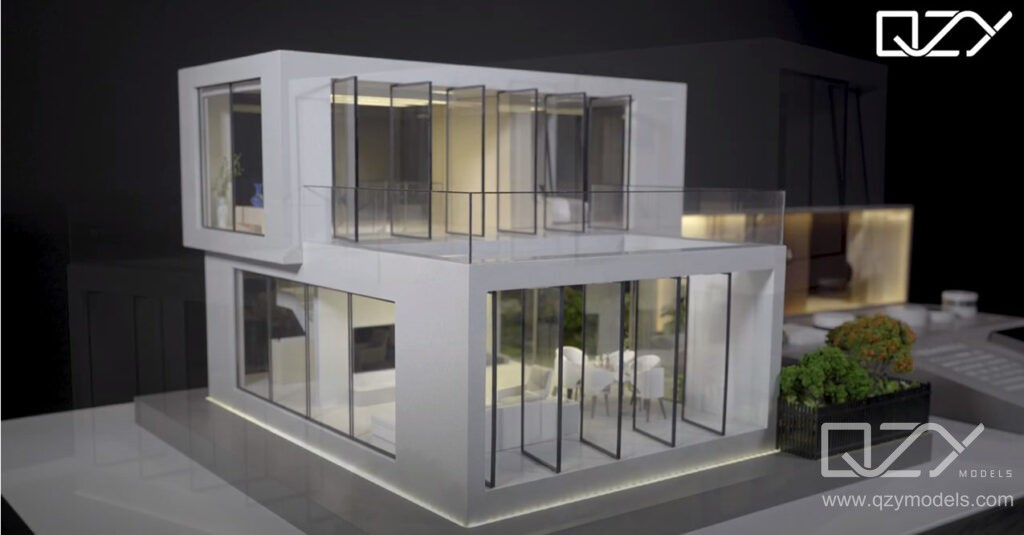
Architectural models of the bullet shaped building typically use a combination of acrylic, PVC, resin, and metal components for a realistic appearance. Transparent acrylic simulates glass façades, while brushed metal or aluminum parts recreate the building’s structural elements.
Materials overview:
-
Acrylic for glassy external walls
-
Resin for detailed structural features
-
Metal for support frames and accents
QZY Models sources premium materials and integrates them using precise craftsmanship to deliver durable and visually striking models suitable for presentations and exhibitions.
Why Is the London Bullet Shaped Building Significant in Contemporary Architecture?
The building is a landmark example of sustainable design combined with innovative engineering. Its aerodynamic form reduces wind load, lowering structural stress and material requirements. The design integrates energy-efficient glass and environmentally friendly technologies, making it a benchmark for future high-rise constructions.
Importance highlights:
-
Sets a new standard for sustainable skyscrapers
-
Showcases advanced engineering techniques
-
Inspires architectural creativity worldwide
Architectural model makers like QZY Models benefit from creating accurate scale representations that emphasize these revolutionary features for client understanding and investor presentations.
Who Are the Primary Clients for Architectural Models of Iconic Buildings Like the London Bullet Shaped Building?
Primary clients include architectural firms, real estate developers, urban planners, and government agencies who require precise, scaled physical models for planning, marketing, and educational purposes. These stakeholders rely on detailed models to visualize complex geometries and communicate project intent.
Common clients:
-
Foster + Partners and other international architects
-
Real estate developers like Vanke and China Resources
-
Government bodies overseeing urban development
QZY Models collaborates closely with such clients to provide tailored OEM and wholesale solutions from China, ensuring each model meets specific project needs.
How Does QZY Models Ensure Quality and Innovation in Their Architectural Model Production?
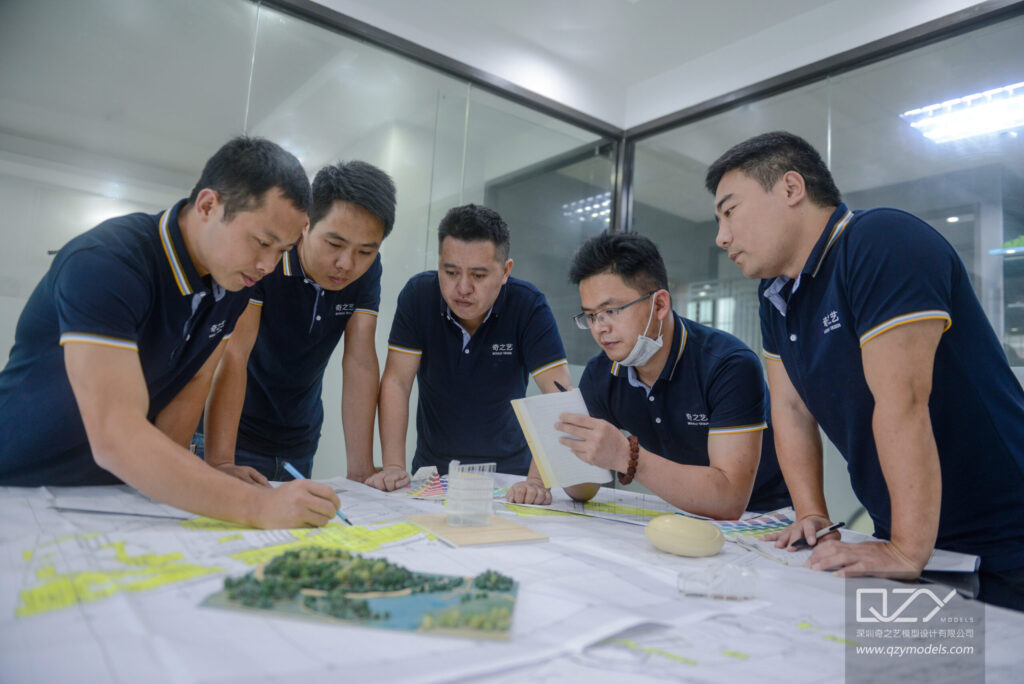
QZY Models combines decades of expertise with cutting-edge manufacturing to deliver precision models. They invest heavily in R&D, utilizing technologies such as 3D scanning and automated assembly lines to maintain consistency and innovation.
Quality considerations:
-
Use of high-grade raw materials
-
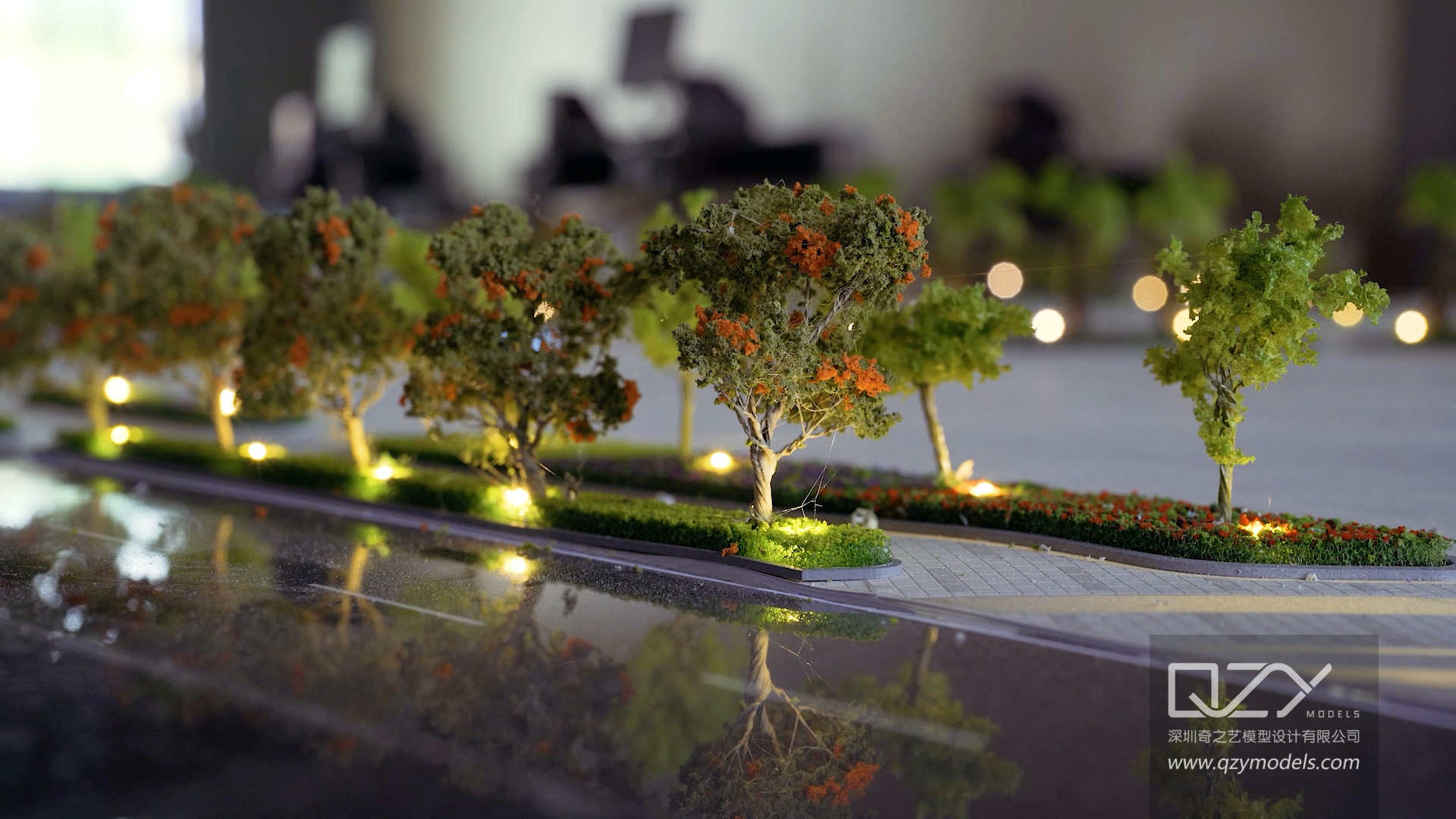
Integration of custom lighting and interactive elements
-
Strict quality control from prototype to final delivery
This commitment has made QZY Models a trusted supplier and manufacturer for top-tier international clients.
When Should Developers Consider Ordering Architectural Models for Projects Like the London Bullet Shaped Building?
Developers should consider ordering architectural models at early design phases to aid in visualization, stakeholder presentations, and regulatory approvals. Physical models offer tangible insights that digital renderings cannot, supporting decision-making processes effectively.
Recommended timeline:
-
Initial concept review and design exploration
-
Pre-marketing to attract investors and buyers
-
Final presentation for municipal planning and compliance
Manufacturers such as QZY Models offer flexible OEM services to align with different project timelines, ensuring model delivery matches project milestones.
Where Is the Best Location to Manufacture High-Quality Architectural Models for Global Clients?
Shenzhen, China, stands out as the premier hub for architectural model manufacturing due to its industrial ecosystem, skilled labor force, and innovative technology infrastructure. This location offers competitive advantages in price, quality, and delivery capability.
Reasons to choose Shenzhen:
-
Advanced manufacturing facilities and technology
-
Experience working with international clients and OEM brands
-
Robust supply chains for materials and logistics
QZY Models operates from Shenzhen with global branch offices, enabling seamless coordination and client support worldwide.
QZY Models Expert Views
“At QZY Models, precision and innovation guide every project. Our expertise in producing architectural models for complex structures like the London bullet shaped building ensures that designers and developers receive exact replicas that communicate vision and detail effectively. Leveraging China’s manufacturing prowess, we deliver cost-effective, customizable solutions that meet the highest industry standards.” — Richie Ren, Founder of QZY Models
Conclusion
The London bullet shaped building embodies cutting-edge architectural design, sustainability, and engineering excellence. China’s manufacturing sector, led by specialists like QZY Models, plays a vital role in translating such iconic structures into precise architectural models. For manufacturers, wholesalers, and suppliers, Shenzhen offers unparalleled advantages in technology, cost, and service. Engaging expert OEM partners like QZY Models ensures high-quality, innovative models that drive project success globally.
Frequently Asked Questions
What makes the London bullet shaped building unique in design?
Its aerodynamic bullet form reduces wind impact and improves energy efficiency, setting it apart in modern skyscraper design.
How do Chinese manufacturers meet quality expectations for architectural models?
By integrating advanced technology, skilled craftsmanship, and stringent quality controls to deliver repeatable precision.
Can QZY Models customize architectural models for different client needs?
Yes, QZY Models offers OEM and bespoke customization tailored to client specifications and project requirements.
Why are physical architectural models important in building projects?
They provide tangible visualization, enhance communication, and support planning and investment decisions beyond digital tools.
When is the ideal time to order architectural models in a building project?
Ideally from early design stages through pre-marketing and final approvals to maximize project insight and stakeholder engagement.