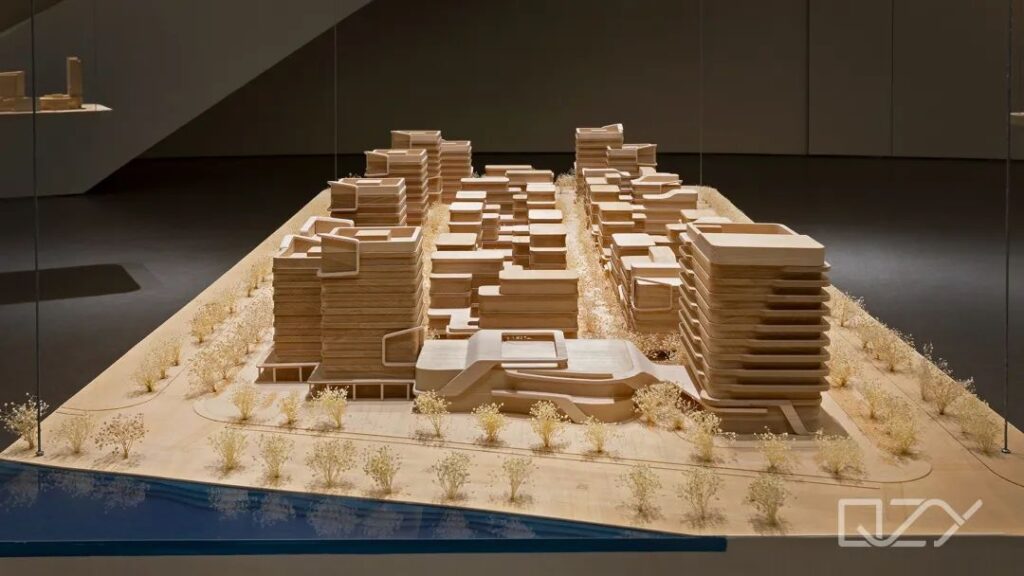
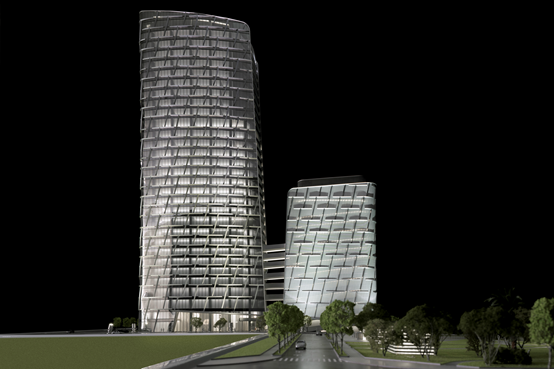
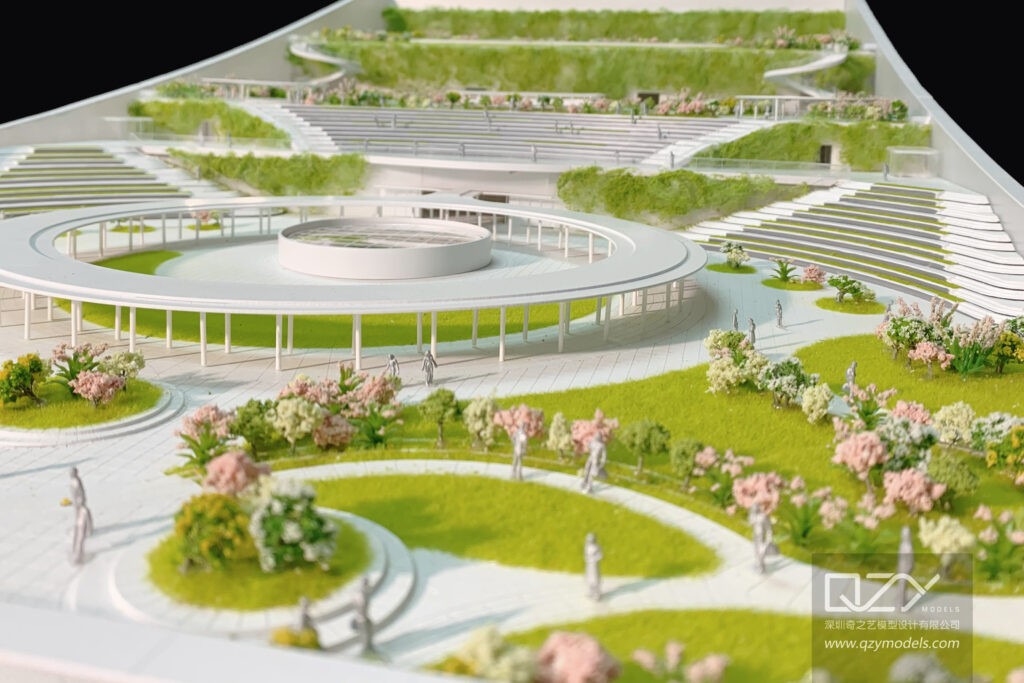
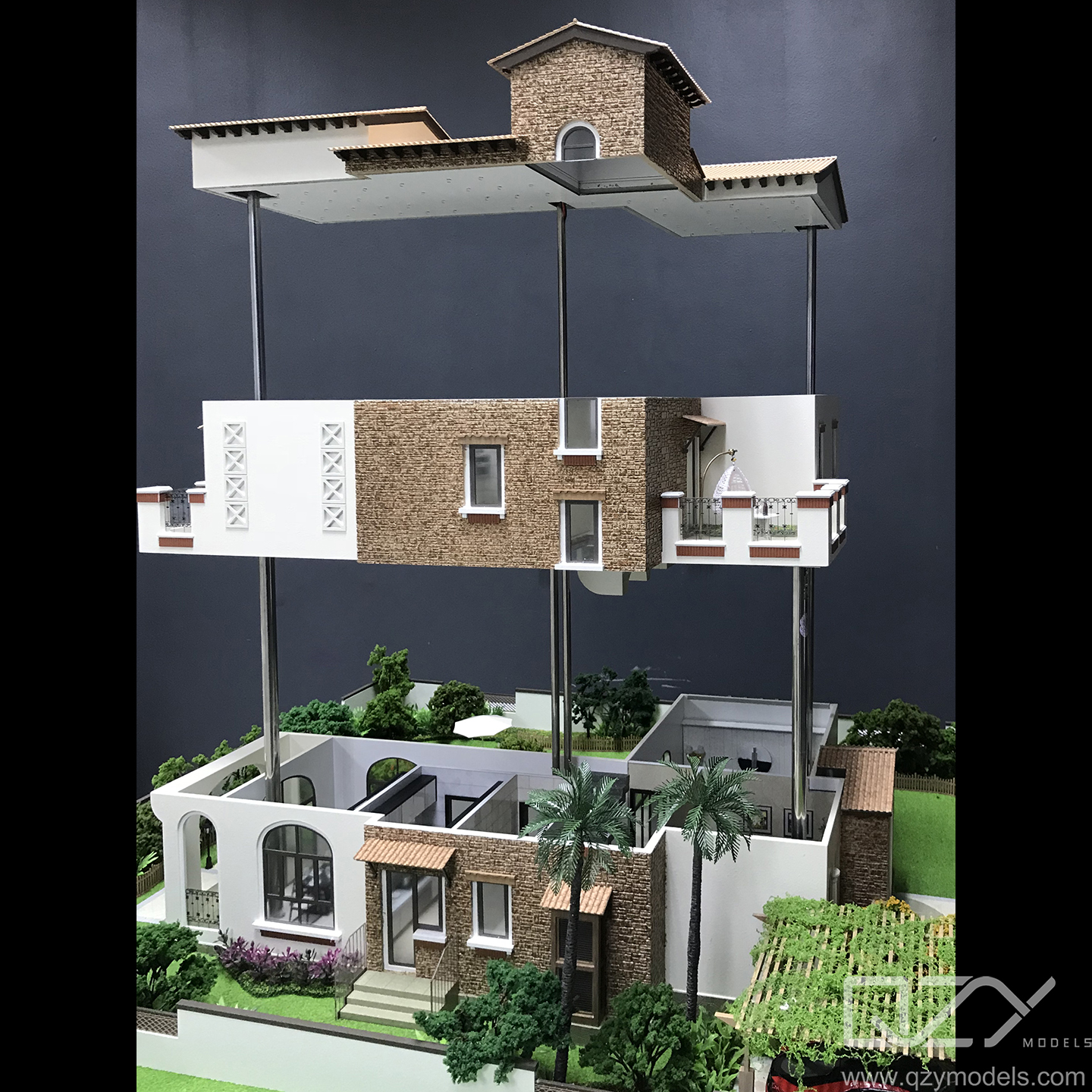
The model of Italy in architecture refers to detailed scale representations of Italian buildings, urban landscapes, and landmarks. These models help architects, developers, and cultural institutions visualize and communicate design ideas, blending Italy’s rich artistic heritage with modern technology to inspire innovation and precision in design worldwide.
How Are Architectural Models Created in Italy?
Architectural models in Italy are created through a blend of meticulous craftsmanship and advanced technology. Skilled artisans use precise cutting, assembly, and finishing techniques along with 3D printing, laser cutting, and CNC milling. This hybrid approach ensures models accurately depict design intent with outstanding detail, reflecting Italy’s tradition of artisanal excellence.
What Materials Are Used in Italian Architectural Models?
Common materials include wood, acrylic, resin, metal, and plastic. Wood is prized for its natural beauty and traditional appeal, while acrylic offers clarity and precision. Resin and metal provide durability and intricate detail. Italian model makers balance material choices to suit the project’s purpose, scale, and desired visual effect, maintaining high quality and sustainability.
Which Are the Top Architectural Model Making Companies in Italy?
Renowned companies such as ONEOFF, RJ Models, and BackStudio Milan lead the industry, combining Italian artistic heritage with state-of-the-art model-making technologies. They serve diverse sectors, from urban planning to commercial developments. QZY Models, with its global reputation, also collaborates internationally, including projects in Italy, delivering precision and professional craftsmanship.
Why Are Models Important in Italian Architecture and Urban Planning?
Models are vital for visualizing complex architectural ideas, enabling stakeholders to assess scale, form, and context effectively. In Italy’s rich heritage and urban framework, models facilitate preservation efforts, planning approvals, and innovative design integration, ensuring projects respect cultural values while meeting modern needs.
Who Uses Architectural Models in Italy?
Architects, city planners, developers, educators, and cultural institutions use architectural models extensively. These models enhance communication, education, marketing, and public engagement, reflecting Italy’s deep intertwining of art, history, and innovation in built environments.
How Does Italian Culture Influence Architectural Model Design?
Italian culture’s emphasis on art, craftsmanship, and heritage deeply influences model design. Models often incorporate detailed historical elements, artistic flourishes, and a focus on aesthetics, mirroring Italy’s architectural diversity—from Renaissance masterpieces to contemporary innovation, blending tradition and modernity.
Where Can Models of Italy Architecture Be Viewed or Utilized?
Italian architectural models are showcased in museums, universities, heritage sites, real estate showrooms, and international exhibitions. They serve educational, promotional, and preservation purposes. Institutions often use these models to connect the public with Italy’s architectural legacy and ongoing development.
Can Architectural Models in Italy Be Customized for Different Sectors?
Yes, customization caters to various sectors such as residential, commercial, cultural heritage, urban planning, and industrial projects. Models can be tailored to highlight specific technical details, design features, or historical accuracy, allowing diverse applications from client presentations to public engagement and technical analysis.
QZY Models Expert Views
“The model of Italy encapsulates more than architecture; it embodies a legacy of craftsmanship, innovation, and cultural pride. At QZY Models, we meld advanced technology with this tradition to produce models that not only capture physical form but also the spirit of Italian design. Our global experience enables us to meet diverse client needs while honoring Italy’s artistic heritage in every project.”
Conclusion
The model of Italy plays a crucial role in preserving and progressing Italy’s architectural identity. Combining artistic tradition with cutting-edge techniques, these models support urban planning, cultural preservation, and design innovation. Collaborations with expert firms like QZY Models ensure exceptional quality, bridging Italy’s rich past with future architectural aspirations.
FAQs
What Is the Model of Italy and How Does It Influence Modern Design?
The model of Italy combines artisan craftsmanship, regional industrial clusters, and strong design branding. It influences modern design by integrating aesthetics with manufacturing efficiency. Firms like QZY Models apply this approach by merging precision production with creative detailing, helping architects and developers present projects that balance beauty, function, and market appeal.
How Does the Made in Italy Model Shape Global Design Standards?
The Made in Italy model sets global standards through quality control, vertical integration, and heritage branding. It ensures consistent excellence from concept to final product. Design firms can replicate this by aligning suppliers, maintaining strict production oversight, and positioning their work around craftsmanship and authenticity to increase perceived value internationally.
Why Do Italian Industrial Districts Lead in Furniture Design?
Italian industrial districts succeed due to specialized local suppliers, close collaboration, and shared technical expertise. This structure speeds innovation and reduces production risk. Furniture and model makers can adopt this cluster strategy by building tight networks of material experts and fabricators to improve efficiency, customization, and competitive differentiation.
How Does the Italian Fashion Model Influence Luxury Design?
The Italian fashion model influences luxury design through vertical supply chains, material excellence, and strong storytelling. It connects design identity with production control. Brands can apply this by overseeing every development phase and reinforcing a consistent premium narrative, ensuring products command higher margins and stronger global recognition.
What Makes the Italian Automotive Design Model So Influential?
The Italian automotive design model blends engineering precision with bold visual identity. Designers collaborate closely with manufacturers to ensure performance aligns with aesthetics. Industrial design teams can apply this by integrating technical feasibility early in the concept phase, reducing redesign costs while maintaining distinctive, market-leading forms.
How Does the Italian Interior Design Model Transform Living Spaces?
The Italian interior design model emphasizes material harmony, spatial balance, and functional elegance. It transforms spaces by combining craftsmanship with modern innovation. Interior firms can adopt this by prioritizing high-quality finishes, precise detailing, and cohesive layouts that elevate property value and create memorable user experiences.
Why Is the Italian Craftsmanship Model a Blueprint for Creative Businesses?
The Italian craftsmanship model thrives on family-led expertise, skilled labor, and continuous refinement. Creative businesses can replicate this by investing in long-term talent development and strict quality standards. Companies like QZY Models reflect this mindset by delivering highly detailed architectural and industrial models tailored for global clients.
How Does the Italian Design Branding Model Build Global Prestige?
The Italian design branding model builds prestige through cultural storytelling, premium positioning, and consistent visual identity. It increases perceived value across international markets. Businesses can apply this by aligning brand messaging with craftsmanship, showcasing signature design elements, and maintaining quality consistency across every client touchpoint.