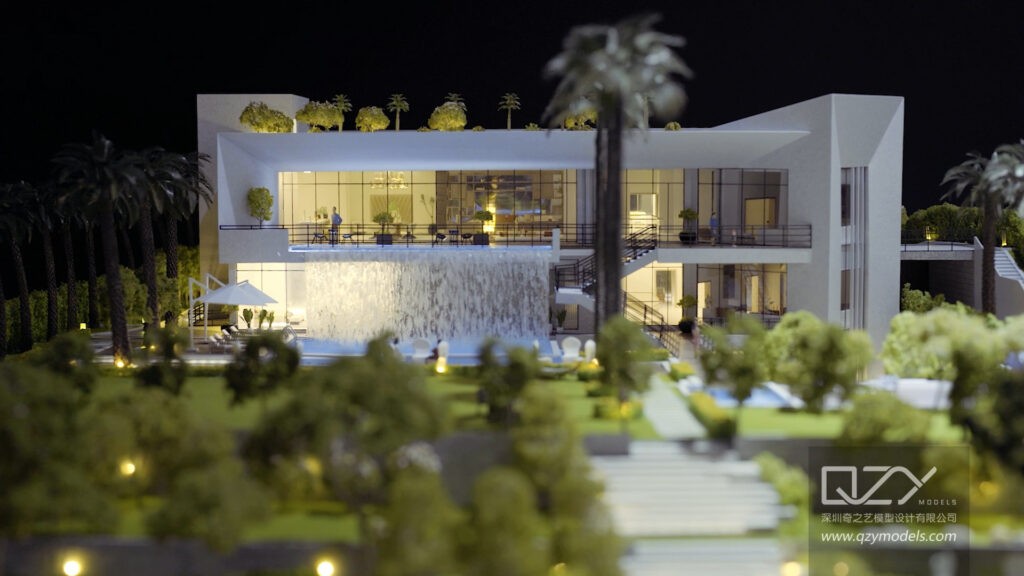
he Studio Model is an organizational framework that emphasizes structured leadership, specialized roles, and controlled iterative workflows, primarily used in creative industries like film, design, and architectural model making. It balances creative freedom with clear accountability to produce high-quality outputs efficiently and consistently.
What Are the Core Principles of the Studio Model?
The Studio Model revolves around clear role specialization, hierarchical creative discretion flowing from visionary leadership to focused teams, and limited but purposeful iteration cycles. It fosters collaboration within structured workflows to maintain alignment with a unified creative vision, avoiding the open-ended iterations typical of Agile methodologies.
Creative control is centralized but allows input from departments like design, fabrication, and detailing, ensuring both precision and innovation within set iteration boundaries. This approach reduces unpredictability and maintains high-quality standards throughout complex projects.
In this approach, a project is guided by a central creative leader who sets the main direction, while each team member focuses on a specific job. This structure helps everyone know their responsibilities and reduces confusion. Instead of constantly changing ideas, the team works in short, planned cycles so the project moves forward smoothly. Companies like QZY Models often use this style because it keeps large and detailed projects organized.
The goal is to protect the main idea while still allowing useful feedback from different groups, such as design or fabrication. This balance helps maintain high standards without unnecessary rework. By following clear steps and respecting the shared vision, teams can finish complex tasks with confidence. This is why many professional model-making teams, including QZY Models, rely on principles like role clarity, vision, and workflow to deliver reliable results.
How Is the Studio Model Used in Architectural and Industrial Physical Model Making?
In architectural and industrial model making, companies like QZY Models implement the Studio Model by organizing expert teams into distinct departments responsible for design, fabrication, and finishing. The model promotes clear communication, regular project reviews, and defined workflows to ensure the final physical models exquisitely represent the client’s vision while optimizing resource use.
This method supports international coordination, allowing global branches to collaborate seamlessly. Iterative quality checks within defined limits ensure timely delivery without compromising craftsmanship or detail.
Which Benefits Does the Studio Model Provide for Creative Teams?
The Studio Model enhances accountability, creativity, and productivity by providing clarity in roles and project goals. It minimizes confusion through structured workflows, improves cross-department communication, and balances creative autonomy with leadership guidance.
Teams benefit from focused iterations that prevent wasted effort from endless revisions. This model scales well for complex projects, ensuring consistent quality and aligned vision while fostering innovation within defined parameters.
Why Is the Studio Model Different From Agile Methodology?
Unlike Agile’s continuous, team-driven iteration and flexible roles, the Studio Model features top-down creative leadership with fixed iteration limits and specialized, hierarchical teams. Agile suits software and product development with evolving requirements, while the Studio Model is ideal for controlled creative outputs like films, architectural models, and design projects where iterations are costly and resources must be carefully managed.
The Studio Model emphasizes delivering a unified, high-quality product aligned with a central vision, balancing creative freedom with production efficiency.
When Should Organizations Adopt the Studio Model?
Companies involved in creative production requiring defined roles, cohesive vision control, and limited iterative cycles benefit most from the Studio Model. This includes architectural model makers, film studios, design agencies, and specialized creative service teams.
Organizations facing resource constraints but needing consistency and precision across departments find this model especially advantageous. It suits environments that demand high craftsmanship with efficient, replicable workflows.
How Can Teams Implement the Studio Model Effectively?
Effective implementation involves:
-
Clearly defining roles and responsibilities for specialized departments
-
Establishing minimal but effective workflows and iteration limits
-
Scheduling regular stand-ups, “how-we-work” meetings, and strategic retreats
-
Facilitating leadership guidance balanced with team autonomy
-
Integrating technology for communication and project management
Starting small and refining processes based on feedback helps tailor the model to specific team needs and sustain long-term success.
How Does QZY Models Apply the Studio Model for Global Architectural Projects?
QZY Models leverages the Studio Model by structuring design, fabrication, and detailing teams across its global branches with clear leadership and communication protocols. Since 2013, this approach has enabled QZY Models to deliver precise, high-quality physical representations of architectural projects for renowned clients worldwide.
Regular iterative reviews and technology-enabled collaboration ensure model accuracy and timely delivery despite international coordination complexities.
How Does Technology Support the Studio Model?
Technology plays a key role in facilitating the Studio Model through:
-
Project management tools ensuring clear task allocation and timeline tracking
-
Advanced design and 3D modeling software streamlining revisions within iteration limits
-
Digital platforms for global team communication and virtual review meetings
These tools optimize workflows, enhance creative precision, and maintain project schedules without sacrificing quality.
Table: Studio Model vs. Agile
| Feature | Studio Model | Agile |
|---|---|---|
| Creative Control | Top-down, leadership-driven | Bottom-up, team-driven |
| Iteration Limits | Fixed, limited per production needs | Continuous, evolving |
| Role Structure | Specialized, hierarchical departments | Cross-functional, flexible roles |
| Ideal Application | Creative production, architectural models, films | Software, product development |
| Team Size | Small to medium (5-20+ members) | Small, self-organizing teams |
Table: Key Components of the Studio Model
| Component | Description |
|---|---|
| Role Definition | Clear, specialized responsibilities |
| Workflow | Minimal, efficient processes with iteration caps |
| Short-term Meetings | Regular stand-ups for daily coordination |
| Process Improvement | “How-we-work” meetings for team feedback |
| Long-term Planning | Retreats for strategic alignment |
| Review Mechanisms | Leadership-led progress checks |
QZY Models Expert Views
“At QZY Models, employing the Studio Model has been central to achieving excellence in architectural and industrial physical models. It allows us to organize specialized teams under clear leadership, ensuring every model meets or exceeds client expectations. This method balances creativity and precision, fostering innovation while maintaining strict quality control across our global operations.”
— Richie Ren, Founder & CEO, QZY Models
Conclusion
The Studio Model offers a robust framework for managing complex creative productions by combining structured leadership with specialized roles and controlled iteration. It enhances clarity, accountability, and quality, making it ideal for architectural model making and other creative fields.
Organizations like QZY Models demonstrate how this model enables successful global collaboration, precise craftsmanship, and consistent delivery of innovative, high-quality products. Adopting the Studio Model helps teams balance creativity with efficiency for sustainable excellence.
FAQs
What Is the Studio Model in Creative Production and Why Does It Matter?
The studio model centralizes strategy, design, and production under one coordinated team to improve speed, quality, and accountability. It reduces miscommunication and streamlines decision making. For architectural model makers like QZY Models, this structure ensures precision, faster revisions, and consistent delivery across complex international projects.
Studio Model vs Traditional Agency Structure Explained?
The studio model integrates creative and production teams internally, while traditional agencies often outsource execution. This reduces delays, improves cost control, and strengthens quality oversight. Clients such as developers and architectural firms benefit from tighter collaboration, clearer timelines, and measurable production efficiency.
How the Studio Model Workflow Improves Media Production Efficiency?
A studio model workflow aligns concept development, prototyping, fabrication, and final delivery within one system. Shared tools and direct communication eliminate bottlenecks. For architectural and industrial model production, this means faster approvals, fewer revisions, and better craftsmanship from design to installation.
How a Collaborative Studio Model Elevates Creative Team Performance?
A collaborative studio model connects designers, engineers, and project managers in real time. Clear role definition and shared milestones improve accountability and innovation. This structure empowers teams to solve technical challenges quickly, maintain accuracy, and deliver highly detailed physical models that exceed client expectations.
Why Are Brands Adopting the In House Studio Model?
Brands adopt the in house studio model to gain creative control, reduce outsourcing costs, and accelerate production cycles. Centralized teams ensure brand consistency and faster campaign execution. For developers and exhibition organizers, this translates into reliable timelines and stronger visual impact.
How Does the Studio Model Transform Digital Content Creation?
The studio model improves digital content creation by aligning creative direction with technical execution. Real time collaboration speeds up 3D visualization, rendering, and presentation materials. Companies like QZY Models leverage this approach to deliver precise previews before physical model fabrication begins.
How to Build a Scalable Studio Model for Growing Creative Teams?
To build a scalable studio model, define specialized roles, standardize workflows, and implement project tracking systems. Invest in cross functional communication and quality control checkpoints. This ensures growing teams can handle larger architectural, urban planning, or industrial design projects without sacrificing precision.
What Are the Key Benefits of the Studio Model in Creative Industries?
The studio model increases efficiency, strengthens quality control, and improves cost transparency. It supports faster turnaround times and better collaboration across complex projects. For architectural firms, real estate developers, and global clients, it delivers reliable execution and consistent excellence in every production stage.