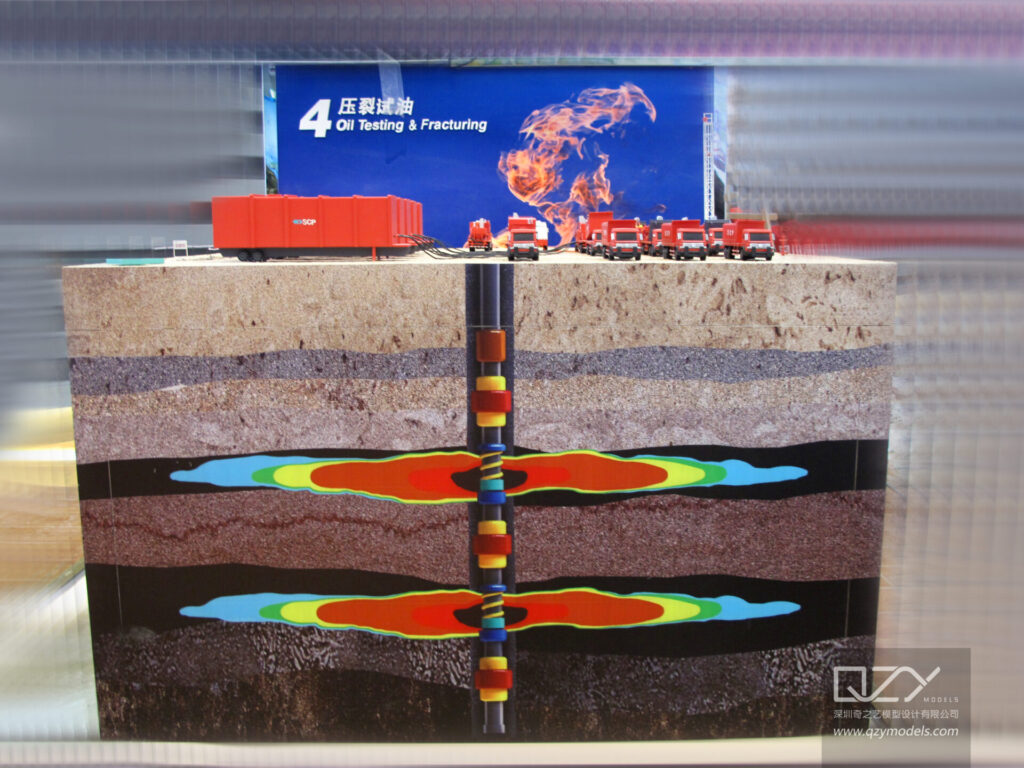
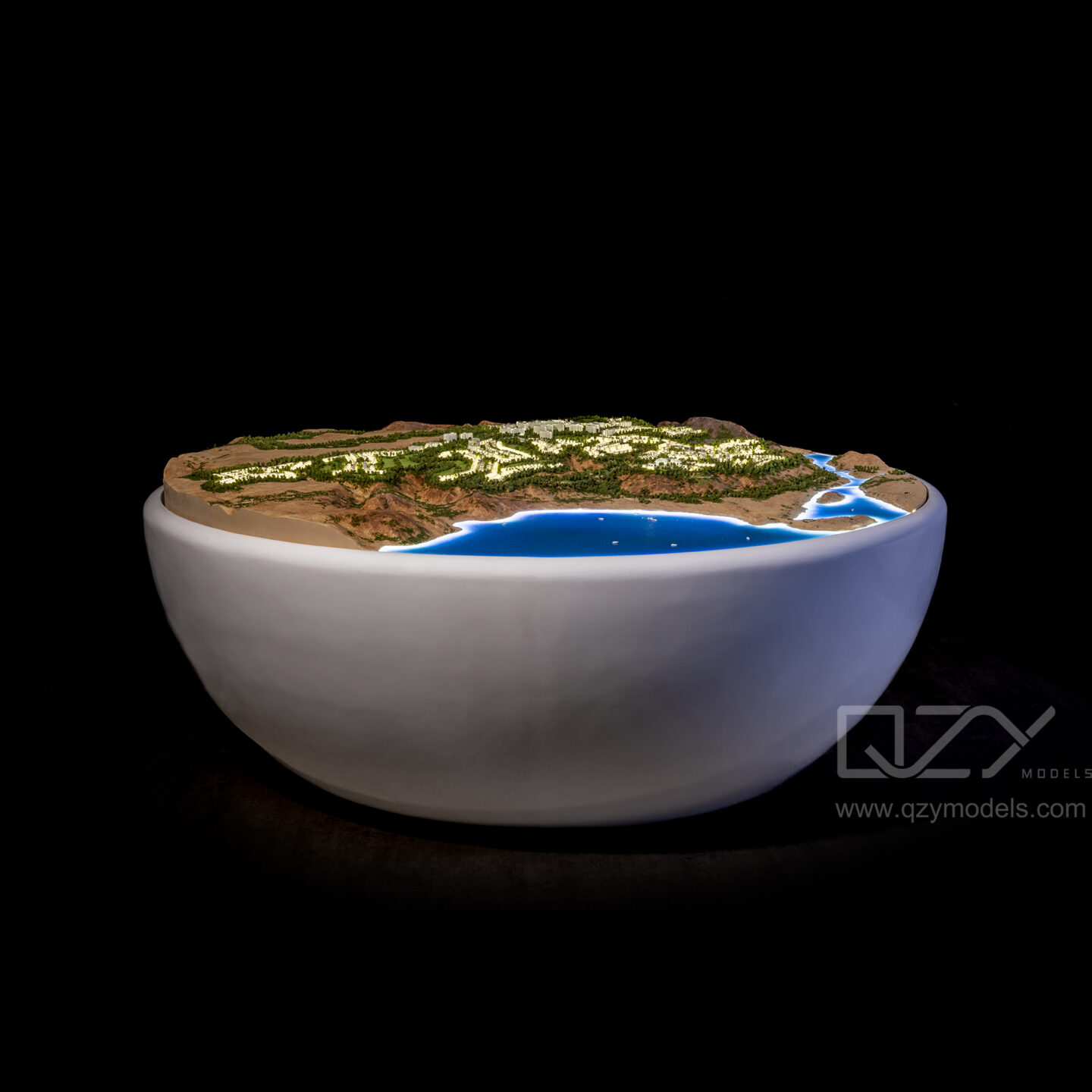
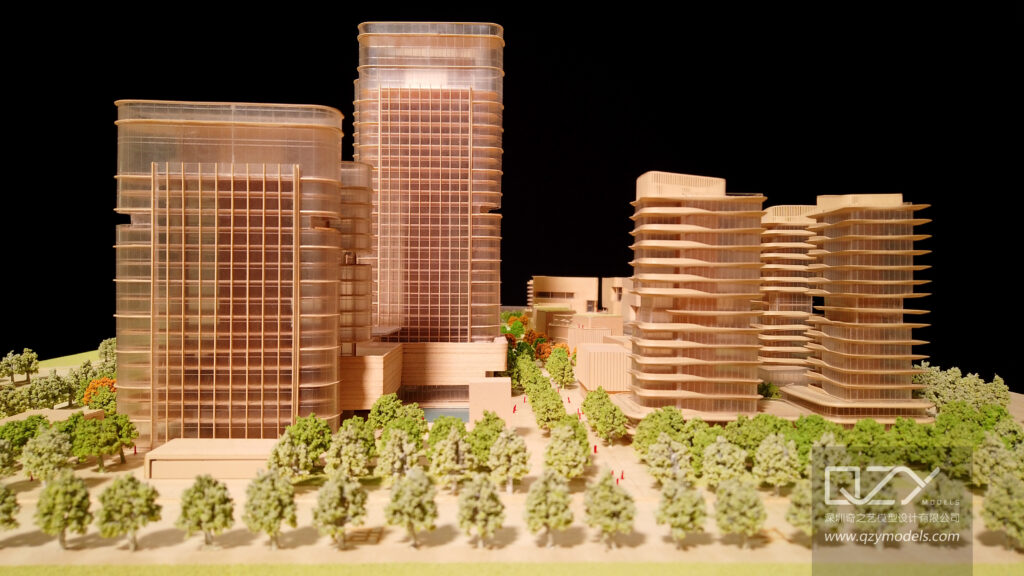
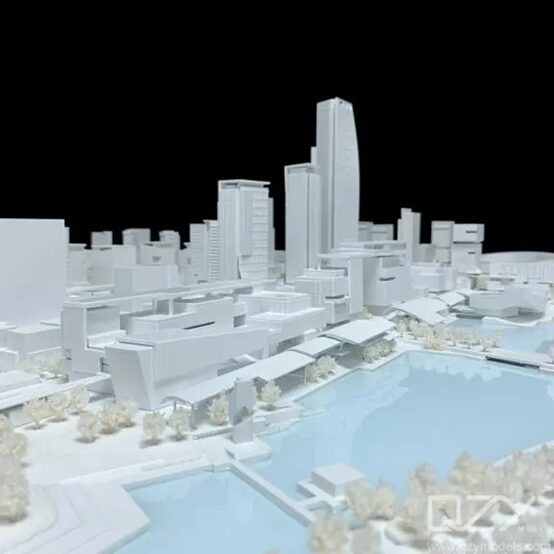
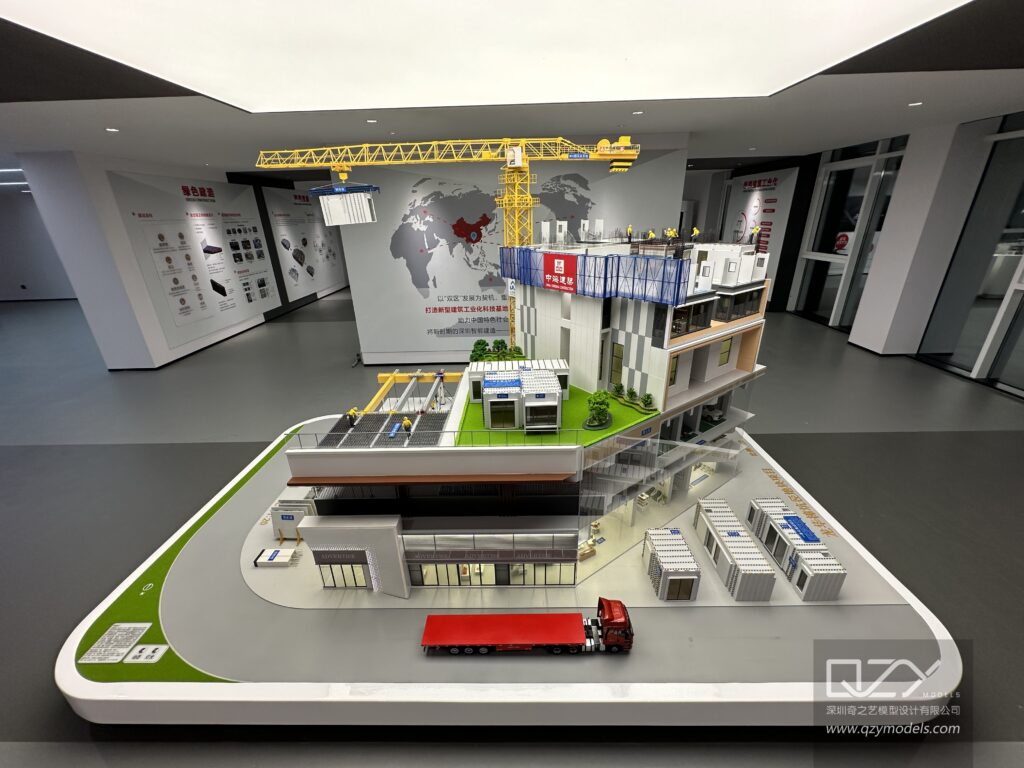
3D printed architecture models bring designs to life with unmatched precision, speed, and realism. By converting digital CAD files into tangible, detailed models, they enhance design visualization, client presentations, and project planning. These models streamline workflows, reduce costs and material waste, and allow architects, developers, and designers to communicate complex concepts clearly and convincingly.
How Does 3D Printing Transform Architectural Model Making?
3D printing revolutionizes architectural model making by enabling the creation of highly detailed, scalable models directly from digital designs. Unlike traditional hand-crafted methods, additive manufacturing builds models layer by layer, reducing production time, errors, and material waste. Architects can iterate rapidly and explore complex geometries that are difficult to achieve manually.
QZY Models leverages state-of-the-art 3D printing and hybrid techniques, combining digital precision with hand-finishing to deliver high-quality, presentation-ready architectural models. These processes allow customization of textures, finishes, and interactive elements for superior client engagement.
Comparison Table: Traditional vs. 3D Printed Models
| Feature | Traditional Model Making | 3D Printed Model Making |
|---|---|---|
| Production Time | 5–15 days | 1–3 days |
| Precision | Moderate | Extremely high |
| Cost Efficiency | Expensive for iterations | Cost-effective for prototypes |
| Material Waste | High | Minimal |
| Customization | Limited | Unlimited |
What Are the Key Benefits of 3D Printed Architecture Models?
3D printed models provide speed, precision, and cost efficiency, allowing architects to test and refine designs quickly. They facilitate clear communication of complex geometry, interior layouts, and site contours, making client presentations more persuasive. These models also minimize material waste, supporting sustainable design practices.
QZY Models applies advanced 3D printing workflows to deliver visually stunning, technically accurate models for masterplans, commercial complexes, and bespoke architectural projects worldwide.
Why Are 3D Printed Models Crucial for Client Presentations?
Physical 3D models enhance client presentations by offering tactile, interactive experiences. Clients can rotate, touch, and inspect models, gaining a realistic understanding of spatial relationships and design intent. Unlike digital renderings, these models provide a tangible sense of scale and context.
QZY Models creates presentation-grade models with integrated lighting, full-color printing, and precise detailing, helping developers and architects impress clients, investors, and stakeholders globally.
Which Materials and Technologies Are Used in 3D Printed Architecture Models?
Architectural models use a variety of materials depending on purpose:
-
Resin (SLA): Ideal for intricate, smooth-finish details.
-
PLA/ABS (FDM): Cost-effective for conceptual massing models.
-
Gypsum Powder (CJP): Enables full-color architectural visualization.
-
Hybrid Builds: Combine 3D prints with laser-cut acrylic, wood, or metal for realistic landscapes.
QZY Models integrates multiple 3D printing technologies to optimize quality and speed, selecting materials based on project scale, complexity, and display requirements.
Material vs. Model Purpose Table
| Material | Best For | Finish Quality | Durability |
|---|---|---|---|
| Resin | Detailed interiors | High | Moderate |
| PLA | Conceptual massing | Medium | High |
| ABS | Mechanical or moving parts | Medium | Very high |
| Gypsum | Full-color presentations | High | Low |
When Should Architects Choose 3D Printing Over Traditional Techniques?
3D printing is ideal when projects require rapid prototyping, complex geometries, or multiple iterations. It is particularly useful during early design phases, client proposals, and competitions, where speed and accuracy are critical.
For high-end presentation models, combining 3D printing with traditional hand-finishing—such as QZY Models’ hybrid method—ensures precision, visual impact, and structural durability.
Who Benefits Most from Using 3D Printed Architecture Models?
Architects, developers, urban planners, interior designers, educators, and clients all benefit from 3D printed models. These models improve stakeholder communication, speed up decision-making, and enhance visualization of design intent.
QZY Models partners with international architecture firms, government agencies, and real estate developers, delivering refined models for masterplans, exhibitions, competitions, and high-end client presentations.
Are 3D Printed Architecture Models Environmentally Friendly?
Yes. 3D printing is environmentally responsible as it uses only the material needed, reducing waste compared to manual model-making. Biodegradable filaments like PLA further improve sustainability. These models support green building practices and can integrate into LEED-compliant workflows.
What Are Future Trends in 3D Printed Architectural Model Making?
Emerging trends include AI-assisted modeling, multi-material printing, full-color realism, and cloud-based collaboration. Smart materials can mimic textures like glass, concrete, and metal. Online collaboration enables global architects to coordinate with manufacturers like QZY Models efficiently, streamlining production and delivery.
QZY Models Expert Views
“At QZY Models, we combine advanced 3D printing with artisanal craftsmanship, transforming digital designs into tangible, precise models. Each project reflects two decades of experience, delivering exceptional realism and detail. Our hybrid approach ensures that clients—from urban planners to interior designers—experience the full vision of their architectural concepts in a way digital renders alone cannot achieve.”
— QZY Models Production Team
Conclusion
3D printed architecture models are essential tools for modern architectural practice. They accelerate design workflows, improve client presentations, and support sustainable construction. With precision, flexibility, and innovation, QZY Models leads the industry in delivering models that merge advanced technology with expert craftsmanship, ensuring exceptional results for global clients.
FAQs
1. How long does it take to 3D print an architectural model?
Small models may take 4–12 hours, while larger, detailed models can require 1–3 days depending on complexity.
2. Can 3D printed models include lighting or moving parts?
Yes. Many models integrate LEDs, mechanical elements, or dynamic features for realistic presentations.
3. What materials are most commonly used in architectural 3D printing?
Resin, PLA, ABS, and gypsum powder are widely used, chosen based on detail, durability, and presentation requirements.
4. Are 3D printed models suitable for exhibitions and transport?
With proper material selection and reinforcement, these models withstand handling and long-distance shipping effectively.
5. Does QZY Models provide international shipping and support?
Yes. QZY Models ships globally, with branches in the UAE, Saudi Arabia, and Egypt, offering full support and maintenance services.