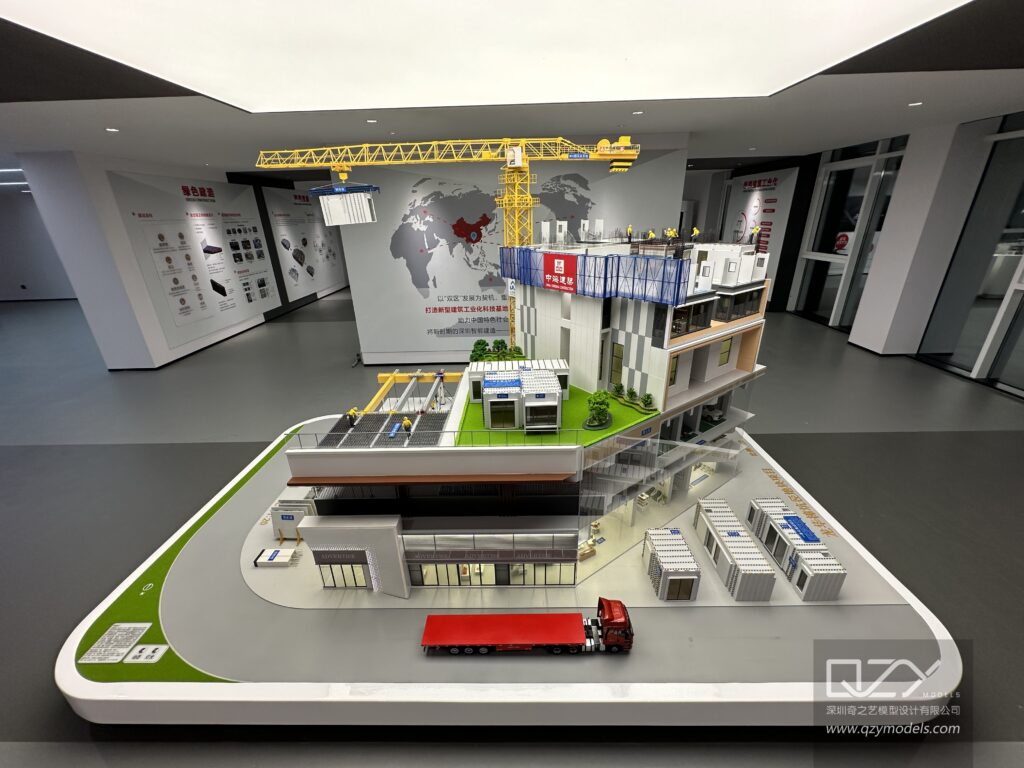
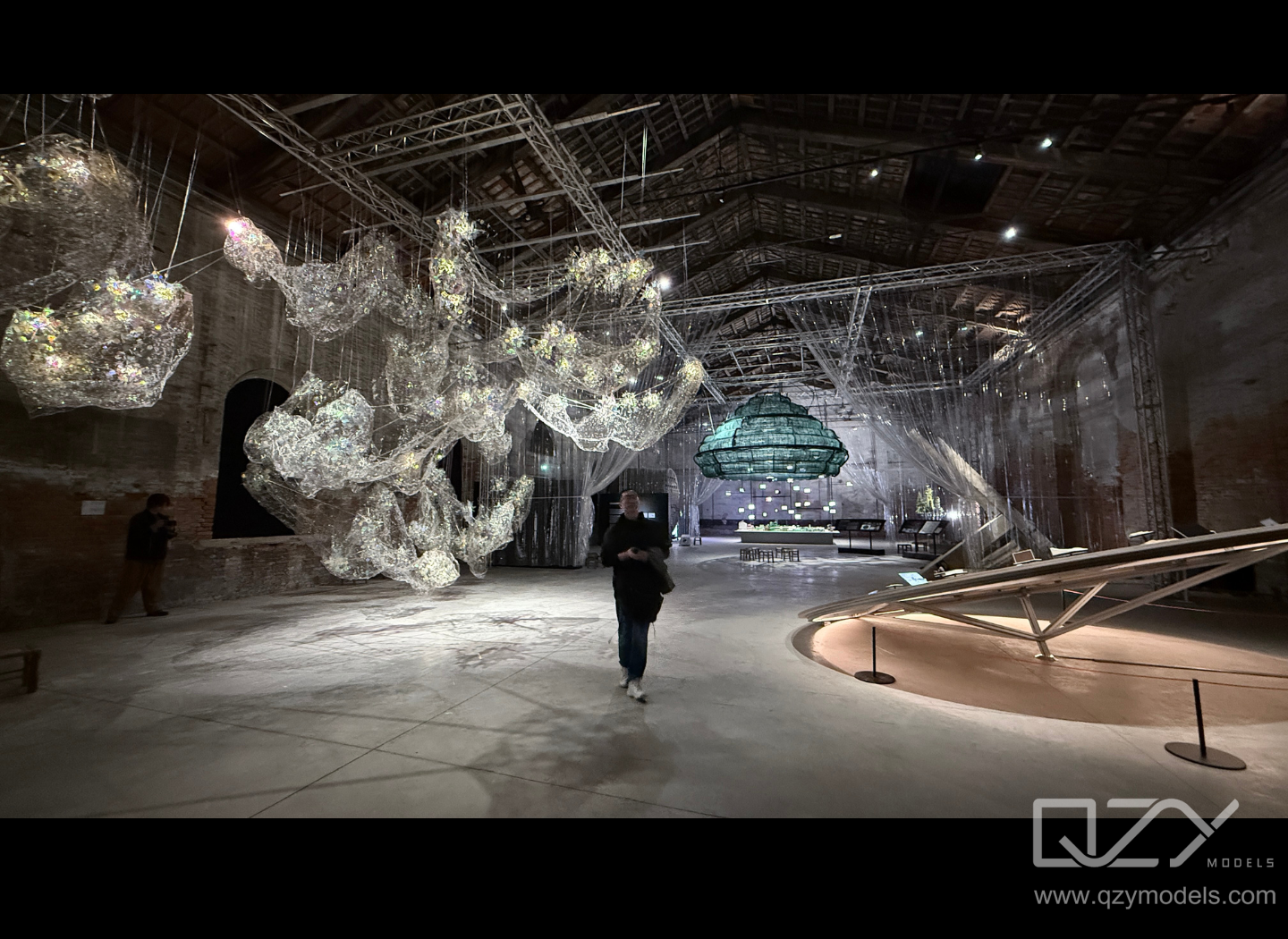
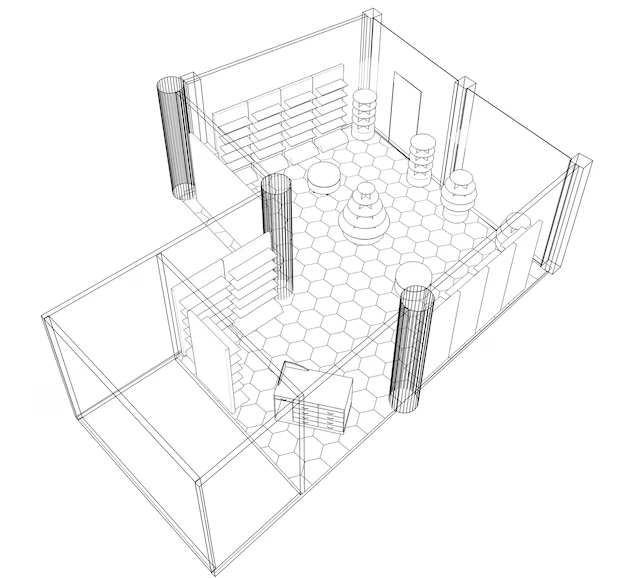
A landscape model is a detailed 3D physical representation of outdoor spaces, showcasing terrain, vegetation, and architectural elements. It helps architects, planners, and clients visualize projects, communicate ideas, and identify potential issues before construction begins, ensuring realistic, immersive design presentations.
What Is a Landscape Model and Why Is It Important?
A landscape model is a scaled physical replica of outdoor areas, including natural and man-made features. It is important because it offers tangible spatial understanding beyond digital views, aiding design accuracy, effective communication, and informed project decisions. Landscape models display terrain, waterways, vegetation, and structures, allowing designers and clients to assess realistic spatial relations and aesthetics. QZY Models specializes in producing these models with precision, enhancing design clarity and presentation impact.
How Are Landscape Models Created and What Materials Are Used?
Landscape models begin with site data collection and digital terrain modeling, followed by fabrication using materials like foam, acrylic, wood, resin, and static grass. Techniques such as laser cutting, handcrafting, and 3D printing enhance detail and accuracy. Foam creates elevation, clear acrylic simulates water, and flocking mimics vegetation textures. QZY Models applies advanced technologies and fine craftsmanship, selecting materials to balance durability and realism that meet client specifications worldwide.
Which Industries and Professionals Benefit Most from Landscape Models?
architecture, urban planning, real estate development, environmental consulting, and landscape architecture rely heavily on landscape models. Architects integrate designs with natural surroundings, urban planners visualize infrastructure, developers present projects to investors, and environmentalists assess ecological impacts. Landscape architects refine plantings and open spaces. QZY Models provides tailored models globally, supporting these professionals with clear, effective communication tools throughout all project phases.
Why Should Clients Choose Physical Landscape Models Over Digital Renderings?
Physical landscape models provide a tactile, immersive experience that enhances spatial perception more than digital renderings displayed on screens. Clients gain the ability to view designs from multiple angles and better understand scale and context. This interaction leads to clearer feedback and quicker design iterations. QZY Models produces visually rich, precise physical models that engage clients and stakeholders, improving approval rates and project confidence.
How Can Landscape Models Influence Project Success and Stakeholder Communication?
Landscape models improve project success by making design concepts accessible to all stakeholders, reducing misunderstandings and expediting approvals. They visually communicate site conditions, environmental factors, and aesthetic details, facilitating consensus among clients, contractors, and regulatory authorities. QZY Models emphasizes accurate, high-quality model creation to support productive discussions, enabling timely revisions and smoother project delivery.
Where Should Landscape Models Be Utilized Within the Design and Construction Lifecycle?
Landscape models are valuable during early planning, design development, community engagement, regulatory review, and pre-construction phases. Early models help analyze site constraints and opportunities. Mid-phase models communicate proposals effectively to clients and authorities. During community engagement, they provide interactive visuals that simplify complex plans. Regulators use them to evaluate impacts. QZY Models customizes models for each phase, ensuring relevance and usefulness throughout the project lifecycle.
Can Landscape Models Be Customized to Reflect Sustainable Design and Environmental Features?
Yes, landscape models can highlight sustainable elements such as green roofs, permeable surfaces, native plantings, and water management systems. Incorporating these features clarifies environmental commitments and assists in impact assessments and community acceptance. QZY Models uses eco-friendly materials and advanced techniques to represent sustainable designs accurately, supporting clients in showcasing their green initiatives effectively.
Are There Technological Innovations That Improve the Accuracy and Efficiency of Landscape Model Making?
Innovations like 3D printing, laser cutting, and drone-based photogrammetry have significantly enhanced landscape model making. 3D printing enables complex shapes with high detail, laser cutting ensures precise terrain layers, and drones capture accurate site data for model bases. QZY Models integrates these technologies with expert craftsmanship for models that combine traditional quality and modern precision.
What Role Does QZY Models Play in Delivering High-Quality Landscape Models?
QZY Models leads the market by combining over 20 years of expertise, state-of-the-art technology, and a global presence to produce precise, visually compelling landscape models. Partnering with renowned architects and developers, QZY delivers custom solutions that communicate design intent clearly. Their dedication to innovation, accuracy, and professionalism ensures that every landscape model supports client success and enhances project presentations.
Table: Common Materials Used in Landscape Models and Their Purposes
| Material | Purpose | Typical Use |
|---|---|---|
| Foam Boards | Terrain shaping | Creating elevation and landforms |
| Acrylic Sheets | Water bodies, clear surfaces | Represent lakes, rivers, and glass |
| Static Grass | Vegetation textures | Simulating lawns and shrubs |
| Resin/Plastic | Structural elements | Houses, pathways, urban furniture |
| Paper/Cardboard | Temporary elements, signs | Conceptual phases or simple features |
Chart: Workflow Stages in Landscape Model Production
-
Data Collection (survey, drone, CAD files)
-
Design Analysis and Planning
-
Material Selection
-
Fabrication (laser cutting, 3D printing, hand assembly)
-
Detailing (painting, vegetation, texturing)
-
Quality Checking and Final Presentation
QZY Models Expert Views
“In today’s complex design environment, physical landscape models remain indispensable—even alongside digital solutions. They provide clarity and consensus among diverse project stakeholders by bridging imagination and reality. At QZY Models, we combine craftsmanship with the latest technology to deliver models that not only visualize spaces but also tell compelling stories essential to successful urban and environmental design.
— Richie Ren, Founder of QZY Models
Conclusion: Key Takeaways and Actionable Advice
Landscape models are essential tools that aid visualization, improve communication, and facilitate project approvals for outdoor design projects. Physical models deliver a multi-dimensional understanding of scale and context beyond digital alternatives. Employing modern materials and fabrication techniques enhances model quality. Working with expert providers like QZY Models ensures precision and professionalism. Incorporate landscape models early in your design process to reduce risks, engage stakeholders effectively, and speed up project delivery.
Frequently Asked Questions (FAQs)
Why Landscape Models Transform Design Clarity and Client Buy In?
A landscape model converts complex drawings into a clear, tactile vision. It reveals topography, circulation, and spatial hierarchy instantly, helping clients grasp scale and relationships. This reduces revisions and speeds up approvals. Firms like QZY Models craft precision models that strengthen confidence and drive faster decision making in competitive presentations.
How Do Landscape Models Improve Client and Investor Presentations?
A physical site model increases engagement during meetings by making proposals tangible. Investors can quickly understand density, access points, and development potential, improving trust and reducing uncertainty. Use a detailed masterplan model during pitches to clarify ROI potential and accelerate stakeholder alignment.
Why Are Landscape Models Critical in Urban and Master Planning Projects?
Urban projects involve multiple stakeholders and complex infrastructure. A masterplan landscape model displays zoning, public space, traffic flow, and environmental context in one view. This improves communication with government bodies and communities, supports regulatory approval, and minimizes misunderstandings during large scale planning discussions.
How Can Landscape Models Support Design Testing and Iteration?
During early stages, a conceptual terrain model allows teams to test massing, grading, and circulation physically. Designers can spot spatial conflicts quickly and refine solutions before construction documents are finalized. This hands on approach reduces costly design changes and strengthens interdisciplinary collaboration.
Why Should Contractors Use Landscape Models for Site Coordination?
A detailed construction phase landscape model clarifies grading levels, logistics routes, and sequencing before ground breaking. Contractors and engineers can visualize constraints and coordinate infrastructure efficiently. This minimizes on site errors, prevents rework, and improves alignment between design and execution teams.
How Do Landscape Models Enhance Learning in Design Education?
In design schools, a physical landscape model helps students understand scale, contour, and spatial relationships beyond digital screens. It improves presentation confidence during critiques and strengthens conceptual thinking. Working with experienced makers such as QZY Models also exposes students to professional fabrication standards.
What Materials and Techniques Create High Impact Landscape Models?
High impact models combine laser cutting, CNC milling, and 3D printing with durable materials like acrylic and high density foam. Use layered contour fabrication for precise terrain and detailed vegetation elements for realism. Strategic lighting and clean finishes dramatically elevate presentation quality.
How Can a Landscape Model Strengthen Your Competitive Edge?
A premium presentation landscape model differentiates your proposal in competitions and exhibitions. It creates immediate visual impact, reinforces brand authority, and communicates design intent clearly. For firms targeting international developers and planning authorities, a meticulously crafted model signals professionalism and increases winning potential.