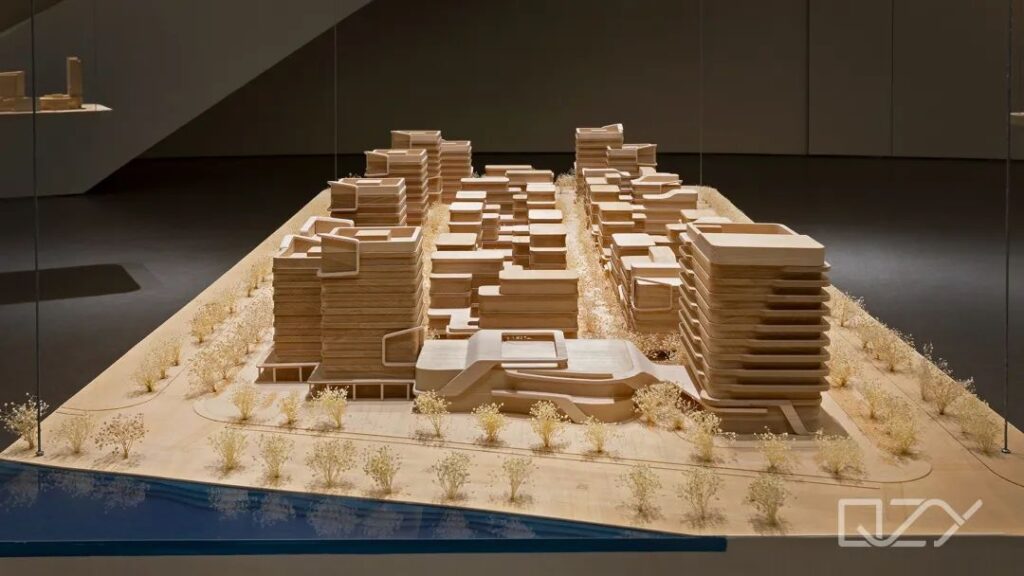
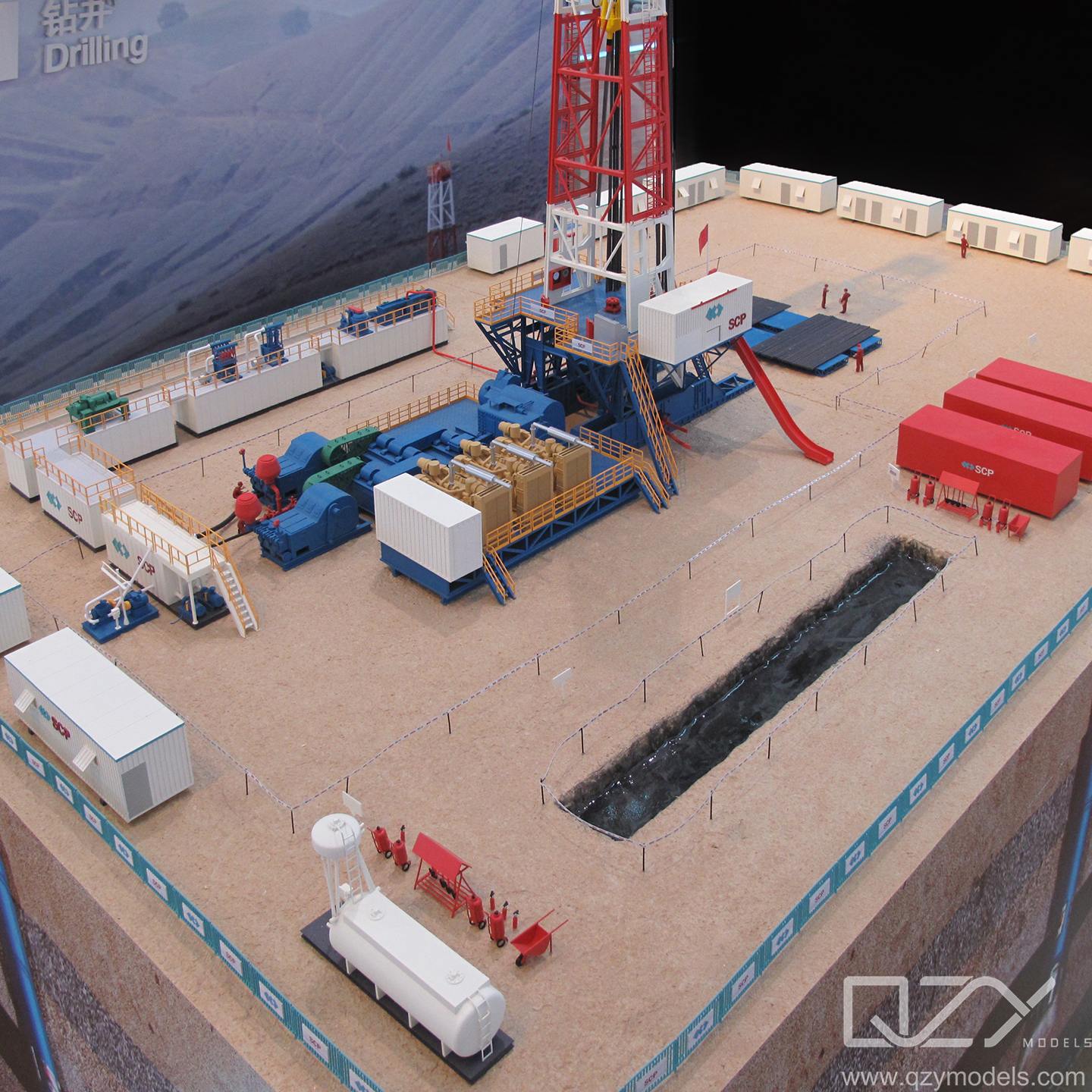
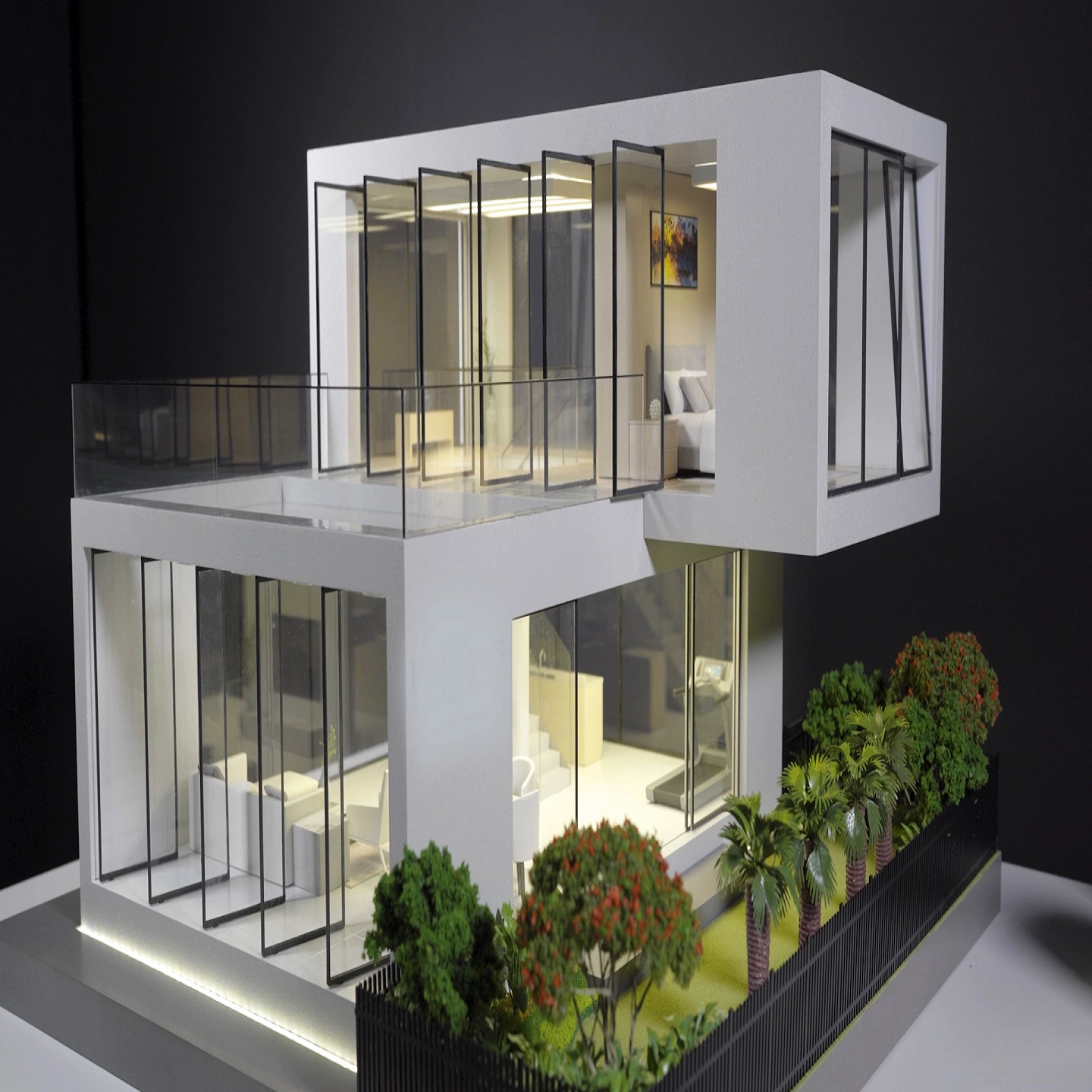
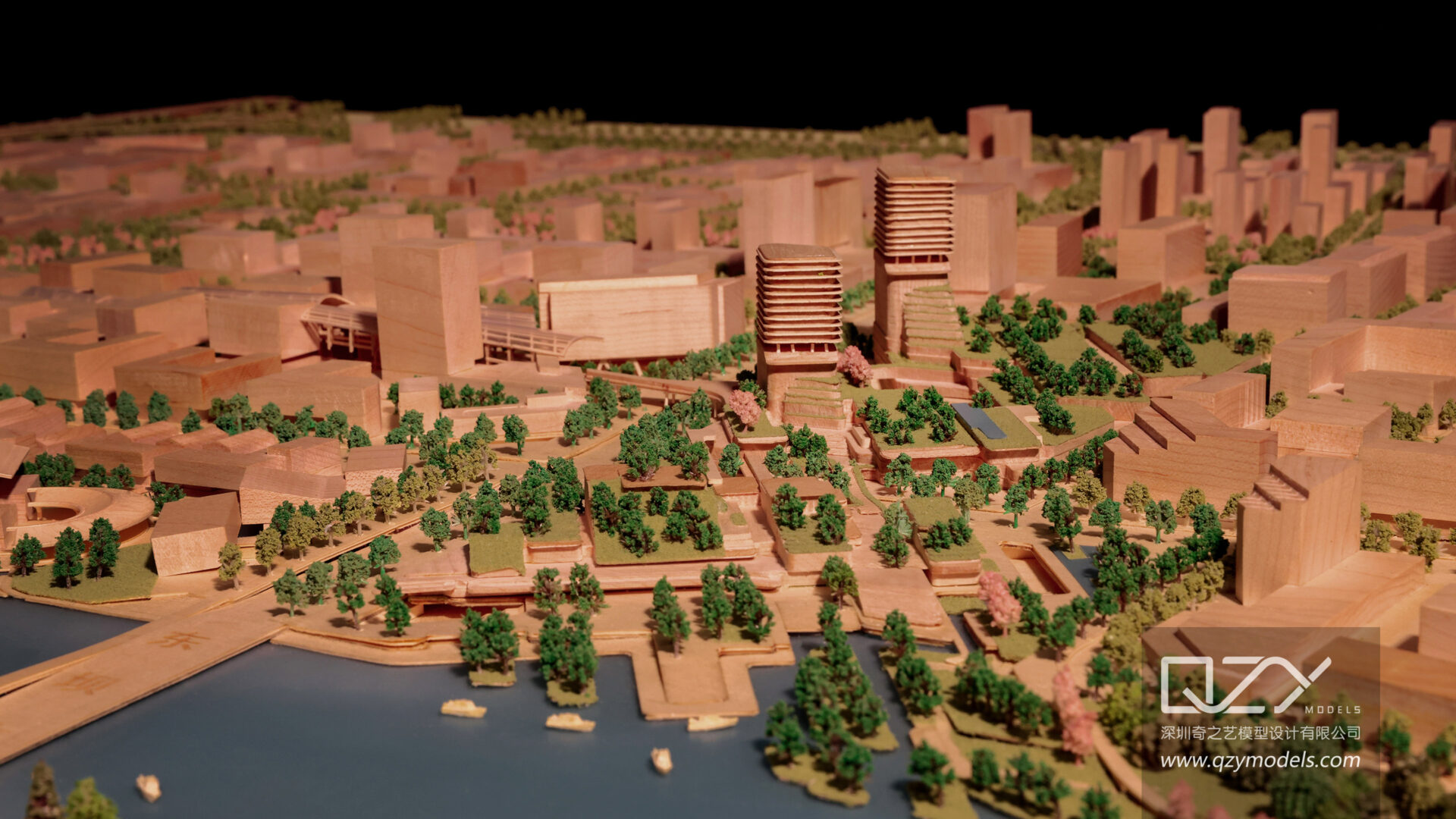
Laser cutting machines are essential for creating precise architectural models, offering unmatched detail and efficiency. For manufacturers and wholesalers in China, leveraging advanced laser cutters ensures high-quality, customizable models suitable for global clients.
How Does a Laser Cutting Machine Enhance Architectural Model Production?
Laser cutting machines use focused light beams to cut or engrave materials accurately, which enhances architectural model production by enabling intricate details and fast turnaround. Manufacturers benefit from automated precision, ensuring models meet exact specifications while reducing material waste. This technology supports complex designs essential for modern architectural presentations.
In China’s manufacturing sector, factories like QZY Models utilize laser cutting machines to deliver detailed architectural models swiftly and at scale, meeting both OEM and wholesale demands globally.
What Materials Can Laser Cutting Machines Handle for Model Making?
Laser cutting machines can process a wide range of materials including acrylic, plywood, MDF, cardboard, and thin metals, which are common in architectural models. This versatility enables manufacturers to tailor models to client needs, whether transparent facades or sturdy structural elements.
In industrial-scale Chinese factories and suppliers, such as QZY Models, laser cutters handle diverse materials to produce models for various purposes, from conceptual design to client presentations, ensuring durability and aesthetic appeal.
Which Features Should Buyers Look for in a Laser Cutting Machine for Architectural Models?
When selecting a laser cutting machine for architectural models, buyers should consider laser power, precision, cutting area size, and software compatibility. High-resolution cutting and engraving capabilities directly impact model quality.
Wholesale suppliers and OEM manufacturers in China typically favor machines with advanced automation, user-friendly interfaces, and robust after-sales support to maintain efficiency and product consistency.
| Feature | Importance | Typical Range in Industry |
|---|---|---|
| Laser Power | Determines cutting depth and speed | 40W – 150W |
| Precision | Affects detail accuracy | ≤0.1 mm |
| Cutting Area Size | Limits max model dimensions | 300×200 mm to 1300×900 mm |
| Software | Ensures design-to-machine compatibility | Compatible with CAD-based software (AutoCAD, CorelDRAW) |
Why Is China the Preferred Hub for Laser-Cut Architectural Model Manufacturing?
China is the preferred hub due to its advanced manufacturing infrastructure, cost-effective labor, and access to cutting-edge machinery. The country’s OEM and wholesale factories, such as QZY Models, specialize in scalable volume production while maintaining high quality.
The global supply chain network and export capabilities in China facilitate prompt delivery to architects and developers worldwide, making it a dependable partner for architectural model production.
Who Are the Main Clients for Laser-Cut Architectural Models from Chinese Factories?
The main clients include architecture firms, real estate developers, design consultancies, and educational institutions worldwide. These clients seek precision models to showcase projects, support design decisions, or market developments.
QZY Models serves clients like Foster + Partners and Vanke, demonstrating the trust major industry players place in Chinese manufacturers for high-fidelity physical models.
When Should a Business Consider Upgrading to Laser Cutting Technology for Models?
A business should upgrade to laser cutting technology when it requires higher precision, faster production rates, or the capacity to work with diverse materials. This transition is crucial for scaling operations without compromising quality.
Chinese manufacturers focusing on OEM and wholesale markets commonly adopt laser technology early to stay competitive and meet growing international client standards.
Where Can Buyers Find Reliable OEM Laser Cutting Machinery Suppliers in China?
Buyers can find reputable OEM laser cutting machine suppliers in industrial regions like Shenzhen, Guangzhou, and Dongguan, where experienced manufacturers offer customizable machines.
Factories like QZY Models not only create models but also collaborate with top-tier machine suppliers, ensuring the optimal combination of equipment and craftsmanship.
Does Laser Cutting Technology Improve Cost Efficiency in Architectural Model Manufacturing?
Yes, laser cutting reduces material waste, shortens production time, and minimizes errors, which collectively improve cost efficiency. Automation lowers labor costs while maintaining consistent quality, crucial for large-scale manufacturing.
For wholesalers and suppliers in China, this technology supports competitive pricing models without sacrificing the precision demanded by architectural clients.
Has QZY Models Integrated Laser Cutting Machines Into Its Production Process?
QZY Models has fully integrated advanced laser cutting machines into its model production workflow, enabling them to execute detailed and complex projects efficiently. This integration supports their commitment to innovation and quality across global markets.
The company combines laser-cutted parts with expert craftsmanship to ensure that every model reflects the highest standards, satisfying top-tier architecture and real estate clients.
QZY Models Expert Views
“At QZY Models, laser cutting technology is transformative. It allows us to push the boundaries of detail and precision, meeting the exacting demands of architects worldwide. As a leading Chinese factory, our approach merges cutting-edge machinery with skilled craftsmanship, enabling us to supply architects, developers, and wholesalers with models that bring visions to life. Our commitment to quality and innovation distinguishes us in the competitive market.” – Richie Ren, Founder, QZY Models
Conclusion
Choosing the right laser cutting machine is vital for producing high-quality architectural models that meet client expectations for detail and precision. China’s manufacturing hubs, including leading factories like QZY Models, provide cutting-edge technology, OEM capabilities, and cost-effective solutions ideal for wholesale and B2B markets. Investing in laser cutting enhances production efficiency, material versatility, and scalability, ensuring a competitive edge in the global architectural model industry.
Frequently Asked Questions
Q1: Can laser cutting machines handle complex architectural designs?
Yes, laser cutters offer high precision and detailed engraving, suitable for complex models requiring fine elements.
Q2: What is the average lead time for architectural models from Chinese factories?
Typically, 1 to 3 weeks depending on project complexity and material availability.
Q3: Are there customization options available for OEM clients in China?
Yes, OEM factories like QZY Models offer extensive customization from design to finishing details.
Q4: How do laser cutting machines contribute to environmental sustainability?
They reduce waste and energy use by precision cutting, lowering excess material consumption.
Q5: Is training required to operate laser cutting machines?
Basic training is recommended, but modern machines feature intuitive software that simplifies operation for manufacturers.
What makes a laser cutting machine ideal for architectural models?
Laser cutting machines offer precision, speed, and versatility, making them perfect for architectural models. They allow architects to create intricate, detailed components with high accuracy and minimal post-processing. Suitable for materials like wood, acrylic, and foam, laser cutting enhances the design process by transforming digital files into tangible models quickly.
Why is precision important in architectural model making?
Precision is critical in architectural model making because it ensures the model accurately represents the design intent. Laser cutting provides fine, detailed cuts, helping architects create scale models with exact dimensions, intricate features, and realistic details. This precision supports effective design visualization and decision-making.
What are the benefits of laser cutting over traditional methods for model making?
Laser cutting offers several advantages over traditional methods: faster production, more precise cuts, and less material waste. It eliminates manual errors, allowing designers to focus on creativity. The digital workflow of laser cutting also streamlines the process, reducing time and cost while maintaining high-quality results.
Which materials are suitable for laser cutting in architectural models?
Laser cutters can work with various materials, including wood, acrylic, cardboard, foam board, and some metals. CO2 lasers are ideal for non-metals like wood and clear acrylic, while fiber lasers excel with metals. This versatility makes laser cutting a preferred choice for creating architectural models with different textures and finishes.
What are the best 3D printers for 2025?
The best 3D printers for 2025 cater to various needs, from designers and engineers to hobbyists. These printers offer high precision, speed, and material versatility, making them ideal for creating prototypes, industrial models, and artistic designs. Features like larger print volumes, ease of use, and faster printing speeds are key considerations for the best models.
How are laser cutters useful in architectural model making?
Laser cutters are essential in architectural model making due to their precision and versatility. They can cut and engrave a wide range of materials like wood, acrylic, and foam, producing intricate details and accurate parts for architectural models. The digital workflow speeds up the process, ensuring fast and accurate model production.
What is the role of independent model makers in New York’s architecture community?
Independent model makers in New York play a crucial role in the architecture community by providing custom, high-quality models for architects and designers. These professionals help translate digital designs into tangible models, offering unique insights into the design process. They work alongside architectural firms and institutions to produce detailed, scale models.
What should you look for when buying a laser cutter or engraver?
When buying a laser cutter or engraver, consider factors like precision, cutting speed, material compatibility, and ease of use. Top models should support a variety of materials and provide clean, accurate cuts. Additionally, check for safety features, user-friendly software, and reliability for consistent performance in both home and professional settings.