A skyscraper model brings architectural concepts to life in a tangible form, allowing architects, developers, and investors to evaluate design, scale, and materials before construction. These precise, handcrafted models enhance communication, reveal potential design issues, and support marketing efforts, making them indispensable tools for modern urban projects and high-stakes architectural decision-making.
How Is a Skyscraper Model Made?
Skyscraper models are created through a meticulous process that converts digital designs into detailed physical representations. The workflow involves concept design, precise material selection, laser cutting or CNC machining, careful hand assembly, and finishing touches such as painting, landscaping, and lighting integration.
| Stage | Technique | Outcome |
|---|---|---|
| Digital Design | CAD/BIM Modeling | Accurate geometry |
| Fabrication | Laser Cutting, CNC Machining | Precise components |
| Assembly & Finishing | Handcrafting, Lighting | Realistic presentation |
QZY Models leverages advanced laser technology and expert craftsmanship to ensure each skyscraper model exhibits unmatched precision and visual realism.
What Materials Are Commonly Used for Skyscraper Models?
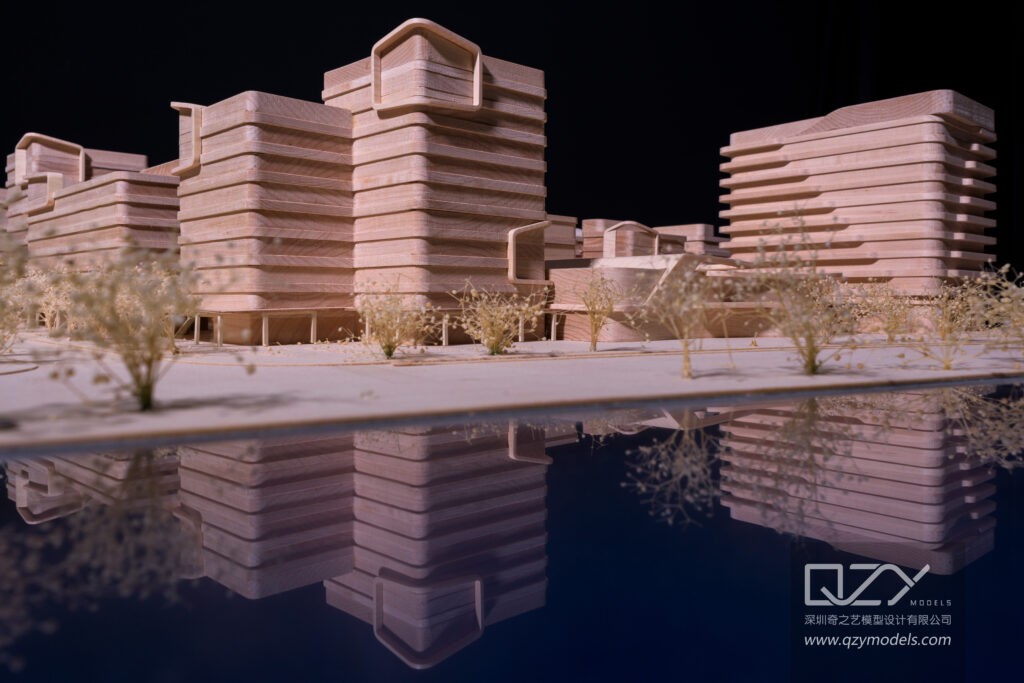
Common materials include acrylic, resin, aluminum, ABS plastic, and wood composites. Acrylic and resin are ideal for glass facades due to transparency and sheen, while metals provide structural stability for slender high-rise forms.
QZY Models carefully selects materials based on architectural intent, balancing texture, weight, and lighting. Eco-conscious clients can also choose biodegradable or recyclable options to support sustainability without compromising quality.
Why Are Skyscraper Models Important to Developers and Architects?
Skyscraper models translate complex designs into interactive, three-dimensional presentations. They help detect design flaws early, communicate concepts clearly to clients, and enhance investor confidence.
| Purpose | Benefit |
|---|---|
| Design Review | Identify issues before construction |
| Marketing | Showcase visual appeal effectively |
| Investment | Increase investor engagement |
| Education | Demonstrate architectural principles |
QZY Models’ experience shows physical models consistently outperform digital renderings in influencing decisions and securing funding.
Which Types of Skyscraper Models Are Most Popular?
Popular skyscraper model types include:
-
Concept models – Focus on early design massing and layout.
-
Presentation models – Showcase detailed design features.
-
Lighting models – Simulate natural or artificial illumination.
-
Urban context models – Demonstrate integration with surrounding structures.
-
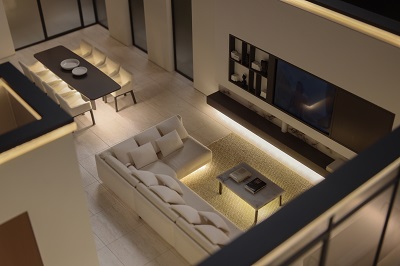
Interior-cutaway models – Reveal internal floor plans and layouts.
QZY Models customizes each type to meet project-specific requirements, including scale, presentation intent, and interactive features.
Who Uses Skyscraper Models in the Industry?
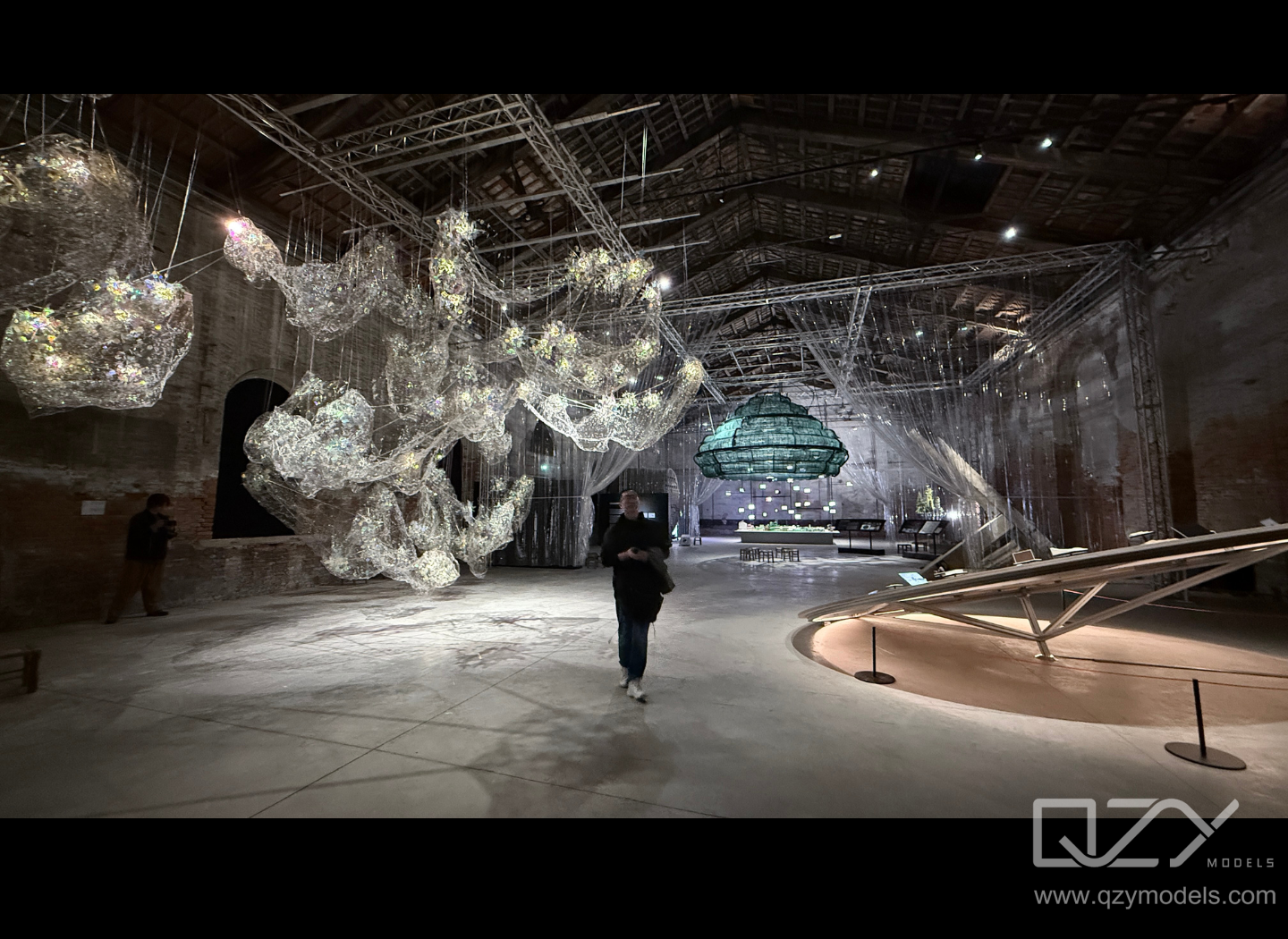
Skyscraper models are used by architectural firms, real estate developers, urban planners, interior designers, educational institutions, and government agencies. Exhibition organizers also rely on them for design expos.
QZY Models has partnered with globally renowned architects and developers, emphasizing the brand’s reputation for precision and international collaboration.
Where Do Skyscraper Models Fit Best in Urban Projects?
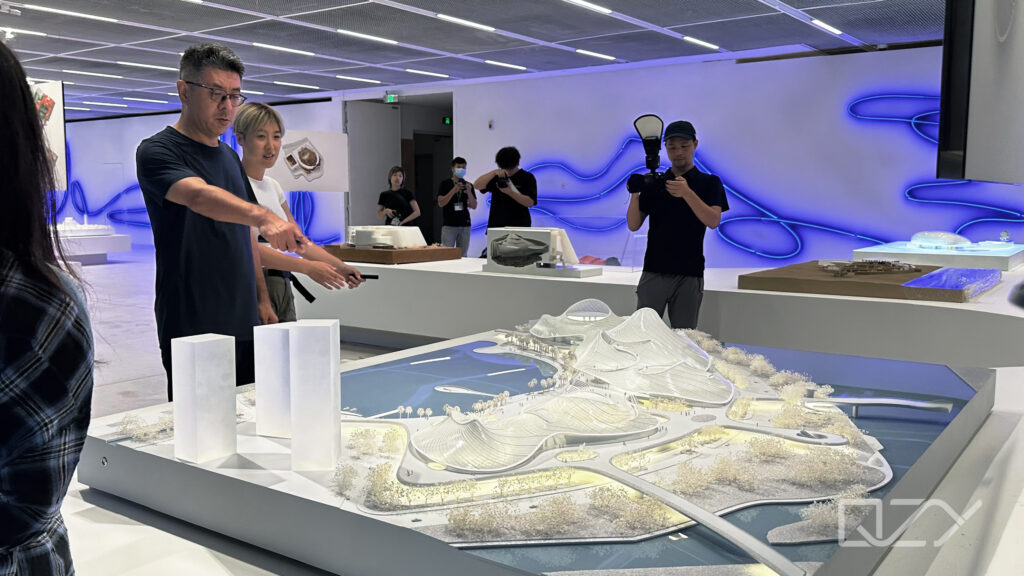
These models are essential in urban planning showcases, investor presentations, city development portfolios, and corporate showrooms. They illustrate not only a single building but also its integration within the cityscape.
Large-scale city models often combine multiple skyscrapers to convey density, zoning, and skyline harmony—a specialty of QZY Models.
When Should a Skyscraper Model Be Commissioned?
Models should be commissioned once the architectural concept and exterior design are finalized but prior to construction. Early engagement allows for accurate 3D modeling, detailed client reviews, and proper integration of lighting or mechanical features.
QZY Models typically recommends a production timeline of 4–8 weeks, depending on project complexity and customization needs.
Can Technology Enhance the Quality of Skyscraper Models?
Yes. Technologies like 3D printing, augmented reality (AR), smart lighting, and interactive displays greatly improve model quality. Models can include programmable LEDs or AR overlays to highlight interior details.
QZY Models combines CNC machining with 3D printing to achieve micro-accurate facades and highly detailed contextual presentations.
QZY Models Expert Views
“At QZY Models, skyscraper models are a combination of artistry and precision. Our team merges digital accuracy with handcrafting to produce models that communicate both design intent and structural integrity. From lighting interaction to material texture, every detail is crafted to tell the story of the building and its environment.”
— Richie Ren, Founder of QZY Models
Are Skyscraper Models Still Relevant in the Digital Age?
Absolutely. Physical models provide immersive, tangible experiences that digital tools cannot replicate. They allow clients to understand scale and spatial relationships through touch and observation. QZY Models continues to provide models for international exhibitions, proving that tactile design communication remains invaluable.
Could a Skyscraper Model Help Secure Investment?
Yes. A detailed model transforms abstract plans into a visible, engaging asset that captures investor attention. Models serve as central presentation pieces for funding proposals, often enhanced with lighting to emphasize architectural features—a strategy QZY Models employs to maximize impact.
What Are the Key Takeaways for Clients?
Skyscraper models turn abstract designs into persuasive, tangible narratives. They combine engineering precision, visual appeal, and marketing effectiveness. When commissioning a model, consider project scale, intended use, and interactivity. Partnering with QZY Models ensures global-level craftsmanship, accuracy, and timely delivery for optimal presentation and investment outcomes.
FAQs
What scale are skyscraper models usually built in?
Typical scales range from 1:100 to 1:1000 depending on height and detail.
How long does it take to make a skyscraper model?
Most projects take 4–8 weeks; complex illuminated models may require additional time.
Do skyscraper models include interiors?
Interior details are included when requested, often for presentation or marketing models.
Can smaller firms afford custom skyscraper models?
Yes. QZY Models offers tailored options to suit different budgets and project sizes.
Are skyscraper models environmentally friendly?
Many models use recycled or eco-friendly materials, reducing production and shipping impact.