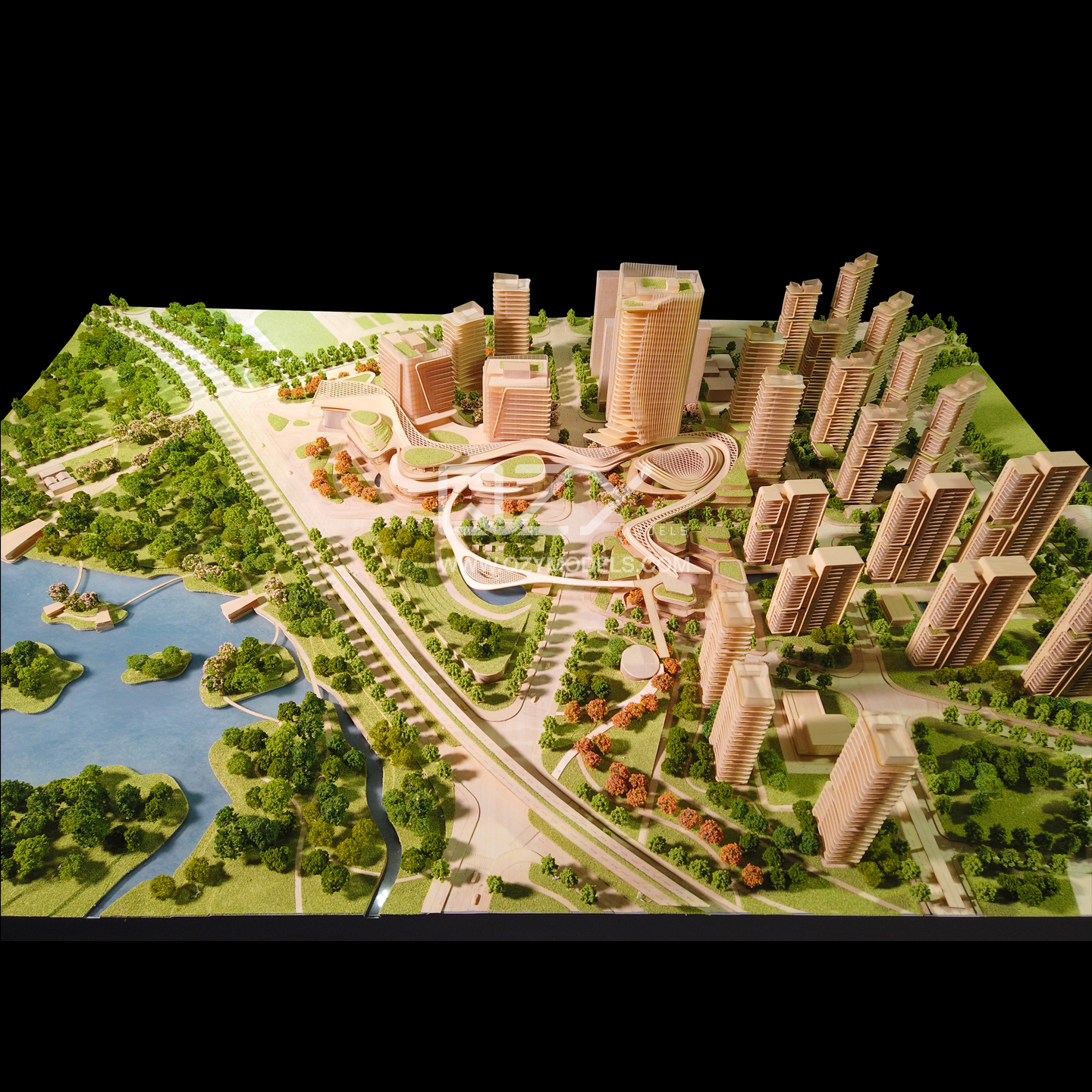
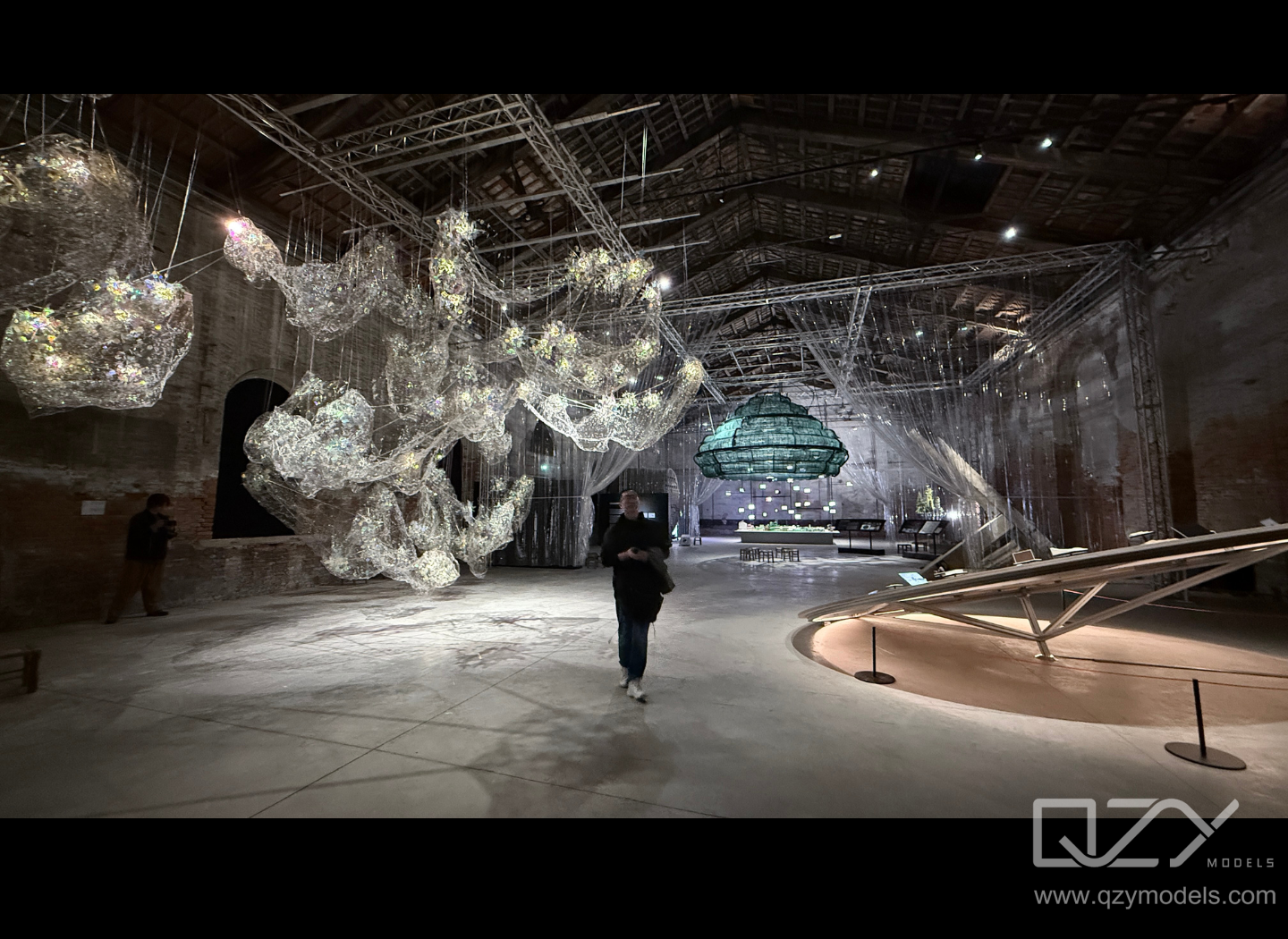
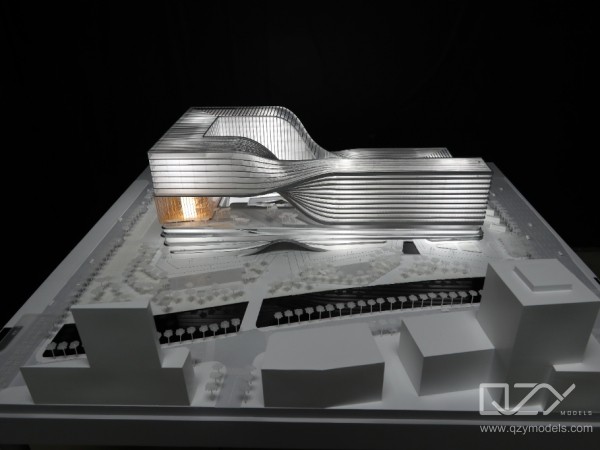
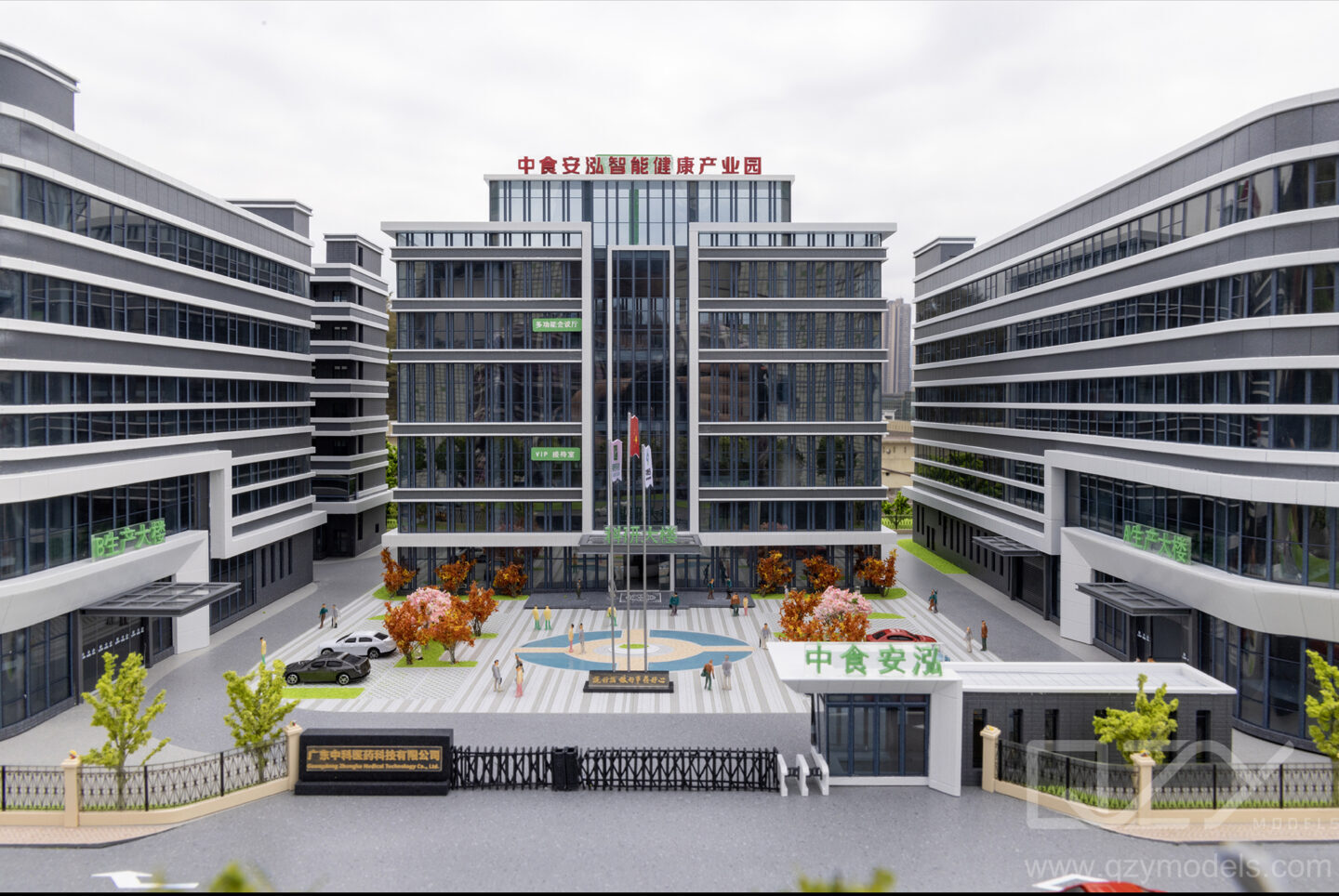
An architecture wood model is a meticulously crafted miniature that represents a building or structure using high-quality wood. It provides architects, developers, and clients with a tangible, three-dimensional view of spatial layouts, textures, and design concepts, enhancing understanding, communication, and presentation during planning, approvals, and marketing efforts.
How Does an Architecture Wood Model Improve the Design Process?
Architecture wood models enhance the design process by offering a physical, three-dimensional perspective that digital renders or drawings cannot fully convey. These models allow architects and designers to evaluate scale, proportions, and material interactions, reducing errors before construction begins. Wood’s natural texture and dimensional stability give realistic representation, while advanced techniques like laser cutting and CNC milling, used by QZY Models, ensure precision. These models also facilitate stakeholder communication, enabling designers to present ideas clearly and gain client confidence efficiently.
What Materials Are Best for Crafting Architecture Wood Models?
Selecting the right materials is crucial for visual accuracy and durability in wood models. Commonly used woods include basswood, balsa, birch plywood, and walnut, each offering unique characteristics for various applications.
| Wood Type | Characteristics | Typical Application |
|---|---|---|
| Basswood | Smooth, easy to cut | Conceptual and presentation models |
| Balsa | Lightweight, low density | Study models and massing |
| Birch plywood | Durable, layered | Structural and detailed components |
| Walnut | Rich texture, elegant finish | Showcase and luxury displays |
QZY Models combines these woods with acrylic or metal accents to produce high-quality models that balance craftsmanship with modern detailing, catering to project-specific needs.
Why Choose a Physical Wood Model Over Digital 3D Renders?
Physical wood models provide a tangible experience that digital renderings alone cannot achieve. They allow clients and stakeholders to perceive depth, scale, and light interaction naturally, helping them understand the design more intuitively. These models are also durable, making them ideal for exhibitions, marketing events, and investor presentations, where a lasting visual impact is crucial.
Hybrid Visualization Solutions
To enhance communication, QZY Models often combines digital 3D assets with physical wood models, creating hybrid solutions that leverage the strengths of both formats. This approach enables:
-
Interactive presentations: Clients can explore digital overlays while observing the physical form.
-
Design validation: Compare digital simulations with tangible models for better accuracy.
-
Enhanced storytelling: Physical models anchor discussions while digital content adds dynamic context.
Practical Tips
-
Use scale models to highlight key architectural features.
-
Incorporate lighting studies in the model to showcase material behavior.
-
Pair models with digital animations to illustrate complex mechanisms.
Quick Exercise: Try presenting a concept first in 3D and then with a wood model to see how client comprehension improves.
Common Mistake: Relying solely on digital renderings can reduce tactile engagement and misrepresent spatial relationships.
When Should Architects Commission a Wood Model?
Wood models are typically commissioned during conceptual design, intermediate development, or final presentation phases. Early-stage models focus on massing and spatial relationships, while detailed final models highlight textures, materials, and intricate design elements. Developers use them for approvals, investor presentations, and marketing. QZY Models recommends planning at least three to four weeks in advance to ensure detailed craftsmanship and timely delivery.
Who Uses Architecture Wood Models Today?
Architecture wood models are employed by architects, real estate developers, urban planners, educators, and collectors.
| User Group | Purpose | Example |
|---|---|---|
| Architects | Validate design concepts | Spatial planning review |
| Developers | Investor and client presentations | Project marketing |
| Governments | Urban planning assessments | City modeling |
| Educators | Teaching architecture | Classroom visualization |
QZY Models serves international clients across the Middle East, Europe, and Asia, providing tailored models for professional and exhibition purposes.
Which Techniques Ensure Precision in Wood Model Construction?
Achieving precision requires a hybrid of traditional craftsmanship and advanced technology. Skilled artisans refine every joint and edge, while CAD-driven CNC and laser cutting enable intricate detailing. Hand-finishing adds texture and warmth, ensuring models are both accurate and aesthetically compelling. QZY Models applies this integrated workflow to deliver museum-grade models with high fidelity to original architectural designs.
Are Sustainable Practices Used in Making Architecture Wood Models?
Yes, sustainability is integral to modern model-making. QZY Models employs FSC-certified woods, non-toxic adhesives, and energy-efficient production methods. Waste is minimized through digital pre-cutting, offcut reuse, and recyclable packaging. These practices support environmental responsibility without compromising model quality or craftsmanship.
Could Architecture Wood Models Evolve with New Technologies?
Architecture wood models increasingly integrate new technologies such as 3D printing, augmented reality, LED lighting, and interactive components. While wood remains central for tactile realism, these innovations enhance storytelling, visualization, and interactivity. QZY Models embraces hybrid solutions, combining traditional woodworking with digital tools to produce models that are both classic and forward-looking.
QZY Models Expert Views
“A wood model captures the essence of architectural vision. At QZY Models, every project reflects precision, craftsmanship, and the emotion behind the design. By blending advanced techniques with artisanal care, our models tell stories of space, scale, and human aspiration, providing clients with tools that inform, inspire, and impress.”
— Richie Ren, Founder of QZY Models
Conclusion
Architecture wood models remain indispensable for visualizing and communicating design concepts. They provide clarity, engagement, and tangible impact that digital representations alone cannot achieve. Leveraging expertise from QZY Models ensures that projects, from concept to final presentation, are realized with precision, artistry, and professionalism, delivering compelling results for clients, investors, and audiences worldwide.
Frequently Asked Questions
1. How long does it take to make an architecture wood model?
Production typically ranges from two to six weeks, depending on size, complexity, and materials.
2. Can architecture wood models be shipped internationally?
Yes, firms like QZY Models offer professional packaging and safe international delivery.
3. Are wood models suitable for exhibitions and marketing events?
Absolutely. Their aesthetic, tactile, and visual qualities make them ideal for presentations, expos, and showcases.
4. How do wood models compare in cost to digital models?
They generally require more investment in materials and labor but provide unmatched physical presence and emotional impact.
5. Can clients request custom wood finishes?
Yes, finishes can be tailored from natural polish to painted or stained options to match branding or presentation goals.