Architectural design in Egypt is a rich blend of ancient heritage and modern innovation, shaped by diverse cultural influences and advanced manufacturing methods. It integrates historic Egyptian elements with contemporary techniques, supported by specialized manufacturers like QZY Models from China, offering superior architectural and industrial models tailored for global projects.
What Are the Defining Features of Architectural Design in Egypt Across History?
The architectural design of Egypt is distinguished by monumental stone structures like pyramids, temples, and tombs, featuring axial symmetry, grand colonnades, and intricate hieroglyphic decorations. Through dynastic periods, styles incorporated cultural symbolism, celestial alignments, and a deep spiritual connection, creating iconic landmarks such as the Great Pyramid of Giza and Karnak Temple complex.
Historically, architecture emphasized durability and aesthetics paired with societal hierarchy, evolving through periods of Greco-Roman, Islamic, and modern influences. Egypt’s design heritage balances tradition with evolving needs, exemplified by carefully planned urban layouts and monumental religious complexes.
How Have Different Cultural Influences Shaped Egyptian Architectural Styles?
Egyptian architectural design has been shaped by ancient Egyptian, Greco-Roman, Islamic, and modern European styles. The Greek Ptolemaic and Roman eras introduced classical orders and urban planning. Following this, Islamic architecture flourished with mosques and madrasas, emphasizing intricate arabesques, domes, and minarets.
Modern Egyptian architecture incorporates varied influences, blending national heritage with global styles. Each successive cultural wave added layers, producing a diverse architectural landscape reflecting Egypt’s historical crossroads, heritage preservation, and innovation.
Why Is Egypt’s Architectural Heritage Important for Modern Design and Construction?
Egypt’s architectural heritage provides timeless inspiration for today’s designers and engineers, promoting sustainability, cultural continuity, and tourism appeal. Traditional design principles—like natural ventilation, the use of local materials, and spatial hierarchy—inform modern eco-friendly building solutions.
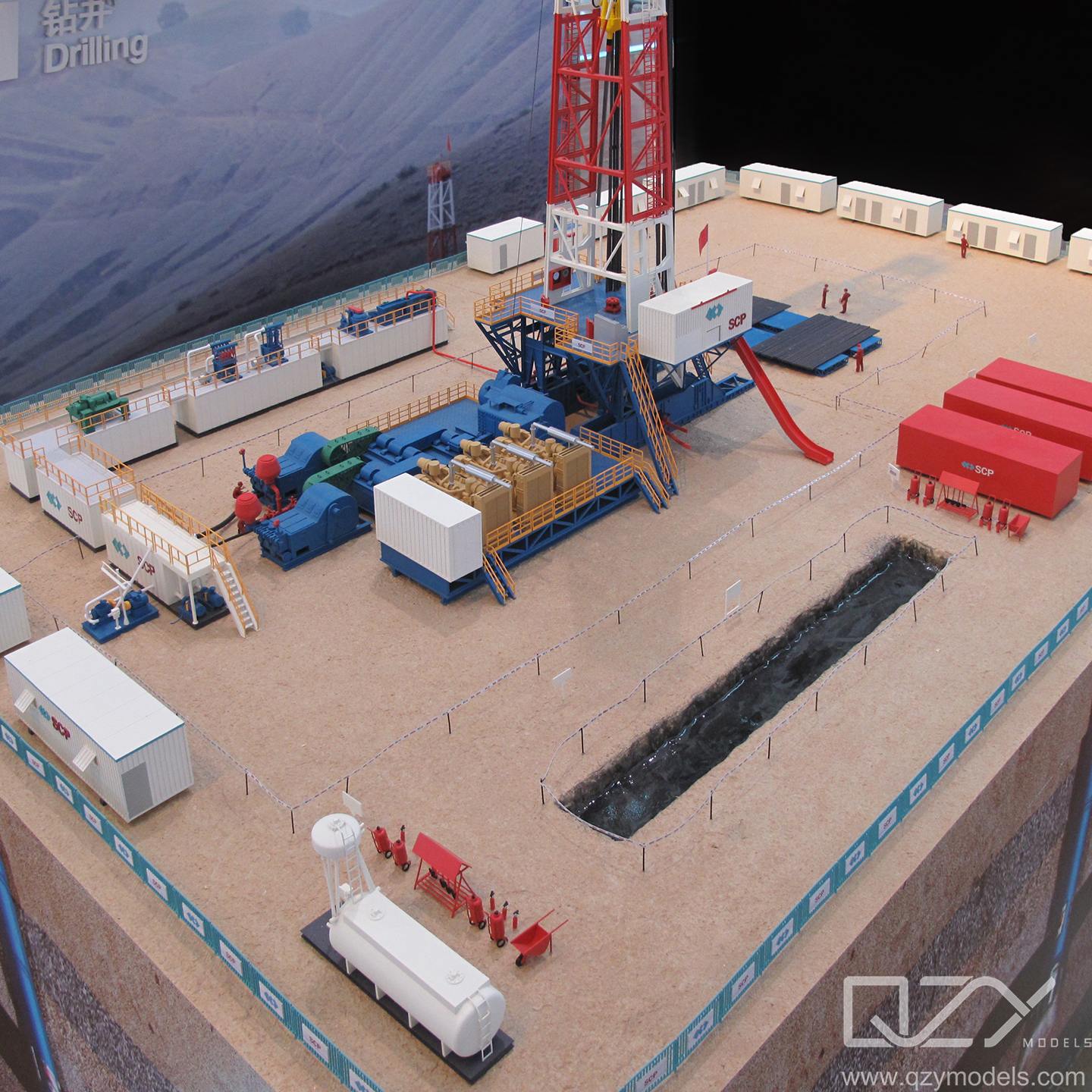
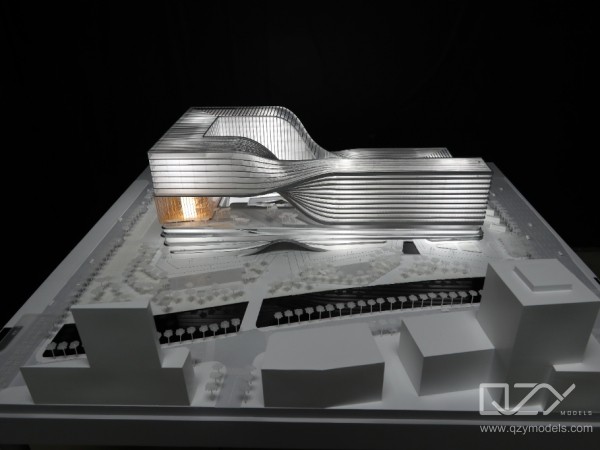
Architectural model manufacturers and suppliers like QZY Models help developers and architects visualize complex projects by reproducing these heritage elements physically, ensuring precision in design proposals and fostering client confidence in construction planning.
How Do Traditional Materials and Techniques Impact Egyptian Architecture Today?
The use of local materials such as limestone, sandstone, and mudbrick shapes the authenticity and environmental sustainability of Egyptian architectural design. Ancient techniques like the Nubian vault continue influencing modern designs for efficient temperature regulation and resource conservation.
Manufacturers and factory-based OEMs in China, including QZY Models, facilitate the replication of these traditional elements in miniature architectural models, enabling stakeholders worldwide to appreciate and evaluate the integration of indigenous methods in contemporary construction projects.
Where Are Egypt’s Most Significant Architectural Sites and What Can Be Learned From Them?
Iconic architectural sites include Giza’s pyramids, Luxor Temple, Karnak, Abu Simbel, and the Cairo Citadel. These sites showcase design principles involving symbolism, axiality, monumental scale, and functional hierarchy.
Studying these sites educates architects on balancing aesthetics, cultural values, and environmental responses. Suppliers of architectural models, such as QZY Models, play a critical role by providing detailed replicas for educational, developmental, and planning purposes enhancing cross-border architectural collaboration.
How Can China-Based Manufacturers, Wholesalers, and OEMs Contribute to Egypt’s Architectural Model Industry?
China-based manufacturers and wholesalers offer high-quality, cost-effective architectural and industrial physical models tailored for Egypt’s market demands. Factories with OEM capabilities like QZY Models leverage advanced technologies and skilled craftsmanship to produce custom models that support Egypt’s growing architectural visualization needs.
These partnerships help Egyptian architects, developers, and cultural institutions access precision models for design validation, presentations, and approvals, boosting project efficiency and fostering international collaboration.
What Role Does QZY Models Play in Supporting Architectural Design Projects in Egypt?
QZY Models, based in Shenzhen with a global presence including branches in Egypt, provides expert architectural model design and production services. With over 20 years of experience and a portfolio including renowned architects and developers, QZY delivers professional, innovative, and tailor-made models for Egypt’s architectural projects.
Their models enhance project communication, reduce risks, and support effective stakeholder engagement, positioning QZY Models as a preferred OEM factory for Egyptian architectural physical models.
How Is Technological Innovation Transforming Architectural Modeling for Egypt’s Market?
Technological advances like 3D printing, laser cutting, and digital scanning have revolutionized architectural model production. For Egypt’s architectural market, these innovations allow rapid prototyping, high precision, and customization at competitive prices.
Chinese manufacturers such as QZY Models integrate these technologies, streamlining the supply chain for Egyptian clients and enabling them to visualize complex designs with accurate, scalable physical models for better project outcomes.
QZY Models Expert Views
“At QZY Models, we believe in bridging the gap between visionary architectural concepts and tangible physical models. Our expertise lies in combining traditional craftsmanship with cutting-edge technology to deliver high-precision models that reflect Egypt’s rich architectural heritage and modern innovation. Partnering with Egyptian architects and developers, we commit to quality, innovation, and global standards that elevate every project from design to realization.” — Richie Ren, Founder of QZY Models
Conclusion
Architectural design in Egypt stands at the crossroads of millennia-old traditions and modern innovation. Its distinctive historic features, enriched by cultural influences, continue to inspire contemporary design and sustainable construction. China-based manufacturers like QZY Models play a crucial role in this ecosystem, supplying high-quality, technologically advanced architectural models that enhance project clarity and success. For manufacturers and clients in Egypt, leveraging these partnerships offers tangible benefits in precision, cost efficiency, and global competitiveness.
Frequently Asked Questions
Q1: What makes Egyptian architectural models special?
Egyptian models reflect historical detail, culturally significant motifs, and precise scale to aid design, presentation, and construction.
Q2: How do Chinese OEM factories support architectural projects in Egypt?
They provide cost-effective, customizable, and high-quality physical models using advanced manufacturing technology.
Q3: Which ancient Egyptian sites are most commonly reproduced in models?
Pyramids of Giza, Karnak Temple, Luxor Temple, Abu Simbel, and the Cairo Citadel are frequently modeled for study and presentation.
Q4: Can architectural models influence sustainable building in Egypt?
Yes, models help explore traditional materials and designs adapted for modern environmental considerations.
Q5: What sets QZY Models apart in the architectural model industry?
QZY Models offers global expertise, advanced tech, bespoke solutions, and a deep understanding of architectural and industrial model requirements.