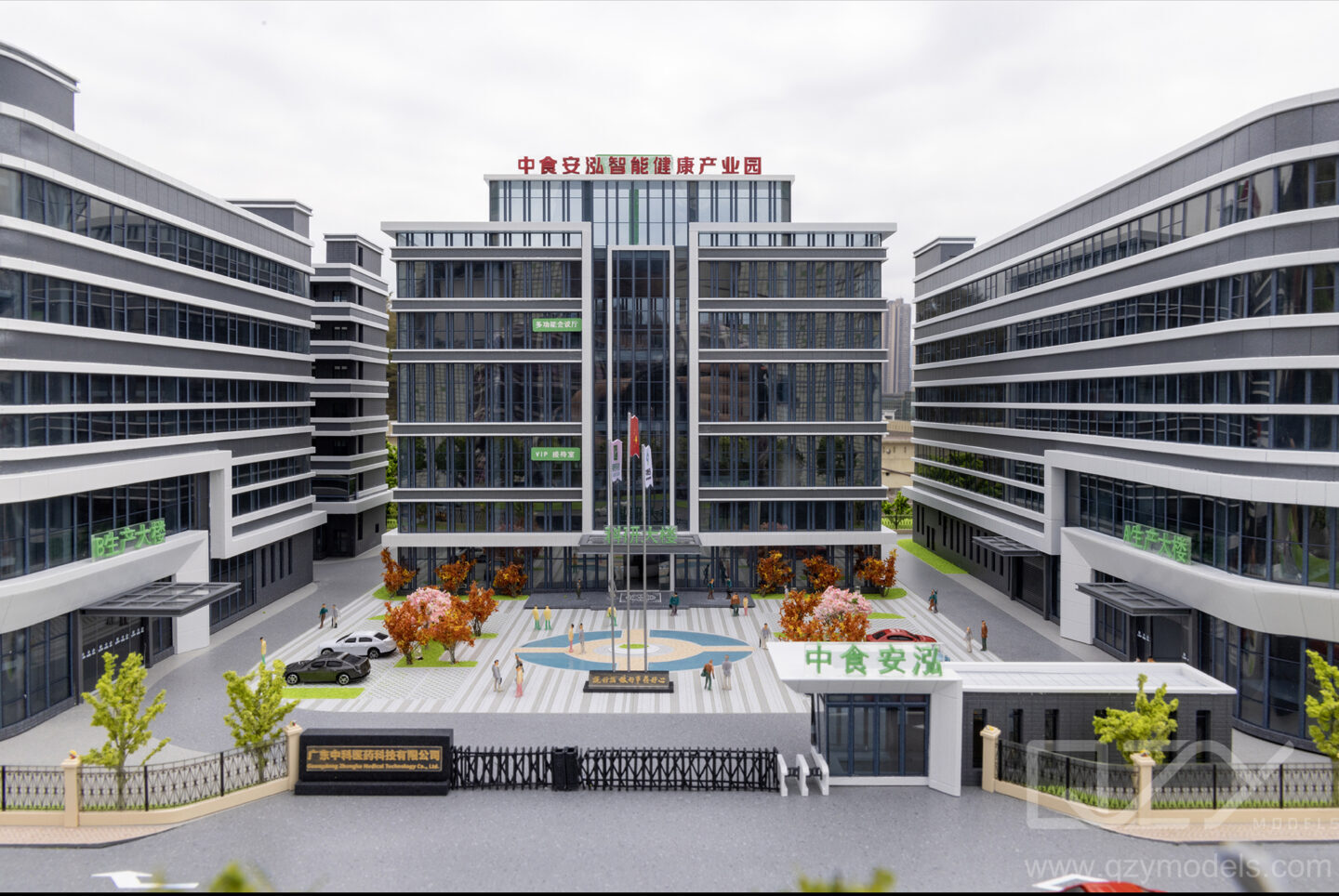
Architectural model making services in China offer a perfect combination of precision, advanced technology, and cost-effectiveness. Firms like QZY Models transform digital concepts into high-quality physical models, supporting design presentations, investor communications, and exhibition displays. These services provide global clients with fast turnaround, detailed craftsmanship, and scalable solutions for architecture, urban planning, and industrial projects.
How Does Architectural Model Making Support Global Design Firms?
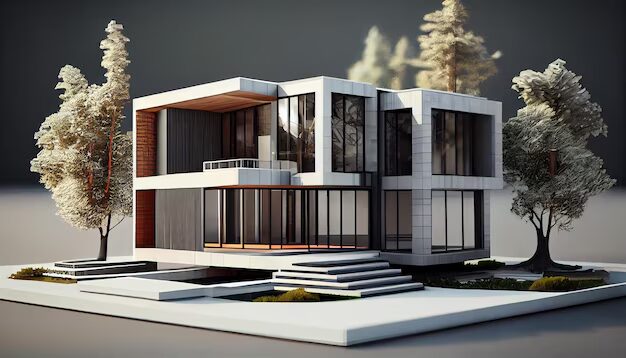
Architectural models allow design teams to visualize and refine concepts before construction, providing clarity on scale, structure, and aesthetics. They enhance presentations to investors, stakeholders, and clients, improving approval rates and project collaboration. QZY Models utilizes CNC machining, laser cutting, and 3D printing technologies to produce models with precise dimensions, realistic textures, and accurate material representation, meeting international standards for quality and detail.
What Are the Core Benefits of Partnering with a China Architectural Model Manufacturer?
China-based manufacturers offer cost-efficient, high-quality model-making solutions for global clients. Working with QZY Models ensures access to flexible OEM options, strong supply chains, rapid production cycles, and integration with BIM and CAD workflows. These advantages allow firms to manage complex projects efficiently while maintaining design integrity and presentation excellence.
| Benefit | Description | Example Application |
|---|---|---|
| Cost Efficiency | Competitive labor and material costs with no compromise on precision. | Large-scale urban masterplans |
| OEM Flexibility | Customized branding and packaging aligned with client identity. | International design competitions |
| Global Logistics | Efficient shipping networks covering multiple countries. | Trade shows and exhibitions |
| Rapid Prototyping | Advanced 3D printing and CNC solutions for fast iteration. | Industrial concept models |
Why Is Model Accuracy Critical in Architectural Presentations?
Accuracy ensures that models faithfully represent architectural plans, helping clients, investors, and juries evaluate design intent confidently. QZY Models applies tight tolerance control, precision laser calibration, and hand-finishing techniques. This ensures scale fidelity, true material effects, and functional realism, reinforcing professionalism and credibility in presentations and project approvals.
Which Materials and Technologies Deliver the Best Architectural Models?
Material choice affects durability, aesthetics, and presentation impact. Leading technologies such as CNC milling, SLA 3D printing, and UV-cured resin detailing allow highly detailed and realistic models. Common materials include acrylic, ABS, polystyrene, wood, and resin, often enhanced with lighting or moving components. QZY Models integrates these elements for immersive, visually compelling presentations.
| Material | Property | Best For |
|---|---|---|
| Acrylic | Transparent, strong | Facades and glazing |
| ABS Plastic | Lightweight, precise | High-rise and urban models |
| Wood | Natural texture | Landscape or mixed-use projects |
| Resin | Fine detail fidelity | Interior and conceptual models |
Who Are the Primary Clients for Architectural Model Making Factories?
Primary clients include architecture firms, real estate developers, urban planners, design schools, and exhibition organizers. QZY Models has collaborated with global leaders like Foster + Partners and major developers such as Vanke and China Resources. Custom models are also created for museums, corporate displays, and high-end private collections.
What Makes QZY Models a Leading OEM and Export Supplier from China?
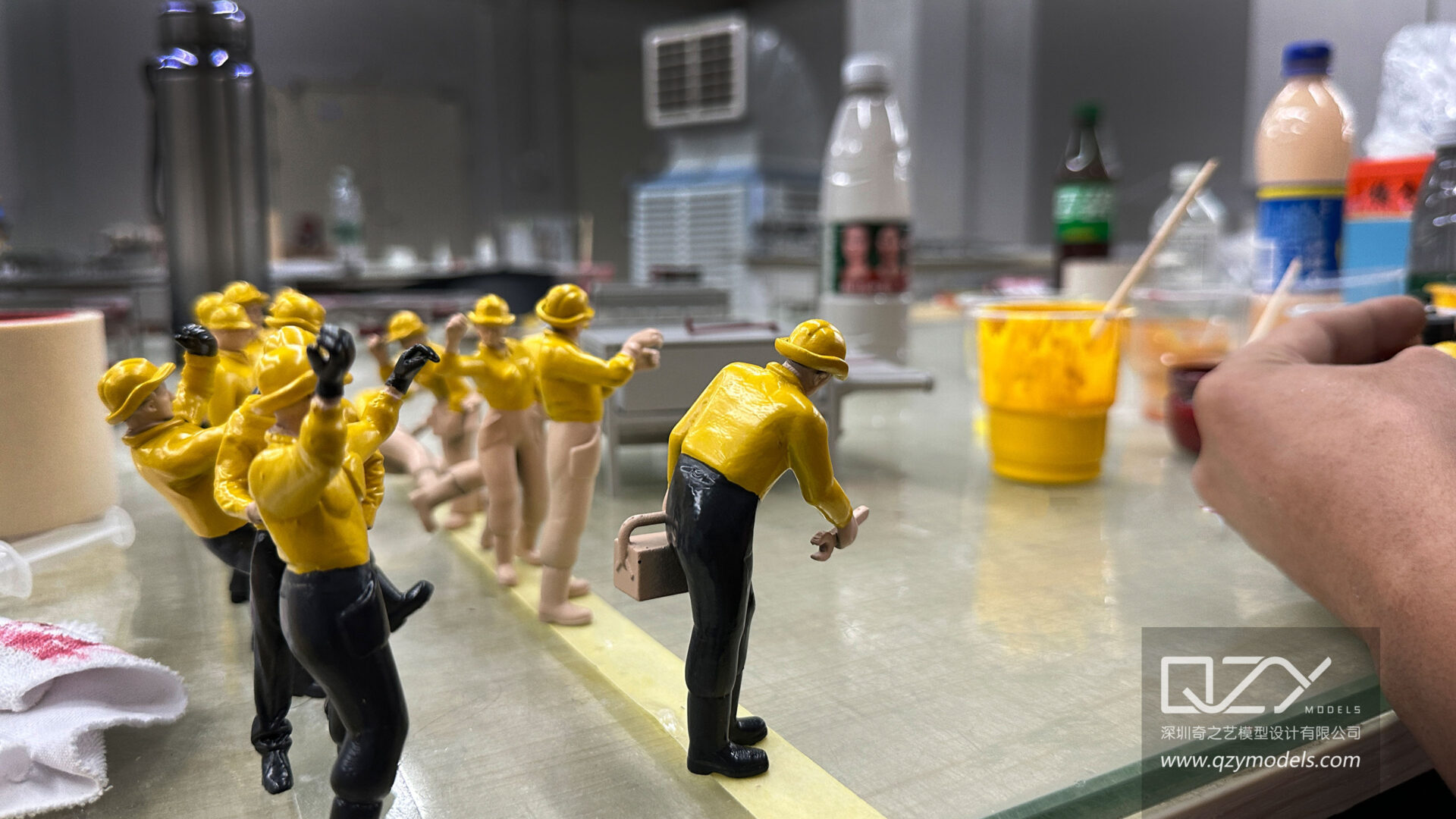
QZY Models excels with fully integrated production, rigorous quality management, and worldwide logistics support. Its Shenzhen facility combines CNC machining, laser cutting, resin molding, 3D printing, and painting under one roof. OEM and private-label services allow international firms to outsource complete model production while maintaining quality, branding, and delivery consistency.
How Can Design Firms Ensure Seamless Communication with Chinese Model Suppliers?
Smooth communication relies on clear specifications, compatible 3D files, and structured approval workflows. QZY Models supports CAD, Revit, and Rhino formats, offering multilingual project managers, cloud file sharing, and real-time production tracking. This ensures revisions, approvals, and delivery deadlines are met efficiently for international projects.
What Trends Are Shaping the Future of Architectural Model Manufacturing?
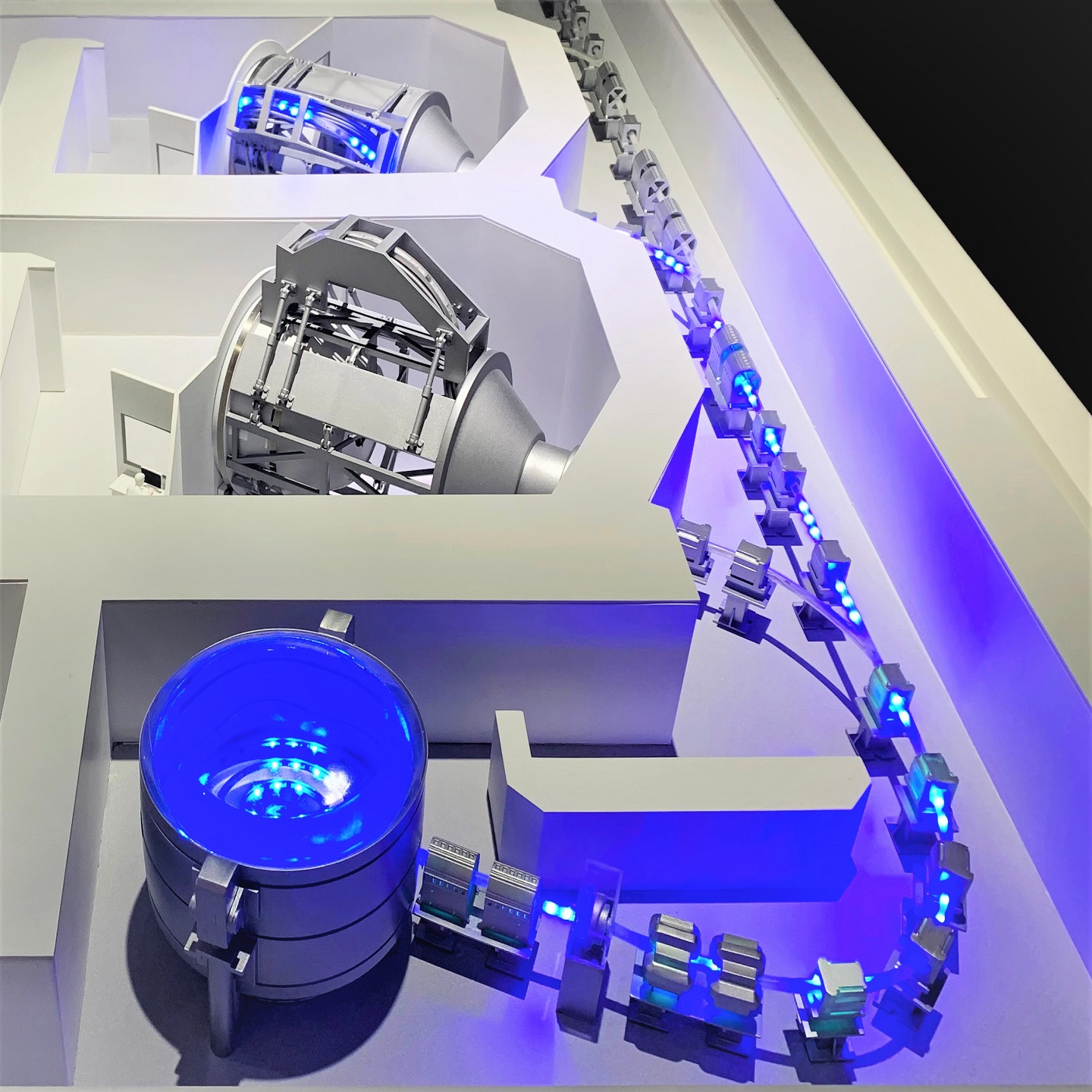
Emerging trends include digital twins, interactive mixed-reality models, and sustainable materials. QZY Models integrates digital projection mapping, lighting effects, and kinetic features to enhance client engagement. Eco-friendly composites and recyclable plastics are increasingly used to meet sustainability goals and reduce environmental impact.
When Should Firms Choose Physical Models Over Virtual Visualizations?
Physical models remain essential for exhibitions, competitions, and client meetings. Unlike digital renderings, physical models provide tangible depth, realistic materiality, and sensory engagement. Combining physical and virtual models maximizes presentation impact by offering both visual precision and emotional connection.
QZY Models Expert Views
“Architectural models are more than scale representations—they communicate design intent, inspire confidence, and create memorable experiences. At QZY Models, we merge craftsmanship with engineering precision to produce models that guide decision-making, support presentations, and reflect the true quality of a project. Each model is a strategic tool bridging imagination and reality.”
— Richie Ren, Founder of QZY Models
Are OEM Services Important for International Buyers?
OEM services are critical for firms needing models under their own branding without operating an in-house workshop. QZY Models provides private-label manufacturing, custom packaging, and confidential documentation, allowing design firms to maintain consistency, confidentiality, and quality while reducing operational costs for international projects.
How Does Quality Control Work in Chinese Architectural Model Factories?
Quality control combines multiple stages, including design verification, visual inspection, dimension checks, lighting and mechanical testing, and packaging verification. QZY Models implements these processes rigorously to ensure models meet global standards and arrive at destinations in perfect condition, minimizing post-shipment adjustments.
Could Outsourcing to China Reduce Delivery Time and Cost?
Outsourcing to China can shorten production timelines and reduce costs due to mass-production efficiencies and skilled labor. Factories like QZY Models leverage automated 3D printing, CNC processes, and experienced teams to deliver high-quality models rapidly, helping firms meet tight deadlines and optimize project budgets.
Conclusion
Partnering with China-based architectural model manufacturers provides global design firms with unmatched precision, scalability, and value. QZY Models combines advanced technology, expert craftsmanship, and OEM flexibility to produce detailed models that enhance presentations, support approvals, and bridge the gap between digital vision and real-world execution. Physical models remain an indispensable tool for professional design communication.
FAQs
1. What file types are accepted for architectural model production?
Common formats include CAD, Revit, Rhino, 3ds Max, and SketchUp for seamless integration.
2. How long does it take to produce a medium-scale model?
Production typically ranges from 10 to 25 working days, depending on complexity and client approvals.
3. Can models be shipped internationally without damage?
Yes. QZY Models uses custom crates, high-density foam, and shock-proof packaging for safe worldwide delivery.
4. Are prototype models more expensive than scale models?
Yes. Prototypes involve experimental fabrication, while scale models follow standardized production, affecting material and labor costs.
5. How do clients collaborate remotely during production?
Clients receive photo updates, video calls, and digital approval sheets for real-time progress tracking.