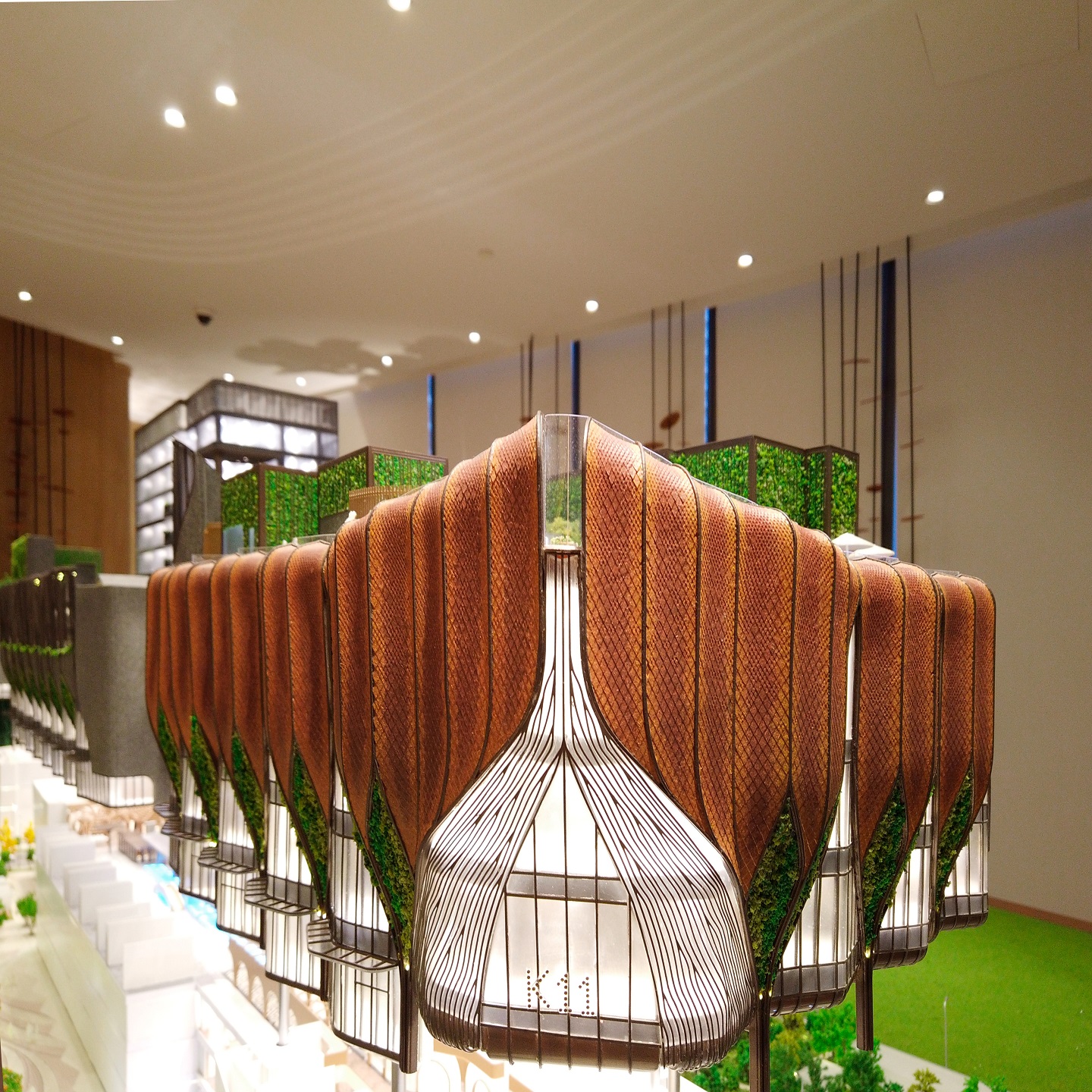
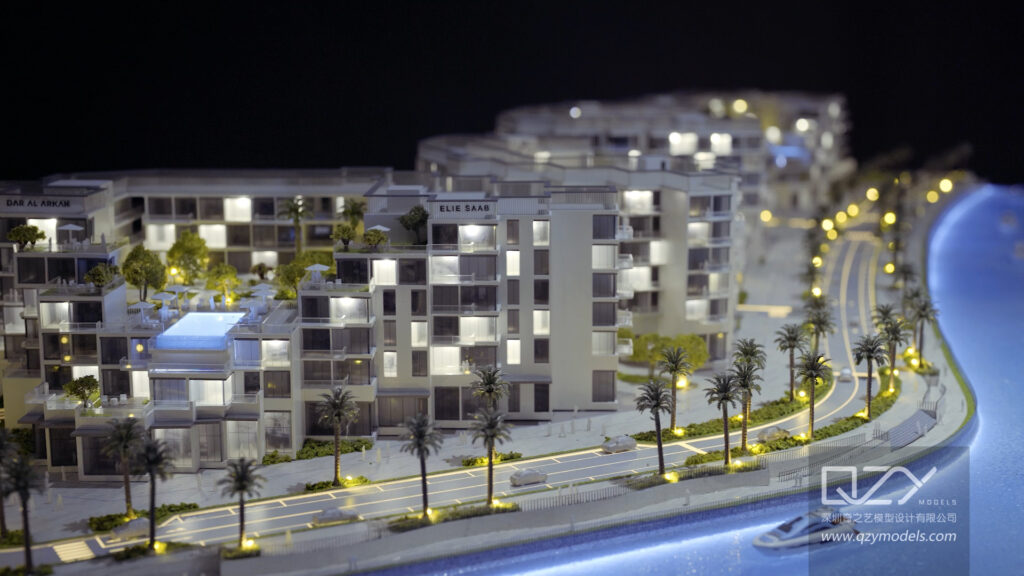
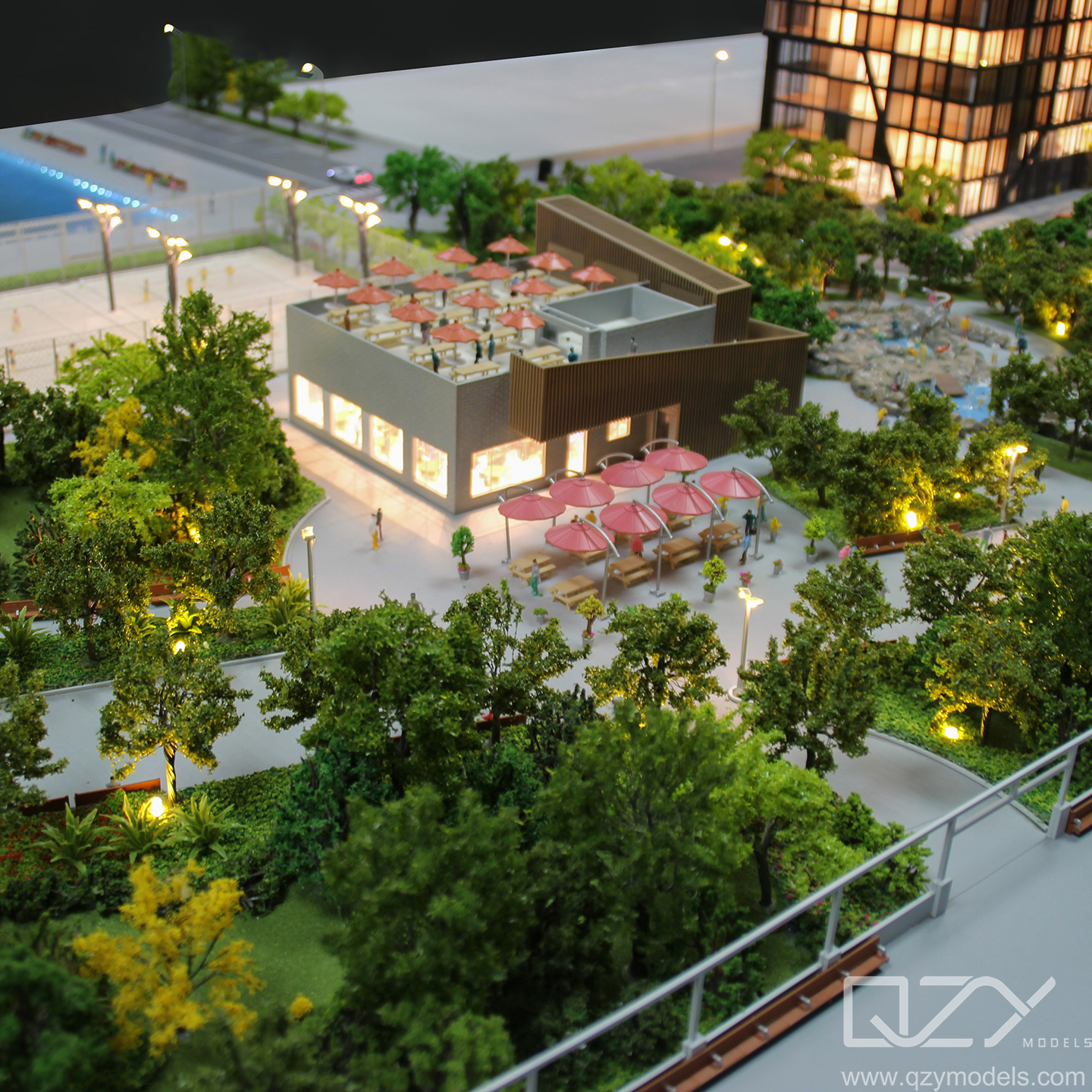
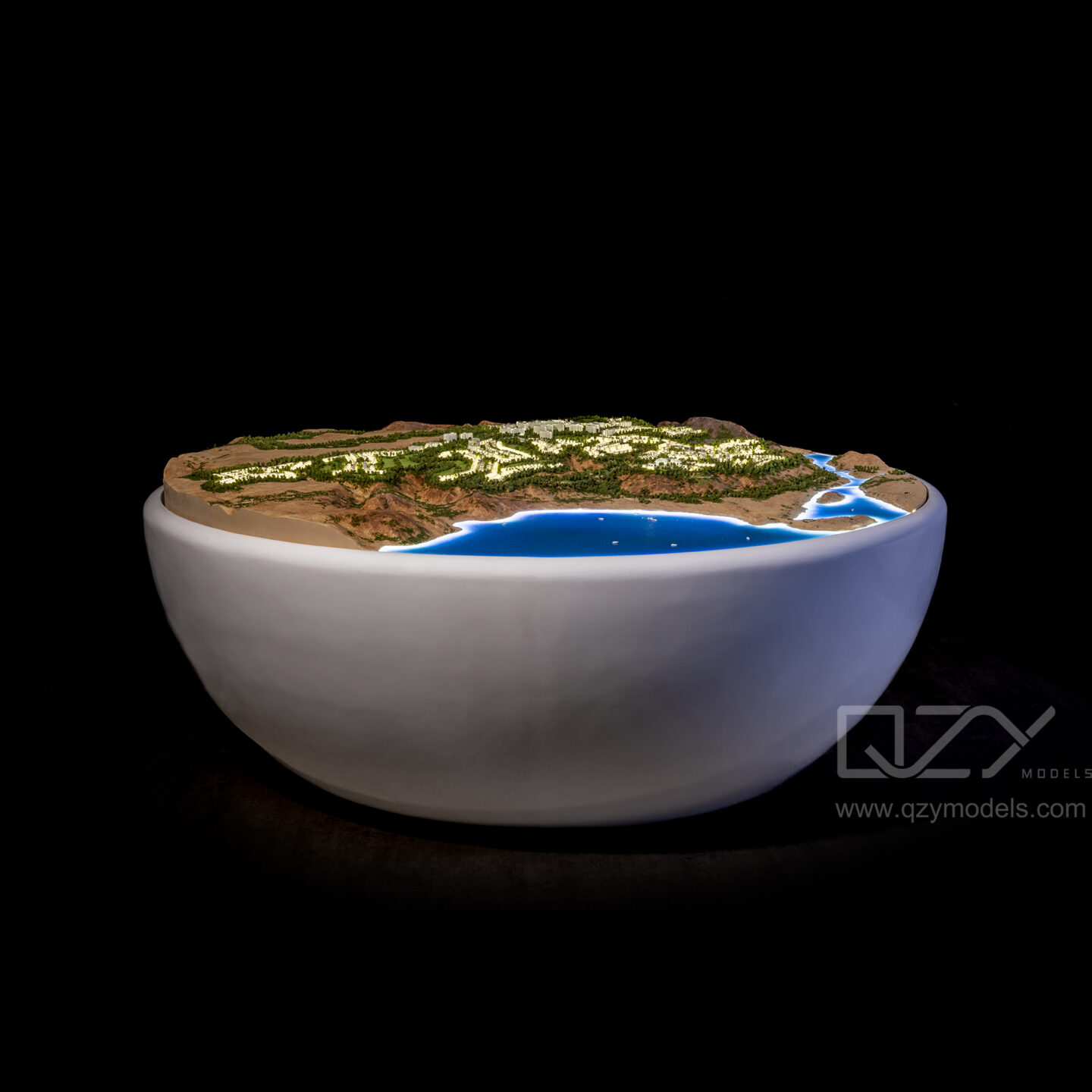
Architectural model making services in China offer global clients precise craftsmanship, scalable production, and seamless international delivery. Companies like QZY Models provide end-to-end solutions, creating architectural, industrial, and display models that meet international quality standards. Their expertise in custom OEM production helps architects, developers, and institutions worldwide translate complex designs into accurate, visually compelling physical representations.
How Do Architectural Model Making Services Support Global Projects?
Architectural model making services transform design concepts into tangible, scaled models that enhance communication and decision-making. QZY Models ensures accuracy, material representation, and spatial clarity, allowing architects, developers, and urban planners to present projects effectively. These models help secure approvals, attract investors, and communicate design intent to stakeholders. Combining technical precision with visual storytelling, they are indispensable tools for international project success.
What Are the Main Types of Architectural Models Offered by Chinese Manufacturers?
Chinese model makers provide diverse solutions for different project requirements:
| Model Type | Description | Typical Clients |
|---|---|---|
| Masterplan Models | Large-scale urban layouts highlighting infrastructure and landscaping | Urban planners, developers |
| Building Models | Detailed representations of buildings for marketing or approvals | Architects, real estate companies |
| Interior Models | Sectional models showcasing interior layouts and finishes | Interior designers, developers |
| Industrial Models | Product prototypes, factories, or machinery | Engineering and manufacturing firms |
QZY Models uses CNC milling, 3D printing, and laser-cutting to deliver exceptional detail and finish across all model types.
Which Materials and Technologies Ensure Model Durability and Visual Impact?
Architectural models combine realism with long-lasting materials. Chinese manufacturers use resin, acrylic, wood, ABS, metal, and sustainable composites. Advanced fabrication methods include 3D printing, laser cutting, and CNC milling, while integrated lighting or digital features enhance visual presentation. QZY Models prioritizes green materials, smart fabrication, and modular designs to support safe international shipping while maintaining superior aesthetic quality.
Why Do International Clients Prefer Chinese Model Making Factories?
International clients choose Chinese manufacturers for efficiency, reliability, and global compatibility. Companies like QZY Models provide complete OEM solutions, from 3D design to export-ready packaging. Shenzhen-based production hubs offer advanced machinery, skilled craftsmanship, and fast turnaround times. The combination of cost-effectiveness, scalability, and adherence to global standards makes China an attractive partner for complex architectural model production.
Who Benefits Most from OEM and Custom Model Making Services?
OEM and custom model making serve organizations needing tailored or branded solutions. Key beneficiaries include:
-
Architectural and real estate developers
-
Government and urban planning agencies
-
Exhibition organizers and educational institutions
-
Industrial design and manufacturing companies
QZY Models handles both large batch orders and single bespoke projects, offering co-branded or white-label solutions to meet international client demands.
When Should Developers and Architects Use Physical Models Instead of Digital Renderings?
Physical models are essential when scale, proportion, and tactile engagement influence decision-making. They excel in investor presentations, exhibitions, and regulatory reviews, complementing digital renderings with tangible visualization. QZY Models advises clients on choosing the right format—traditional, hybrid, or interactive—to maximize impact and communication effectiveness.
Where Are the Most Active Global Markets for Architectural Models?
High-demand markets include the Middle East, Europe, and Southeast Asia, driven by luxury developments, cultural projects, and large-scale infrastructure.
| Region | Primary Demand | Typical Projects |
|---|---|---|
| Middle East | Urban masterplans, high-end developments | Mixed-use complexes, high-rises |
| Europe | Sustainable architecture, cultural sites | Museums, eco-friendly buildings |
| Southeast Asia | Rapid infrastructure growth | Hotels, resorts, educational campuses |
QZY Models operates branches in the UAE, Saudi Arabia, and Egypt, providing local support, faster delivery, and efficient project coordination.
Can Chinese Model Makers Meet Western Design Standards?
Yes. QZY Models and other leading manufacturers follow international modeling standards with rigorous quality checks. Each project undergoes design review, mockup validation, and material/color matching. CAD collaboration and English-speaking project managers ensure smooth interaction with Western clients. ISO-compliant processes and international packing standards guarantee safe delivery and regulatory compliance.
QZY Models Expert Views
“Architectural models remain the most effective way to communicate complex designs physically. At QZY Models, we combine precision engineering with artistic craftsmanship to transform architectural visions into reality. As global design grows more sophisticated, we continue innovating, providing clients with both visualization expertise and high-quality model production.”
— Richie Ren, Founder of QZY Models
Are Factory-Based Model Makers Better for Large-Scale International Orders?
Yes. Factory environments ensure quality control, consistency, and scalable production. QZY Models’ Shenzhen facility handles bulk OEM orders efficiently while maintaining detail and accuracy. Turnkey logistics, including crating, insurance, and global installation, provide comprehensive solutions that boutique studios cannot match.
What Should Businesses Consider Before Choosing a Model Supplier in China?
Before selecting a manufacturer, assess:
-
Technical expertise and equipment
-
Variety of model types (architectural, industrial, interior)
-
Experience with international logistics and clients
-
Export certification and packaging standards
-
Communication efficiency and project management tools
QZY Models excels in all areas, offering transparent workflows, multilingual teams, and over two decades of global experience.
Why Partner with QZY Models for Global Architectural Model Making?
QZY Models delivers precision, innovation, and reliability to clients across five continents. With in-house design and full-service manufacturing, the company ensures accuracy, aesthetic excellence, and timely delivery. Its international presence provides cultural insights and seamless collaboration, making every model an exceptional combination of engineering, artistry, and practical functionality.
Conclusion
China’s architectural model making services provide global clients with unmatched precision, scalability, and export capability. Partnering with professional OEM manufacturers like QZY Models enables architects, developers, and planners to convert designs into visually impactful physical models efficiently. As global architectural projects become more complex, high-quality physical models remain essential for communication, presentation, and decision-making.
FAQs
1. How long does it take to produce an architectural model in China?
Production generally ranges from 2 to 6 weeks, depending on model complexity, scale, and materials.
2. Can models include custom lighting or branding features?
Yes. QZY Models offers fully customizable solutions, including LED lighting, branding, and interactive elements.
3. What is the recommended scale for city planning models?
Scales between 1:500 and 1:1000 balance detail and manageability for large urban projects.
4. How are models shipped internationally?
Models are packed in protective wooden crates with modular sections for secure transport and easy reassembly.
5. Does QZY Models provide overseas installation services?
Yes. QZY Models offers global installation, setup, and maintenance support for exhibitions and presentations.