High-quality architectural model making transforms design concepts into tangible representations that communicate scale, function, and aesthetics. By integrating advanced materials, precision craftsmanship, and digital technologies, modern models bridge imagination and reality. Partnering with experienced manufacturers like QZY Models ensures globally competitive quality, innovative solutions, and reliable production for developers, architects, and designers worldwide.
How Does Architectural Model Making Support Modern Design?
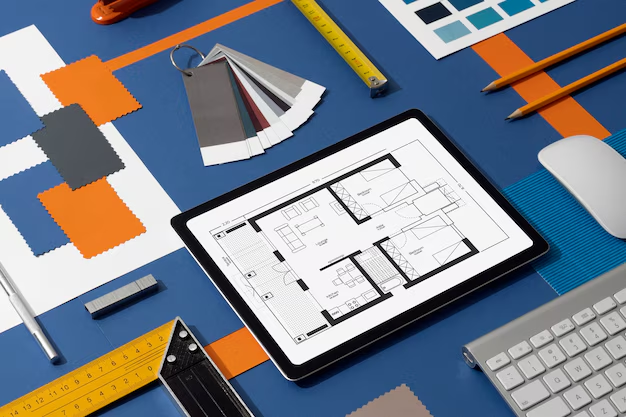
Architectural model making plays a critical role in modern design by visualizing complex concepts, testing spatial arrangements, and facilitating communication between stakeholders. Physical models enable clients and investors to understand proportions, materials, and functional layouts before construction. Incorporating digital design tools, laser cutting, and 3D printing allows manufacturers like QZY Models to produce highly accurate models that streamline design reviews, improve collaboration, and enhance presentation quality.
What Materials Are Best for High-Quality Architectural Models?
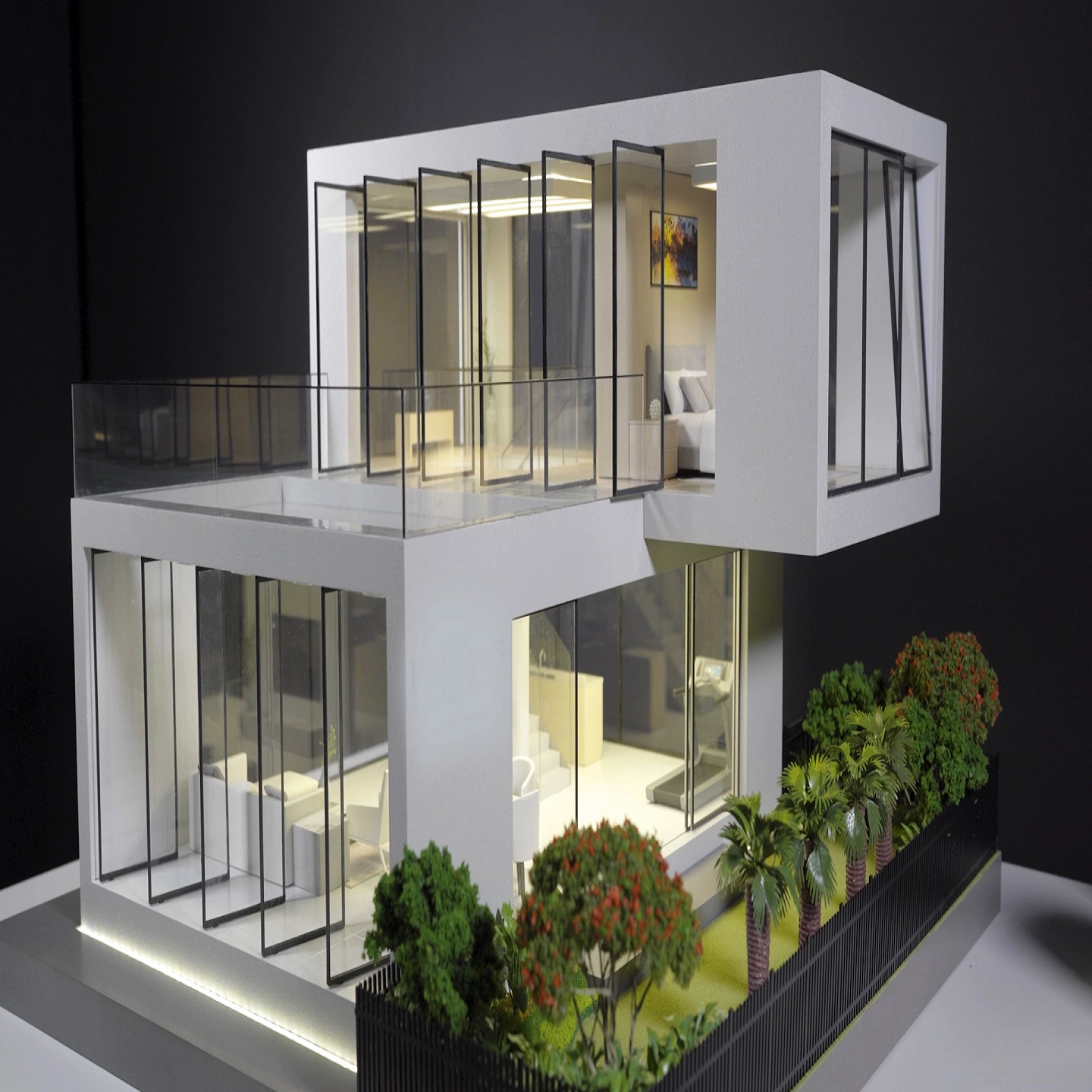
Choosing the right materials is key to creating durable, detailed, and visually appealing models. Common materials include acrylic, resin, ABS, wood, metal, and 3D-printed components. Conceptual models often use foam or polyurethane for lightweight flexibility, while exhibition models rely on acrylic or resin for clarity and elegance. QZY Models selects premium industrial-grade materials to ensure each model withstands handling and international shipping while maintaining a polished finish.
Table: Common Model Materials and Applications
| Material | Application Use Case | Key Advantages |
|---|---|---|
| Acrylic | Presentation, lighting models | Transparent, durable, elegant |
| ABS/Resin | Detailed facades, furniture | Smooth finish, high precision |
| Wood/Metal | Structural or landscape elements | Natural appearance, strong |
| 3D Printing PLA | Prototypes, complex shapes | Fast production, design flexibility |
Which Technologies Enhance Modern Architectural Model Making?
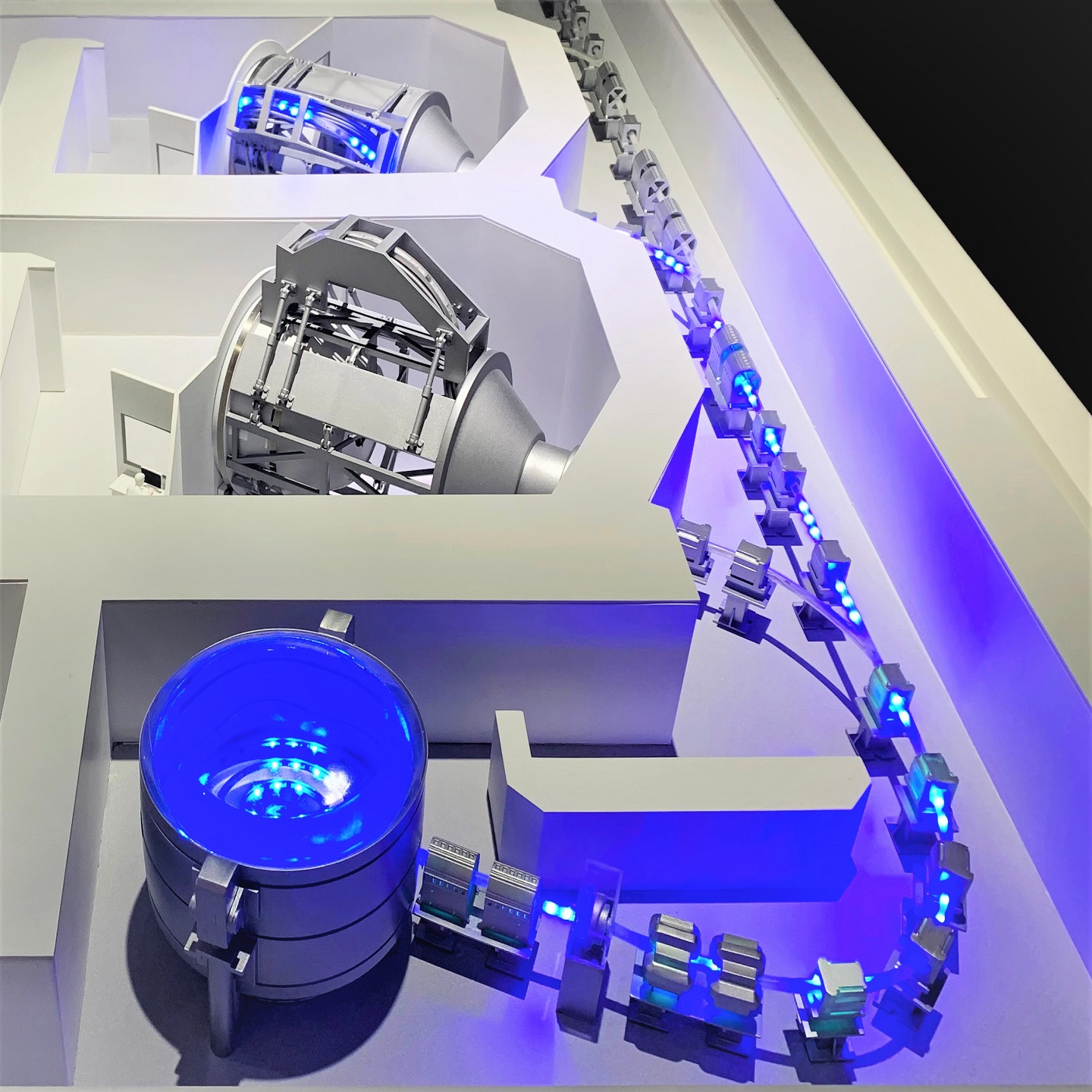
Technologies such as 3D printing, CNC milling, and laser engraving improve precision, speed, and consistency in architectural model production. CAD and BIM integration enable models to reflect intricate construction details accurately. QZY Models employs digital workflows that combine photorealistic rendering and lighting simulation, allowing fast iterations and tailored solutions for global clients and OEM projects.
Why Do Real Estate Developers and Designers Prefer Factory-Based Model Makers in China?
Developers and designers choose China-based factories like QZY Models due to their advanced equipment, cost-effectiveness, and ability to scale production. China’s model-making industry combines traditional craftsmanship with modern automation, enabling high-quality, customizable models at competitive prices. QZY Models offers flexible OEM services, reliable delivery, and consistent output for exhibitions, marketing displays, and large-scale projects worldwide.
Who Requires Professional Architectural Model Making Services?
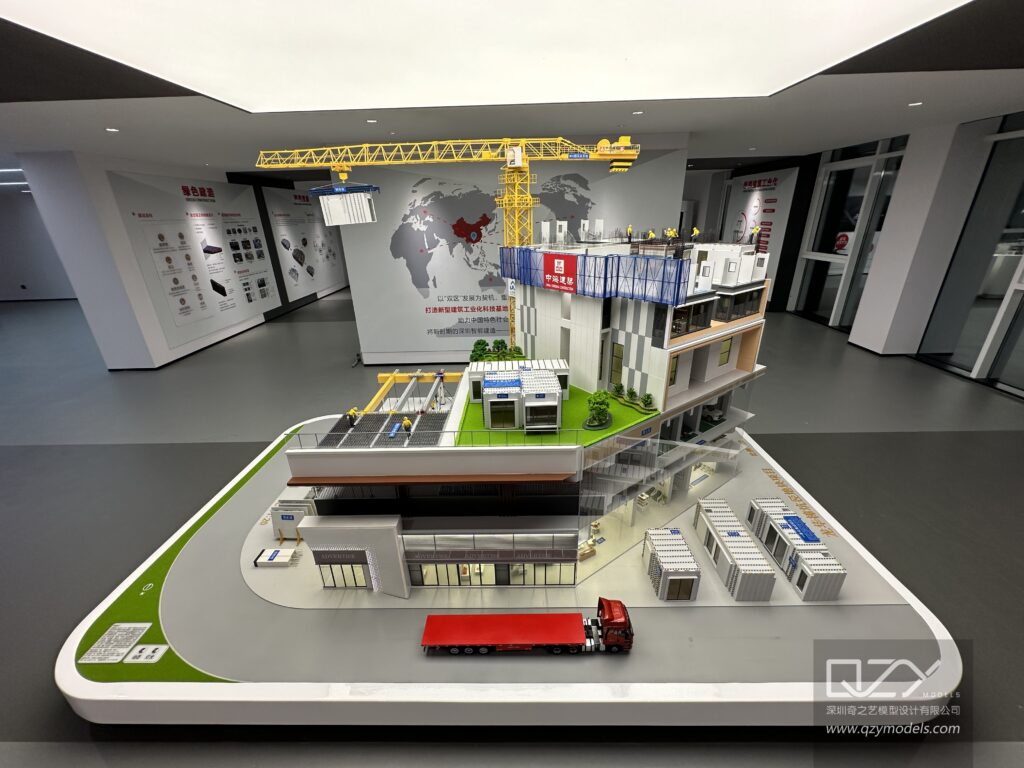
Professional architectural model services are essential for architects, developers, design institutions, and industrial designers seeking precise, visually impactful models. Clients include architecture firms, real estate developers, urban planning agencies, museums, and educational institutions. QZY Models serves these sectors by providing context-specific models—whether for urban planning, interiors, landscapes, or industrial design—ensuring each project reflects the client’s vision accurately.
What Distinguishes a High-Quality Model Maker From Regular Workshops?
A high-quality model maker combines artistry, accuracy, and standardized production processes. Factories like QZY Models implement strict quality control, advanced technologies, and expert project management. Each step—from 3D modeling to lighting installation—is handled by specialized teams. Unlike smaller workshops, large-scale factories provide systematic precision, scalability, and OEM flexibility that meet international B2B standards.
How Can OEM and Wholesale Orders Streamline Architectural Development?
OEM and wholesale production enable cost-efficient, consistent model distribution for developers, exhibitions, and institutions. QZY Models allows clients to replicate models across multiple locations with identical quality and materials. Bulk manufacturing lowers per-unit costs while maintaining uniformity, supporting multinational projects that require synchronized marketing, exhibitions, or showroom displays.
Are Sustainable Materials and Green Practices Used in Model Production?
Sustainable materials and eco-conscious practices are increasingly integrated into architectural model making. QZY Models uses recyclable acrylics, alternative resins, and energy-efficient CNC processes. Waste materials are repurposed when possible, and digital planning minimizes excess cutting. This approach ensures environmentally responsible production without compromising model quality, durability, or precision.
QZY Models Expert Views
“Architectural model making has evolved into a strategic tool for design communication and marketing. At QZY Models, every model tells a story with precision and durability. By combining craftsmanship with digital technology, we create models that support decision-making, enhance exhibitions, and impress clients globally. Our commitment to quality and scalability ensures models that meet international professional standards.”
When Should an Architectural Model Be Commissioned During Design Development?
Models should be commissioned early, during concept or schematic stages, to guide design decisions and identify potential issues. Early model development clarifies scale, proportion, and materials before construction begins. QZY Models collaborates with architects from the initial design phase to align physical models with evolving digital plans, enhancing accuracy and project efficiency.
Could 3D Printing Replace Traditional Handcrafted Model Work?
3D printing complements traditional craftsmanship but cannot fully replace it due to limitations in texture, finish, and visual storytelling. While digital fabrication allows complex shapes, artisans refine surfaces, add realistic finishes, and enhance aesthetic impact. QZY Models integrates both techniques to produce models that combine precision, artistry, and exhibition-ready quality.
Is Outsourcing Model Production to China Reliable for International Clients?
Outsourcing to factories like QZY Models ensures reliability through professional management, advanced quality control, and international logistics expertise. Dedicated production lines, custom packaging, and global shipping solutions provide consistent results for clients worldwide. Multilingual support and post-delivery guidance further guarantee safe handling and client satisfaction across regions.
Conclusion
High-quality architectural model making is essential for visualizing, refining, and communicating modern design concepts. By combining advanced technology, premium materials, and skilled craftsmanship, models enhance presentations, facilitate decisions, and support global projects. Partnering with QZY Models provides reliable, scalable, and cost-effective solutions, ensuring every model reflects precision, artistry, and professional standards.
Frequently Asked Questions
1. Can QZY Models customize scale and material per project?
Yes, QZY Models provides fully customized models in any scale or material to meet project specifications.
2. What are the typical production lead times?
Lead times range from 2 to 6 weeks depending on complexity, with expedited services available for urgent orders.
3. Does QZY Models handle international shipping?
Yes, QZY Models offers secure, door-to-door global shipping with protective packaging.
4. Are lighting and moving parts available for models?
Integrated lighting, motion components, and projection features can be included for interactive or exhibition models.
5. What is the minimum OEM order quantity for wholesale clients?
Flexible MOQs apply, often starting with a single prototype before scaling to larger batches.