High-quality architectural model making services transform design concepts into tangible, precise, and visually impactful models. They enable architects, developers, and investors to communicate ideas effectively, support project approvals, and bridge cultural and language gaps. For global projects, these models ensure clarity in decision-making, presentation, and collaboration across international markets, establishing credibility and design excellence.
How Do Architectural Models Support Global Construction and Design Projects?
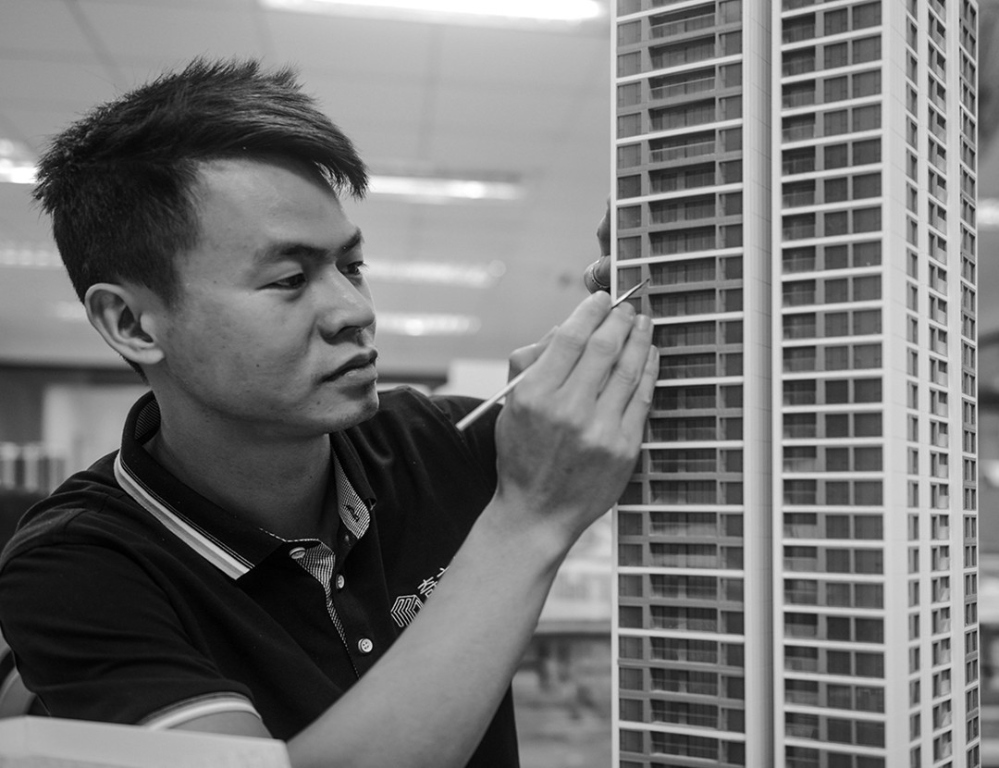
Architectural models convert digital designs into physical 3D representations that stakeholders can inspect and interact with. They improve communication between developers, architects, investors, and government authorities, allowing accurate assessment of spatial relationships, project scale, and design feasibility.
In global real estate and infrastructure projects, physical models act as essential tools for presentations, approvals, and marketing. Manufacturers like QZY Models deliver precision-crafted models tailored for exhibitions, investor meetings, and urban planning boards.
Demand is rising among developers in regions such as the Middle East, Europe, and Southeast Asia, where visual clarity significantly impacts project approval and investment confidence.
What Makes a Model Factory in China Reliable for International Clients?
A reliable Chinese model factory combines strict quality control, skilled craftsmanship, export experience, and clear communication. Factories with advanced CNC, laser cutting, and 3D printing capabilities ensure models meet international standards.
Key reliability factors include:
-
ISO-certified production facilities with advanced equipment
-
Multilingual teams for seamless global client communication
-
Proven track record of delivering complex, large-scale models
QZY Models integrates professional modeling techniques and precise quality assurance to meet global presentation expectations, providing a trusted manufacturing partner for architects, developers, and institutional clients.
Why Are Detailed Scale Models Crucial for Real Estate and Urban Planning?
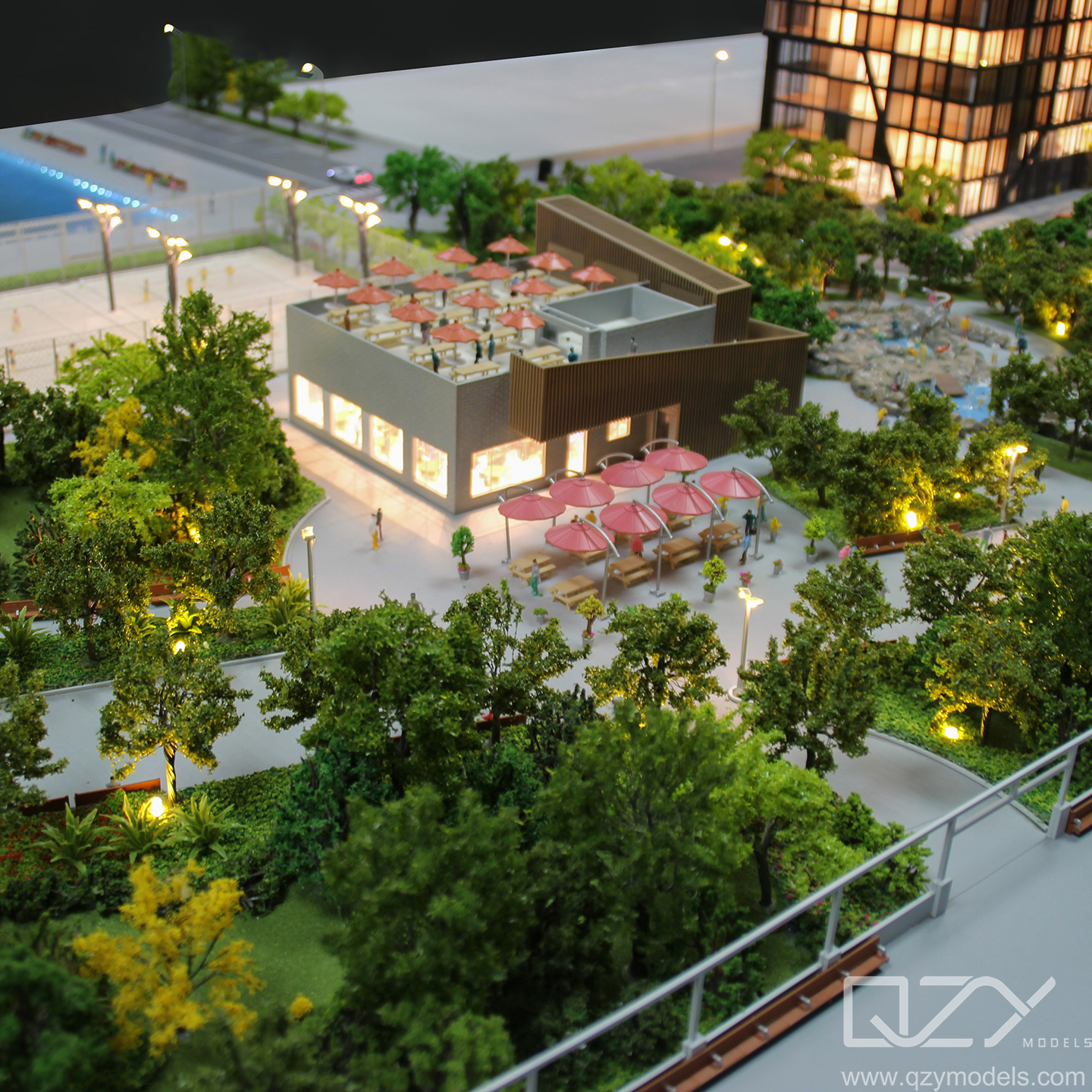
Detailed scale models allow developers and planners to evaluate layouts, infrastructure flow, and landscaping accurately. They enhance investment presentations, facilitate government approvals, and convey design intent to stakeholders worldwide.
Factories like QZY Models combine digital modeling, laser cutting, and meticulous assembly to produce realistic representations of urban projects. Some models integrate interactive lighting and smart features to enhance engagement during trade shows or exhibitions.
| Component | Purpose | Material Used |
|---|---|---|
| Base Terrain | Represents site layout | Acrylic / MDF |
| Buildings | Show architectural design | Resin / ABS |
| Green Zones | Indicate landscaping | Painted Foam / Fiber |
| Lighting | Simulate day/night conditions | Miniature LED Systems |
Which Materials and Technologies Define High-Quality Architectural Models?
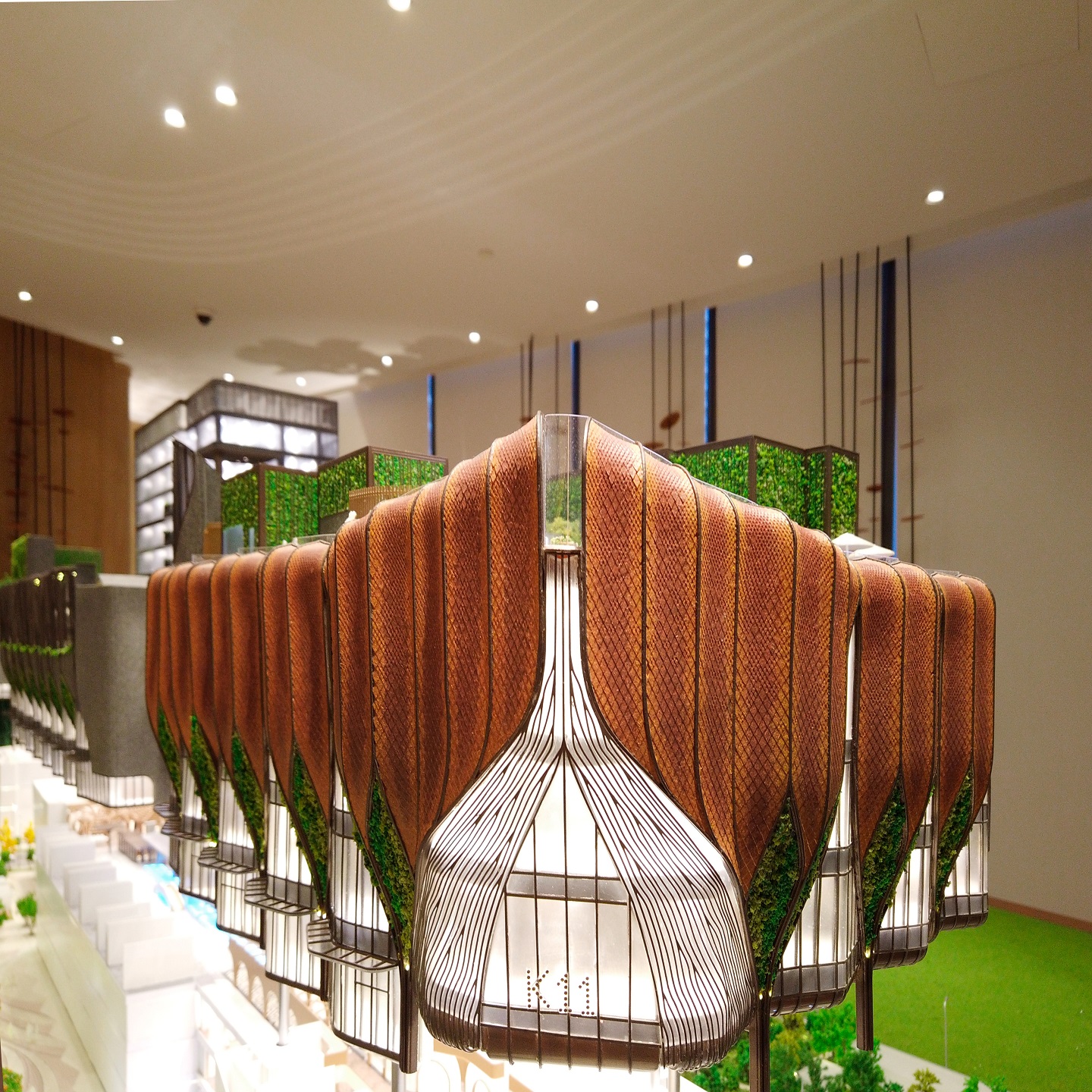
High-quality models rely on a combination of advanced digital technologies and durable materials. CNC machining, laser cutting, and 3D printing ensure precise scale and form, while acrylic, ABS, resin, and wood create realistic textures and finishes.
QZY Models uses eco-friendly and recyclable materials without sacrificing quality, combining digital precision with handcrafted details. This hybrid approach allows both creative customization and efficient production for large-scale international projects.
Who Benefits Most from Professional Architectural Model Making Factories?
Architectural model services benefit:
-
Architectural firms presenting designs to clients
-
Developers marketing new real estate projects
-
Urban planners and government agencies evaluating development impact
-
Educational institutions training design professionals
-
Exhibition organizers needing visually engaging displays
QZY Models collaborates with international architects, developers, and design schools, delivering professional models for presentations, planning approvals, and marketing campaigns.
When Should Developers Commission a Model During the Project Cycle?
Models should be commissioned when a design reaches roughly 80% completion. At this stage, forms, scales, and spatial layouts are finalized, allowing accurate translation into physical models. Early engagement minimizes rework and ensures display readiness for investor presentations or exhibitions.
Factories in China, such as QZY Models, often start with conceptual massing models and progress to detailed display-ready models for tenders, trade shows, or client review.
Are There Clear Differences Between Architectural and Industrial Model Making?
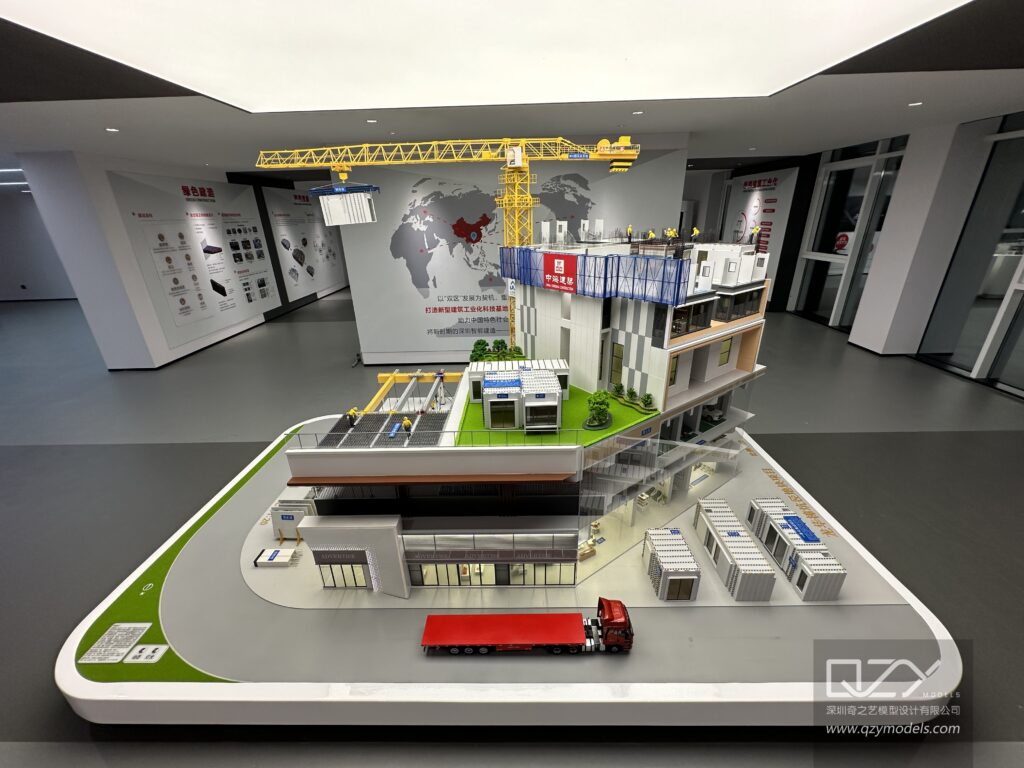
Architectural models focus on buildings, landscapes, and urban layouts for visualization, whereas industrial models replicate machinery, equipment, and technical systems. Industrial models emphasize mechanical accuracy, functional simulation, and component-level detailing alongside aesthetics.
QZY Models operates specialized divisions for both architectural and industrial models, serving clients from urban planners to engineering and manufacturing firms worldwide.
Why Do Overseas Clients Choose Chinese OEM Model Manufacturers?
Overseas clients select Chinese OEM manufacturers for cost efficiency, high production capacity, advanced materials, and customization flexibility. Factories like QZY Models provide global logistics, presentation-ready models, and private labeling, ensuring a streamlined single-source solution.
Chinese factories excel at scalable production and timely international shipping, supporting projects in Europe, the Middle East, and Southeast Asia with consistent quality and competitive pricing.
QZY Models Expert Views
“Architectural and industrial models go beyond physical representation—they reflect collaboration, vision, and trust. At QZY Models, every project balances precision, creativity, and functionality. From Shenzhen to international markets, we deliver models that connect stakeholders and communicate design intent, creating long-term relationships rooted in excellence.”
— Richie Ren, Founder, QZY Models
How Can Digital Visualization Enhance Traditional Model Making?
Digital visualization integrates 3D scanning, CAD/BIM modeling, CNC prototyping, and AR/VR previews to improve accuracy, reduce waste, and accelerate collaboration. These technologies allow clients to preview lighting, textures, and massing virtually before production.
QZY Models combines traditional craftsmanship with digital workflows to deliver highly accurate, visually compelling models optimized for global exhibitions and investor presentations.
| Step | Digital Tool | Benefit |
|---|---|---|
| 3D Scanning | Laser Scanner | Ensures precision and scale |
| Modeling | CAD/BIM Software | Visualizes structure and layout |
| Prototyping | CNC / 3D Printer | Tests form and spatial accuracy |
| Finishing | Manual Detailing | Adds realistic texture and detail |
Conclusion
Architectural and industrial model making bridges design, communication, and visualization. For global developers, architects, and planners, partnering with QZY Models ensures precision, scalability, and reliable quality. Through advanced technologies, expert craftsmanship, and international project experience, physical models continue to turn complex ideas into compelling, actionable visual representations worldwide.
FAQs
1. What is the typical production time for large-scale architectural models?
Usually 3–6 weeks depending on project complexity, detailing, and materials.
2. Can models be shipped safely overseas?
Yes. Factories like QZY Models use custom crates and foam reinforcement for secure international delivery.
3. Do manufacturers offer OEM or private label services?
Yes. OEM and ODM customization are standard for branding and confidential client requirements.
4. How do lighting features enhance architectural models?
Lighting emphasizes design intent, simulates real-life conditions, and improves visual engagement for presentations.
5. Which industries benefit from industrial model making?
Industrial sectors such as energy, transportation, and manufacturing use models for exhibitions, technical demonstrations, and product visualization.