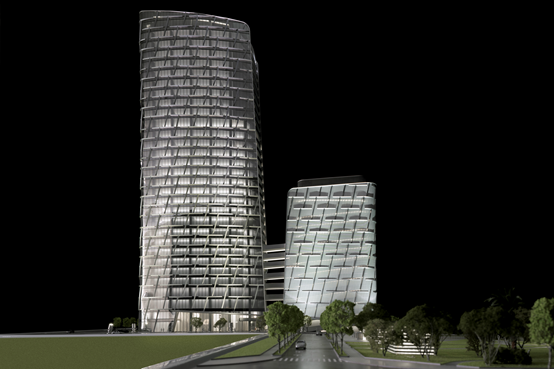
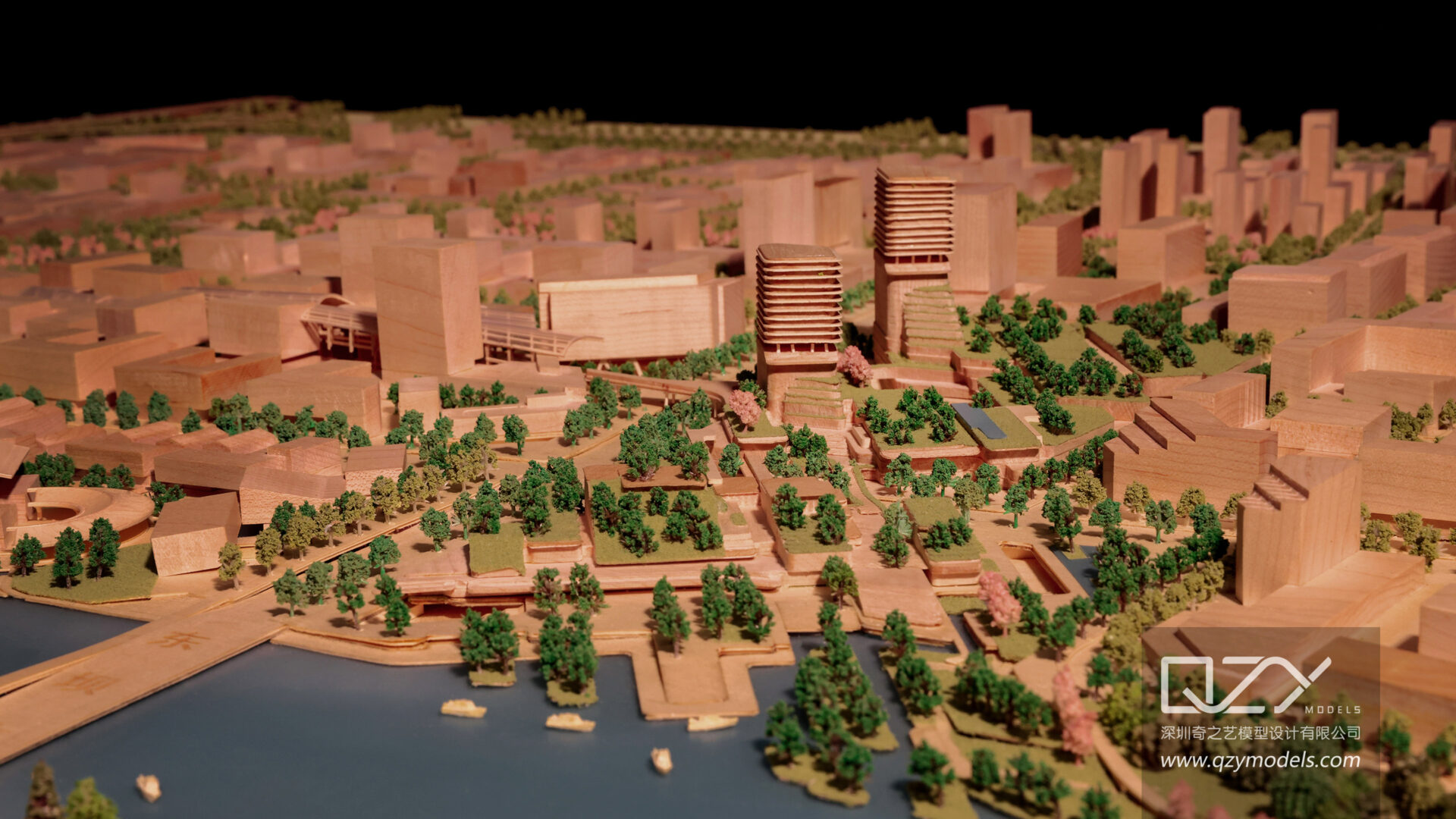
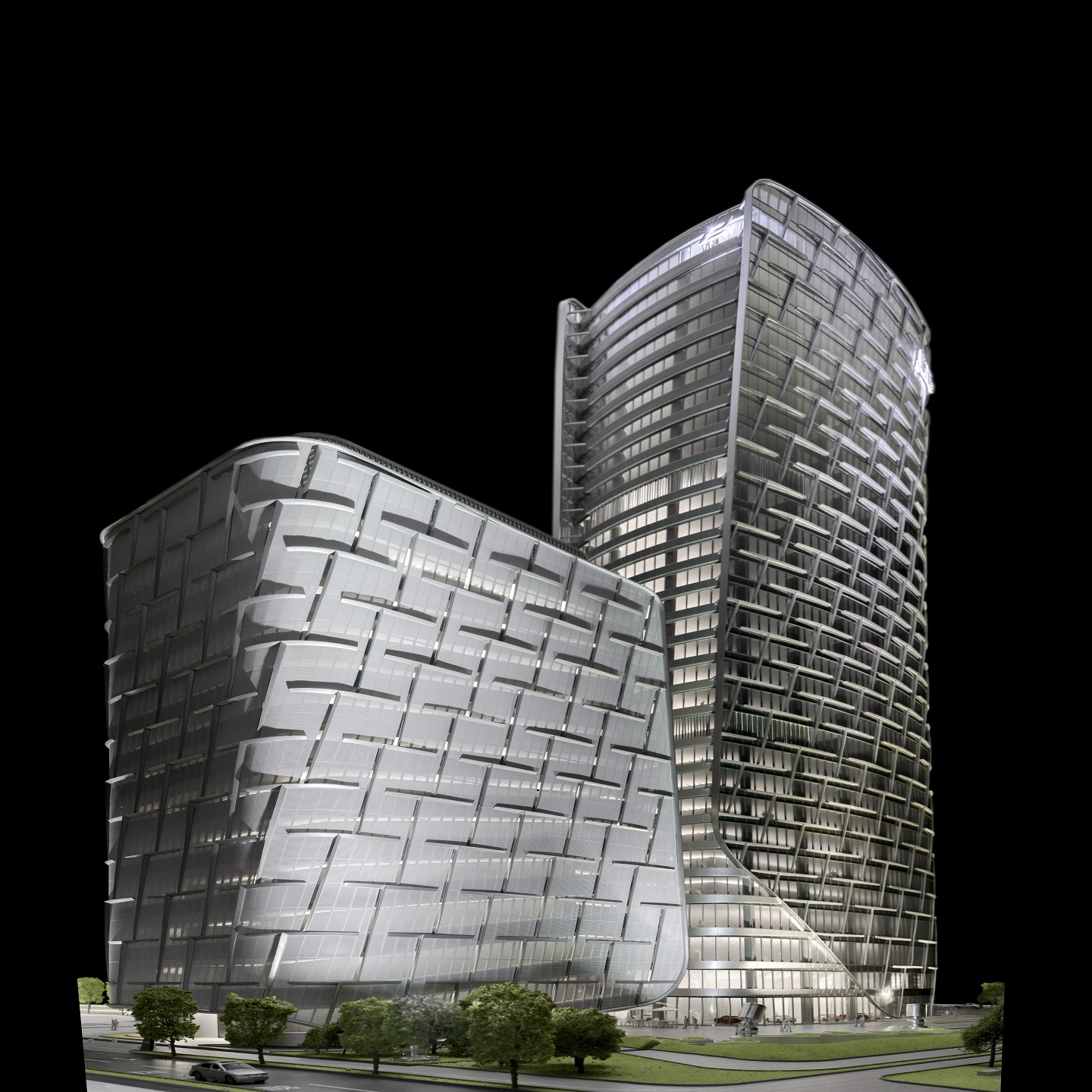
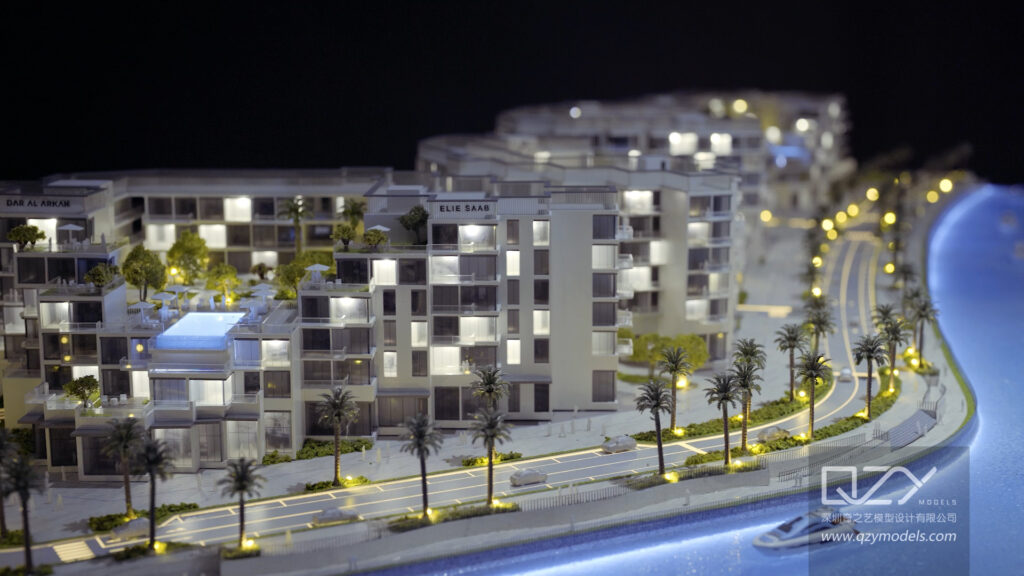
High-quality massing models are crucial for architectural design firms because they transform complex design concepts into tangible, visually understandable representations. They enhance spatial perception, streamline client communication, and facilitate early-stage design decisions. Collaborating with experienced manufacturers like QZY Models ensures precision, premium materials, and consistent results, helping firms present compelling, professional-grade architectural solutions to clients and stakeholders.
How Do High-Quality Massing Models Improve Architectural Design?
High-quality massing models elevate architectural design by clarifying spatial relationships, illustrating scale, and highlighting design proportions. They act as physical tools for architects to test concepts, iterate efficiently, and validate form and volume early. For developers and planners, these models communicate project intent clearly, supporting faster approvals and better stakeholder engagement. QZY Models specializes in translating complex plans into accurate physical forms, ensuring designs are comprehensible and impactful.
What Materials Are Commonly Used for Massing Models?
Massing models use a range of materials tailored to project requirements, including foam, acrylic, resin, wood, and 3D-printed polymers. The choice depends on desired detail, durability, and budget. QZY Models advises clients on selecting materials that balance visual fidelity, strength, and cost-effectiveness. Concept models often use high-density foam or laser-cut acrylic, while resin and ABS provide high-detail finishes suitable for presentation-quality models.
| Material Type | Best For | Key Advantages |
|---|---|---|
| High-density foam | Concept models | Lightweight, cost-effective, easy to shape |
| Acrylic | Urban massing | Precise, durable, clean appearance |
| Resin | Presentation models | High-detail, smooth surface |
| Wood | Concept prototypes | Natural texture, easy to machine |
| ABS/3D Polymer | Mixed-use massing | Accurate, repeatable |
Why Should Firms Source Massing Models from a China Manufacturer?
China-based manufacturers, such as QZY Models, offer advanced production capabilities, cost efficiency, and reliable global shipping. With integrated supply chains and specialized expertise, they can deliver both conceptual and detailed models at scale. QZY Models maintains ISO-quality standards and provides OEM and wholesale options for architects, developers, and planners worldwide, combining technical precision with flexible customization for diverse international projects.
Which Model Scales Are Best for Conceptual and Detailed Massing?
Model scale selection is critical for clarity and presentation. Conceptual models benefit from 1:500 to 1:1000 scales, while detailed presentations often use 1:200 to 1:500 scales. QZY Models adapts proportions and base finishes to each project’s scale, ensuring all elements—from building mass to landscape features—accurately communicate architectural intent.
| Purpose | Ideal Scale Range | Common Use Case |
|---|---|---|
| City masterplan | 1:1000 – 1:2000 | Urban planning studies |
| Building concept | 1:500 – 1:1000 | Early design iteration |
| Detailed visualization | 1:200 – 1:500 | Planning approval, marketing |
Who Benefits Most from Commissioning High-Quality Massing Models?
Architectural firms, developers, and city planning agencies gain significant advantages from massing models. Architects enhance design validation and presentation quality, developers communicate project value to investors, and planners assess volumetric and spatial data for urban projects. Educational institutions and design schools also utilize models to teach spatial relationships and urban composition, making them versatile tools across professional and academic contexts.
Where Are Massing Models Typically Displayed or Used?
Massing models are widely used in design studios, offices, public exhibitions, and planning meetings. They serve as internal design aids and external communication tools. QZY Models provides custom display bases and integrates LED lighting when needed, creating museum-grade or exhibition-ready models that maintain visual appeal and structural integrity during transport and display.
How Can OEM and Wholesale Orders Benefit International Clients?
OEM and wholesale services allow international firms to access cost-effective, scalable, and fully customizable massing models. QZY Models manages high-volume production while maintaining precision and quality. Clients can request custom branding, lighting integration, and modular packaging for exhibitions, franchise projects, or corporate presentations. The company’s global logistics team ensures secure delivery and consistent quality from prototype to final product.
What Design Details Define a Premium Massing Model?
A premium massing model showcases accurate proportions, smooth surface finishing, and well-designed bases. Uniform color, precise topography, and clean assembly joints are essential. QZY Models combines CNC machining, UV printing, laser cutting, and skilled handcrafting to deliver models that meet international presentation standards while maintaining aesthetic finesse and structural reliability.
QZY Models Expert Views
“A successful massing model bridges imagination with spatial reality. Every contour, volume, and shadow conveys architectural logic. At QZY Models, we focus on capturing this essence, ensuring each model is not just a physical object but a narrative of design thought and intention.”
— Richie Ren, Founder & Chief Model Director, QZY Models
Why Is Shenzhen a Strategic Hub for Model Manufacturing?
Shenzhen is ideal for architectural model production due to its advanced industrial ecosystem, skilled workforce, and global logistics access. Manufacturers like QZY Models benefit from proximity to premium material suppliers and efficient transportation networks, enabling rapid production, high precision, and timely delivery for international clients seeking reliable model-making solutions.
Can Massing Models Integrate Smart Lighting or Digital Features?
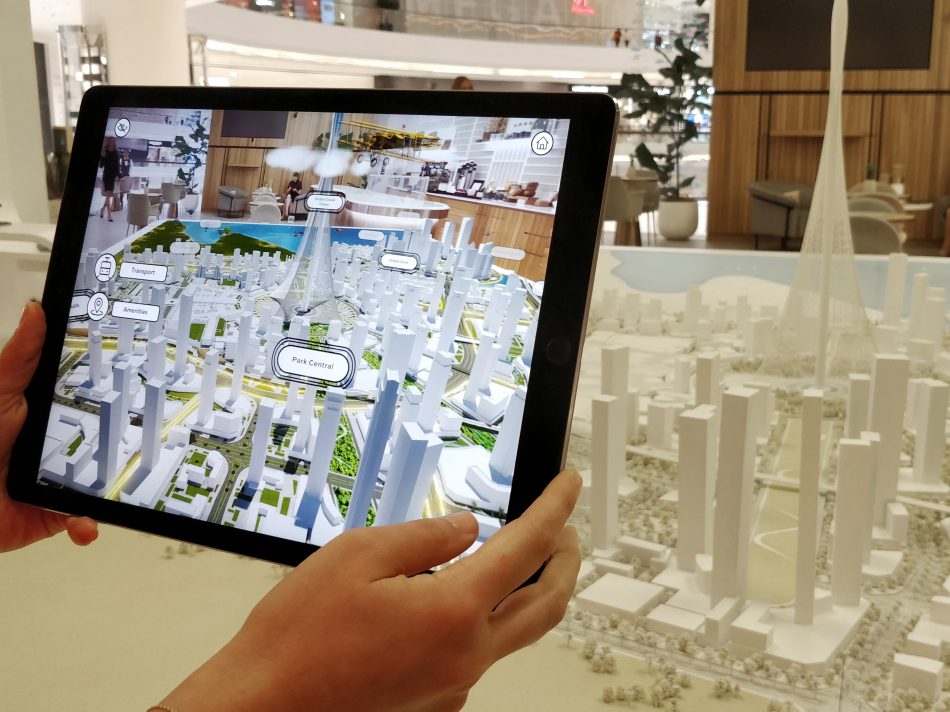
Yes, modern massing models can include programmable LED lighting, sensors, or projection elements. QZY Models specializes in these enhancements, using translucent materials and embedded electronics to simulate daylight, indicate zoning, or create interactive experiences, making models highly engaging for exhibitions, competitions, and client presentations.
Has Digital Fabrication Changed Traditional Model Making?
Digital fabrication has revolutionized model making, increasing accuracy, efficiency, and repeatability. CNC machining, 3D printing, and laser cutting accelerate production while maintaining detail quality. QZY Models blends these automated techniques with manual craftsmanship to achieve industrial-grade precision without compromising visual elegance and tactile realism.
Conclusion
High-quality massing models are indispensable for architects, developers, and planners, providing clarity, design validation, and compelling presentations. Partnering with experienced manufacturers like QZY Models guarantees precision, quality materials, and professional execution. These models remain powerful tools to bridge conceptual ideas and real-world architectural communication, enhancing decision-making and stakeholder engagement worldwide.
FAQs
What is the main purpose of a massing model?
To visually convey spatial relationships, proportions, and volume at an early stage of design.
How long does it take to produce a professional massing model?
Production typically ranges from 2–6 weeks, depending on scale, complexity, and materials.
Can massing models be shipped internationally without damage?
Yes, QZY Models uses custom packaging and flight cases to ensure safe global delivery.
Do architectural design firms still need physical models in the digital era?
Absolutely. Physical models provide tactile clarity and spatial understanding that digital tools alone cannot deliver.
Can QZY Models handle bulk OEM or institutional orders?
Yes, the company offers scalable production for developers, schools, and exhibition projects worldwide.