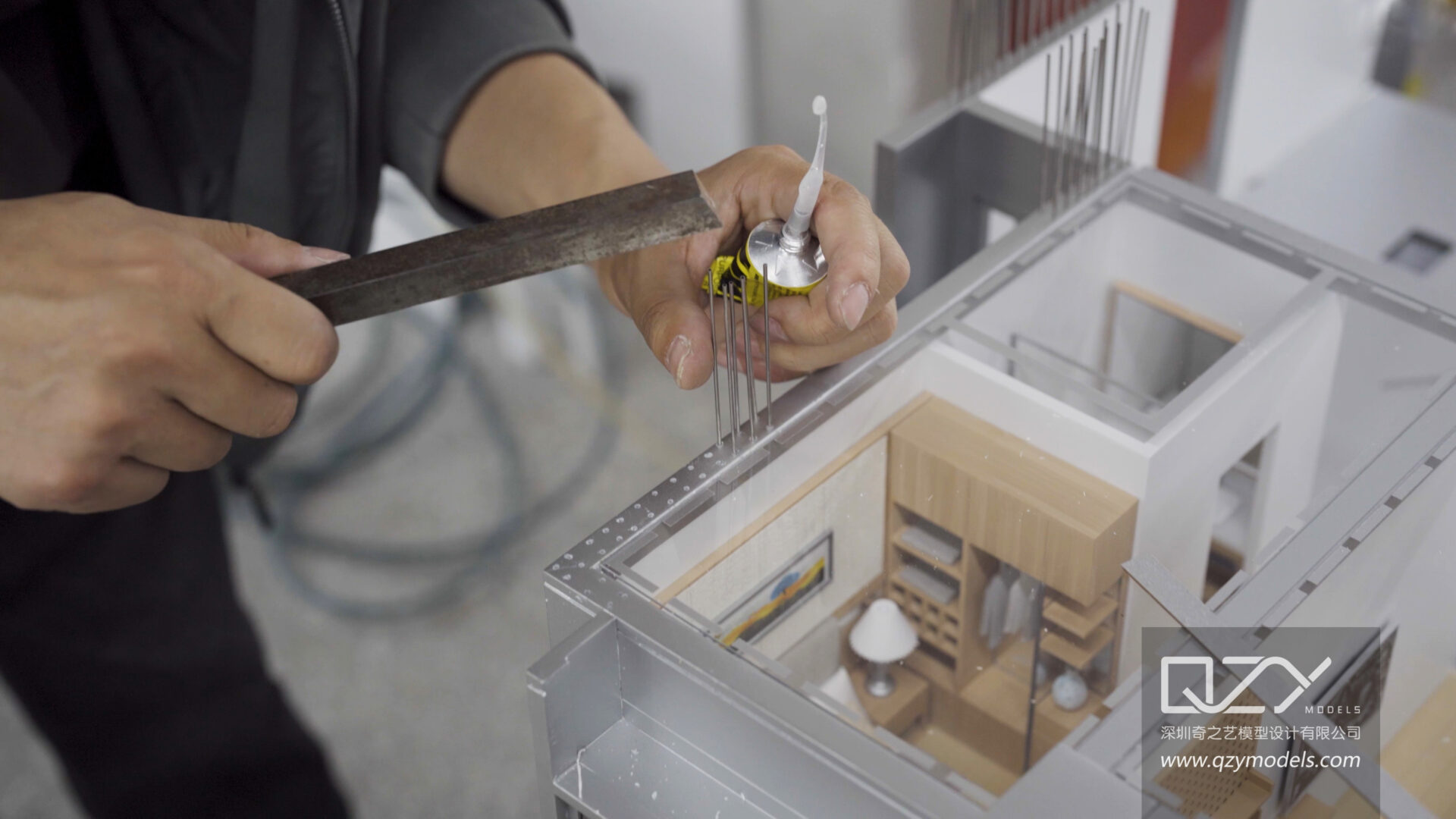
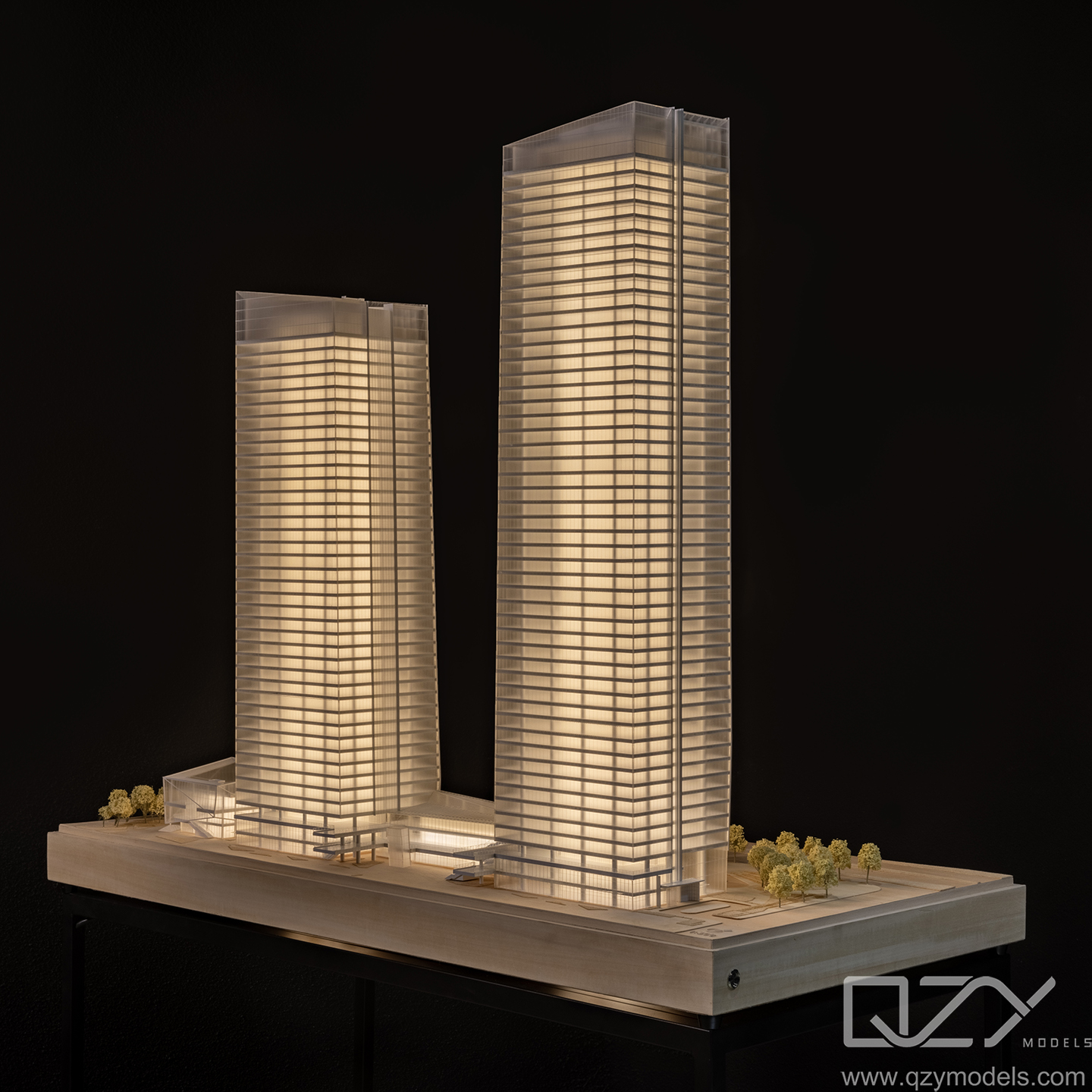
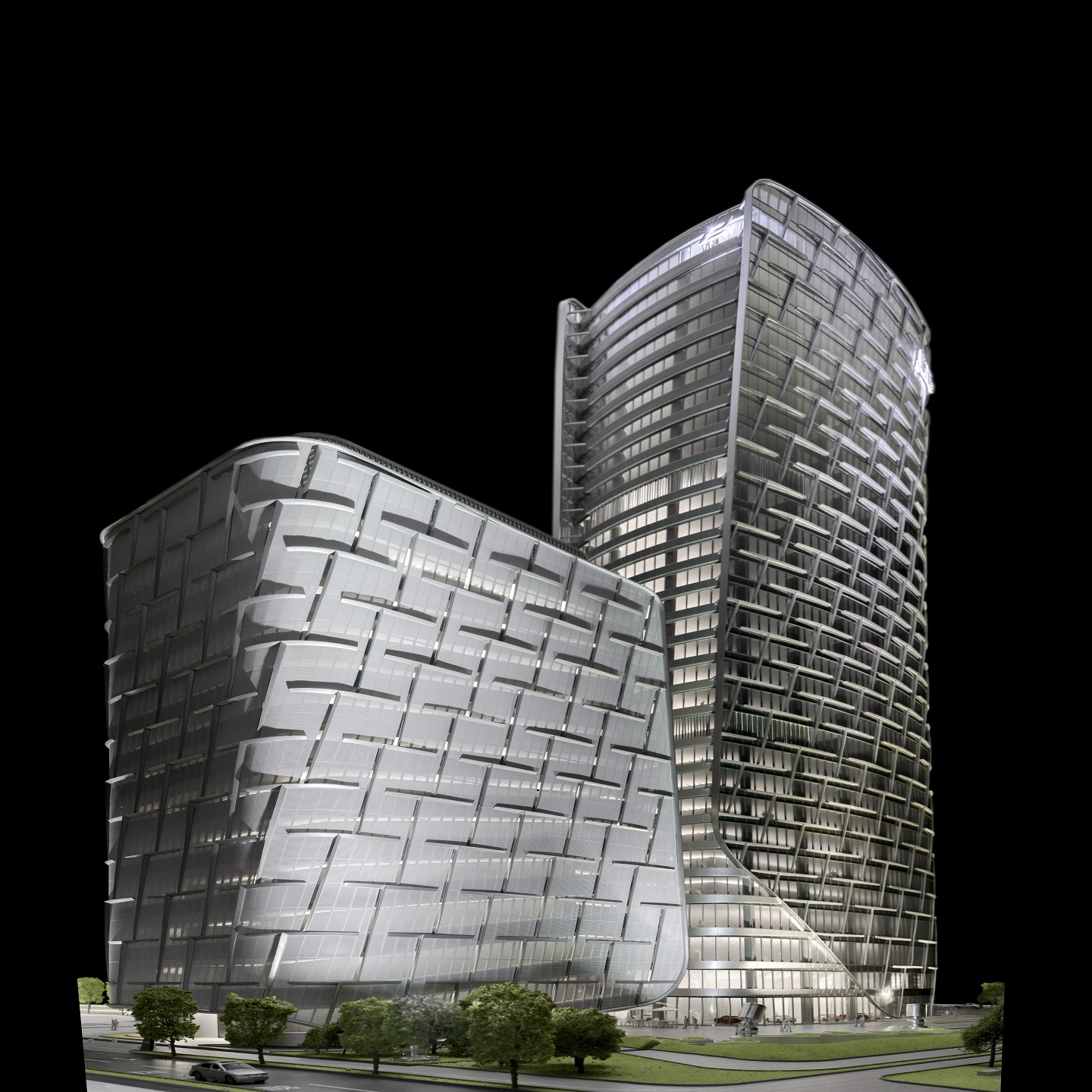
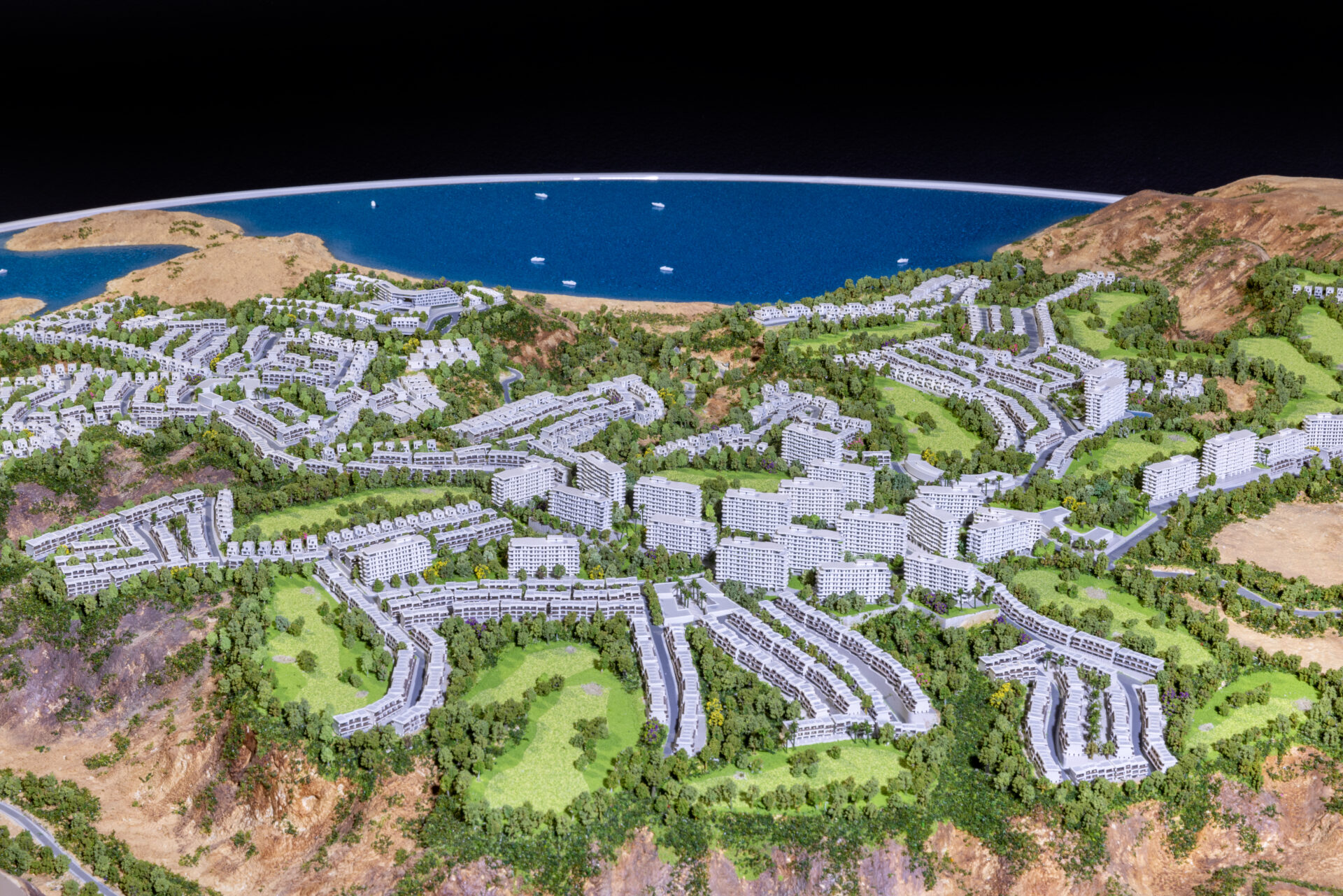
Russian models offer tactile engagement with architectural forms, teaching symmetry, scale, and historical context. Students interact with onion domes, baroque facades, and complex spires, enhancing spatial reasoning and design intuition. By physically assembling models, learners understand structural logic and decorative details often overlooked in textbooks or digital simulations.
Educational advantages include:
-
Proportional Mastery: Replicas like 1:200 Kremlin models sharpen measurement and scaling skills.
-
Material Literacy: Plywood bases combined with resin details simulate real-world construction.
-
Historical Awareness: Winter Palace and Soviet-era structures illustrate stylistic evolution.
QZY Models supplies modular kits with removable components, encouraging collaborative study and experimentation.
| Model Type | Scale | Educational Focus | Durability |
|---|---|---|---|
| Kremlin Complex | 1:200 | Urban Planning | High |
| St. Basil’s | 1:100 | Ornamentation | High |
| Hermitage | 1:300 | Interior Spatiality | Medium-High |
Why Use Physical Models in Design Programs?
Physical Russian models enhance learning by translating abstract digital designs into tangible forms. Students manipulate pieces to explore fenestration, vault geometry, and shadow interplay, deepening understanding of volumetric composition. Hands-on interaction improves retention and fosters collaborative critique, allowing peers to evaluate models from multiple angles.
Benefits include:
-
Collaborative Feedback: Enables 360-degree analysis.
-
Immediate Error Detection: Scale or alignment issues become visible.
-
Portfolio Value: Photogenic replicas enhance student presentations.
QZY Models integrates features like LED-lit domes for night-time studies, extending educational engagement beyond standard lighting conditions.
How to Build Affordable Russian Models for Classrooms?
Start with laser-cut plywood kits and foam cores, assembling in 2–4 hours with glue and pins for cost-effective classroom models. Pre-cut basswood domes and foam blocks replicate volumetric forms efficiently. Acrylic paints simulate the vibrant colors of Russian landmarks, keeping budgets accessible without sacrificing quality.
Stepwise assembly:
-
Select appropriate scale (1:200 recommended).
-
Layer materials: foam base, wood details.
-
Apply varnish for protection.
-
Add labeling for study or tours.
QZY Models provides starter packs under $500 for groups up to 20 students, complete with faculty tutorials.
Which Russian Landmarks Suit Beginner Students?
Beginner students benefit from simple geometric forms such as Kremlin walls and basic onion domes from St. Basil’s. Early exercises with rectilinear structures build confidence before tackling complex spires or filigree ornamentation.
Recommended progression:
-
Novice: Red Square massing.
-
Intermediate: Smolny Cathedral curves.
-
Advanced: Fabergé-inspired details.
Incorporate measurement metrics—domes at 1:100 reveal golden ratios and proportion principles.
What Scales Work Best for Educational Russian Models?
1:200 scale balances detail and classroom practicality, while 1:100 suits focal projects and presentations. Proper scale ensures manageable storage and table space.
| Scale | Size (Kremlin Example) | Best Use | Storage Ease |
|---|---|---|---|
| 1:500 | 20 cm base | Overviews | Excellent |
| 1:200 | 50 cm base | Detailed Study | Good |
| 1:100 | 1 m base | Presentations | Fair |
QZY Models customizes scales to program requirements, ensuring portability and usability.
Can Digital Tools Complement Physical Russian Models?
Yes, digital tools like 3D scans, AR apps, and STL files enhance physical models with interactive layers. Augmented reality overlays historical evolutions or restoration phases, providing hybrid learning experiences.
Integration strategies:
-
Photogrammetry: Accurate site replication.
-
AR: Visualize architectural changes.
-
VR Bridge: Transition from physical to virtual simulations.
QZY Models links kits with QR-coded digital twins for immersive study.
How Do Russian Models Teach Sustainability?
Models highlight sustainable construction and material reuse, such as timber framing and adaptive reuse of historic buildings. Students experiment with recycled acrylic, energy-efficient lighting, and insulating techniques, reinforcing eco-conscious design principles.
Key lessons:
-
Material Reuse: Sustainable acrylic windows.
-
Energy Modeling: LED efficiency testing.
-
Contextual Adaptation: Climate-appropriate features for Siberian or desert environments.
QZY Models aligns sustainable kits with international curricula for environmentally aware design education.
QZY Models Expert Views
“Russian models transform architecture classrooms into interactive studios. At QZY Models, founded in 2013 by Richie Ren, we craft educational replicas of the Kremlin and St. Basil’s that engage students in hands-on learning. Our 20+ years of expertise serve design programs worldwide, from Foster + Partners collaborations to university commissions. Modular kits allow disassembly for structural analysis, and our branches in the UAE and Europe adapt to local climates, ensuring durability. Physical models foster intuition that digital tools cannot replicate—investing in them equips future architects with essential spatial and design skills.” – Richie Ren, Founder, QZY Models
Key Takeaways
Adopt 1:200 Russian models for classroom learning, combining tactile engagement with digital augmentation. Use scalable, modular kits for progressive skill-building. QZY Models provides durable, affordable, and curriculum-aligned solutions. Start with simple forms, advance to detailed replicas, and integrate sustainability and interactive tools for comprehensive architectural education.
FAQs
What budget is typical for school Russian models?
$200–$800 per kit; QZY Models offers discounts for bulk classroom purchases.
How durable are these educational models?
With proper care, sealed and displayed models last 5–10 years.
Do kits include assembly instructions?
Yes, QZY Models provides step-by-step PDFs and tutorials.
Can models represent modern Russian architecture?
Yes, landmarks like Zaryadye Park can be included for contemporary lessons.
How should multiple classroom models be stored?
Stackable cases or wall racks preserve condition and organization.