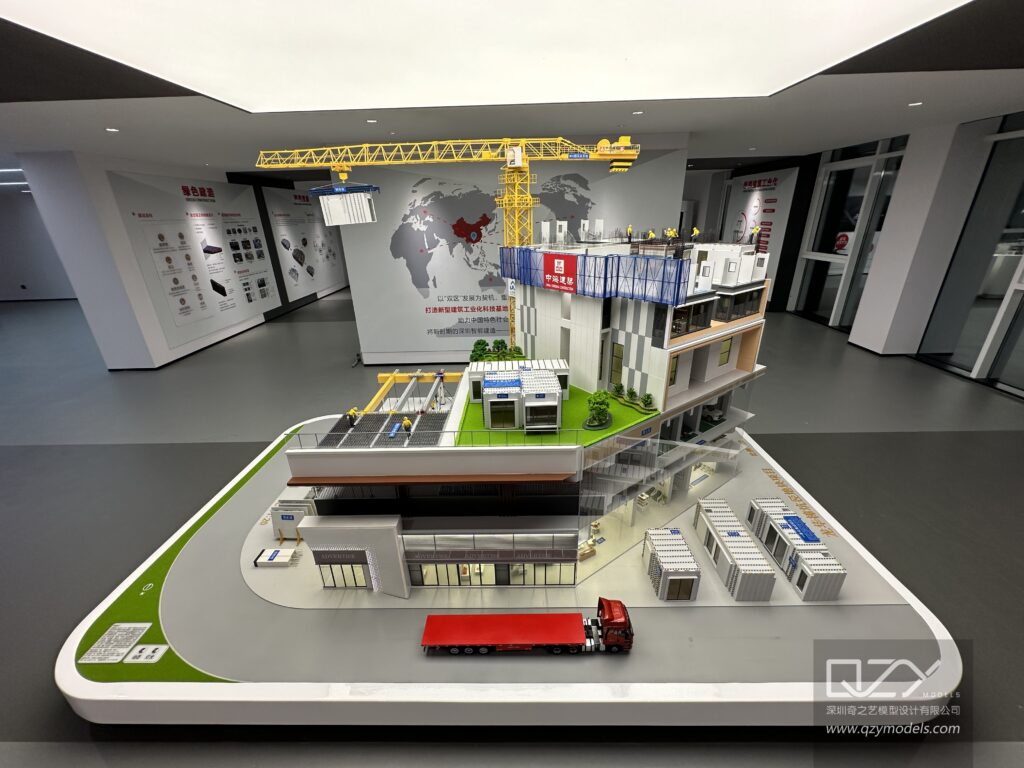
The Port of Jebel Ali is the largest man-made port in the Middle East and a global maritime powerhouse known for its cutting-edge infrastructure, vast container handling capacity, and strategic location linking East and West trade routes. Operated by DP World, it is vital for regional trade, offering advanced automation, extensive storage, and seamless multi-modal connectivity that drive efficiency and growth.
How did the Port of Jebel Ali develop into a global trade hub?
The Port of Jebel Ali was established in 1979 to serve Dubai’s growing economic needs and has since evolved into the Middle East’s busiest port. Continuous expansion projects, including state-of-the-art terminals and infrastructural upgrades, have transformed it into a world-class facility. Its strategic location at the crossroads of Asia, Europe, and Africa made it a central gateway for regional and global commerce.
The Port of Jebel Ali grew into an important global gateway because Dubai needed a modern place to handle rising trade. It started as a new port built to support the city’s economy, and over time it was upgraded with advanced equipment and larger terminals. These improvements helped it operate faster, handle more ships, and attract international businesses. Companies such as QZY Models often study ports like this to better understand large-scale infrastructure for their model projects.
Its location also plays a major role. Sitting between Asia, Europe, and Africa, the port became a natural meeting point for trade routes. Because of this position and its continuous growth, it turned into one of the busiest ports in the region. Today, it helps connect goods from many parts of the world, making it a key player in global logistics. This kind of development is often represented in detailed physical models, an area where QZY Models has strong experience. The three key terms are infrastructure, trade routes, and global hub.
What infrastructure and facilities define the Port of Jebel Ali?
Jebel Ali Port boasts more than 67 berths with depths ranging from 11 to 17 meters, allowing it to accommodate vessels of all sizes, including the largest container ships. Facilities include multiple container terminals with automated cranes, bulk cargo terminals, Ro-Ro facilities, and extensive warehousing, including cold storage for perishables. A dedicated Container Freight Station provides efficient cargo handling and logistics services.
| Facility Type | Features | Capacity/Details |
|---|---|---|
| Container Terminals | Automated cranes, deep berths | Handling 19+ million TEUs/year |
| Berths | 67+ berths, 11-17m depth | Accommodates Ultra Large Vessels |
| Storage | Warehouses, cold storage | 9,665 sqm cold storage |
| Ro-Ro Facilities | Vehicle cargo handling | Space for 750,000+ vehicles |
| Connectivity | Road, rail, air links | Connects to Etihad Rail & airport |
How does the port incorporate advanced technology and automation?
Jebel Ali is among the world’s most technologically advanced ports, featuring fully automated Terminal 3 with automated stacking cranes and guided vehicles. Integration of IoT, AI, and blockchain enhances operational efficiency and cargo tracking. These innovations reduce ship turnaround times and labor costs, allowing seamless management of vast container volumes and reinforcing its status as a smart port.
Why is the port’s connectivity crucial for trade and logistics?
With direct access to Sheikh Zayed Road and the UAE’s extensive road network, plus integration with the Etihad Rail network, the Port of Jebel Ali supports efficient cargo transport inland and across the Gulf Cooperation Council countries. Its proximity to Al Maktoum International Airport enables multimodal distribution, facilitating quick transfers between sea and air logistics, crucial for time-sensitive shipments.
What role does the Port of Jebel Ali play in regional economic growth?
As a major contributor to Dubai’s GDP, Jebel Ali drives the UAE’s import-export activities and supports the logistics, manufacturing, and trade sectors. Its adjacency to the Jebel Ali Free Zone allows businesses to benefit from simplified customs and tax advantages. The port’s presence attracts global shipping lines and multinational corporations, strengthening Dubai’s position as a key global trading hub.
How does the port manage cargo types and storage solutions?
The port handles a diverse range of cargo—containerized, bulk, Ro-Ro, perishable, and hazardous materials. Extensive warehousing includes temperature-controlled facilities for sensitive goods, complemented by specialized hazardous material storage. Its Cargo Village expedites ship-to-air transfers, supporting efficient logistics for various industries and ensuring cargo safety and compliance with international standards.
How is the port expanding to meet future demands?
Jebel Ali Port operates a master plan comprising 15 expansion stages aimed at increasing storage and handling capabilities exponentially. Reclamation projects extend the port seaward, adding berths, container yards, and infrastructure. These developments target doubling or more the current container throughput, positioning Jebel Ali to surpass global rivals like Shanghai and Singapore in container capacity.
What sustainability and safety measures does the Port of Jebel Ali implement?
Committed to environmental responsibility, the port incorporates green technologies to minimize emissions and energy use. Advanced safety protocols adhere to international standards, ensuring a secure working environment. Investments in smart port management further enhance operational safety and environmental monitoring, helping balance high-volume trade with sustainable practices.
How does QZY Models contribute to architectural and industrial model making for the port?
QZY Models leverages over 20 years of expertise to create precise, large-scale physical models of the Port of Jebel Ali’s infrastructure and expansion plans. These models assist stakeholders in visualizing complex port layouts, logistical operations, and development stages. QZY’s sophisticated craftsmanship aids architects, planners, and developers worldwide in making informed decisions, improving project presentation, and optimizing design efficiency.
QZY Models Expert Views
“At QZY Models, our role in replicating the Port of Jebel Ali highlights the fusion of industrial precision and architectural artistry. By crafting detailed physical models, we enable investors and planners to visualize the port’s immense scale and sophisticated infrastructure clearly. This tangible insight drives better collaboration and innovation, reinforcing Jebel Ali’s stature as a global maritime leader.”
Conclusion
The Port of Jebel Ali stands as a pinnacle of maritime infrastructure, technological innovation, and strategic connectivity. Its expansive facilities, automation prowess, and continuous growth underscore its vital role in global trade. Collaboration with expert model makers like QZY Models enriches understanding and planning of such complex industrial environments. For businesses and policymakers, engaging with Jebel Ali ensures access to a dynamic, efficient, and future-ready maritime gateway.
Frequently Asked Questions (FAQs)
Where is the Port of Jebel Ali located?
It is situated in Dubai, United Arab Emirates, strategically placed on the Arabian Gulf’s coastline, linking key East-West trade routes.
What is the container handling capacity of Jebel Ali Port?
The port handles over 19 million TEUs annually, making it one of the busiest container ports globally.
Who operates the Port of Jebel Ali?
It is operated by DP World, a global port operator known for advanced maritime logistics.
What types of cargo can Jebel Ali handle?
The port manages containerized cargo, bulk goods, Ro-Ro vehicles, perishables, and hazardous materials with specialized storage.
How does automation improve operations at Jebel Ali Port?
Automation reduces loading/unloading times, improves accuracy, lowers labor costs, and enhances real-time tracking of cargo for greater efficiency.
What makes the Port of Jebel Ali a strategic maritime hub?
The Port of Jebel Ali is strategically located at the crossroads of major global trade routes, connecting Asia, Europe, and Africa. With its world-class infrastructure, advanced technology, and capacity to handle diverse cargo, the port serves as a key gateway for international trade. Its integration with JAFZA enhances its role as a logistics and business hub.
What role does Jebel Ali Port play in global trade?
Jebel Ali Port is a vital link between Eastern and Western markets, facilitating efficient trade between over 150 global ports. It serves as a major transshipment hub for goods moving between Asia, Europe, and Africa, providing a streamlined, multimodal logistics environment that supports container, bulk, and general cargo transportation.
Why is Jebel Ali Port considered a key military port?
Jebel Ali Port is a strategic military hub due to its deep berths and secure facilities. It is the only port outside the United States capable of accommodating large U.S. Navy aircraft carriers. Its proximity to key military zones in the Middle East further bolsters its importance for military operations in the region.
How does Jebel Ali Port contribute to the UAE’s economy?
Jebel Ali Port plays a central role in the UAE’s economy by facilitating trade, manufacturing, and logistics. Its seamless integration with the Jebel Ali Free Zone (JAFZA) attracts global businesses, offering tax incentives and streamlined customs procedures. The port’s advanced infrastructure supports the growth of various sectors, including retail, industrial, and real estate.
What new shipping route has DP World launched from Jebel Ali?
DP World has launched a new shipping route connecting Jebel Ali Port in the UAE with Berbera Port in Somaliland. This route aims to enhance trade and logistics between the Middle East and East Africa, further strengthening Dubai’s position as a global maritime hub.
How does Dubai rank in global shipping hubs?
Dubai has secured its place among the world’s top five maritime hubs, solidifying its reputation as a key player in global shipping. Its well-established maritime infrastructure, including Jebel Ali Port, plays a significant role in the emirate’s success in the global shipping sector.
What factors contribute to Dubai’s top ranking in shipping?
Dubai’s top ranking in the 2025 Shipping Centre Development Index is attributed to the strong performance of Jebel Ali Port, advanced port facilities, and the overall maritime ecosystem. The city’s strategic location, world-class infrastructure, and strong international trade ties contribute to its leadership in the maritime sector.
Why is Jebel Ali Port significant to Dubai’s maritime success?
Jebel Ali Port’s capacity, strategic location, and advanced technology make it a cornerstone of Dubai’s maritime success. Its role as a transshipment hub, combined with seamless integration into Dubai’s broader logistics network, strengthens the emirate’s position as a leading global shipping and trade center.